Functional outcome of the anterior vaginal wall in a pelvic surgery injury rat model after treatment with stem cell-derived progenitors of smooth muscle cells
Yiting Wang, Yan Wen, Kayla Kim, Hugo Wu, Jerry Zhang, Amy D. Dobberfuhl, Bertha Chen

TL;DR
This study explores using stem cell-derived smooth muscle cell progenitors to improve vaginal tissue function after surgery in rats.
Contribution
The study demonstrates that human iPSC-derived smooth muscle cell progenitors can enhance vaginal contractility and collagen expression in a rat model of vaginal injury.
Findings
Cell-injection groups showed significantly increased vaginal smooth muscle contractions compared to the VSHAM group.
Collagen I protein expression in the vagina was significantly higher in cell-injection groups.
In the urethra, mRNA and protein expressions of collagen I, collagen III, and elastin were higher in cell-injection groups.
Abstract
Stem-cell-derived therapy is a promising option for tissue regeneration. Human iPSC-derived progenitors of smooth muscle cells (pSMCs) have limited proliferation and differentiation, which may minimize the risk of in vivo tumor formation while restoring smooth muscle cell deficiencies. Up to 30 % of women who suffer from recurrence of vaginal prolapse after prolapse surgery are faced with reoperation. Therefore, there is an unmet need for therapies that can restore vaginal tissue function. We hypothesize that human pSMCs can restore vaginal function in a vaginal-injury rat model. Female immune-compromised RNU rats were divided into 5 groups: intact controls (n=12), VSHAM (surgery + saline injection, n=33), and cell-injection group (surgery + cell injection using three patient pSMCs lines, n=14/cell line). The surgery, similar to what is done in vaginal prolapse surgery, involved…
Genes, proteins, chemicals, diseases, species, mutations and cell lines named across the full text — each resolved to its canonical identifier and authoritative record.
Click any figure to enlarge with its caption.
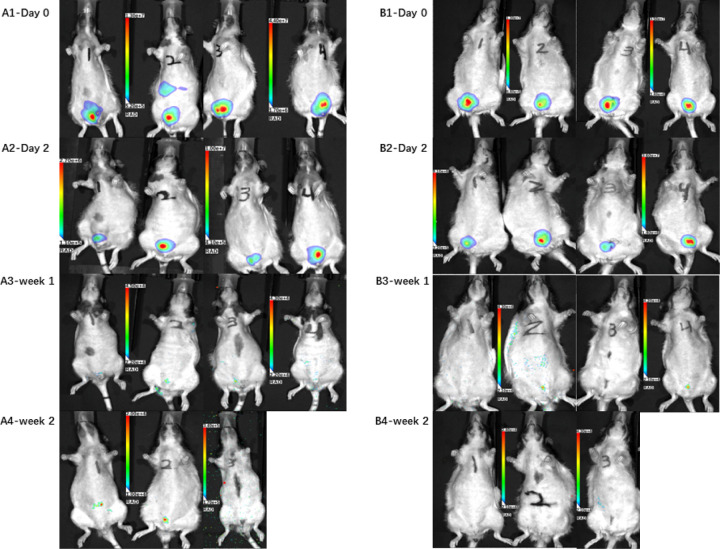 Figure 1
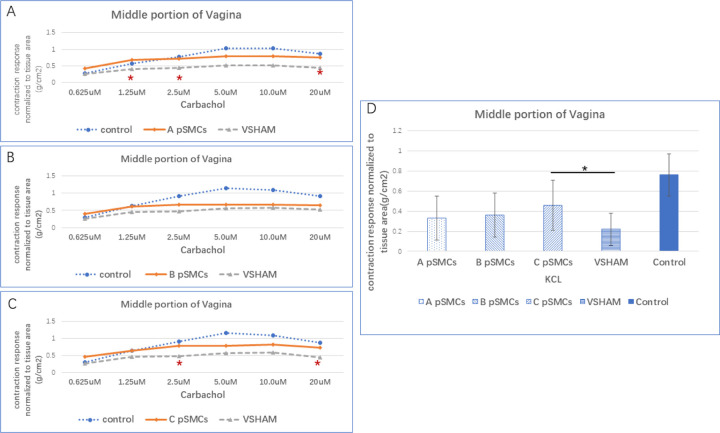 Figure 2
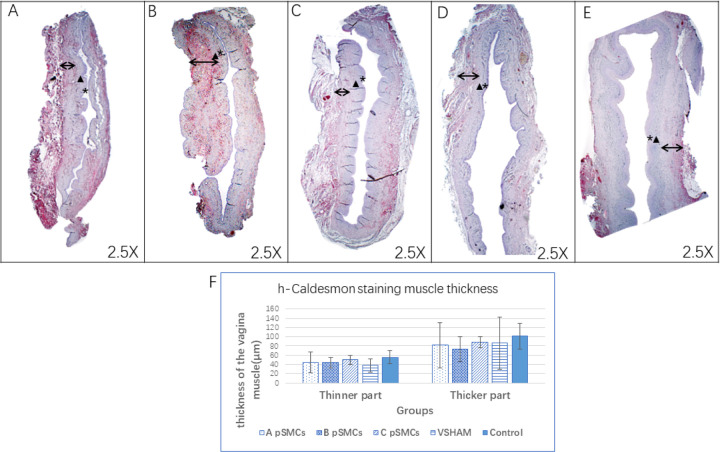 Figure 3
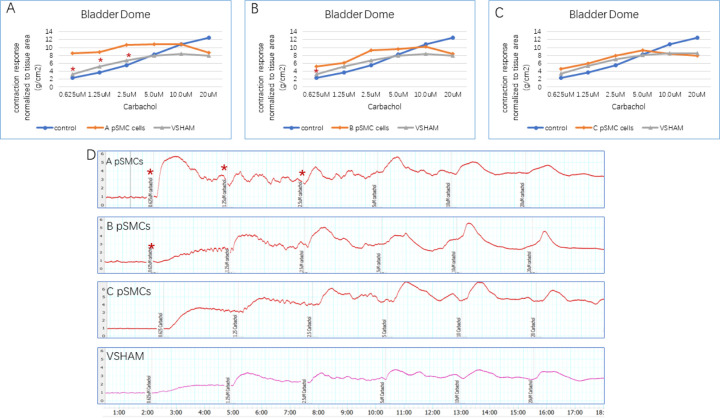 Figure 4
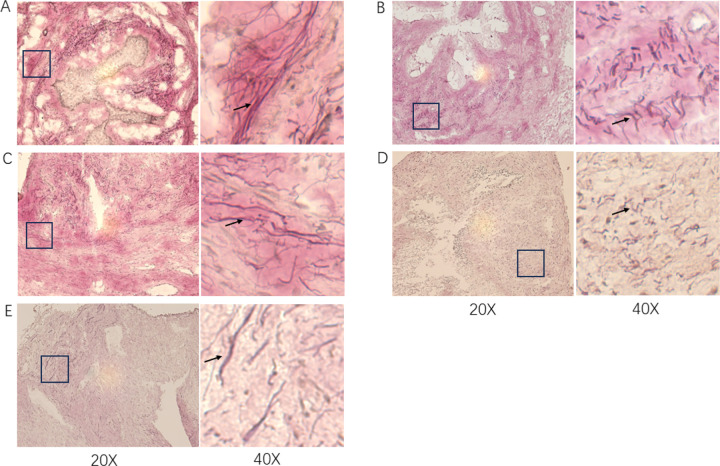 Figure 5
Peer Reviews
No public reviews on file for this paper yet. If you reviewed it on a platform where reviews are public (OpenReview, ICLR, NeurIPS, ICML), you can paste yours below so the community can read it here.
Videos
No videos yet. Explain this paper in a talk, walkthrough, or lecture? Add one.
Taxonomy
TopicsPelvic floor disorders treatments · Urological Disorders and Treatments · Bladder and Urothelial Cancer Treatments