A simple phylogenetic approach to analyze hypermutated HIV proviruses reveals insights into their dynamics and persistence during antiretroviral therapy
Aniqa Shahid, Bradley R. Jones, Maggie C. Duncan, Signe MacLennan, Michael J. Dapp, Mark H. Kuniholm, Bradley Aouizerat, Nancie M. Archin, Stephen Gange, Igho Ofotokun, Margaret A. Fischl, Seble Kassaye, Harris Goldstein, Kathryn Anastos, Jeffrey B. Joy, Zabrina L. Brumme

TL;DR
A new phylogenetic method helps understand how hypermutated HIV viruses persist during treatment, revealing they can last for decades and are seeded early after infection.
Contribution
A novel phylogenetic approach to analyze hypermutated HIV proviruses, enabling accurate molecular dating and insights into their persistence during ART.
Findings
Hypermutated proviruses span a wide age range, with some dating back to shortly after HIV infection.
Corrected phylogenetic trees produce integration date estimates consistent with benchmark trees excluding hypermutated sequences.
In some individuals, hypermutated proviruses differ in age distribution from env-intact ones, suggesting heterogeneous decay rates.
Abstract
Hypermutated proviruses, which arise in a single HIV replication cycle when host antiviral APOBEC3 proteins introduce extensive G-to-A mutations throughout the viral genome, persist in all people living with HIV receiving antiretroviral therapy (ART). But, the within-host evolutionary origins of hypermutated sequences are incompletely understood because phylogenetic inference algorithms, which assume that mutations gradually accumulate over generations, incorrectly reconstruct their ancestor-descendant relationships. Using > 1400 longitudinal single-genome-amplified HIV env-gp120 sequences isolated from six women over a median 18 years of follow-up − including plasma HIV RNA sequences collected over a median 9 years between seroconversion and ART initiation, and > 500 proviruses isolated over a median 9 years on ART − we evaluated three approaches for removing hypermutation from…
Genes, proteins, chemicals, diseases, species, mutations and cell lines named across the full text — each resolved to its canonical identifier and authoritative record.
Click any figure to enlarge with its caption.
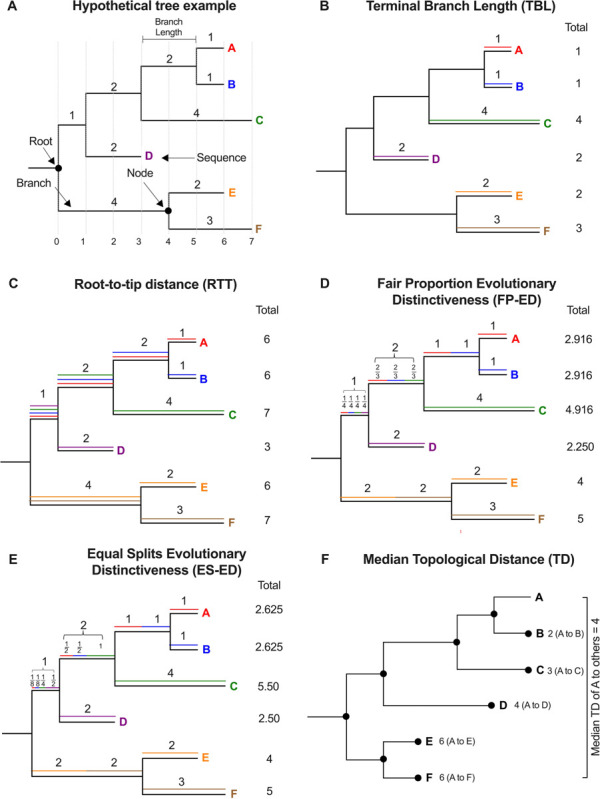 Figure 1
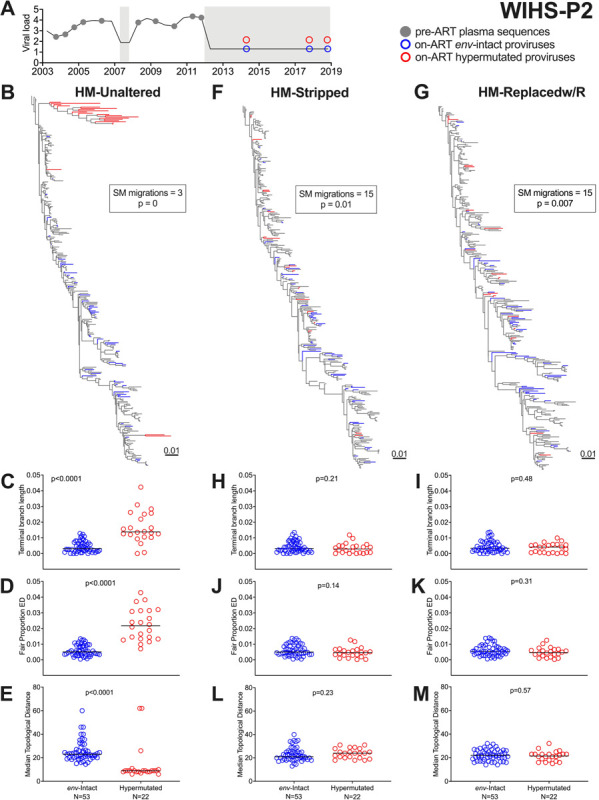 Figure 2
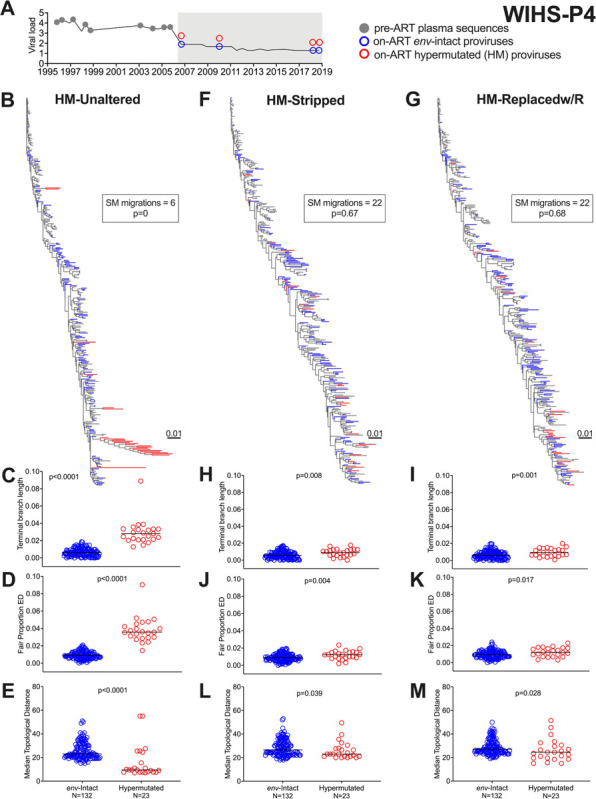 Figure 3
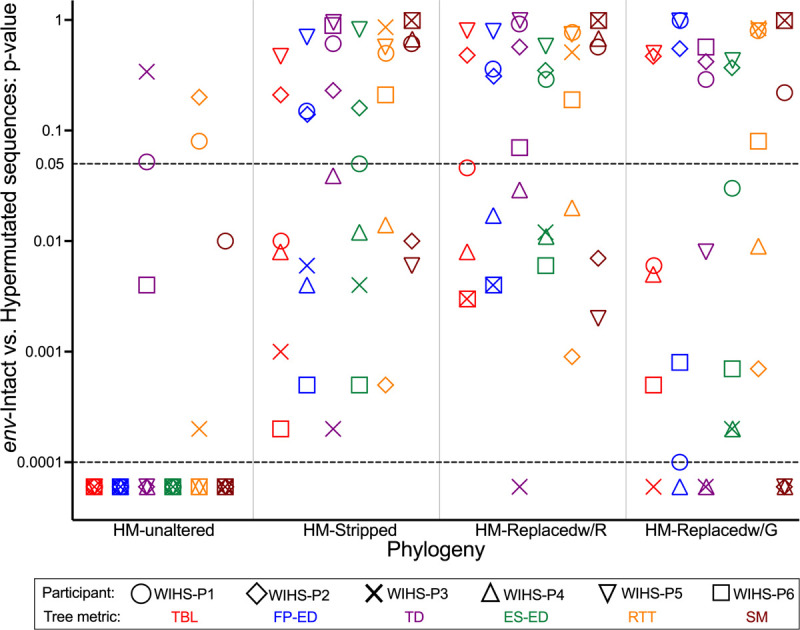 Figure 4
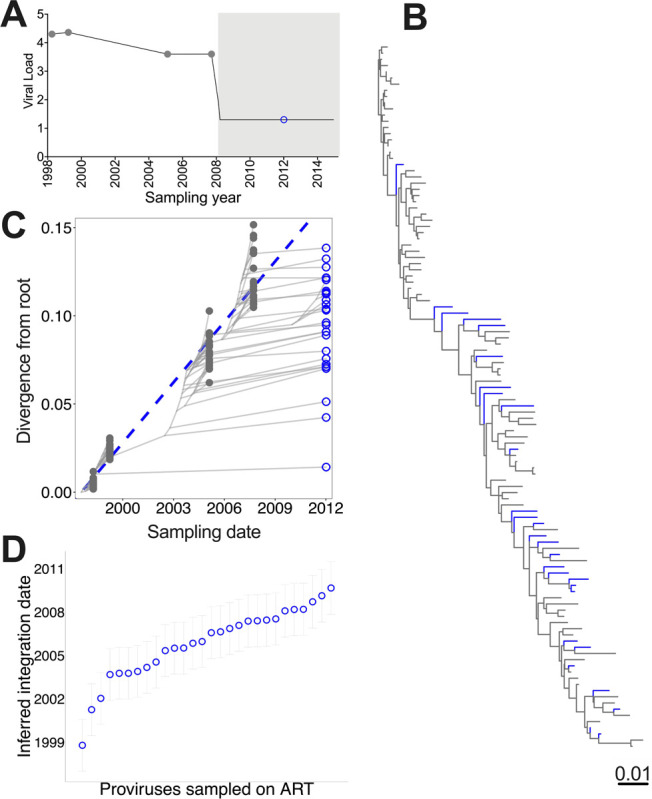 Figure 5
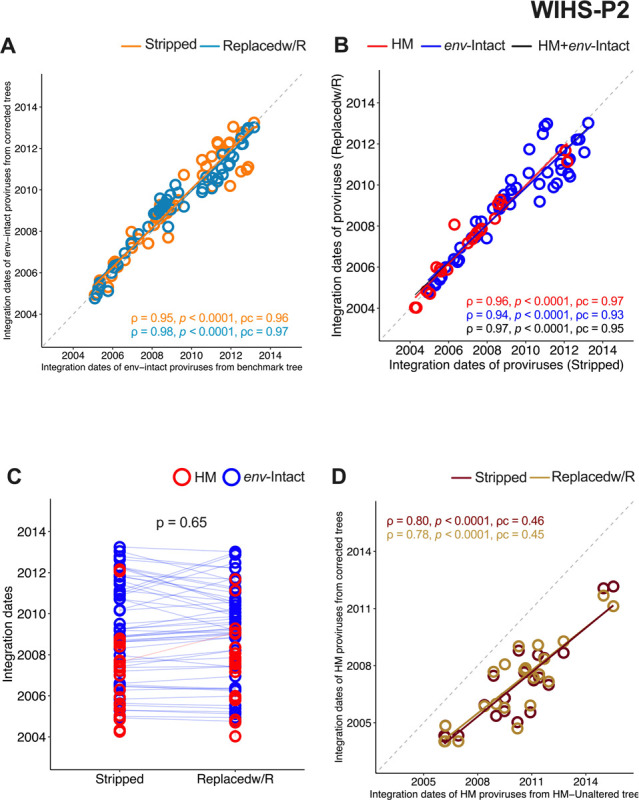 Figure 6
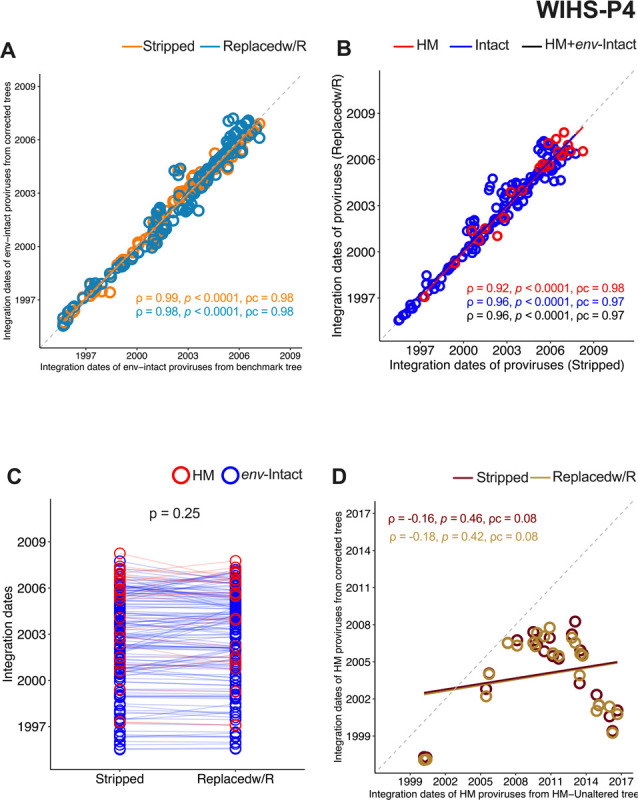 Figure 7
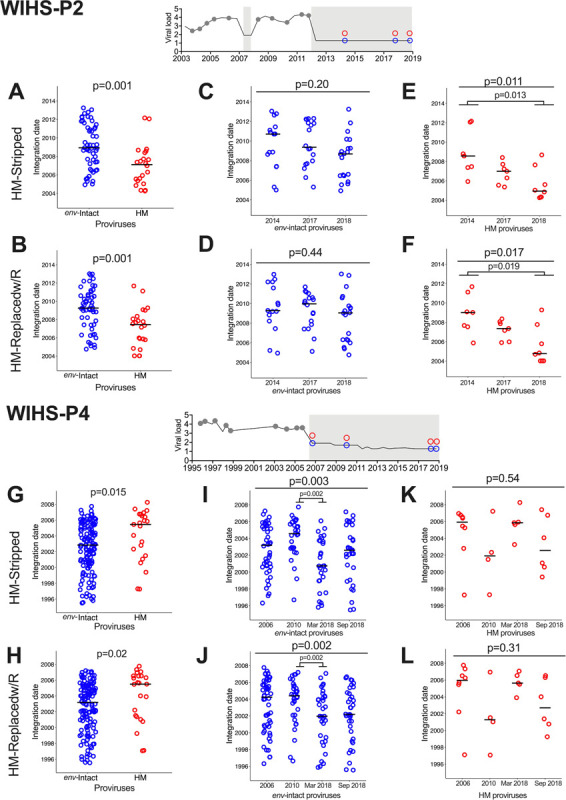 Figure 8
Peer Reviews
No public reviews on file for this paper yet. If you reviewed it on a platform where reviews are public (OpenReview, ICLR, NeurIPS, ICML), you can paste yours below so the community can read it here.
Videos
No videos yet. Explain this paper in a talk, walkthrough, or lecture? Add one.
Taxonomy
TopicsHIV Research and Treatment · HIV/AIDS drug development and treatment · Genomics and Phylogenetic Studies