High-Degree Atrioventricular Block and Torsades De Pointes in Severe Aortic Stenosis Treated With Transcatheter Aortic Valve Replacement
Victor H Molina-Lopez, Benjamin A Gonzalez Burgos, Porfirio E Diaz-Rodriguez, Antonio L Orraca-Gotay, Luis Rodriguez-Ospina, Ismael Ortiz Cartagena

TL;DR
This case report shows how severe aortic stenosis can lead to dangerous heart rhythm issues, emphasizing the need for careful management.
Contribution
The novelty lies in illustrating the clinical connection between severe aortic stenosis, high-degree AV block, and torsades de pointes.
Findings
Severe aortic stenosis can lead to high-degree AV block.
High-degree AV block may trigger torsades de pointes in patients with severe aortic stenosis.
Abstract
Severe aortic stenosis (AS) significantly elevates cardiovascular risk, predisposing patients to high-degree atrioventricular (AV) block and life-threatening tachyarrhythmias, including torsades de pointes (TdP). This case report presents a patient with severe AS who developed high-degree AV block and, subsequently, TdP, highlighting the interplay between bradycardia and mechanisms that trigger ventricular tachycardias. The case underscores the importance of identifying and managing these risk factors to improve patient outcomes.
Genes, proteins, chemicals, diseases, species, mutations and cell lines named across the full text — each resolved to its canonical identifier and authoritative record.
Click any figure to enlarge with its caption.
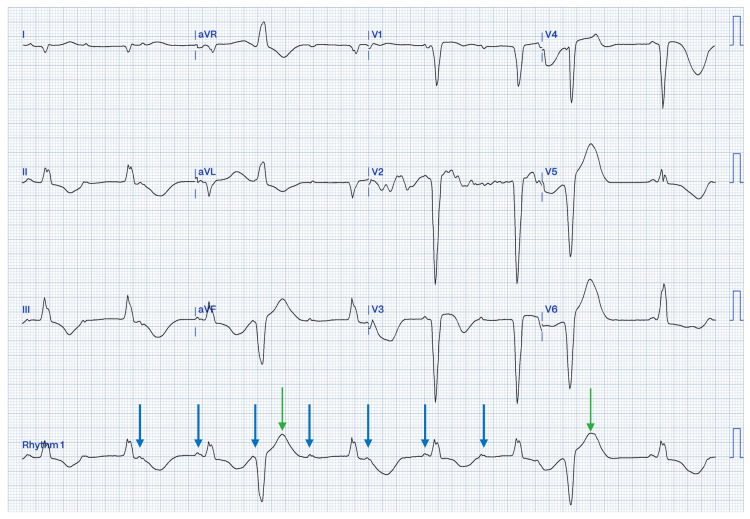 Figure 1
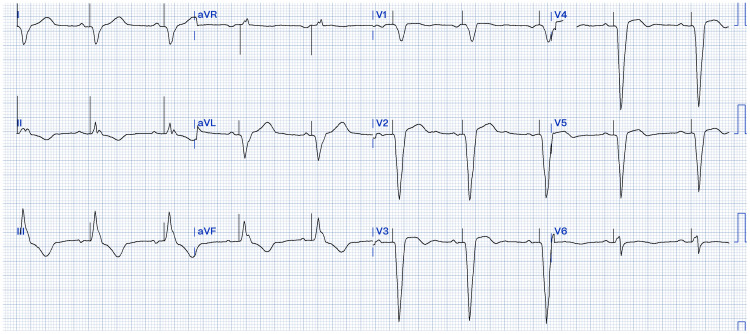 Figure 2
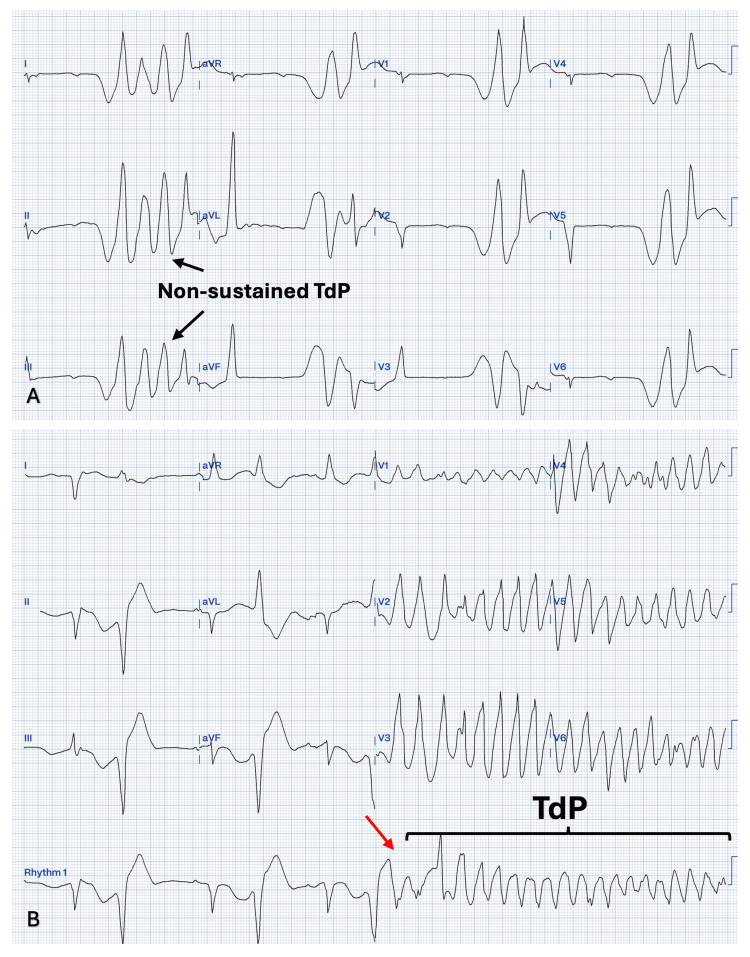 Figure 3
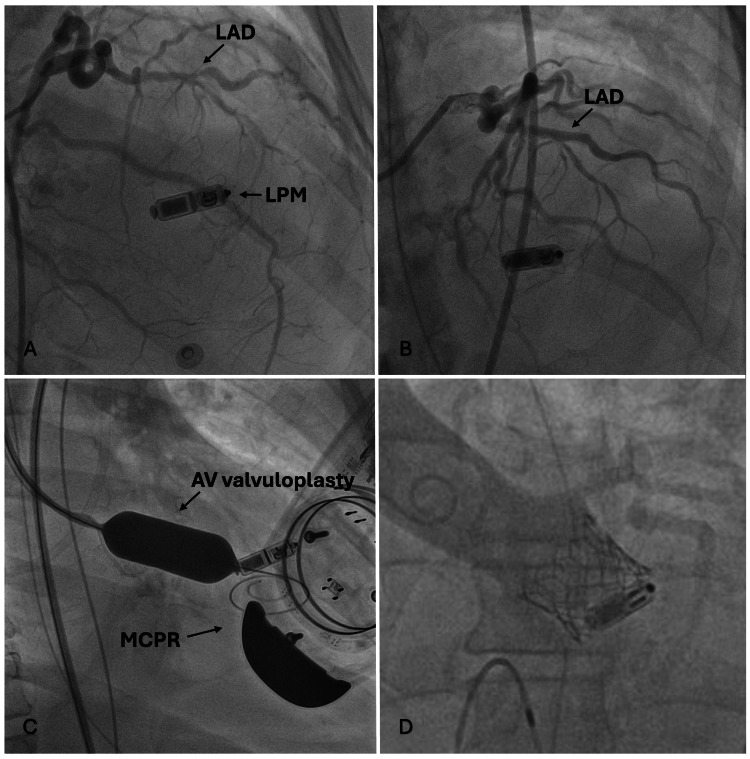 Figure 4
Peer Reviews
No public reviews on file for this paper yet. If you reviewed it on a platform where reviews are public (OpenReview, ICLR, NeurIPS, ICML), you can paste yours below so the community can read it here.
Videos
No videos yet. Explain this paper in a talk, walkthrough, or lecture? Add one.
Taxonomy
TopicsCardiac Valve Diseases and Treatments · Cardiac Imaging and Diagnostics · Cardiac pacing and defibrillation studies