Duodenal‐jejunal bypass surgery activates eNOS and enhances antioxidant system by activating AMPK pathway to improve heart oxidative stress in diabetic cardiomyopathy rats
Guangwei Yang, Zitian Liu, Shuohui Dong, Xiang Zhao, Zheng Ge, Zhiqiang Cheng, Xiang Zhang, Kexin Wang

TL;DR
Duodenal-jejunal bypass surgery improves heart oxidative stress in diabetic rats by activating the AMPK pathway, which enhances the antioxidant system and eNOS activity.
Contribution
The study reveals that DJB surgery improves heart oxidative stress in diabetic rats via the AMPK pathway, not just by lowering blood glucose.
Findings
DJB activates the AMPK pathway, increasing eNOS phosphorylation and antioxidant system activity in diabetic rats.
AMPK activation by DJB reduces oxidative stress in heart tissue and H9C2 cells.
Improvement is not solely due to blood glucose reduction but involves AMPK-mediated mechanisms.
Abstract
Diabetic cardiomyopathy is a serious complication of obesity with type 2 diabetes and is a major cause of mortality. Metabolic surgery, such as duodenal‐jejunal bypass (DJB), can effectively improve diabetic cardiomyopathy; however, the underlying mechanisms remain elusive. Oxidative stress is one of the pivotal mechanisms of diabetic cardiomyopathy. Our objective was to investigate the effect and potential mechanisms of DJB on oxidative stress in the heart of diabetic cardiomyopathy rats. High‐fat diet combined with intraperitoneal injection of streptozotocin was used to establish diabetic cardiomyopathy rats. DJB was performed on diabetic cardiomyopathy rats, and high glucose and palmitate were used to simulate diabetic cardiomyopathy in H9C2 cells in vitro. Sera from different groups of rats were used for experiments in vivo and in vitro. DJB effectively improved oxidative stress…
Genes, proteins, chemicals, diseases, species, mutations and cell lines named across the full text — each resolved to its canonical identifier and authoritative record.
Click any figure to enlarge with its caption.
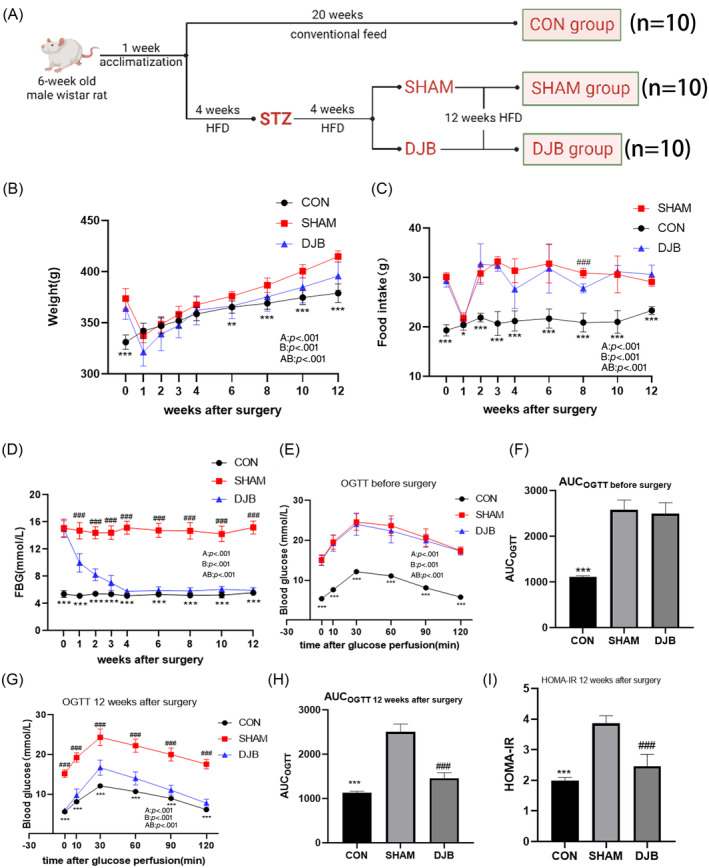 Figure 1
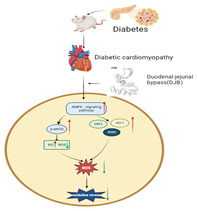 Figure 2
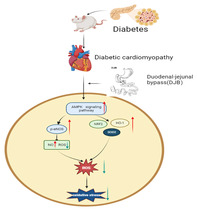 Figure 3
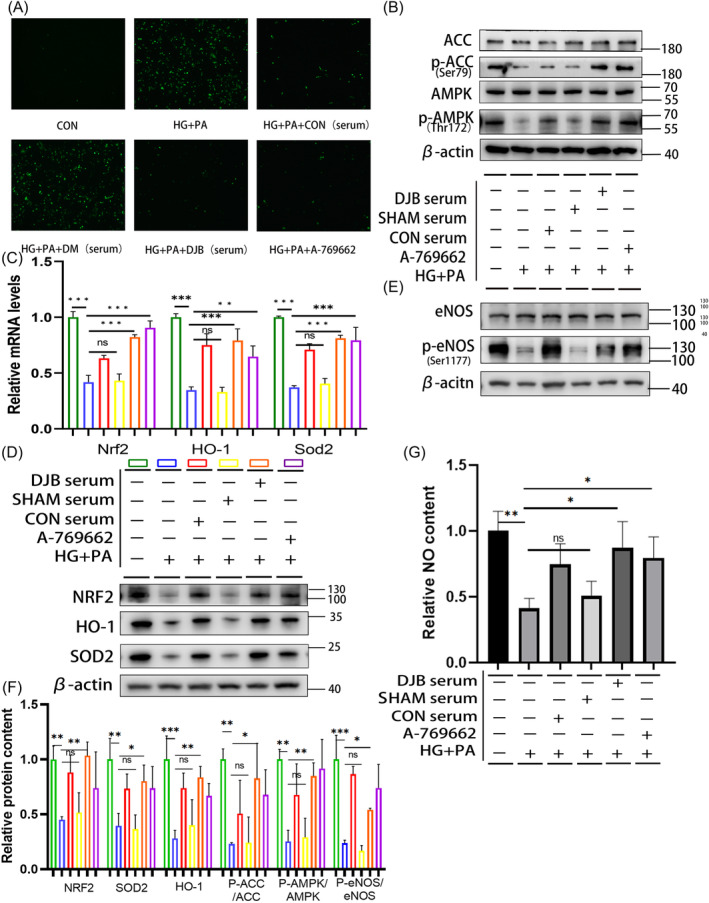 Figure 4
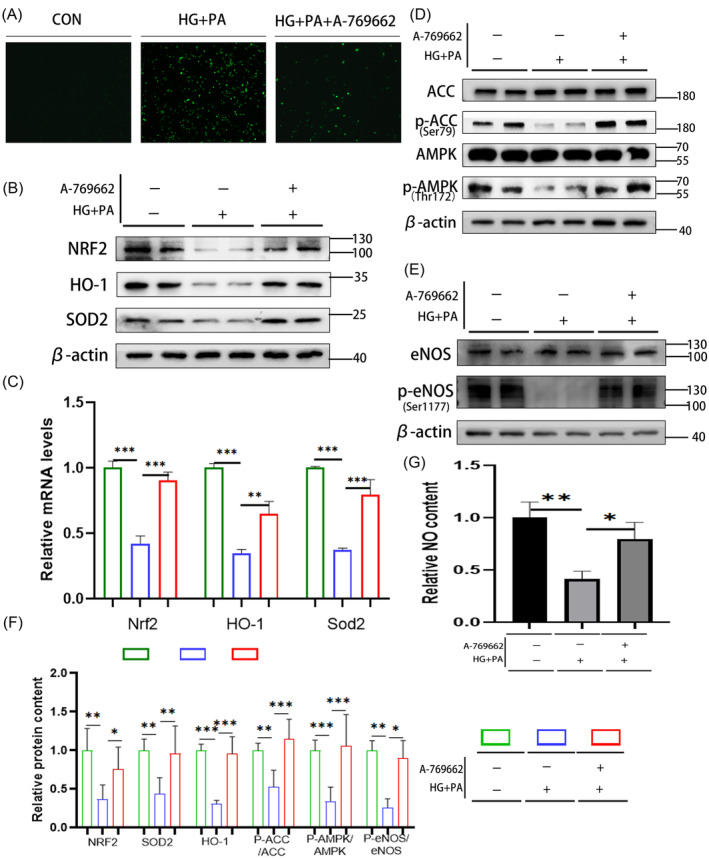 Figure 5
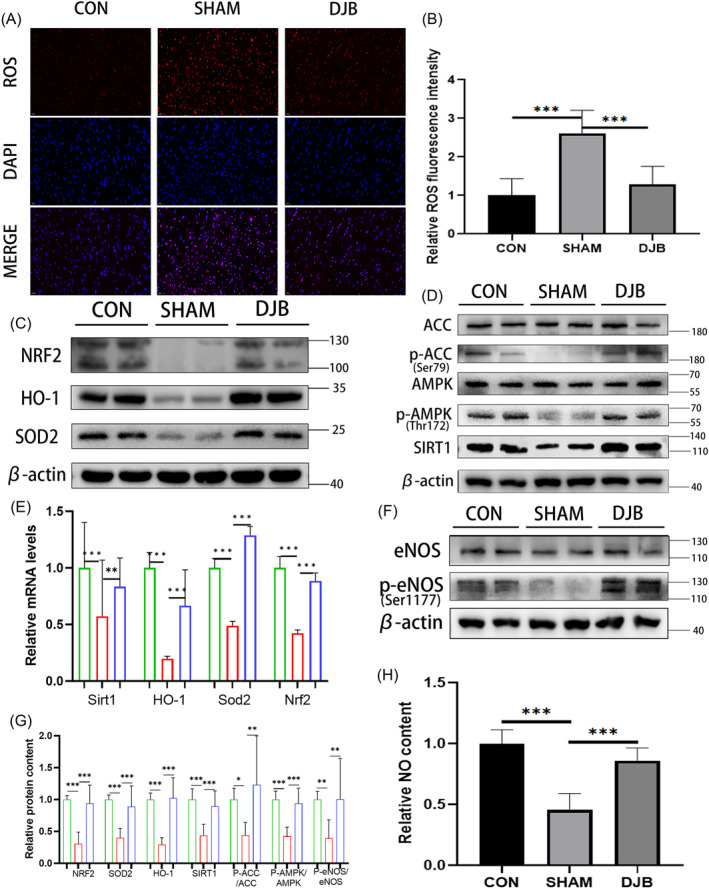 Figure 6
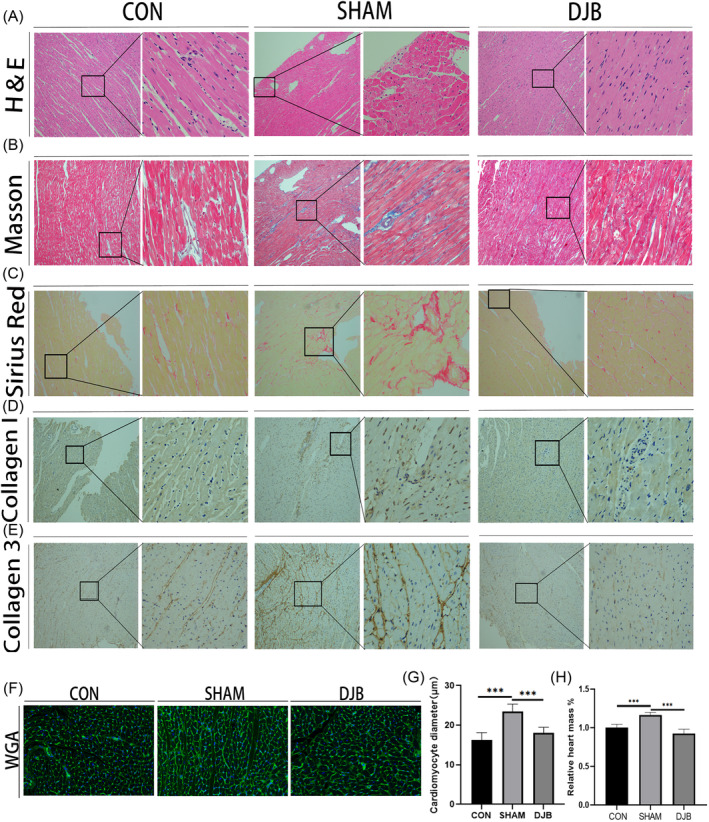 Figure 7
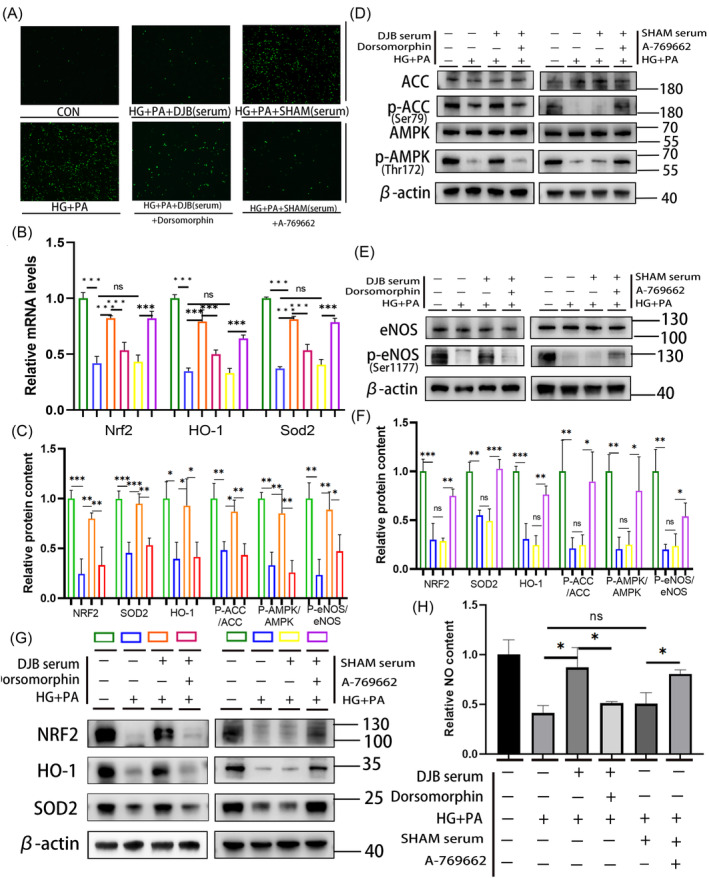 Figure 8
Peer Reviews
No public reviews on file for this paper yet. If you reviewed it on a platform where reviews are public (OpenReview, ICLR, NeurIPS, ICML), you can paste yours below so the community can read it here.
Videos
No videos yet. Explain this paper in a talk, walkthrough, or lecture? Add one.
Taxonomy
TopicsHealth, Education, and Physical Culture