Transverse Colon Volvulus Secondary to the Persistent Descending Mesocolon: A Case Report
Jumpei Shibata, Akihiro Tomida, Masaoki Hattori, Motoi Yoshihara

TL;DR
This case report describes a rare instance of transverse colon volvulus caused by a congenital condition called persistent descending mesocolon in an 18-year-old woman.
Contribution
The paper highlights the under-recognized role of persistent descending mesocolon in causing recurrent transverse colon volvulus and surgical complications.
Findings
An 18-year-old female with a history of coarctation of the aorta and anal atresia experienced recurrent transverse colon volvulus due to persistent descending mesocolon.
Laparoscopic surgery revealed a medially positioned descending colon, and the patient faced postoperative anastomotic failure requiring a second operation.
The case emphasizes the importance of identifying persistent descending mesocolon to prevent complications like recurrent volvulus and surgical failure.
Abstract
This case report introduces a rare occurrence of transverse colon volvulus associated with persistent descending mesocolon (PDM), a congenital anomaly characterized by the medial positioning of the descending colon due to a failed fusion with the dorsal abdominal wall. We detail the case of an 18-year-old female, with a medical history of surgically corrected coarctation of the aorta and anal atresia, who presented with recurrent transverse colon volvulus despite having undergone a laparoscopic colopexy three years earlier. Physical examination revealed abdominal distension and metallic colic sounds while imaging studies confirmed the recurrence of the volvulus. Laparoscopic partial resection of the transverse colon was performed, which revealed a medially positioned descending colon due to PDM. Postoperative complications included anastomotic failure, necessitating a second operation.…
Genes, proteins, chemicals, diseases, species, mutations and cell lines named across the full text — each resolved to its canonical identifier and authoritative record.
Click any figure to enlarge with its caption.
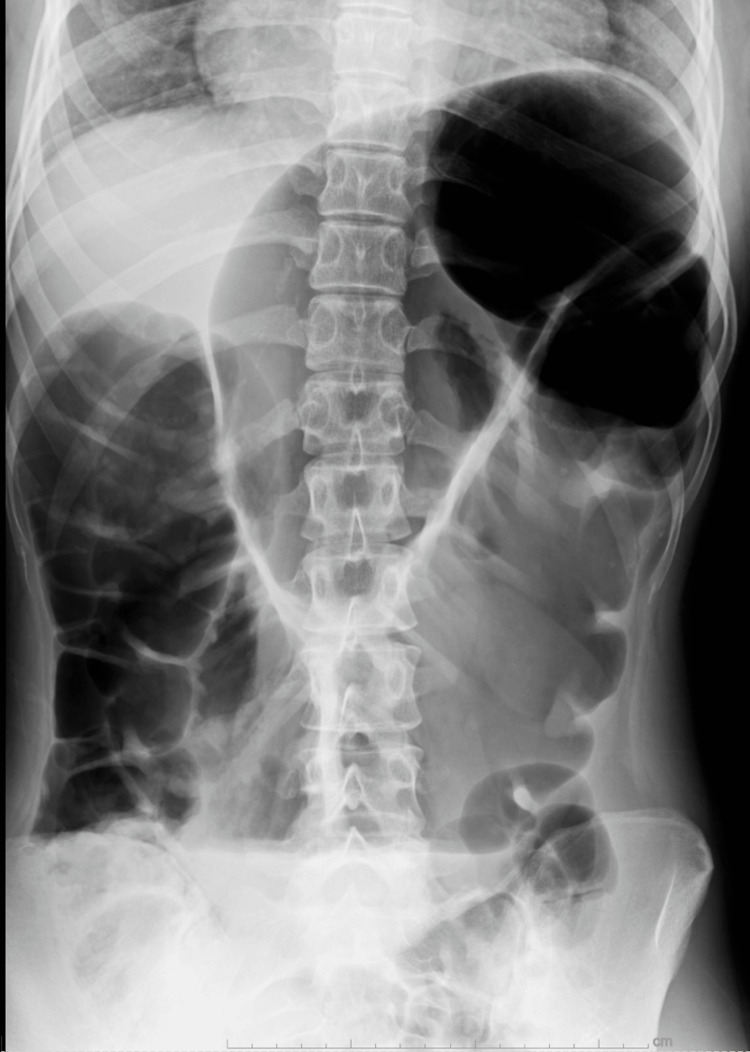 Figure 1
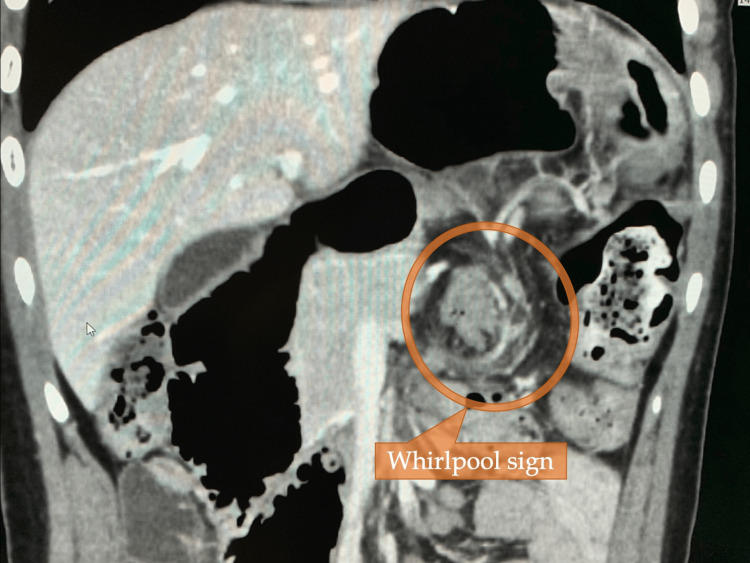 Figure 2
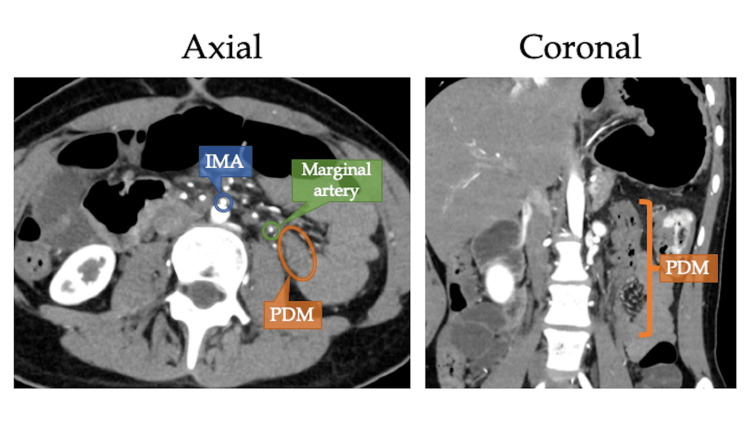 Figure 3
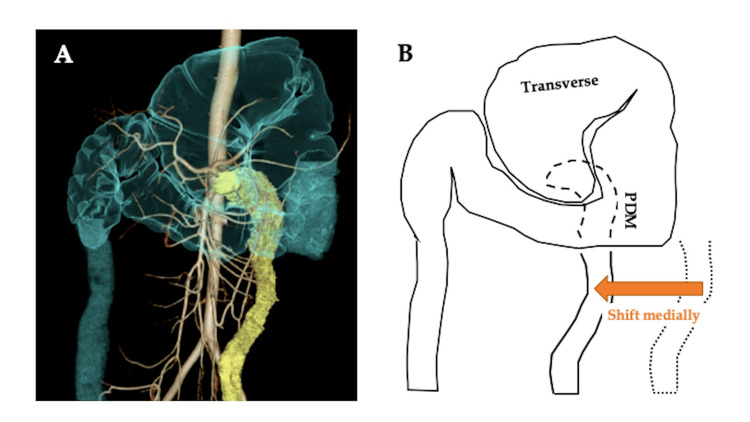 Figure 4
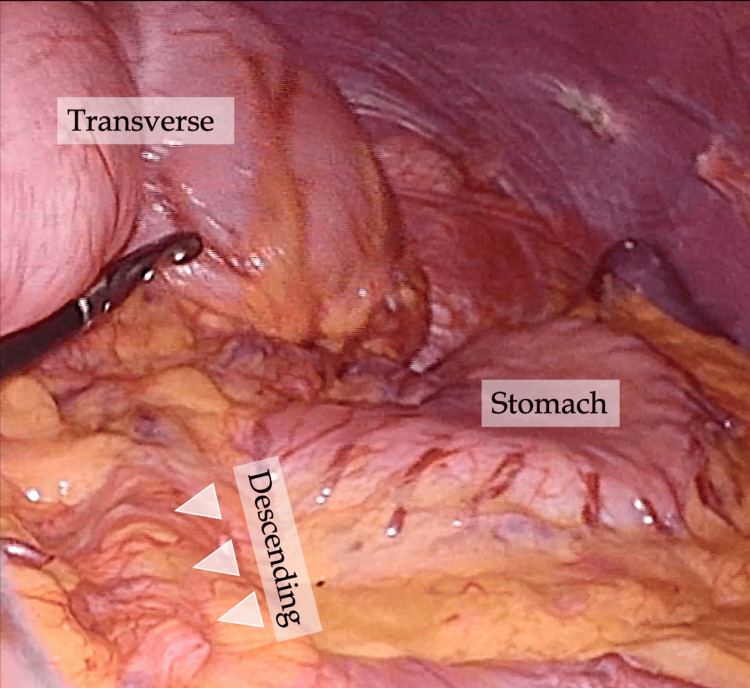 Figure 5
Peer Reviews
No public reviews on file for this paper yet. If you reviewed it on a platform where reviews are public (OpenReview, ICLR, NeurIPS, ICML), you can paste yours below so the community can read it here.
Videos
No videos yet. Explain this paper in a talk, walkthrough, or lecture? Add one.
Taxonomy
TopicsIntestinal Malrotation and Obstruction Disorders · Esophageal and GI Pathology · Gastrointestinal disorders and treatments