Imaging of colorectal adenomas with pseudoinvasion and malignant polyps using two-photon excitation microscopy
Maria-Alexandra Florea, Lucian George Eftimie, Remus Relu Glogojeanu, Radu Hristu, George A. Stanciu, Mariana Costache

TL;DR
This study uses two-photon excitation microscopy to distinguish between malignant polyps and those with pseudoinvasion in colorectal cancer.
Contribution
The paper introduces TPEM as a novel method to visualize stromal changes and differentiate true invasion from pseudoinvasion in colorectal polyps.
Findings
TPEM images showed distinct collagen distribution and density at the invasion front in malignant polyps.
TPEM can help distinguish true invasion from pseudoinvasion by visualizing local stromal changes.
Subjective and quantitative analyses confirmed differences in collagen patterns between malignant and pseudoinvasive polyps.
Abstract
Although the incidence and mortality rates of colorectal cancer exhibit significant variability, it remains one of the most prevalent cancers worldwide. Endeavors to prevent colorectal cancer development focus on detecting precursor lesions during colonoscopy. The diagnosis of endoscopically resected polyps relies on hematoxylin and eosin staining examination. For challenging cases like adenomatous polyps with epithelial misplacement, additional diagnostic methods could prove beneficial. This paper aims to underscore stromal changes observed in malignant polyps and polyps with pseudoinvasion, leveraging two-photon excitation microscopy (TPEM), a technique extensively employed in the medical field in recent years. Both the subjective and quantitative analysis of TPEM images revealed distinct distributions and densities of collagen at the invasion front in malignant polyps compared to…
Genes, proteins, chemicals, diseases, species, mutations and cell lines named across the full text — each resolved to its canonical identifier and authoritative record.
Click any figure to enlarge with its caption.
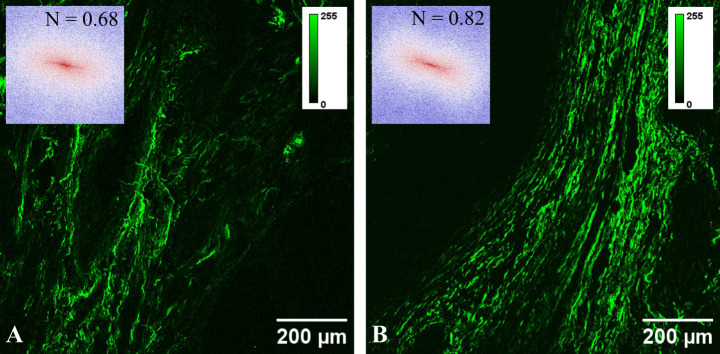 Figure 1
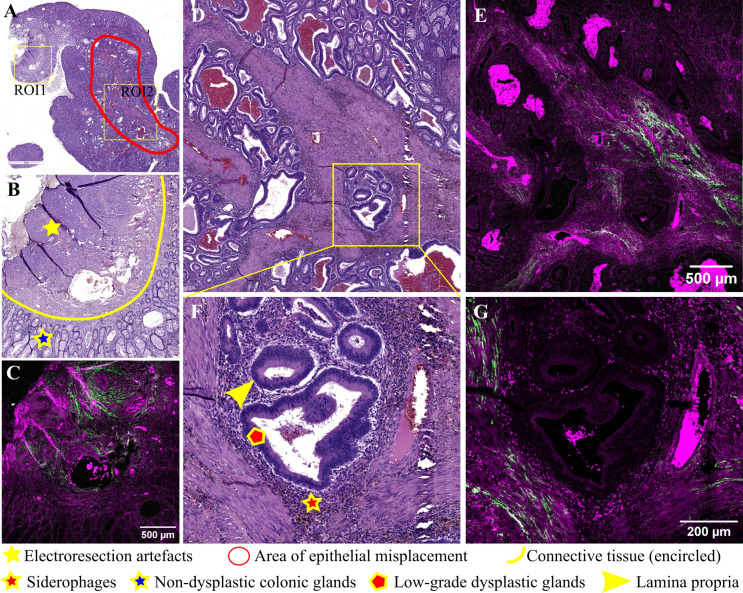 Figure 2
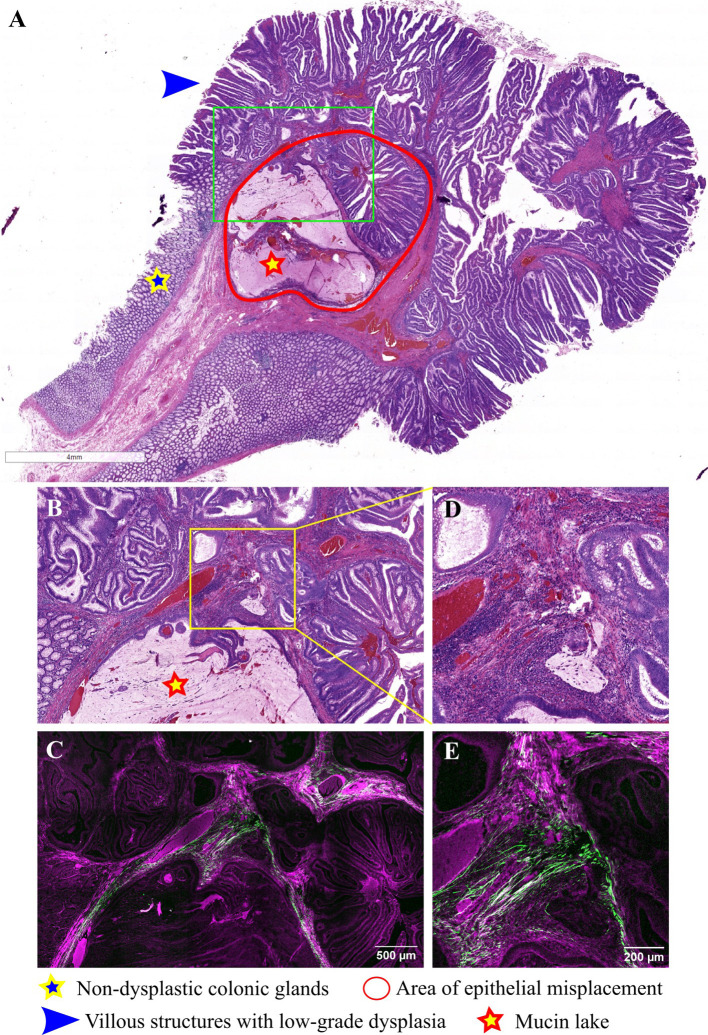 Figure 3
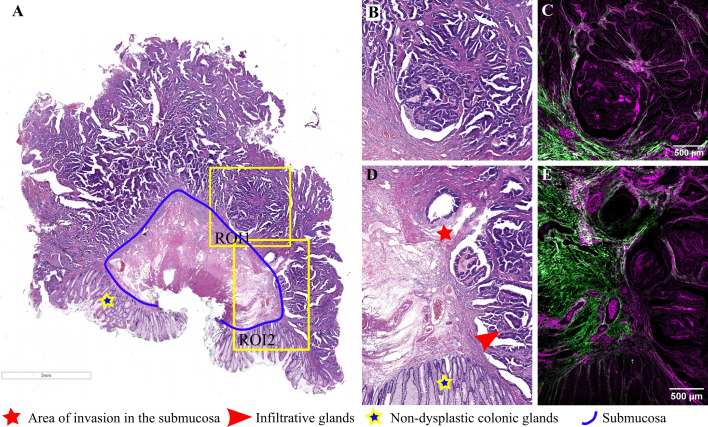 Figure 4
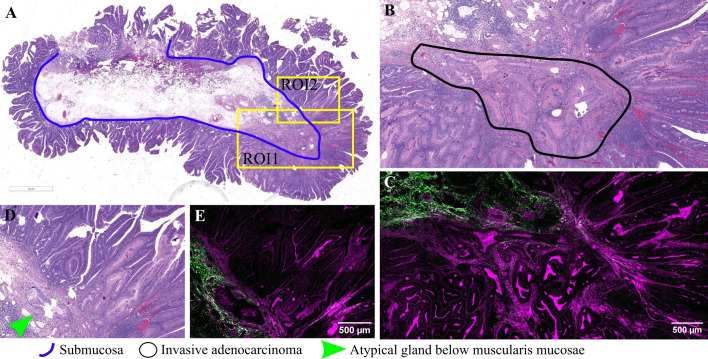 Figure 5
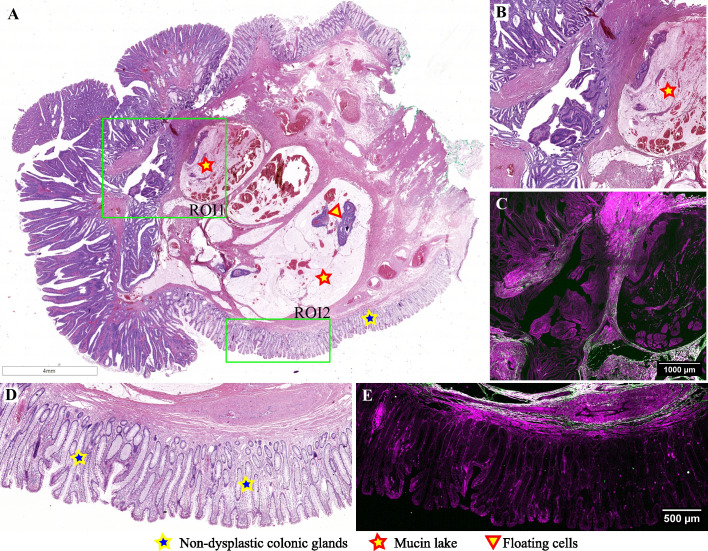 Figure 6
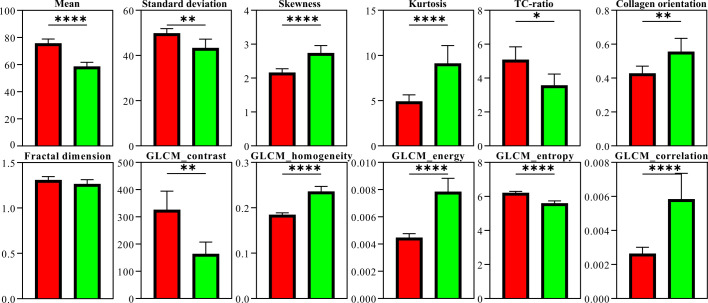 Figure 7
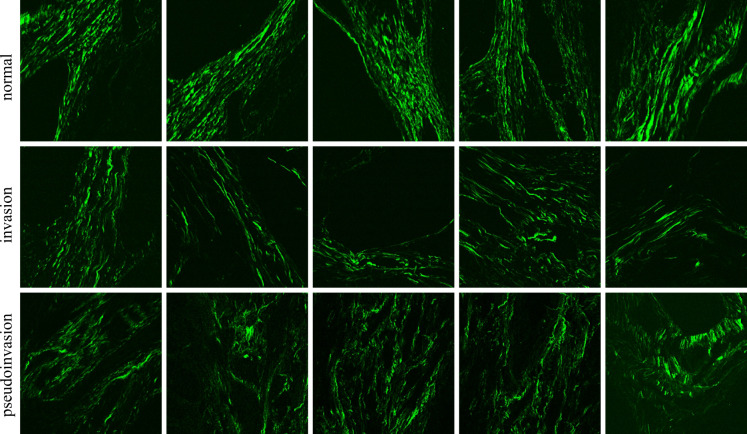 Figure 8
Peer Reviews
No public reviews on file for this paper yet. If you reviewed it on a platform where reviews are public (OpenReview, ICLR, NeurIPS, ICML), you can paste yours below so the community can read it here.
Videos
No videos yet. Explain this paper in a talk, walkthrough, or lecture? Add one.
Taxonomy
TopicsMolecular Biology Techniques and Applications · Colorectal Cancer Surgical Treatments · Colorectal Cancer Screening and Detection