Electrophysiological Profile of Different Antiviral Therapies in a Rabbit Whole-Heart Model
Julian Wolfes, Lina Kirchner, Florian Doldi, Felix Wegner, Benjamin Rath, Lars Eckardt, Christian Ellermann, Gerrit Frommeyer

TL;DR
This study evaluates the heart risks of antiviral drugs used for COVID-19 in rabbit hearts, finding that some treatments increase arrhythmia risk.
Contribution
The study provides new electrophysiological data on the cardiotoxic effects of antiviral therapies in an isolated rabbit heart model.
Findings
Hydroxychloroquine and azithromycin significantly increased proarrhythmic potential through action potential prolongation.
Lopinavir and remdesivir caused less pronounced electrophysiological changes compared to hydroxychloroquine-based therapies.
Remdesivir significantly reduced ventricular escape rhythm rate, consistent with reported bradycardic events.
Abstract
Antiviral therapies for treatment of COVID-19 may be associated with significant proarrhythmic potential. In the present study, the potential cardiotoxic side effects of these therapies were evaluated using a Langendorff model of the isolated rabbit heart. 51 hearts of female rabbits were retrogradely perfused, employing a Langendorff-setup. Eight catheters were placed endo- and epicardially to perform an electrophysiology study, thus obtaining cycle length-dependent action potential duration at 90% of repolarization (APD90), QT intervals and dispersion of repolarization. After generating baseline data, the hearts were assigned to four groups: In group 1 (HXC), hearts were treated with 1 µM hydroxychloroquine. Thereafter, 3 µM hydroxychloroquine were infused additionally. Group 2 (HXC + AZI) was perfused with 3 µM hydroxychloroquine followed by 150 µM azithromycin. In group 3 (LOP) the…
Genes, proteins, chemicals, diseases, species, mutations and cell lines named across the full text — each resolved to its canonical identifier and authoritative record.
Click any figure to enlarge with its caption.
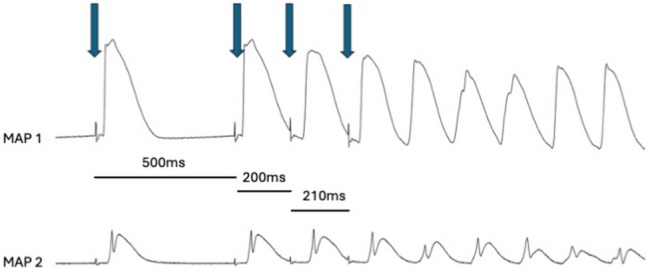 Figure 1
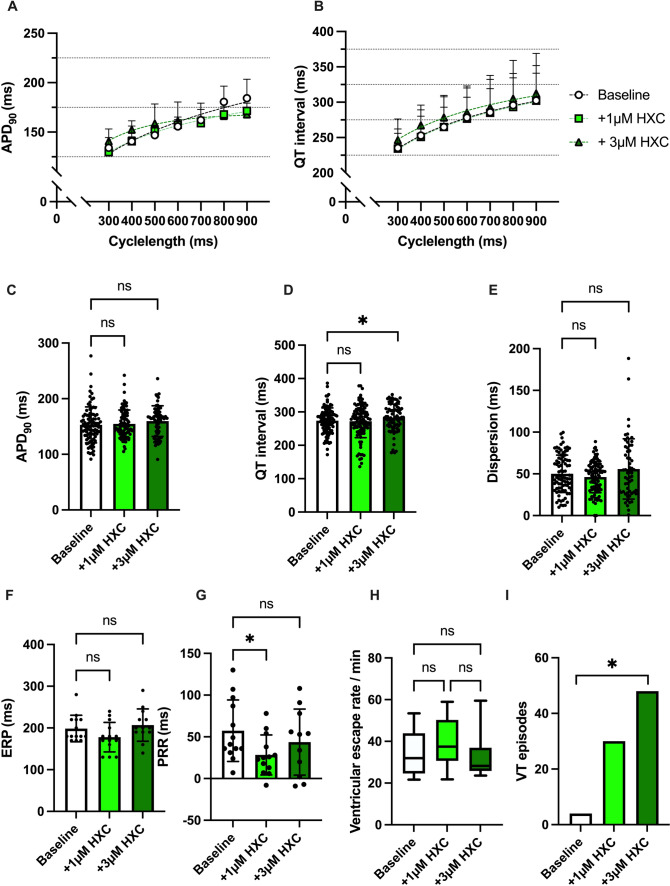 Figure 2
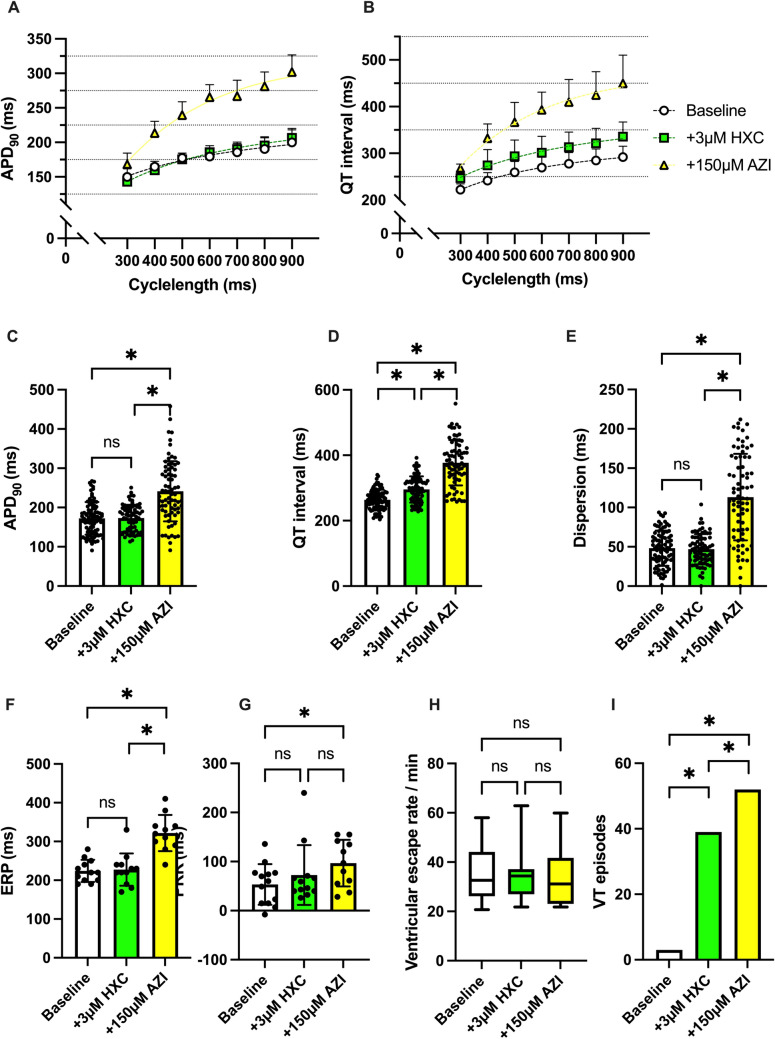 Figure 3
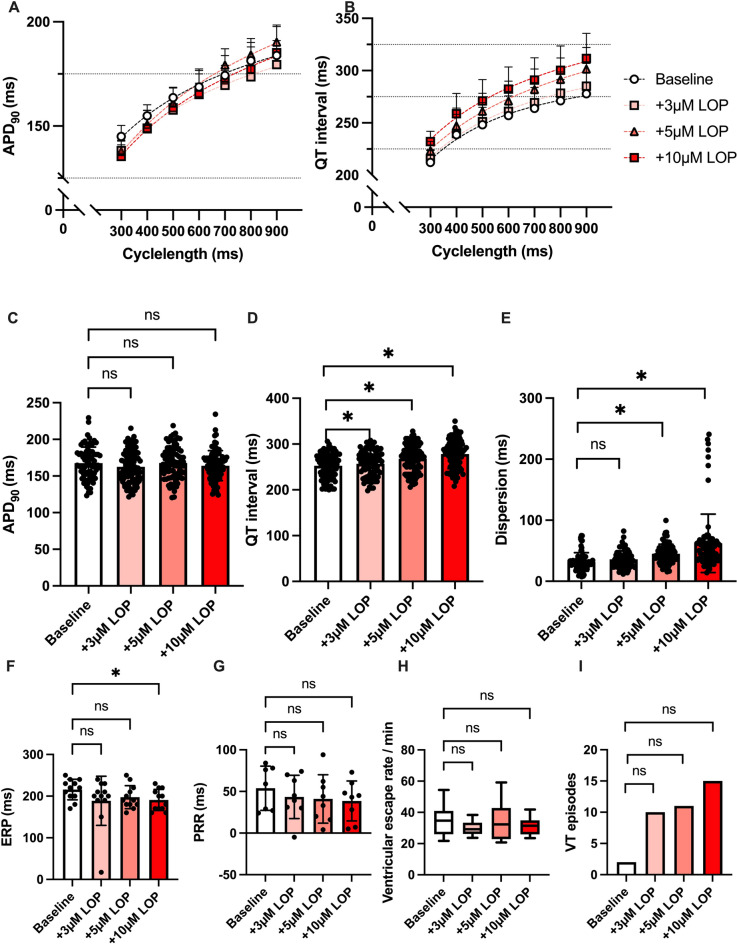 Figure 4
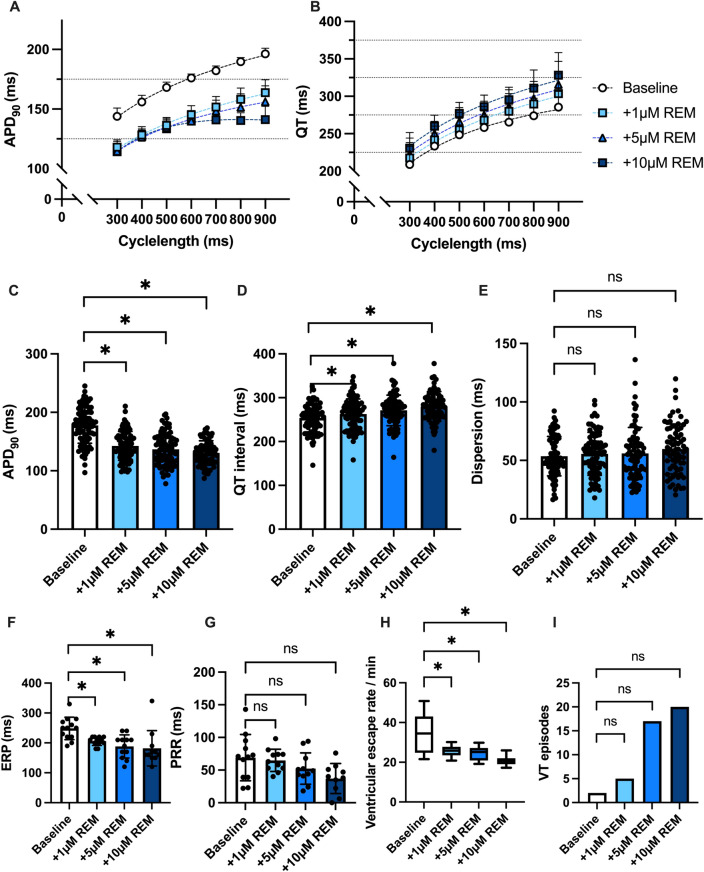 Figure 5
Peer Reviews
No public reviews on file for this paper yet. If you reviewed it on a platform where reviews are public (OpenReview, ICLR, NeurIPS, ICML), you can paste yours below so the community can read it here.
Videos
No videos yet. Explain this paper in a talk, walkthrough, or lecture? Add one.
Taxonomy
TopicsRobotics and Automated Systems · Advanced Optical Sensing Technologies · Hand Gesture Recognition Systems