Visualizing Fluid Flows via Regularized Optimal Mass Transport with Applications to Neuroscience
Xinan Chen, Anh Phong Tran, Rena Elkin, Helene Benveniste, Allen R. Tannenbaum

TL;DR
This paper introduces a modified computational method for visualizing fluid flows in the brain's glymphatic system using regularized optimal mass transport.
Contribution
A modified numerical method for regularized optimal mass transport that significantly reduces computational runtime.
Findings
The modified rOMT method enables efficient visualization of fluid flows in the glymphatic system.
The method shows promising results on both synthetic and real data.
Computational runtime is significantly reduced compared to previous approaches.
Abstract
The regularized optimal mass transport (rOMT) problem adds a diffusion term to the continuity equation in the original dynamic formulation of the optimal mass transport (OMT) problem proposed by Benamou and Brenier. We show that the rOMT model serves as a powerful tool in computational fluid dynamics for visualizing fluid flows in the glymphatic system. In the present work, we describe how to modify the previous numerical method for efficient implementation, resulting in a significant reduction in computational runtime. Numerical results applied to synthetic and real-data are provided.
Genes, proteins, chemicals, diseases, species, mutations and cell lines named across the full text — each resolved to its canonical identifier and authoritative record.
Click any figure to enlarge with its caption.
 Figure 1
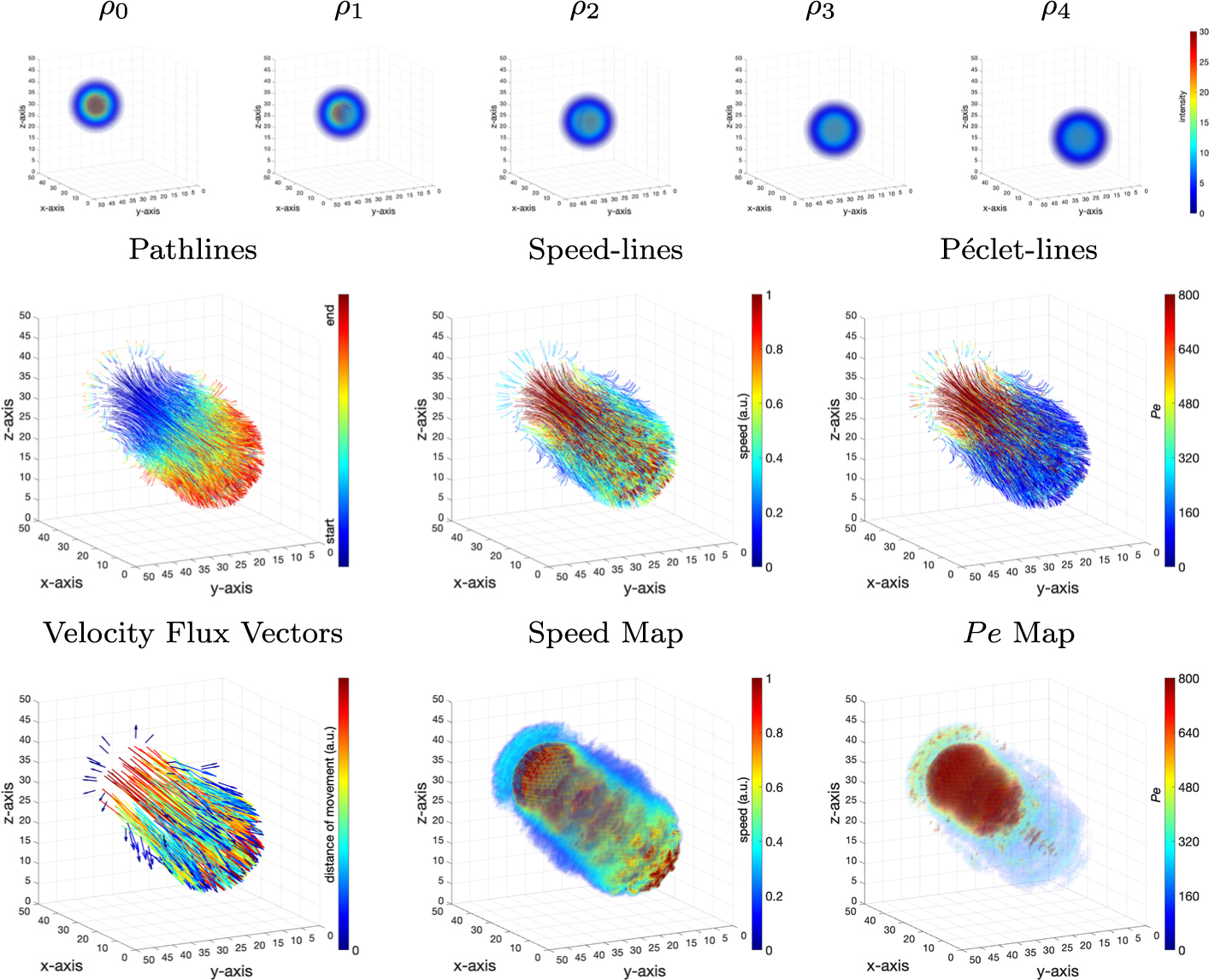 Figure 2
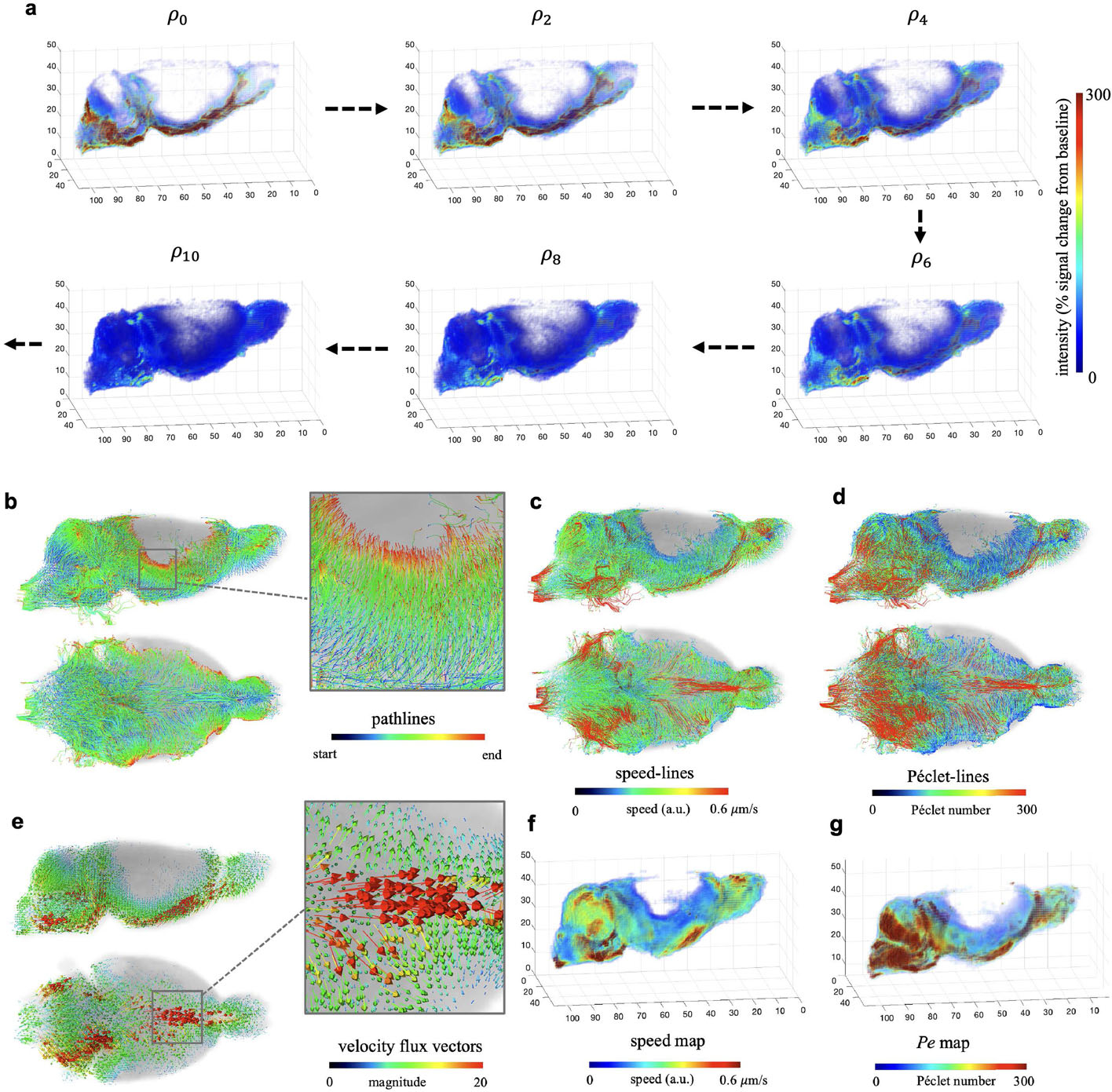 Figure 3
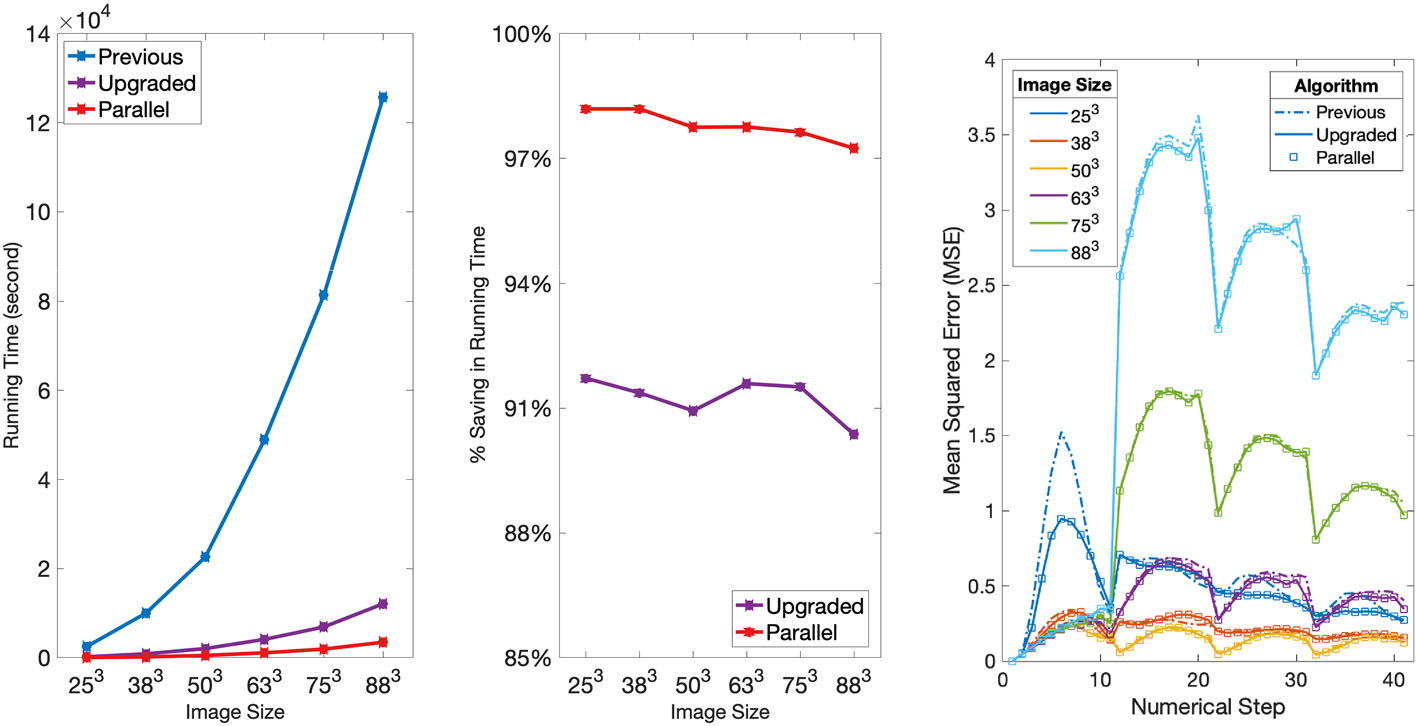 Figure 4
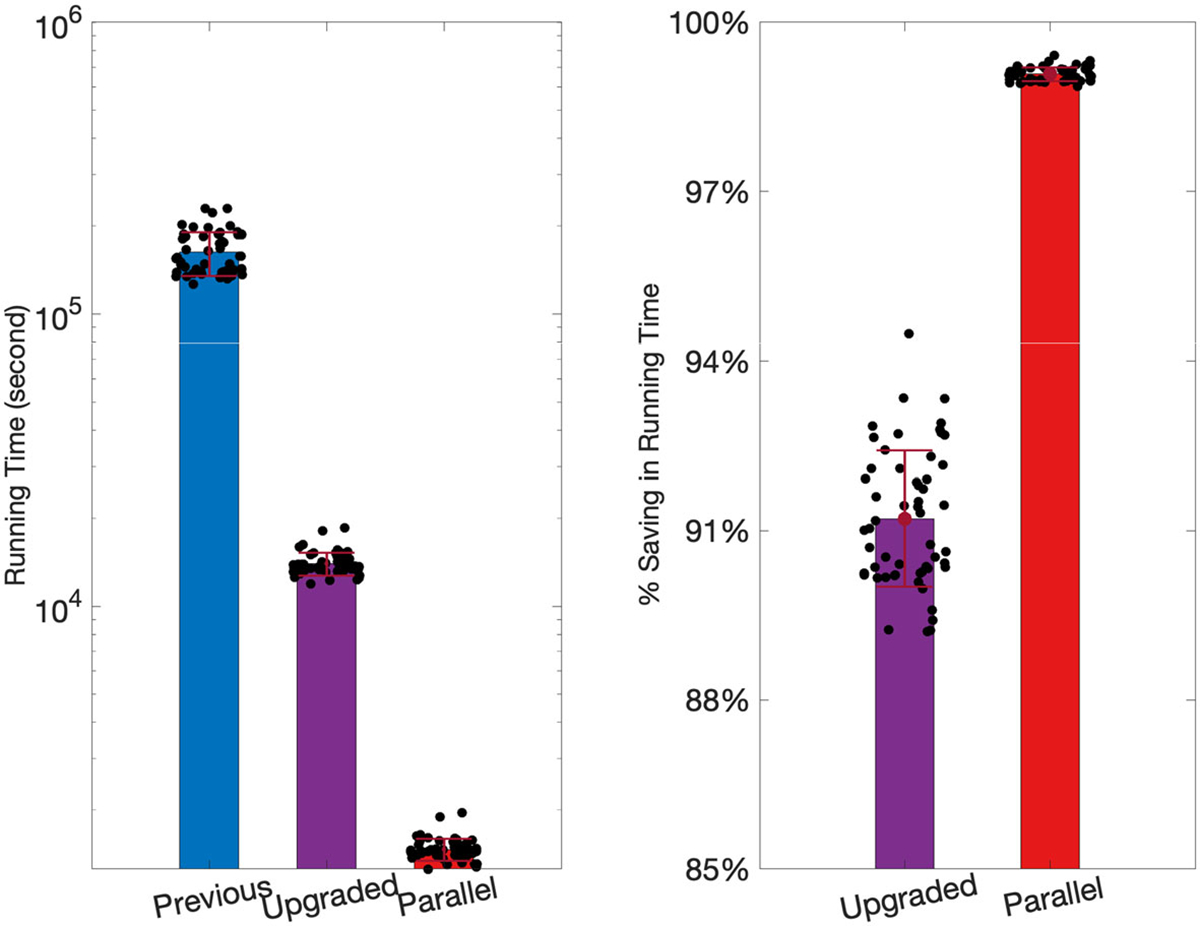 Figure 5
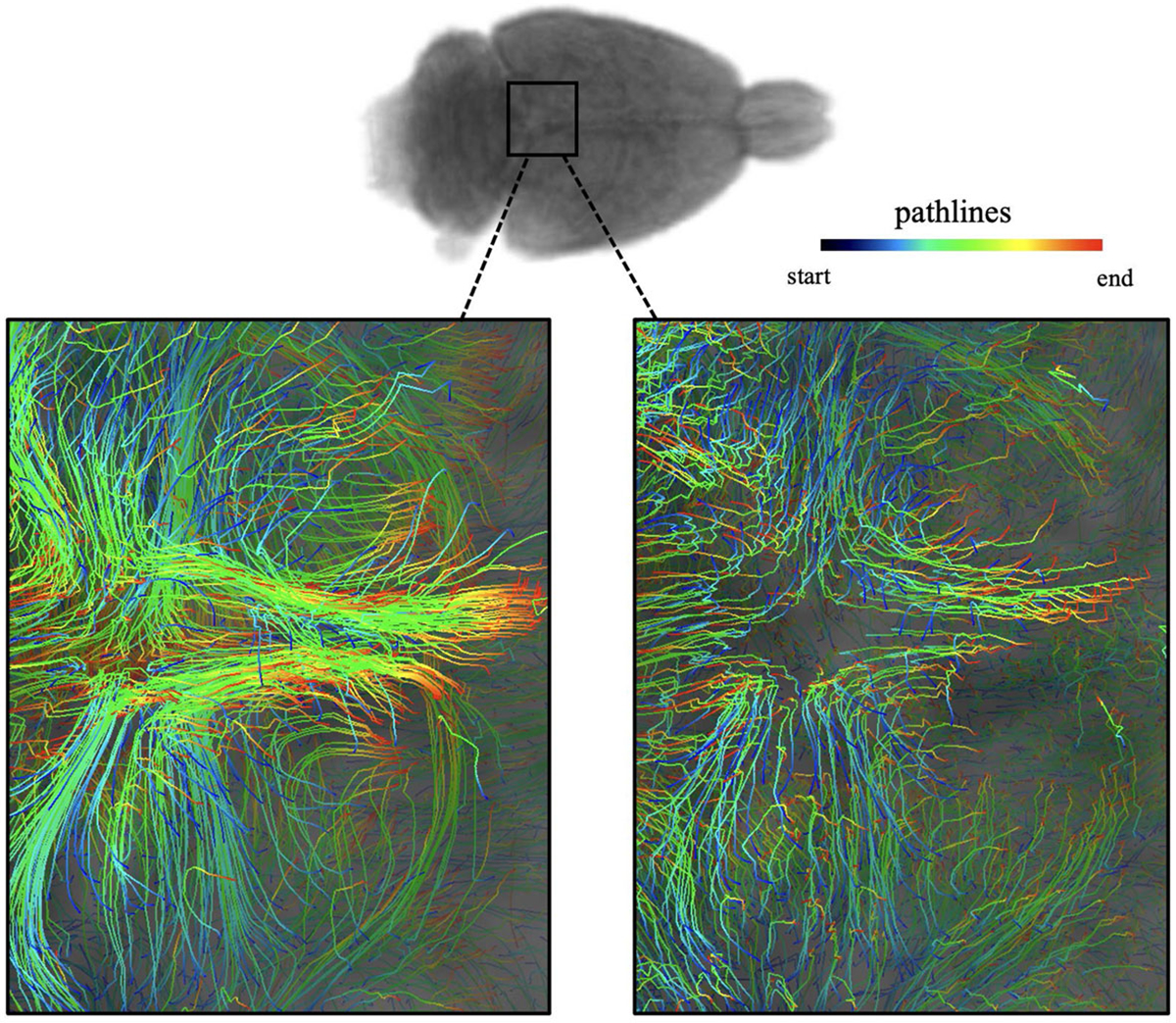 Figure 6
Peer Reviews
No public reviews on file for this paper yet. If you reviewed it on a platform where reviews are public (OpenReview, ICLR, NeurIPS, ICML), you can paste yours below so the community can read it here.
Videos
No videos yet. Explain this paper in a talk, walkthrough, or lecture? Add one.
Taxonomy
TopicsGeotechnical and Geomechanical Engineering