Testing the Simplified Molecular Dynamics Approach to Improve the Reproduction of ECD Spectra and Monitor Aggregation
Attila Mándi, Aliz Rimóczi, Andrea Vasas, Judit Hohmann, Mahadeva M. M. Swamy, Kenji Monde, Roland A. Barta, Máté Kicsák, István Komáromi, Krisztina Fehér, Tibor Kurtán

TL;DR
Researchers tested a simplified molecular dynamics approach to better reproduce ECD spectra and found it improved agreement with experimental data, especially for molecules with limited conformational flexibility.
Contribution
The study introduces a simplified molecular dynamics approach that enhances ECD spectrum reproduction by using unoptimized geometries and solvent effects.
Findings
Using explicit solvent molecules in MD simulations improved agreement between experimental and computed ECD spectra.
The MD approach confirmed that aggregation of luzulin A contributed to specific ECD spectral features.
Dimer formation in solution was identified as the cause of an anomalous ECD spectrum.
Abstract
A simplified molecular-dynamics-based electronic circular dichroism (ECD) approach was tested on three condensed derivatives with limited conformational flexibility and an isochroman-2H-chromene hybrid, the ECD spectra of which could not be precisely reproduced by the conventional ECD calculation protocol. Application of explicit solvent molecules at the molecular mechanics (MD) level in the dynamics simulations and subsequent TDDFT-ECD calculation for the unoptimized MD structures was able to improve the agreements between experimental and computed spectra. Since enhancements were achieved even for molecules with limited conformational flexibility, deformations caused by the solvent molecules and multitudes of conformers produced with unoptimized geometries seem to be key factors for better agreement. The MD approach could confirm that aggregation of the phenanthrene natural product…
Genes, proteins, chemicals, diseases, species, mutations and cell lines named across the full text — each resolved to its canonical identifier and authoritative record.
Click any figure to enlarge with its caption.
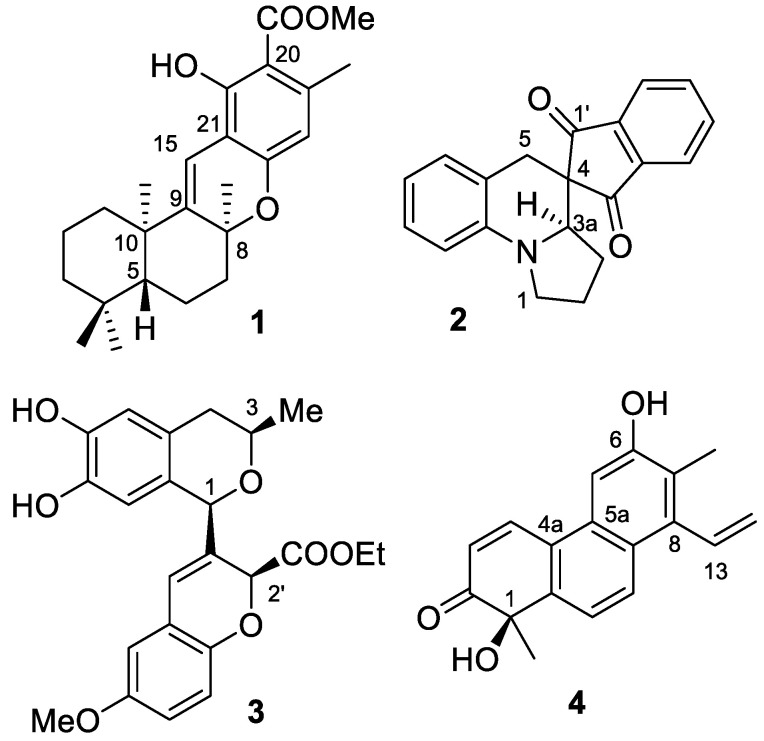 Figure 1
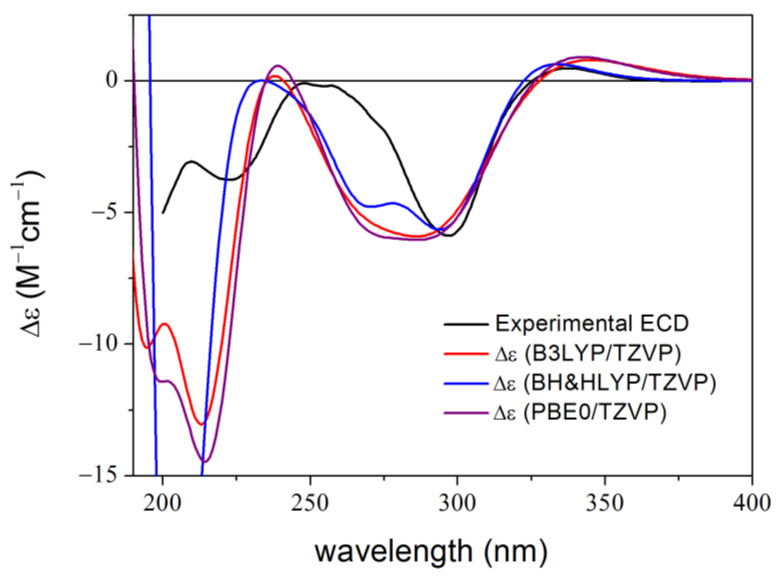 Figure 2
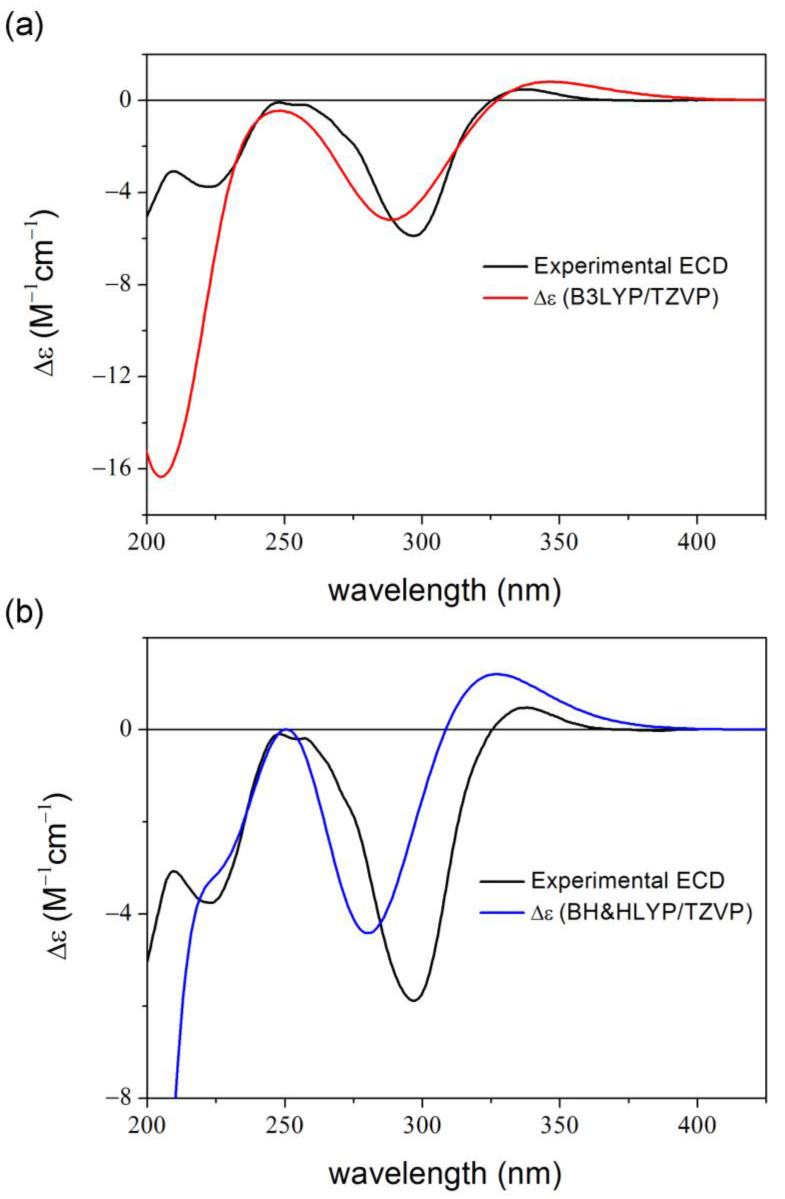 Figure 3
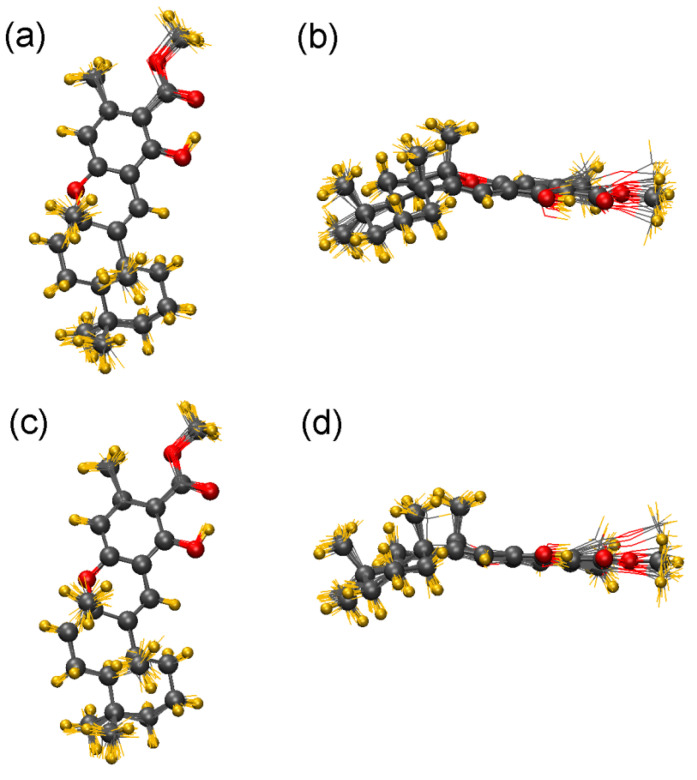 Figure 4
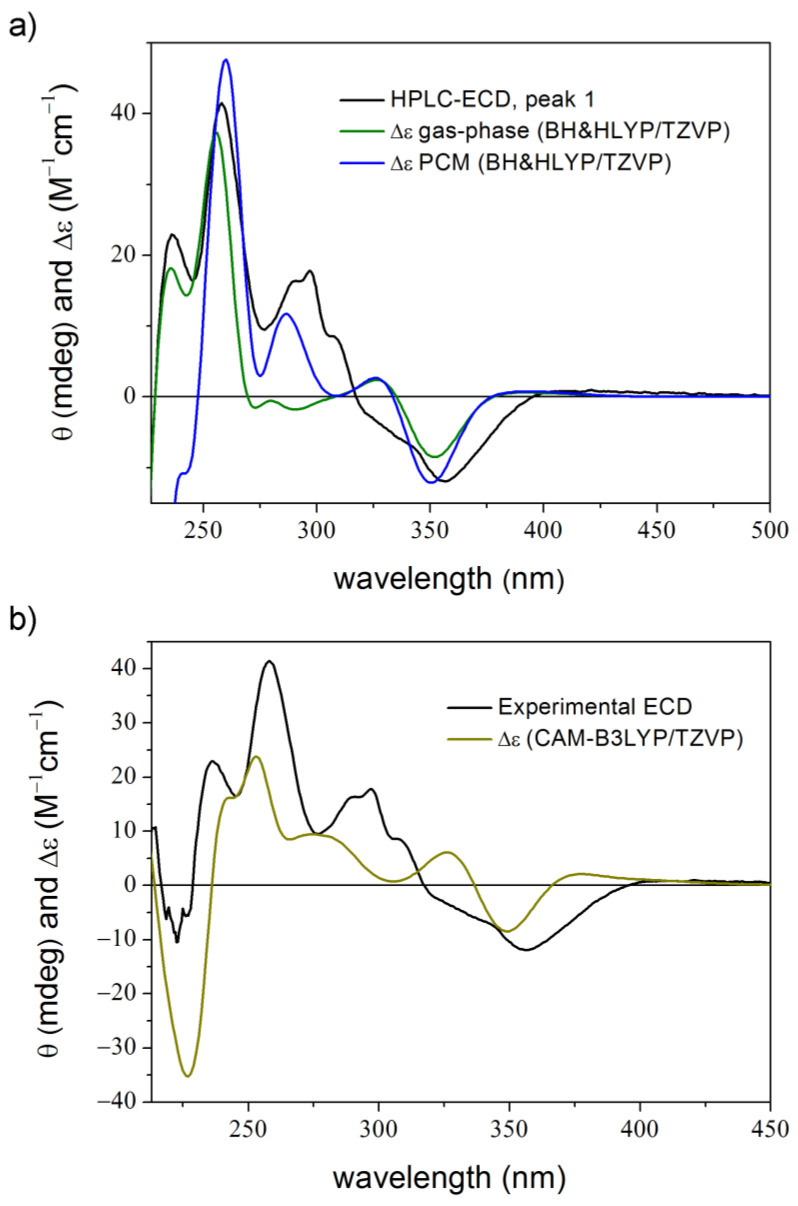 Figure 5
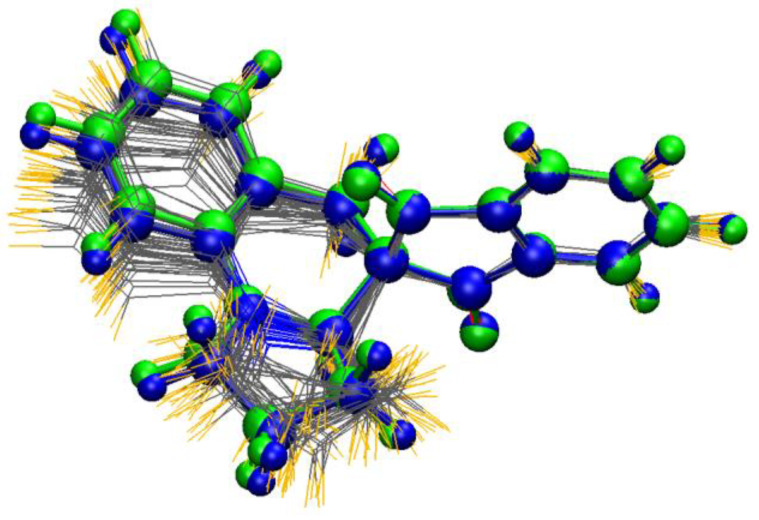 Figure 6
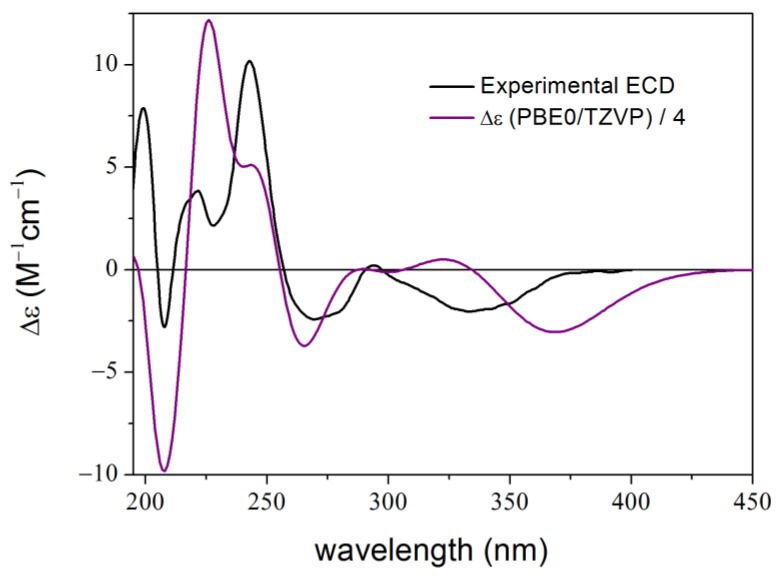 Figure 7
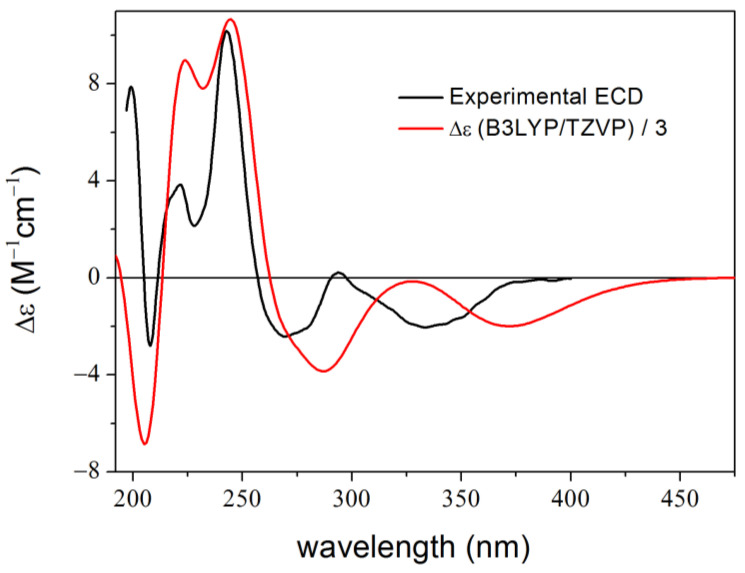 Figure 8
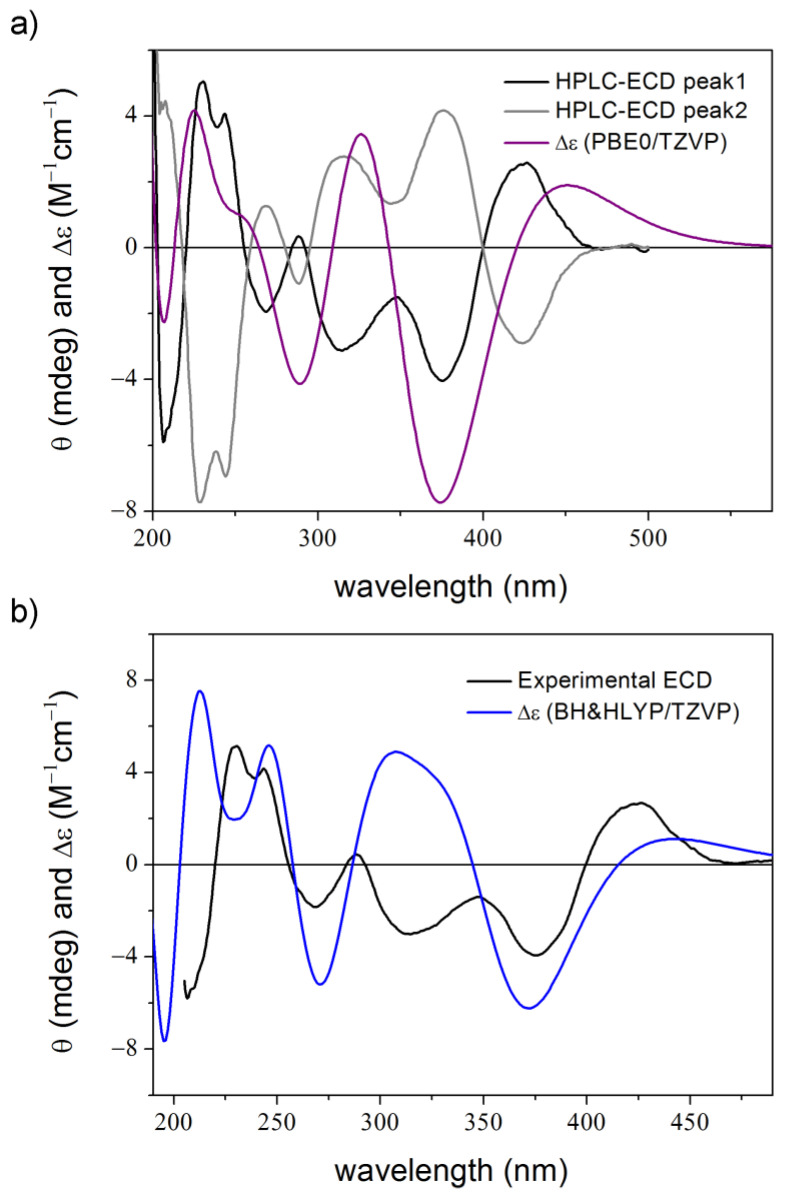 Figure 9
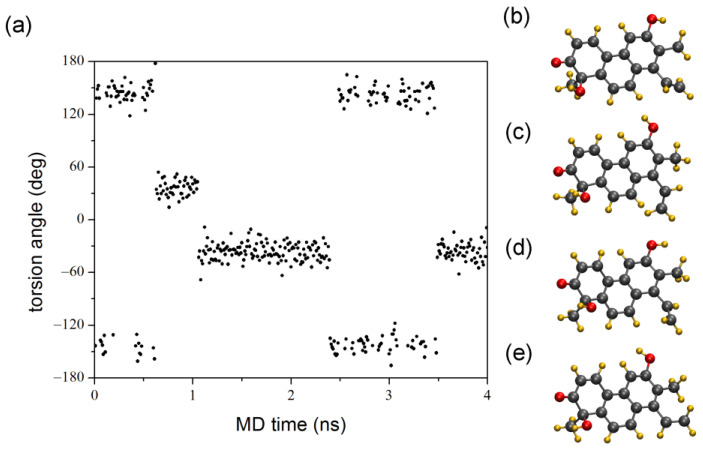 Figure 10
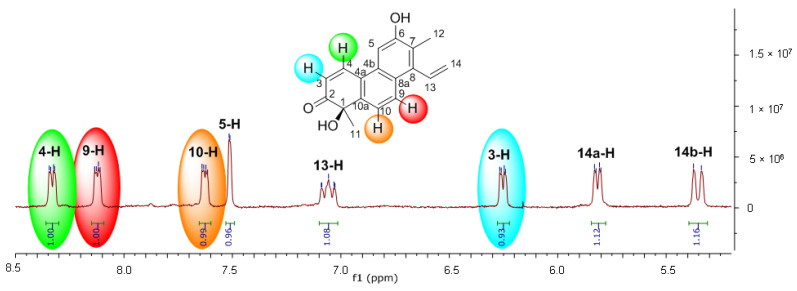 Figure 11
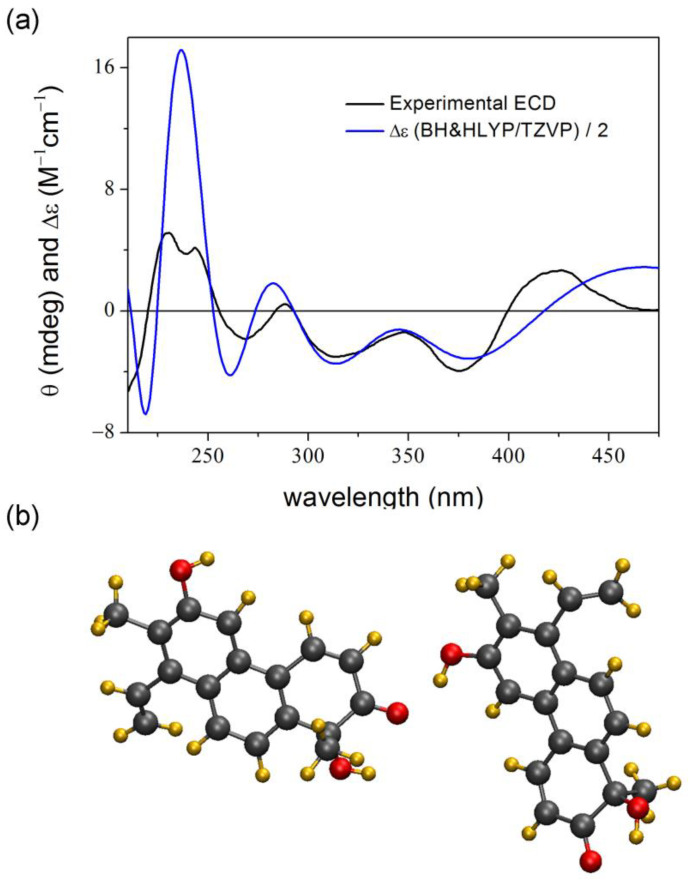 Figure 12
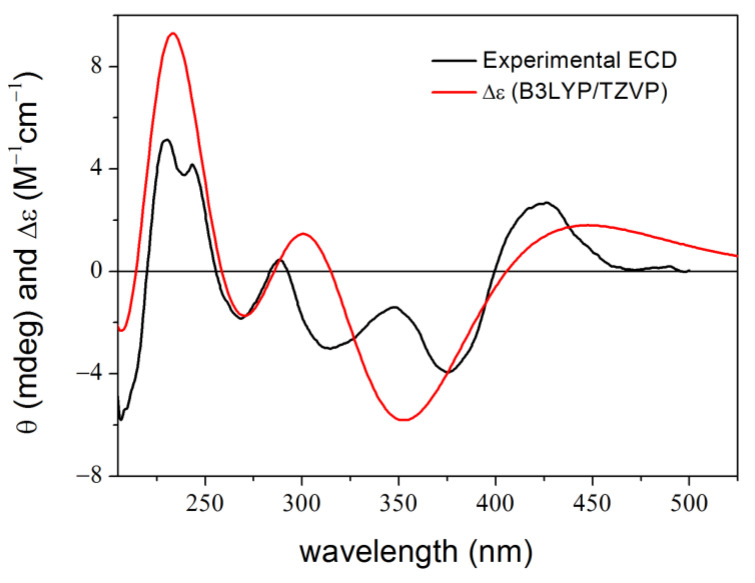 Figure 13
Peer Reviews
No public reviews on file for this paper yet. If you reviewed it on a platform where reviews are public (OpenReview, ICLR, NeurIPS, ICML), you can paste yours below so the community can read it here.
Videos
No videos yet. Explain this paper in a talk, walkthrough, or lecture? Add one.
Taxonomy
TopicsMolecular spectroscopy and chirality · Plant and animal studies · Biological and pharmacological studies of plants