Efficient DNA Coding Algorithm for Polymerase Chain Reaction Amplification Information Retrieval
Qing Wang, Shufang Zhang, Yuhui Li

TL;DR
This paper introduces a new DNA coding algorithm that improves PCR amplification accuracy and storage density by reducing nonspecific pairing.
Contribution
The novel ECA-PCRAIR algorithm optimizes DNA storage density and amplification accuracy through variable-length scanning and constraint correction.
Findings
ECA-PCRAIR reduces nonspecific primer-DNA pairing probability to 2–25%.
The algorithm achieves a storage density of 2.14–3.67 bits per nucleotide.
Abstract
Polymerase Chain Reaction (PCR) amplification is widely used for retrieving information from DNA storage. During the PCR amplification process, nonspecific pairing between the 3’ end of the primer and the DNA sequence can cause cross-talk in the amplification reaction, leading to the generation of interfering sequences and reduced amplification accuracy. To address this issue, we propose an efficient coding algorithm for PCR amplification information retrieval (ECA-PCRAIR). This algorithm employs variable-length scanning and pruning optimization to construct a codebook that maximizes storage density while satisfying traditional biological constraints. Subsequently, a codeword search tree is constructed based on the primer library to optimize the codebook, and a variable-length interleaver is used for constraint detection and correction, thereby minimizing the likelihood of nonspecific…
Genes, proteins, chemicals, diseases, species, mutations and cell lines named across the full text — each resolved to its canonical identifier and authoritative record.
Click any figure to enlarge with its caption.
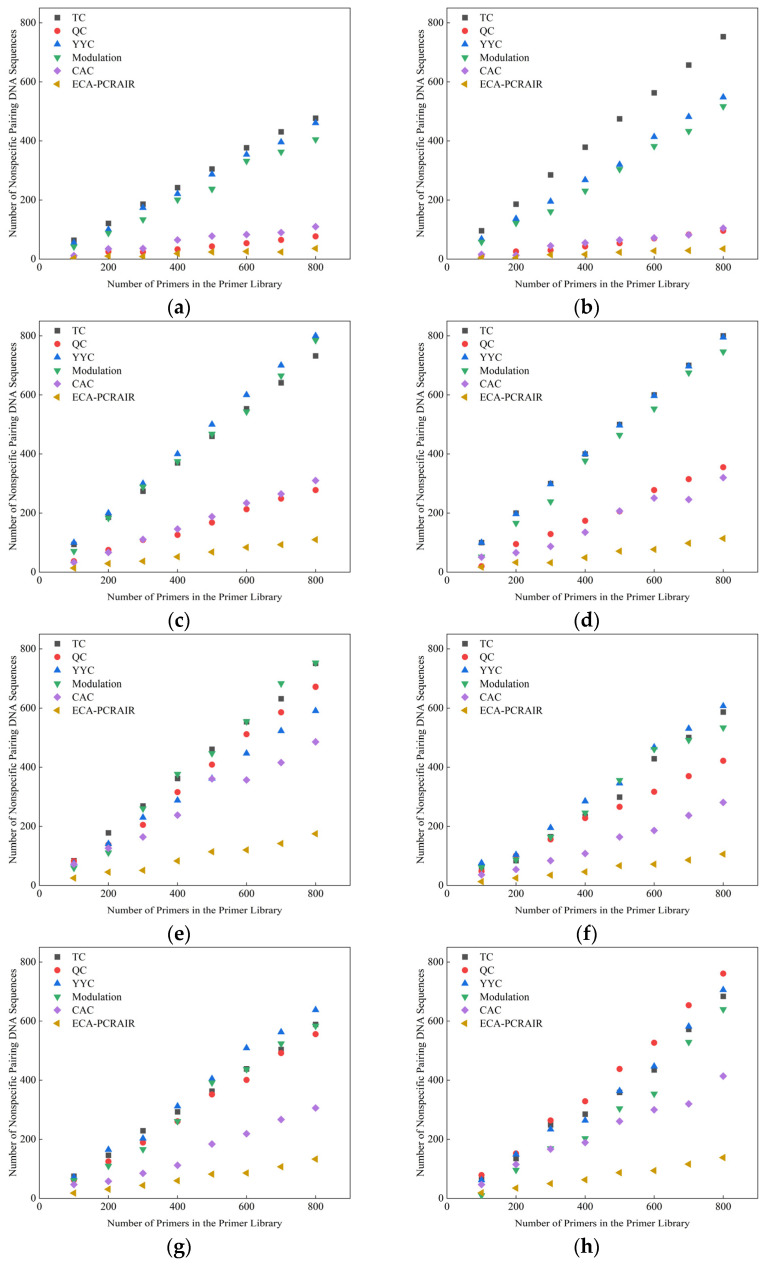 Figure 1
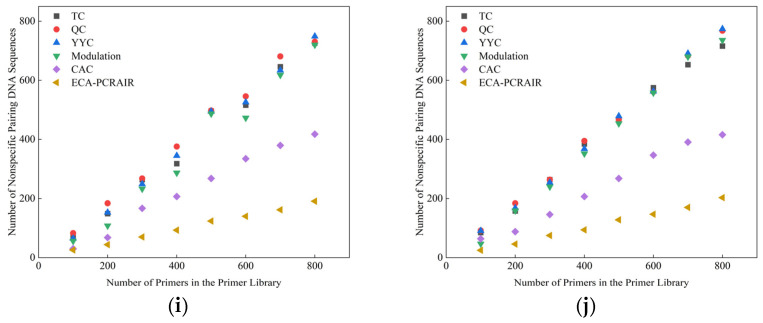 Figure 2
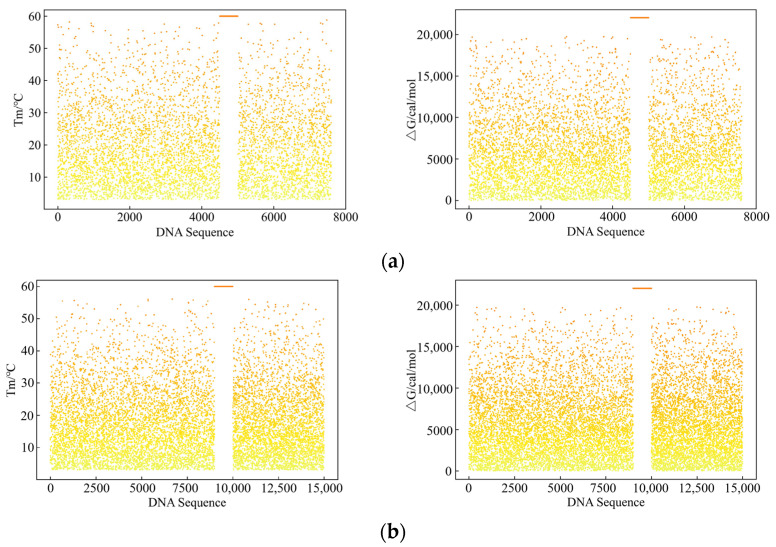 Figure 3
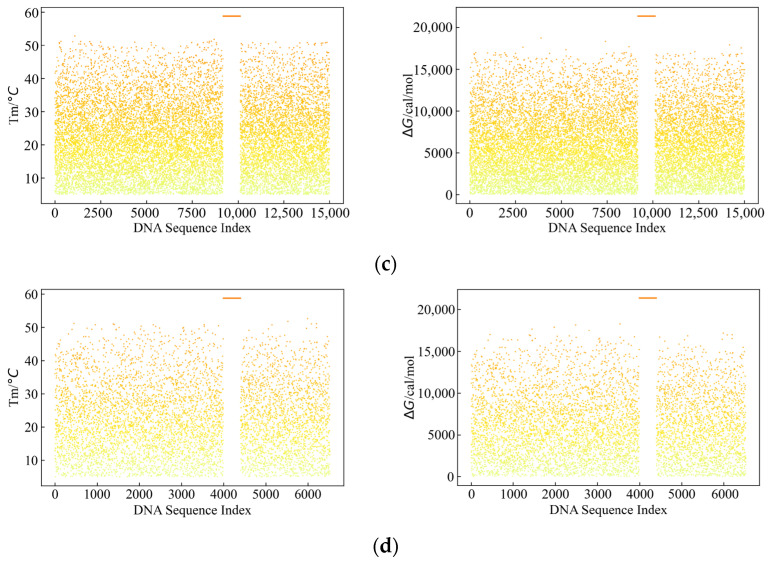 Figure 4
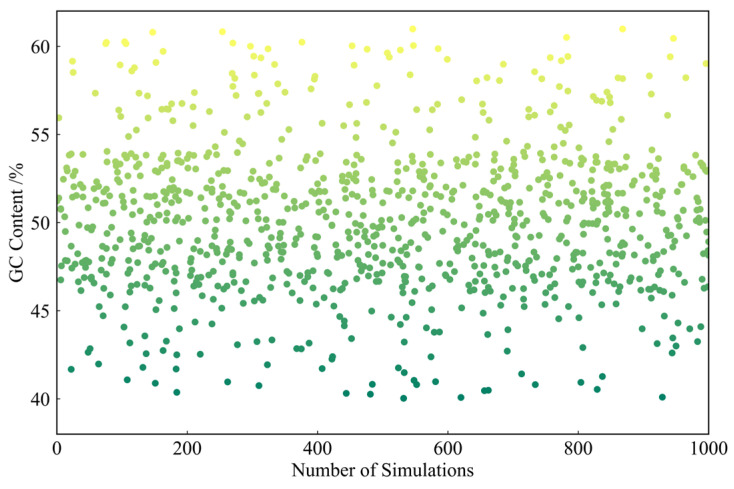 Figure 5
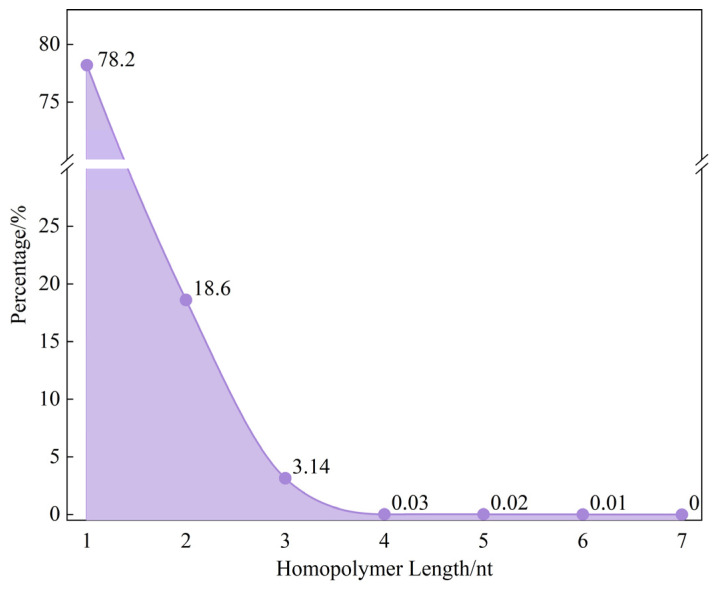 Figure 6
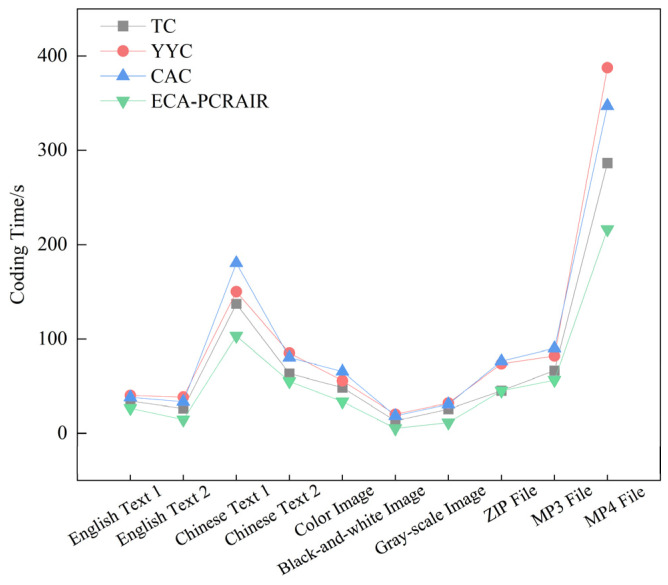 Figure 7
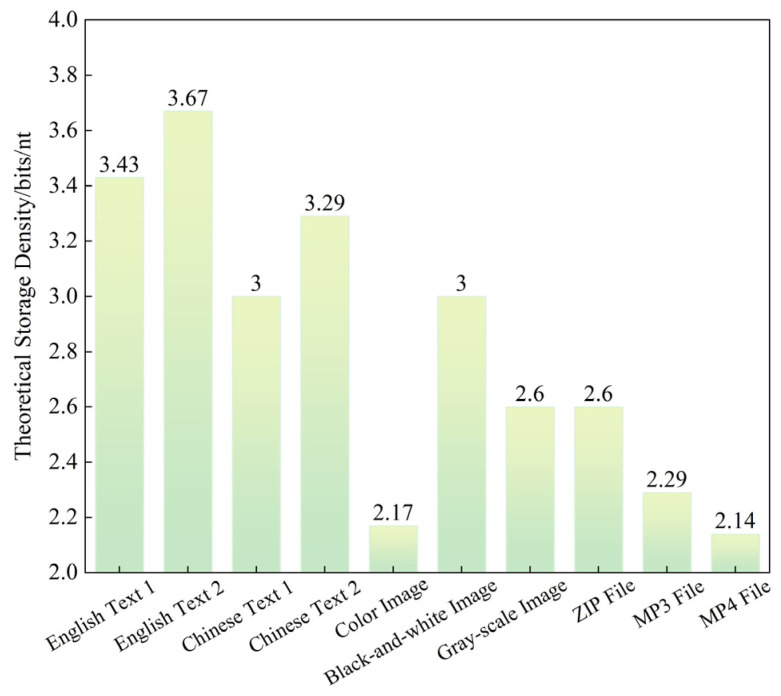 Figure 8
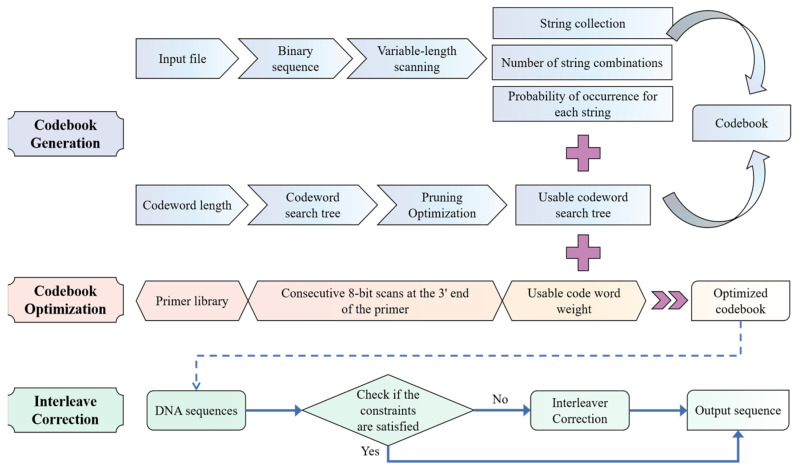 Figure 9
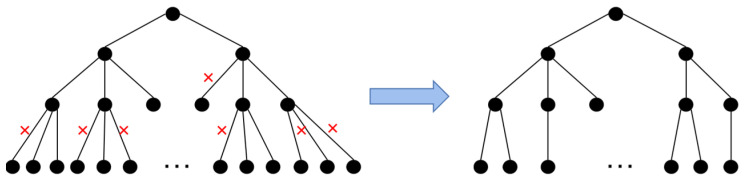 Figure 10
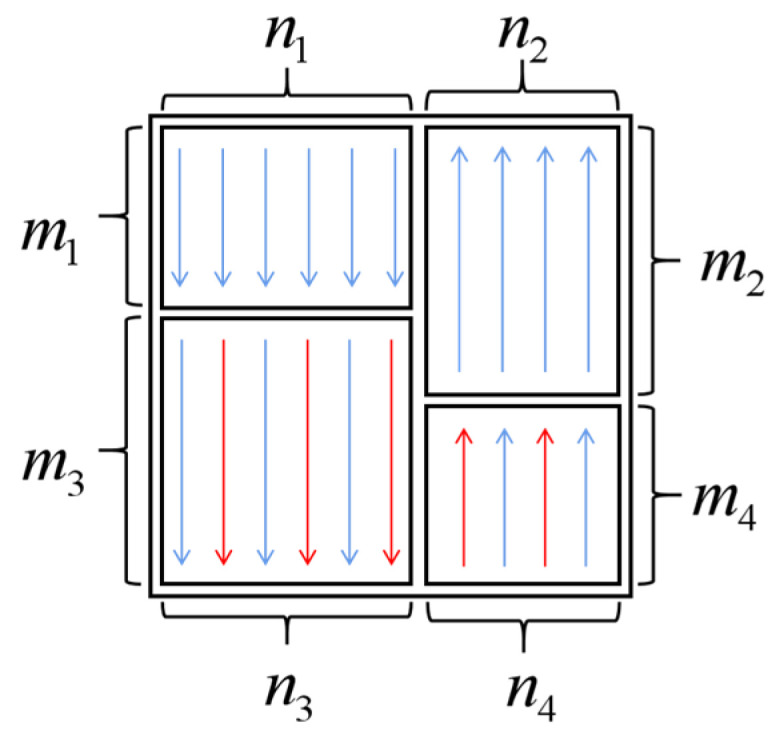 Figure 11
Peer Reviews
No public reviews on file for this paper yet. If you reviewed it on a platform where reviews are public (OpenReview, ICLR, NeurIPS, ICML), you can paste yours below so the community can read it here.
Videos
No videos yet. Explain this paper in a talk, walkthrough, or lecture? Add one.
Taxonomy
TopicsDNA and Biological Computing · Advanced biosensing and bioanalysis techniques · Algorithms and Data Compression