Chromosome-Level Genome Assembly of Apoderus dimidiatus Voss (Coleoptera: Attelabidae): Insights into Evolution and Behavior
Meng Xie, Yuhao Yao, Yuling Feng, Lei Xie, Chuyang Mao, Jinwu He, Xueyan Li, Qingyong Ni

TL;DR
This study provides a high-quality genome for the leaf-rolling weevil A. dimidiatus, revealing genetic factors behind its unique behavior and evolutionary history.
Contribution
The first chromosome-level genome assembly of A. dimidiatus, offering insights into gene families linked to leaf rolling behavior and evolutionary divergence.
Findings
Expanded gene families in A. dimidiatus are linked to water balance and skin regulation, crucial for survival in leaf rolls.
Contracted gene families are associated with protease activity and transmembrane transport, affecting offspring survival and egg production.
Phylogenetic analysis shows Attelabidae diverged from Curculionidae about 161.52 million years ago.
Abstract
Apoderus dimidiatus (Coleoptera: Attelabidae), a widely distributed weevil species in China, feeds on leaves and creates compact leaf rolls for spawning. Its offspring complete a series of developmental stages within these structures before emerging as mature insects. In this study, we assembled a high-quality genome of A. dimidiatus at the chromosome level. We found the expanded gene family of A. dimidiatus is associated with functions such as the regulation of skin water loss, sebaceous gland development, and water balance in multicellular organisms, which are essential for the species’ survival within leaf rolls. On the other hand, the contracted gene family is primarily associated with protease activity and solute transmembrane transport, contributing to the decline in egg production and the low survival rate of offspring. This situation forces female adults to develop the unique…
Genes, proteins, chemicals, diseases, species, mutations and cell lines named across the full text — each resolved to its canonical identifier and authoritative record.
Click any figure to enlarge with its caption.
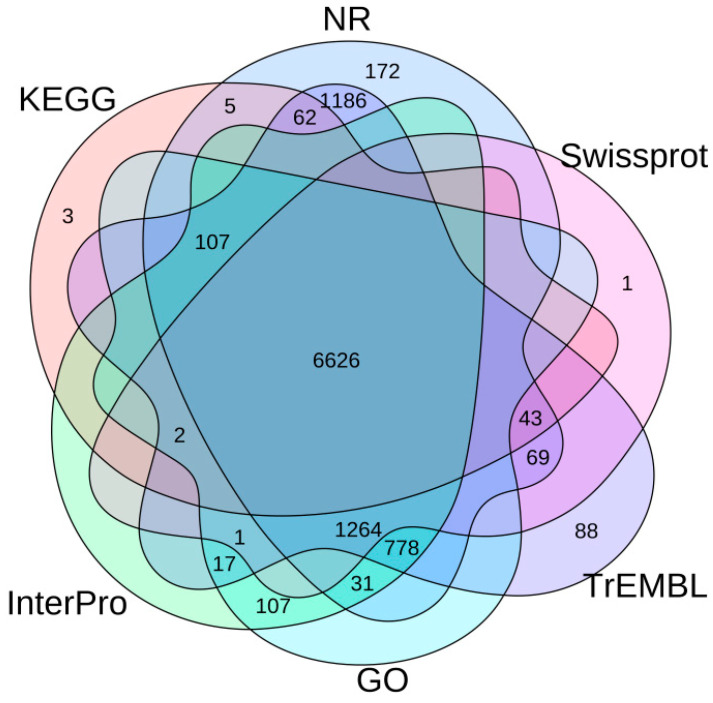 Figure 1
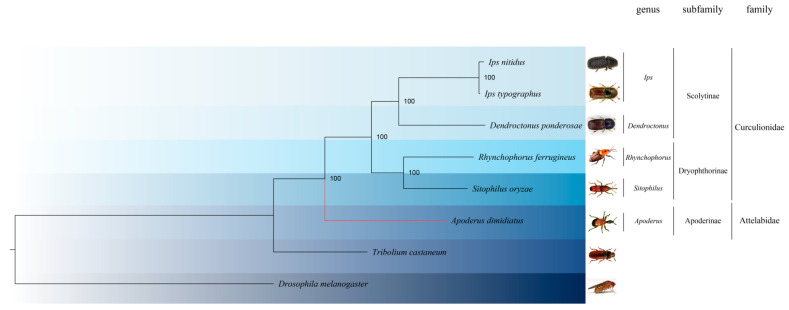 Figure 2
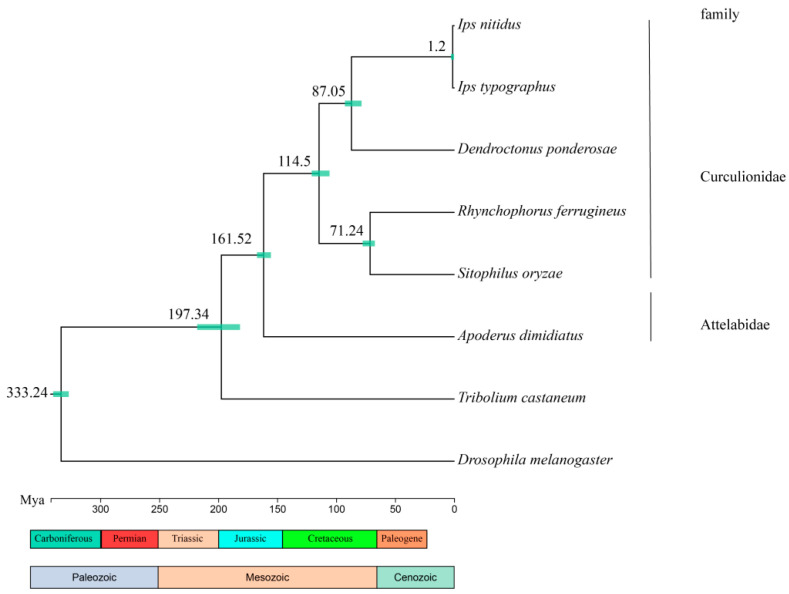 Figure 3
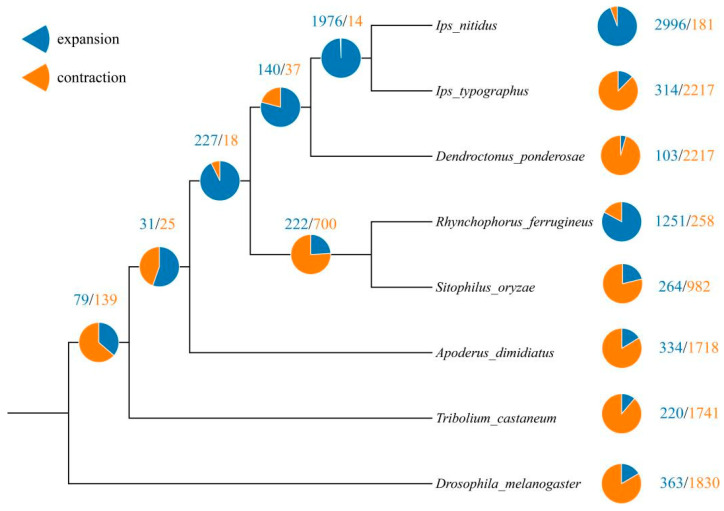 Figure 4
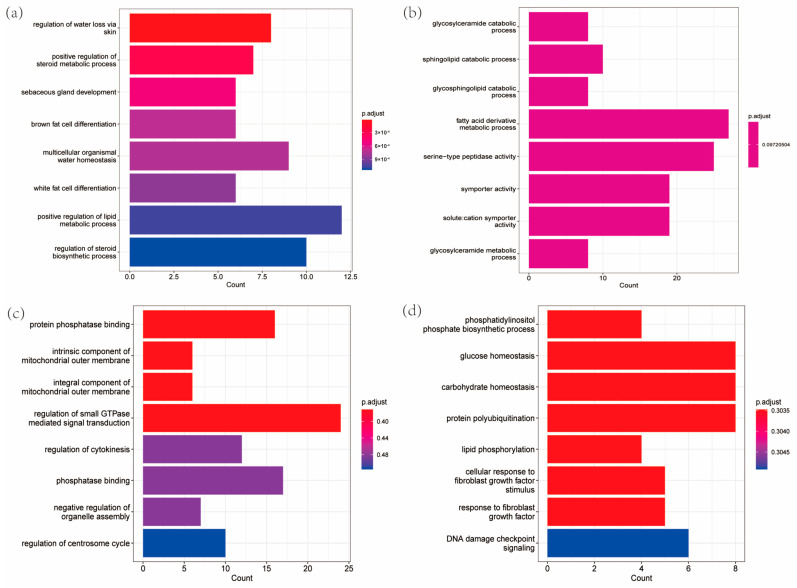 Figure 5
Peer Reviews
No public reviews on file for this paper yet. If you reviewed it on a platform where reviews are public (OpenReview, ICLR, NeurIPS, ICML), you can paste yours below so the community can read it here.
Videos
No videos yet. Explain this paper in a talk, walkthrough, or lecture? Add one.
Taxonomy
TopicsForest Insect Ecology and Management · Coleoptera Taxonomy and Distribution · Genomics and Phylogenetic Studies