Mts1 (S100A4) and Its Peptide Demonstrate Cytotoxic Activity in Complex with Tag7 (PGLYRP1) Peptide
Daria M. Yurkina, Elena A. Romanova, Kirill A. Shcherbakov, Rustam H. Ziganshin, Denis V. Yashin, Lidia P. Sashchenko

TL;DR
Researchers found that a protein and its peptide can kill cancer cells by activating a receptor, offering potential for cancer and autoimmune disease treatments.
Contribution
Discovery of two new cytotoxic complexes that induce tumor cell death via TNFR1 receptor activation.
Findings
Mts1 (S100A4) protein binds to Tag7 (PGLYRP1) peptide with high affinity and induces cancer cell death.
The Mts1 peptide M7 forms a complex with 17.1, also causing TNFR1-dependent cell death.
Molecular docking identified amino acids involved in binding, aiding peptidomimetics development.
Abstract
Receptors of cytokines are major regulators of the immune response. In this work, we have discovered two new ligands that can activate the TNFR1 (tumor necrosis factor receptor 1) receptor. Earlier, we found that the peptide of the Tag (PGLYRP1) protein designated 17.1 can interact with the TNFR1 receptor. Here, we have found that the Mts1 (S100A4) protein interacts with this peptide with a high affinity (Kd = 1.28 × 10⁻⁸ M), and that this complex is cytotoxic to cancer cells that have the TNFR1 receptor on their surface. This complex induces both apoptosis and necroptosis in cancer cells with the involvement of mitochondria and lysosomes in cell death signal transduction. Moreover, we have succeeded in locating the Mts1 fragment that is responsible for protein–peptide interaction, which highly specifically interacts with the Tag7 protein (Kd = 2.96 nM). The isolated Mts1 peptide M7…
Genes, proteins, chemicals, diseases, species, mutations and cell lines named across the full text — each resolved to its canonical identifier and authoritative record.
Click any figure to enlarge with its caption.
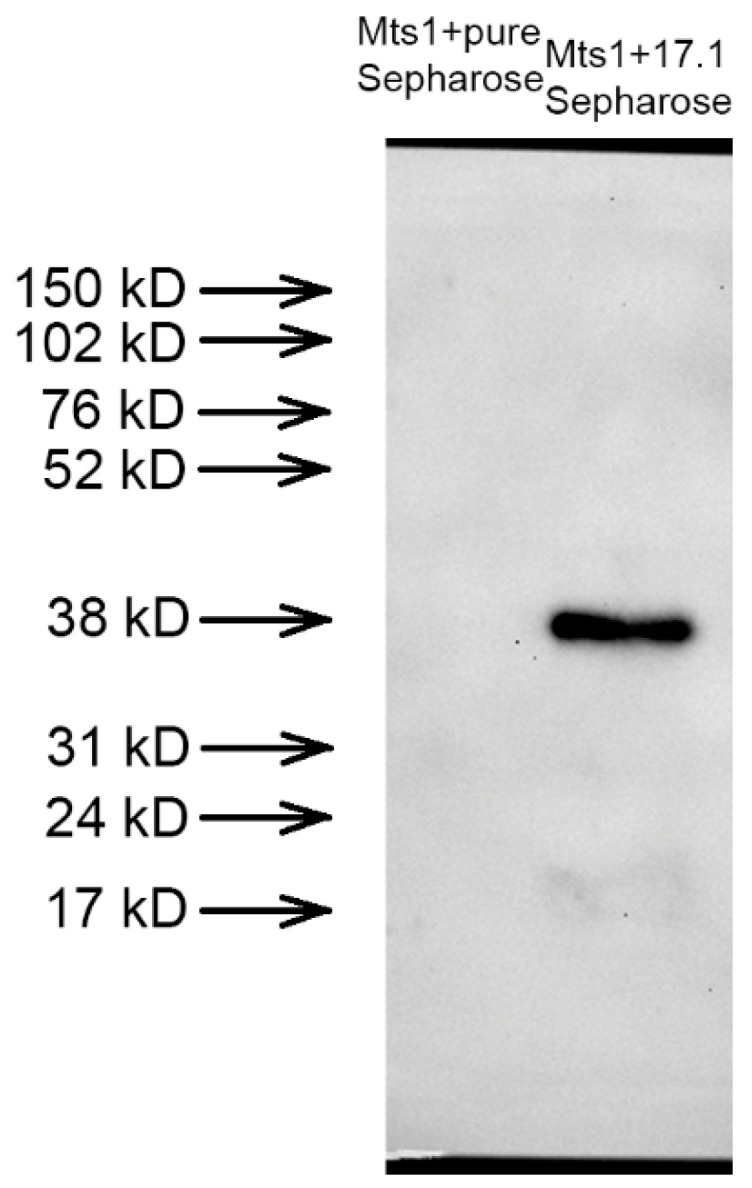 Figure 1
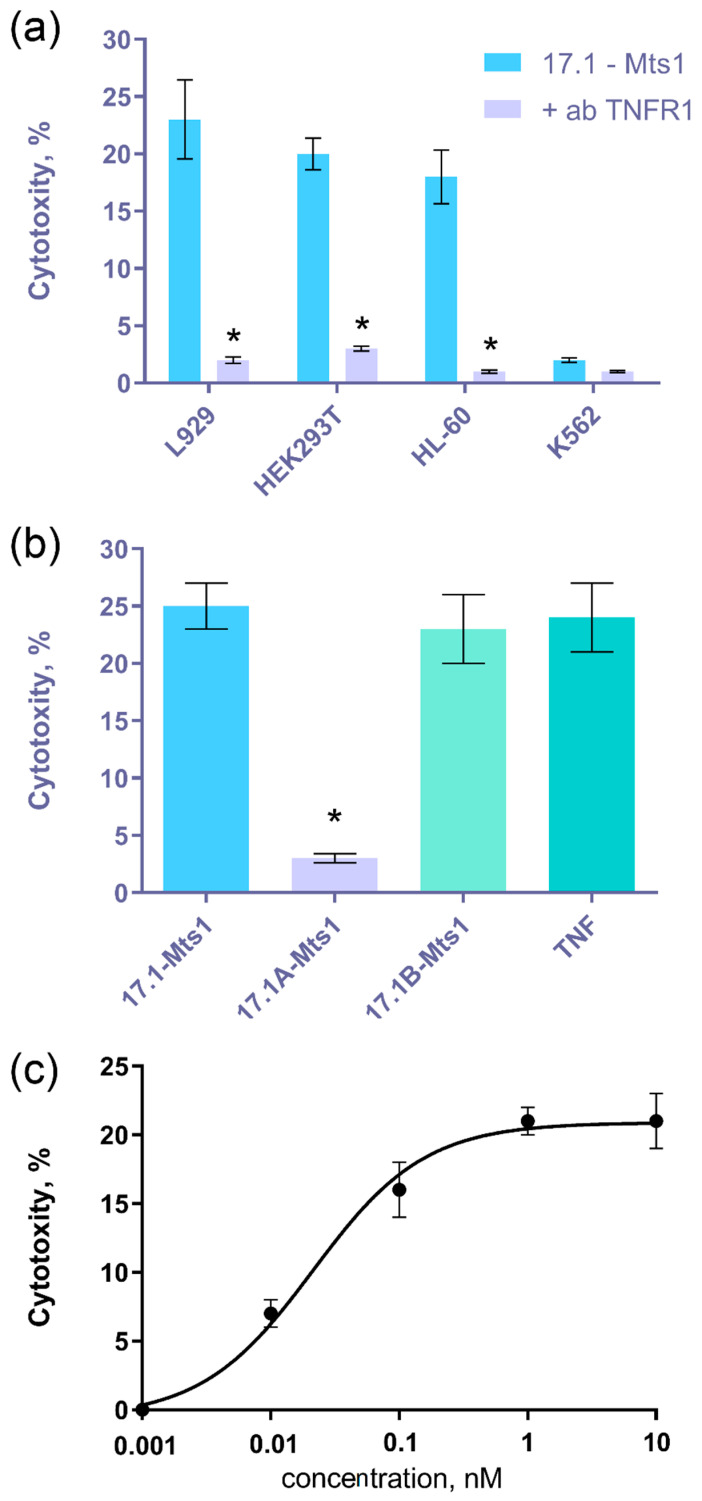 Figure 2
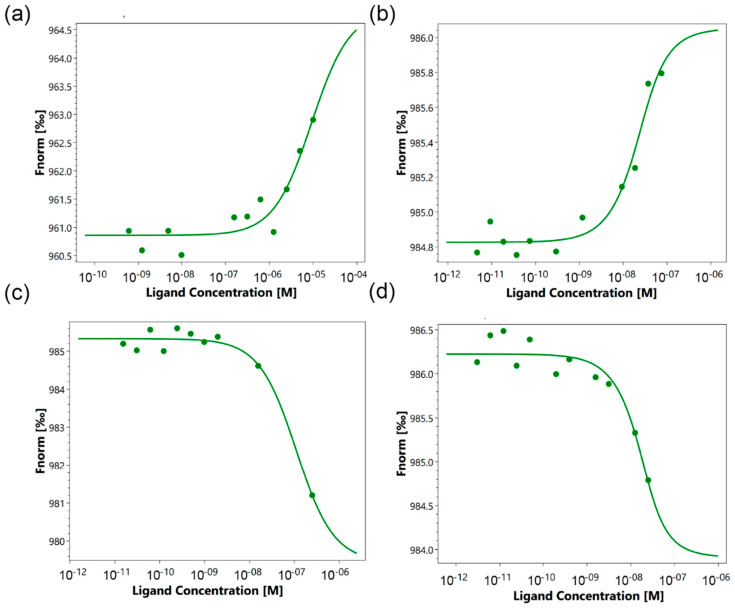 Figure 3
 Figure 4
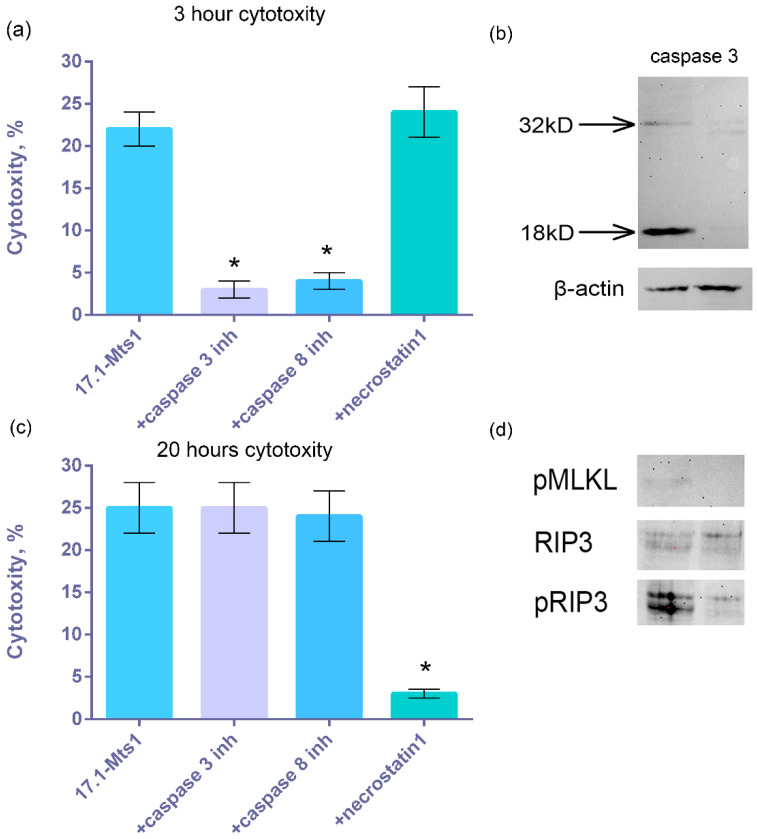 Figure 5
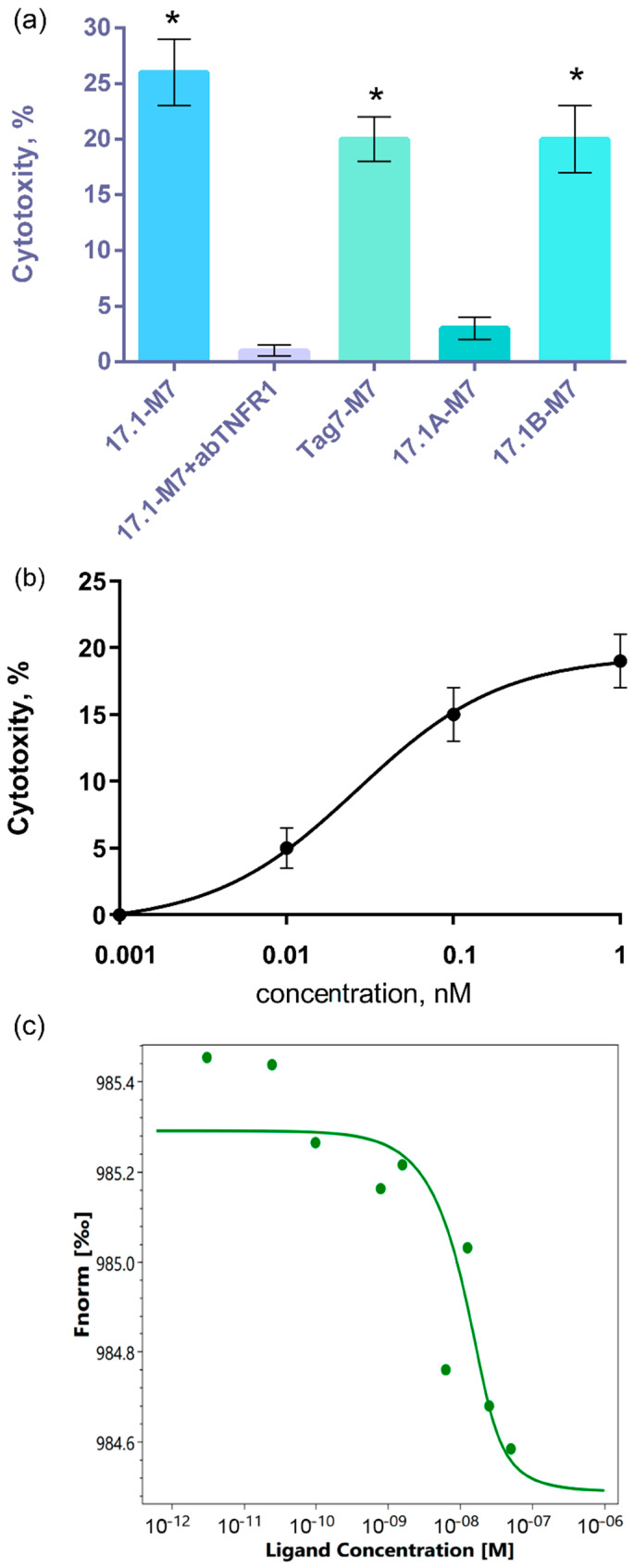 Figure 6
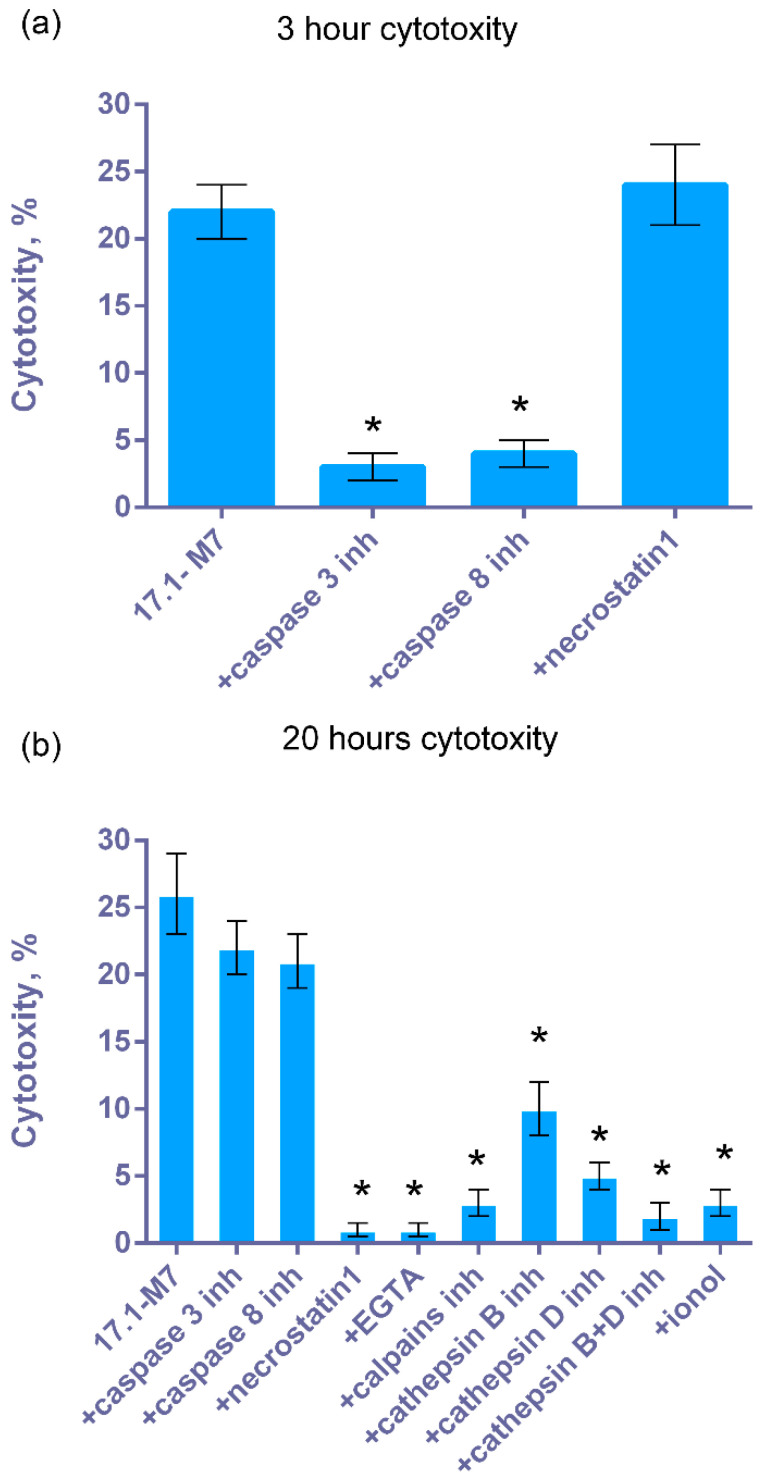 Figure 7
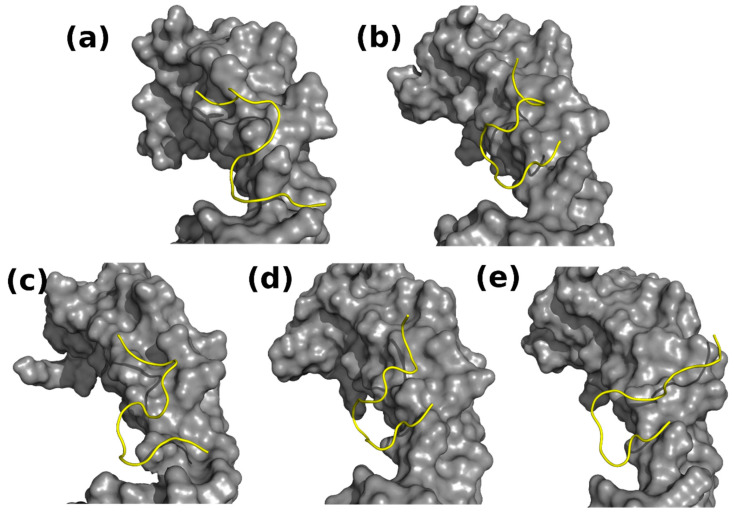 Figure 8
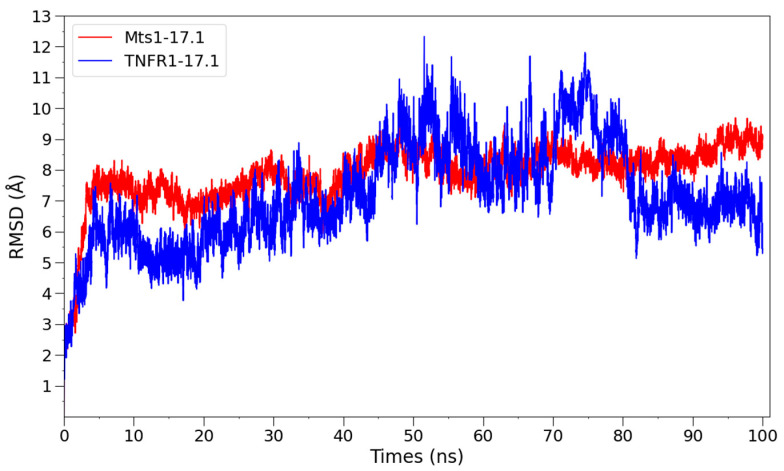 Figure 9
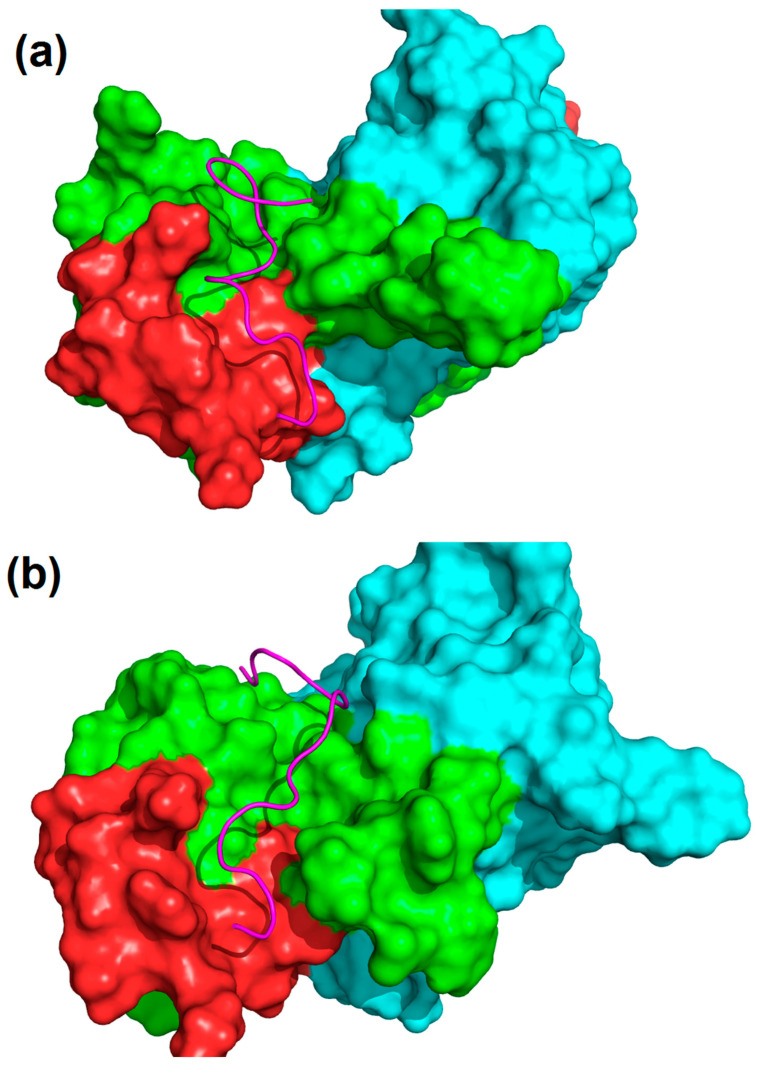 Figure 10
Peer Reviews
No public reviews on file for this paper yet. If you reviewed it on a platform where reviews are public (OpenReview, ICLR, NeurIPS, ICML), you can paste yours below so the community can read it here.
Videos
No videos yet. Explain this paper in a talk, walkthrough, or lecture? Add one.
Taxonomy
TopicsS100 Proteins and Annexins · Biomarkers in Disease Mechanisms · Immune Response and Inflammation