Modulation of Titin and Contraction-Regulating Proteins in a Rat Model of Heart Failure with Preserved Ejection Fraction: Limb vs. Diaphragmatic Muscle
Beatrice Vahle, Leonard Heilmann, Antje Schauer, Antje Augstein, Maria-Elisa Prieto Jarabo, Peggy Barthel, Norman Mangner, Siegfried Labeit, T. Scott Bowen, Axel Linke, Volker Adams

TL;DR
This study explores how titin and muscle proteins change in limb and diaphragm muscles of rats with heart failure, finding that stiffened titin in limb muscles may contribute to exercise intolerance.
Contribution
The study reveals titin hyperphosphorylation in limb skeletal muscle and its reversal by HIIT in a rat model of HFpEF.
Findings
Limb skeletal muscle showed titin hyperphosphorylation, leading to filament stiffening, which was reversed by high-intensity interval training.
A negative correlation was found between titin phosphorylation and muscle force in limb skeletal muscle.
Diaphragm muscle showed no titin phosphorylation changes, suggesting preserved function compared to limb muscles in HFpEF.
Abstract
Heart failure with preserved ejection fraction (HFpEF) is characterized by biomechanically dysfunctional cardiomyocytes. Underlying cellular changes include perturbed myocardial titin expression and titin hypophosphorylation leading to titin filament stiffening. Beside these well-studied alterations at the cardiomyocyte level, exercise intolerance is another hallmark of HFpEF caused by molecular alterations in skeletal muscle (SKM). Currently, there is a lack of data regarding titin modulation in the SKM of HFpEF. Therefore, the aim of the present study was to analyze molecular alterations in limb SKM (tibialis anterior (TA)) and in the diaphragm (Dia), as a more central SKM, with a focus on titin, titin phosphorylation, and contraction-regulating proteins. This study was performed with muscle tissue, obtained from 32-week old female ZSF-1 rats, an established a HFpEF rat model. Our…
Genes, proteins, chemicals, diseases, species, mutations and cell lines named across the full text — each resolved to its canonical identifier and authoritative record.
Click any figure to enlarge with its caption.
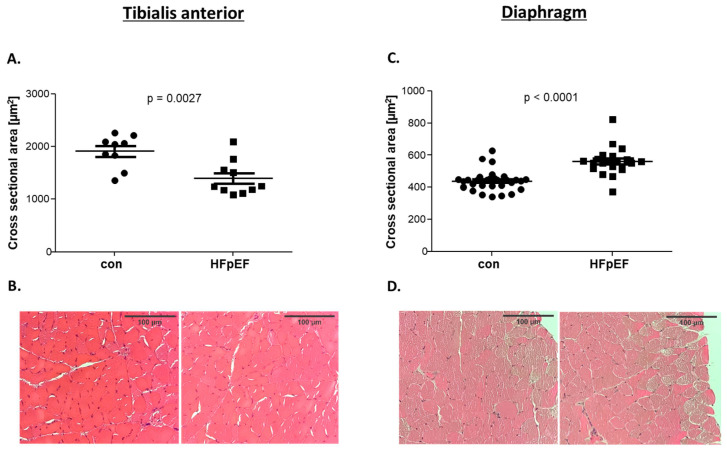 Figure 1
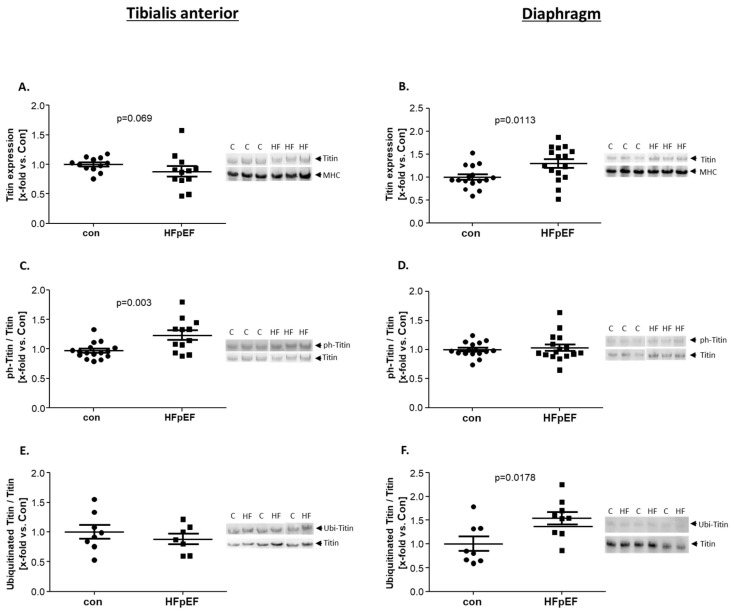 Figure 2
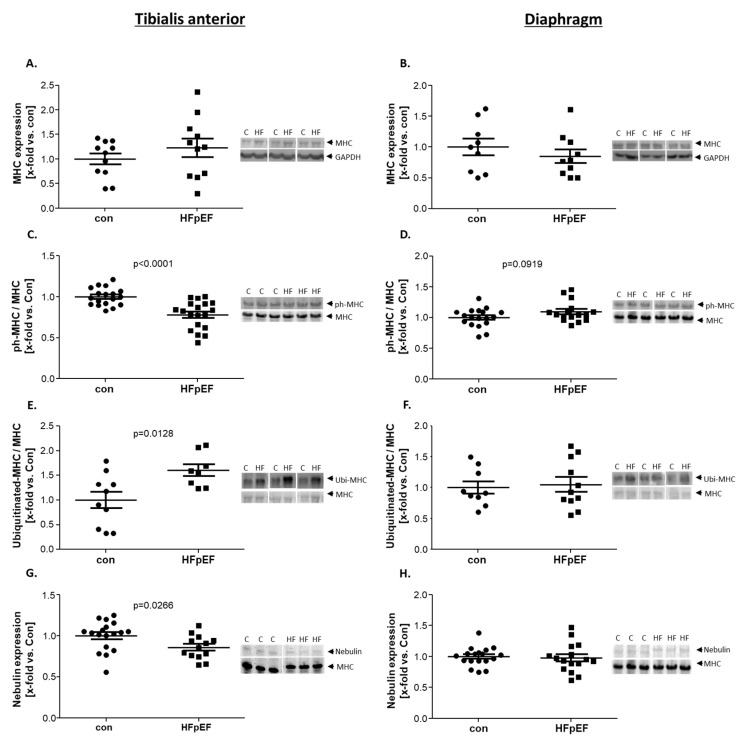 Figure 3
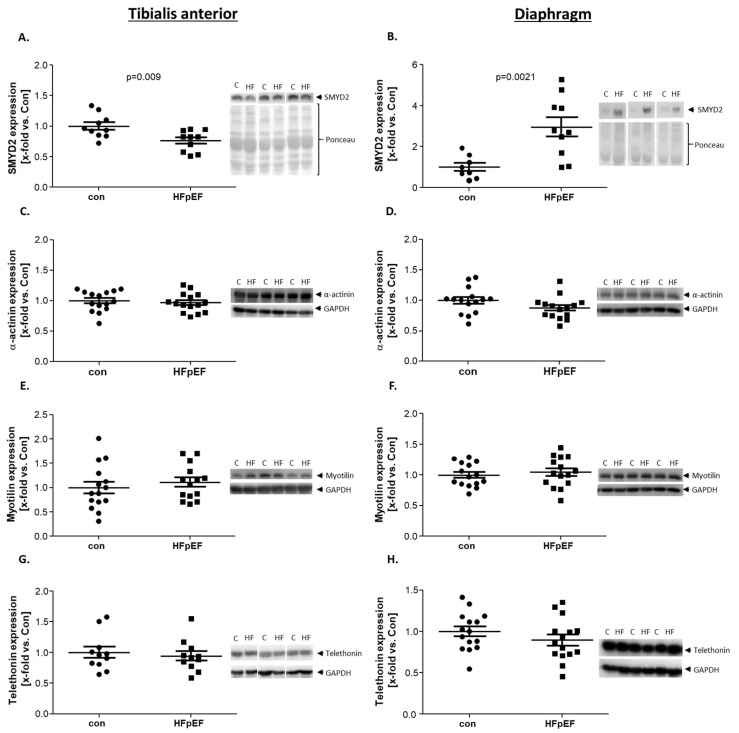 Figure 4
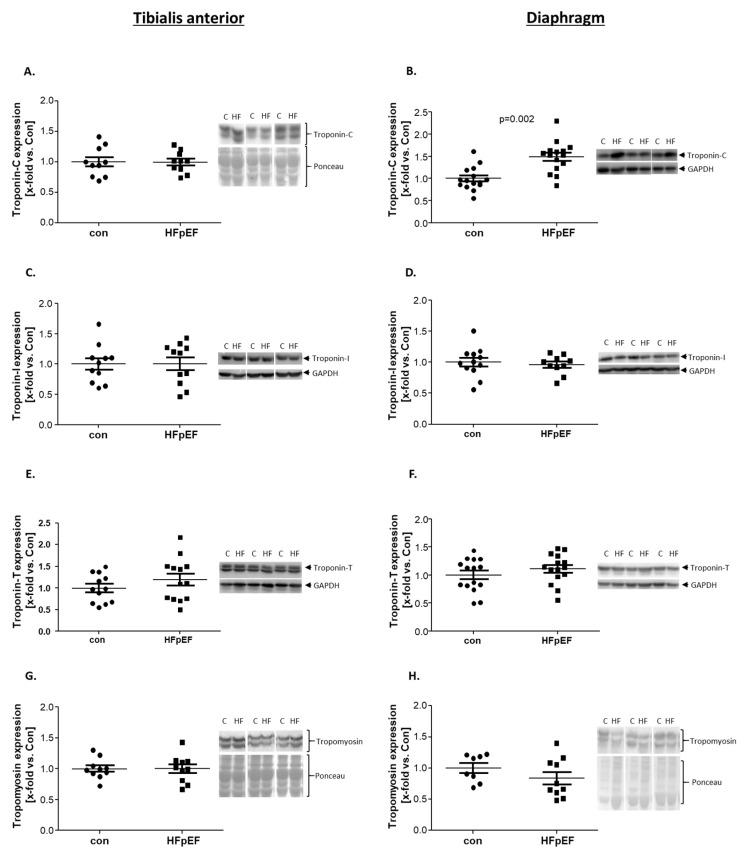 Figure 5
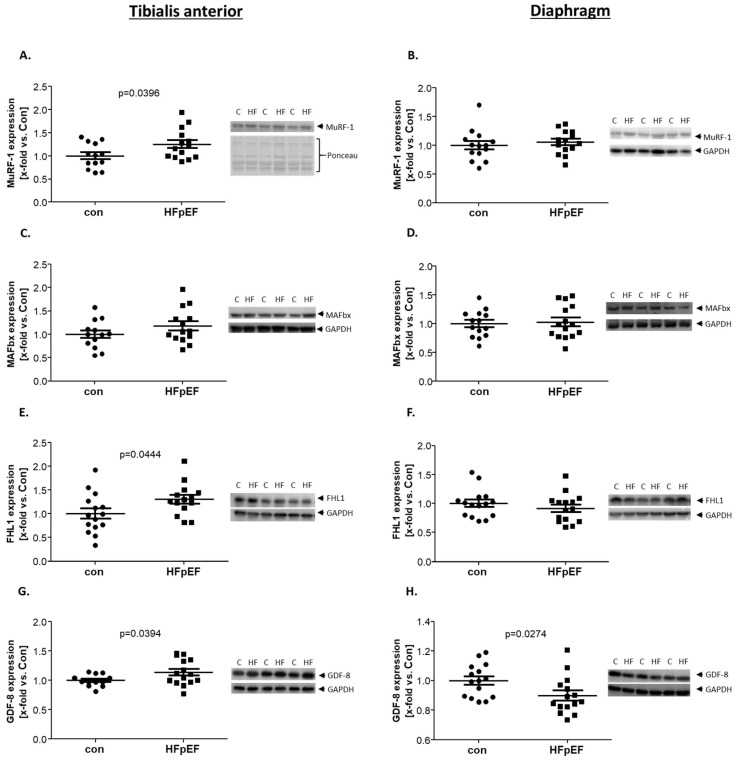 Figure 6
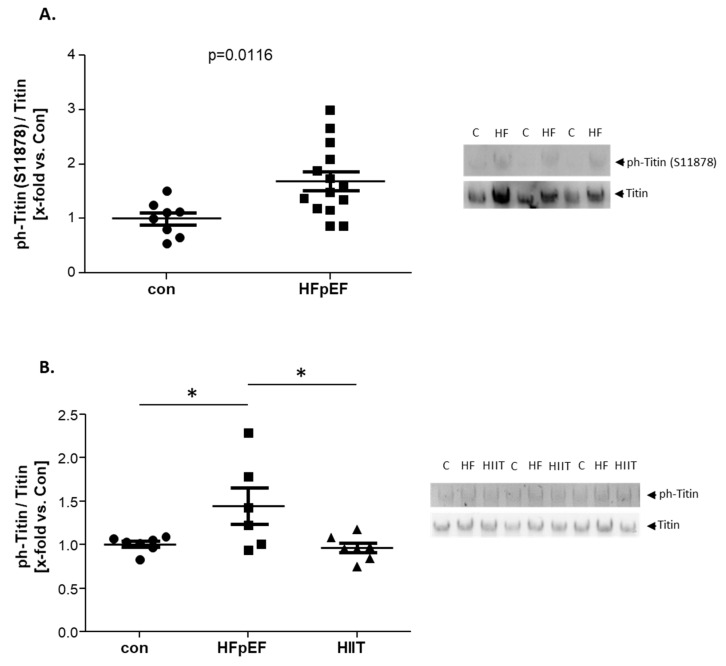 Figure 7
Peer Reviews
No public reviews on file for this paper yet. If you reviewed it on a platform where reviews are public (OpenReview, ICLR, NeurIPS, ICML), you can paste yours below so the community can read it here.
Videos
No videos yet. Explain this paper in a talk, walkthrough, or lecture? Add one.
Taxonomy
TopicsAustralian History and Society · Commonwealth, Australian Politics and Federalism