Being Stung Once or Twice by Bees (Apis mellifera L.) Slightly Disturbed the Serum Metabolome of SD Rats to a Similar Extent
Xinyu Wang, Xing Zheng, Xue Wang, Quanzhi Ji, Wenjun Peng, Zhenxing Liu, Yazhou Zhao

TL;DR
This study found that even a small number of bee stings can slightly alter the serum metabolome in rats, affecting specific amino acids and organic acids.
Contribution
The study provides new insights into the metabolic impact of bee stings using 1H NMR and identifies key metabolites and pathways affected.
Findings
Bee stings altered serum levels of amino acids and organic acids like aspartate, glutamate, lactate, and pyruvate.
Metabolic pathways such as the tricarboxylic acid cycle and pyruvate metabolism were significantly impacted by bee stings.
Glucose, lactate, and pyruvate were key metabolites distinguishing stung and non-stung rats.
Abstract
In most cases, the number of honeybee stings received by the body is generally small, but honeybee stings can still cause serious allergic reactions. This study fully simulated bee stings under natural conditions and used 1H Nuclear Magnetic Resonance (1H NMR) to analyze the changes in the serum metabolome of Sprague–Dawley (SD) rats stung once or twice by honeybees to verify the impact of this mild sting on the body and its underlying mechanism. The differentially abundant metabolites between the blank control rats and the rats stung by honeybees included four amino acids (aspartate, glutamate, glutamine, and valine) and four organic acids (ascorbic acid, lactate, malate, and pyruvate). There was no separation between the sting groups, indicating that the impact of stinging once or twice on the serum metabolome was similar. Using the Principal Component Discriminant Analysis ( PCA-DA)…
Genes, proteins, chemicals, diseases, species, mutations and cell lines named across the full text — each resolved to its canonical identifier and authoritative record.
Click any figure to enlarge with its caption.
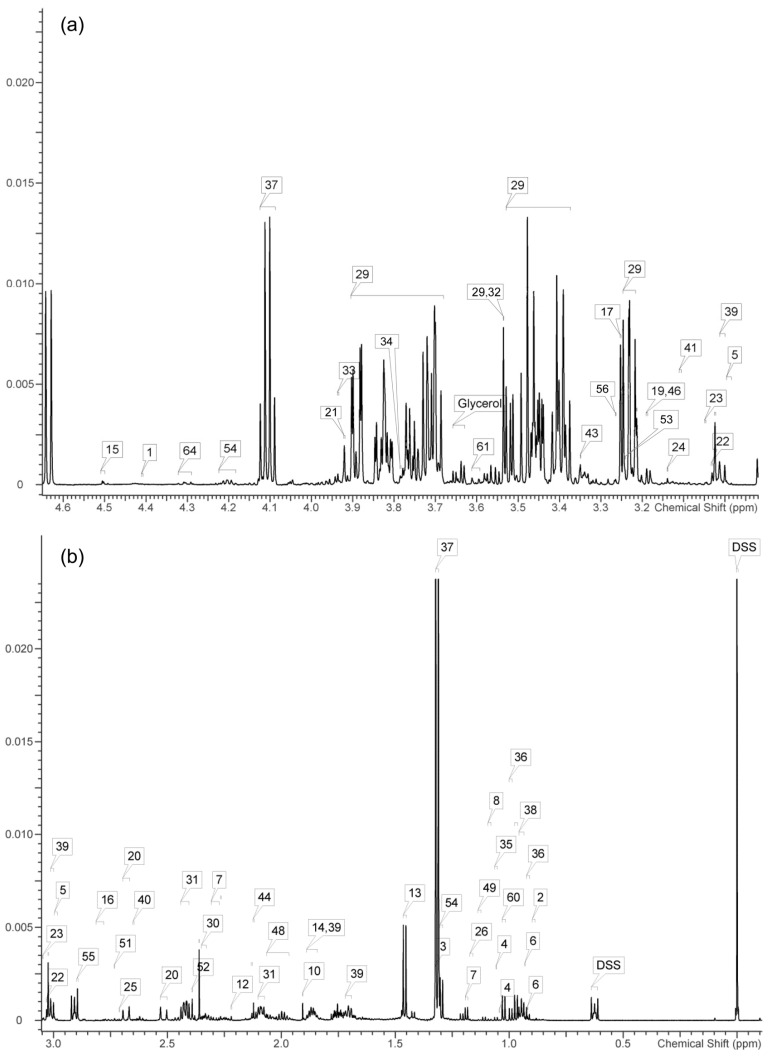 Figure 1
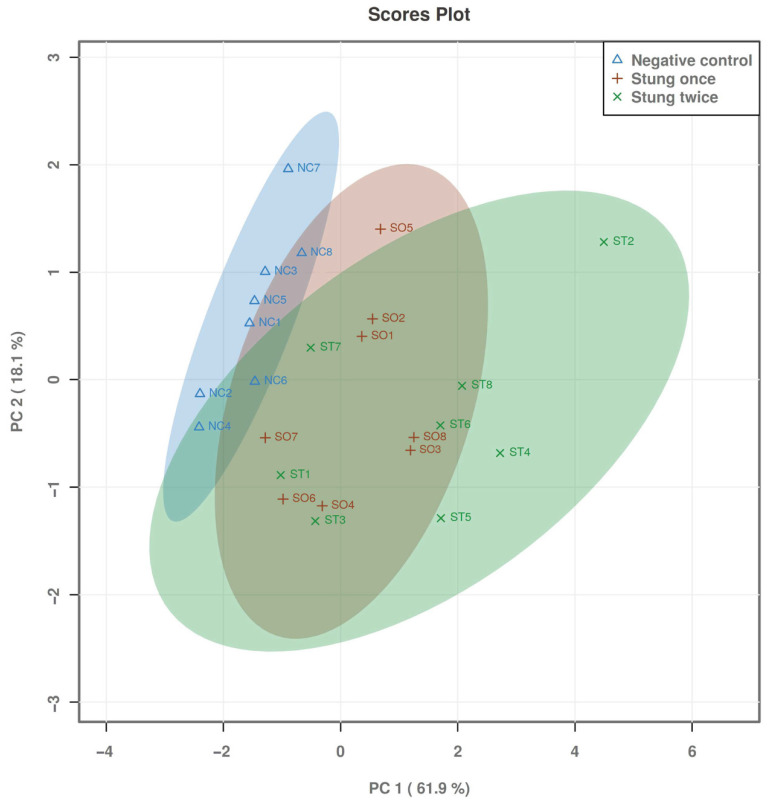 Figure 2
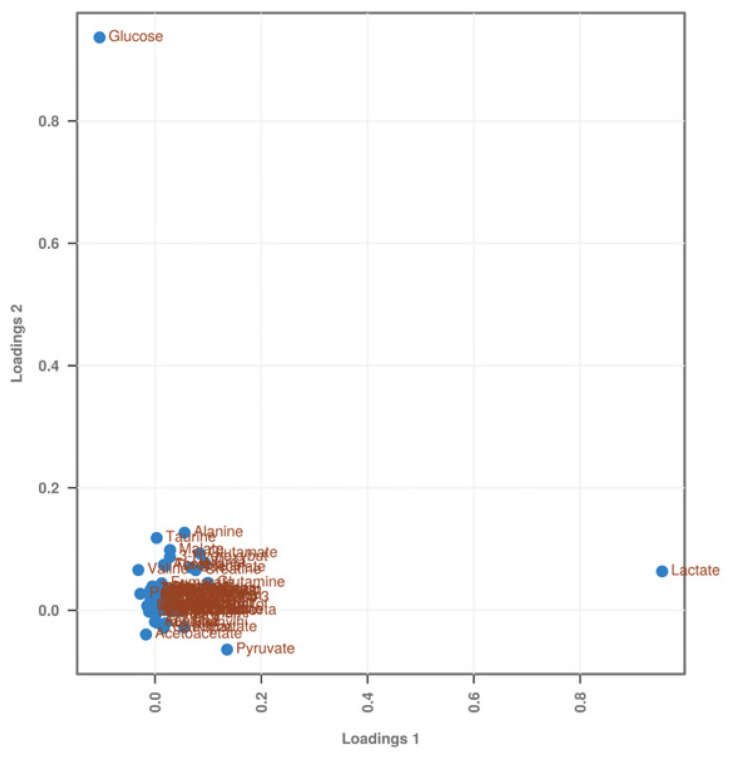 Figure 3
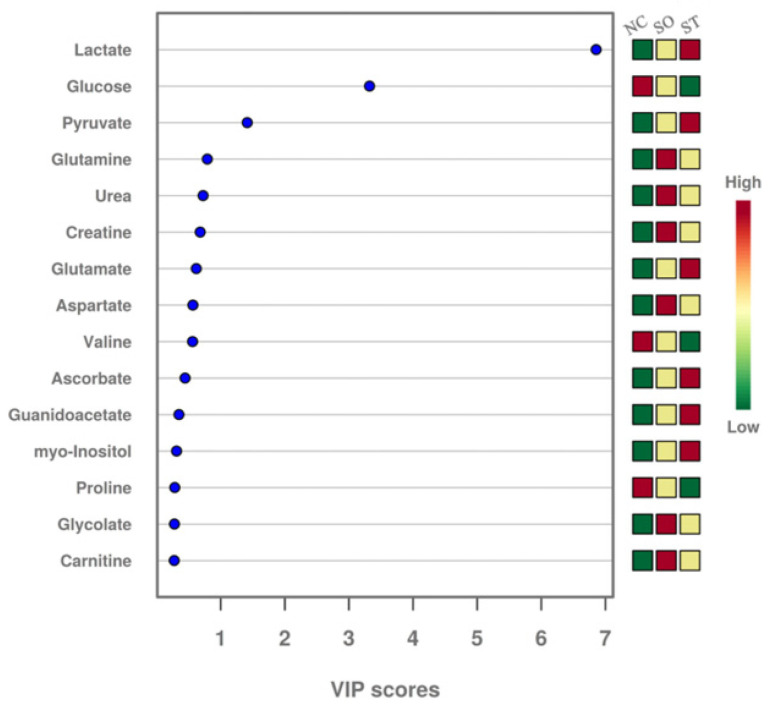 Figure 4
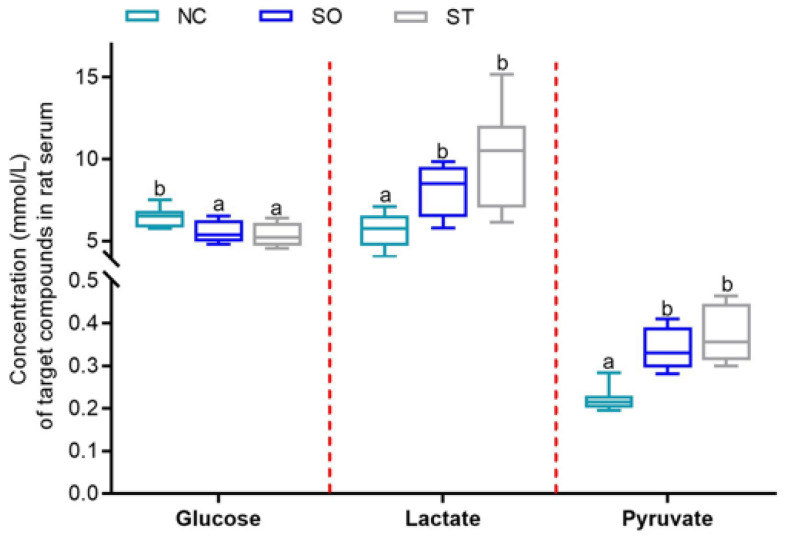 Figure 5
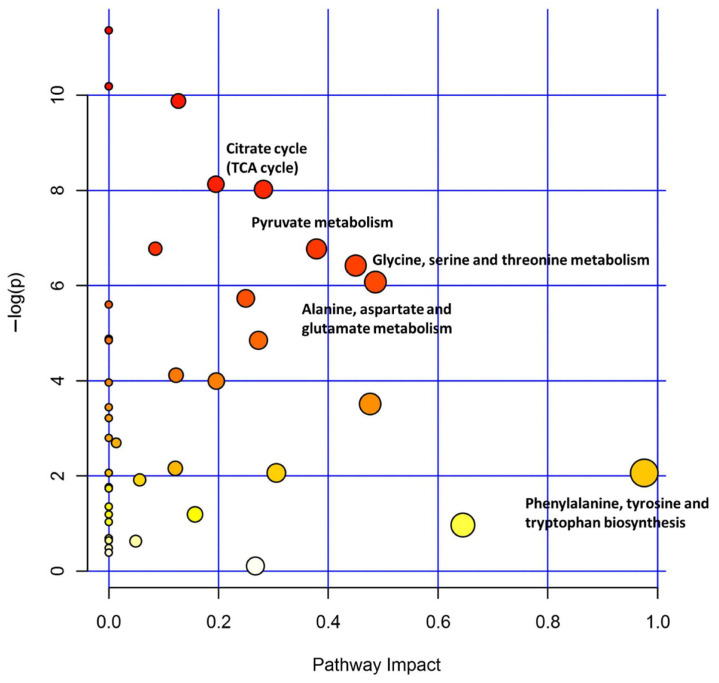 Figure 6
Peer Reviews
No public reviews on file for this paper yet. If you reviewed it on a platform where reviews are public (OpenReview, ICLR, NeurIPS, ICML), you can paste yours below so the community can read it here.
Videos
No videos yet. Explain this paper in a talk, walkthrough, or lecture? Add one.
Taxonomy
TopicsInsect and Pesticide Research · Healthcare and Venom Research · Bee Products Chemical Analysis