Synthesis, Molecular Electron Density Theory Study, Molecular Docking, and Pharmacological Evaluation of New Coumarin–Sulfonamide–Nitroindazolyl–Triazole Hybrids as Monoamine Oxidase Inhibitors
Mohammed Eddahmi, Gabriella La Spada, Luis R. Domingo, Gérard Vergoten, Christian Bailly, Marco Catto, Latifa Bouissane

TL;DR
This paper presents new hybrid compounds that inhibit monoamine oxidase B, potentially useful for treating neurological diseases.
Contribution
The study introduces novel coumarin–sulfonamide–nitroindazolyl–triazole hybrids with selective MAO B inhibition.
Findings
Hybrids 14a–c show selective inhibition of monoamine oxidase B.
Molecular docking reveals binding modes of the compounds with MAO A and B.
Nitration position on coumarin was confirmed using NMR and electron density theory.
Abstract
Inhibitors of monoamine oxidases (MAOs) are of interest for the treatment of neurodegenerative disorders and other human pathologies. In this frame, the present work describes different synthetic strategies to obtain MAO inhibitors via the coupling of the aminocoumarin core with arylsulfonyl chlorides followed by copper azide-alkyne cycloaddition, leading to coumarin–sulfonamide–nitroindazolyl–triazole hybrids. The nitration position on the coumarin moiety was confirmed through nuclear magnetic resonance spectroscopy and molecular electron density theory in order to elucidate the molecular mechanism and selectivity of the electrophilic aromatic substitution reaction. The coumarin derivatives were evaluated for their inhibitory potency against monoamine oxidases and cholinesterases. Molecular docking calculations provided a rational binding mode of the best compounds in the series with…
Genes, proteins, chemicals, diseases, species, mutations and cell lines named across the full text — each resolved to its canonical identifier and authoritative record.
Click any figure to enlarge with its caption.
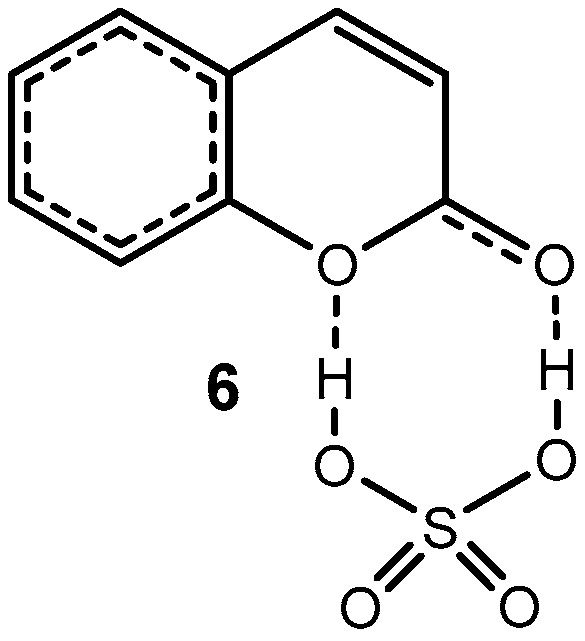 Figure 1
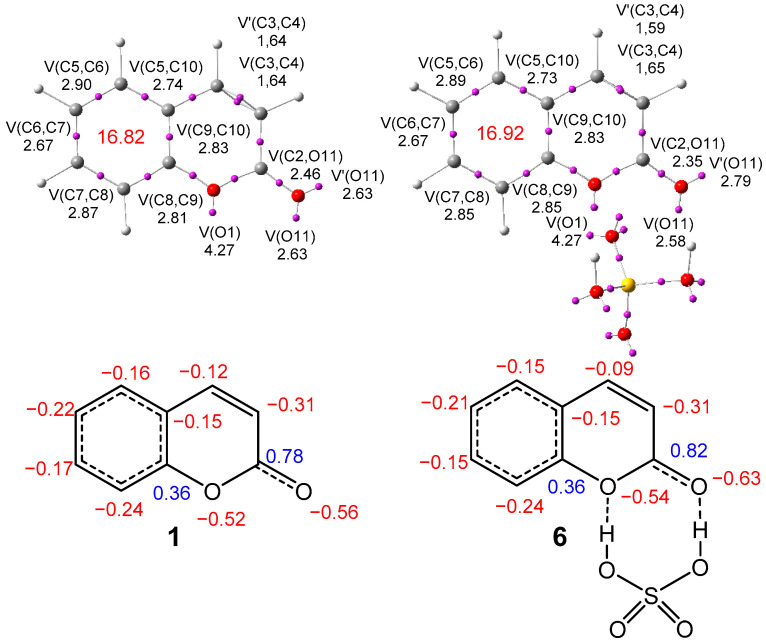 Figure 2
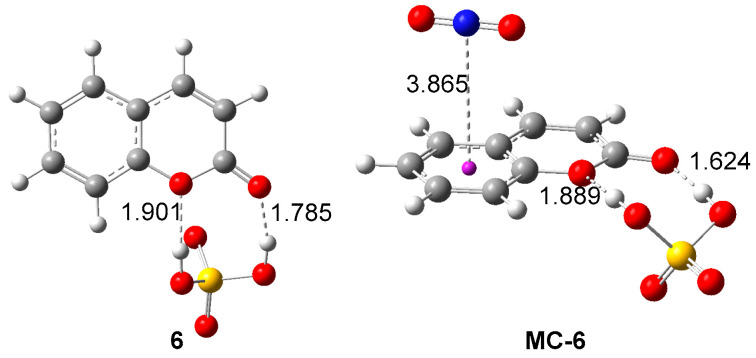 Figure 3
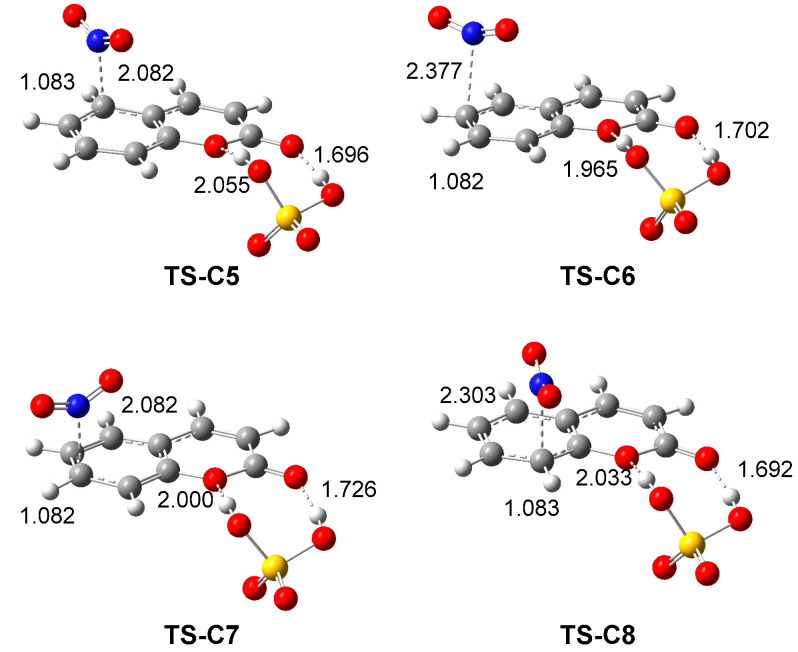 Figure 4
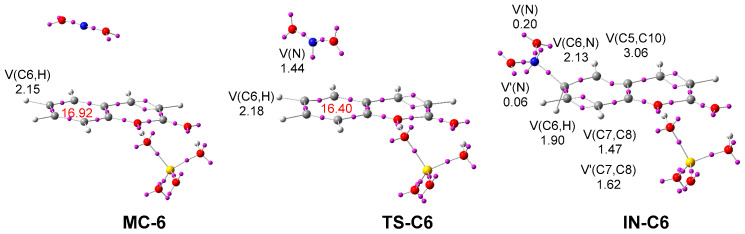 Figure 5
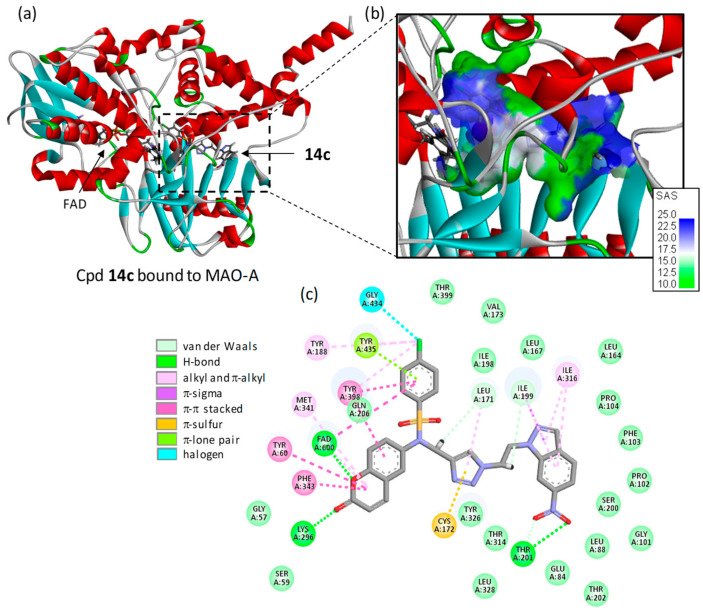 Figure 6
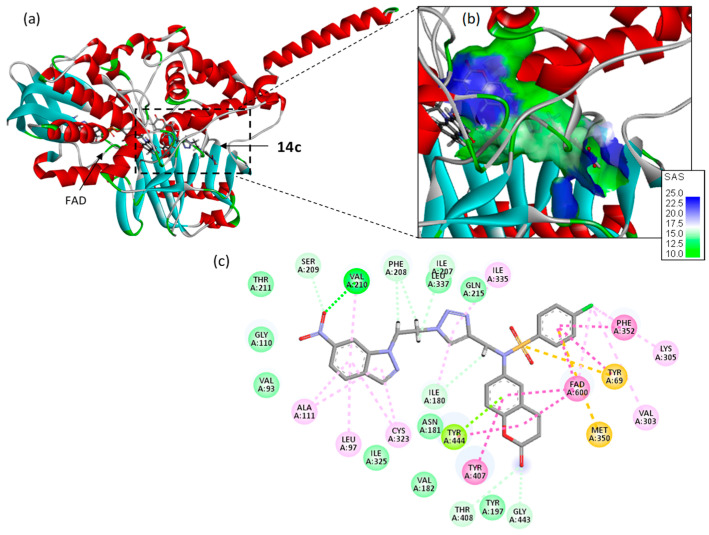 Figure 7
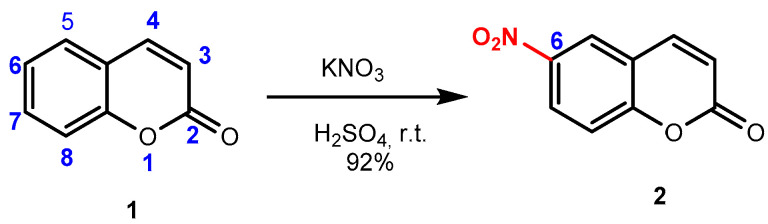 Figure 8
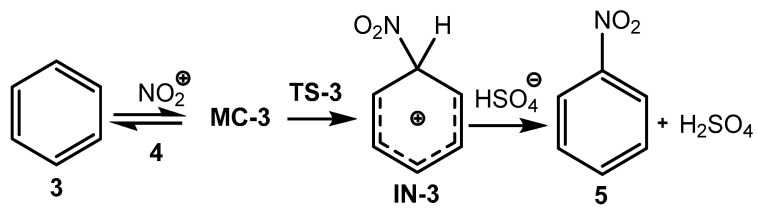 Figure 9
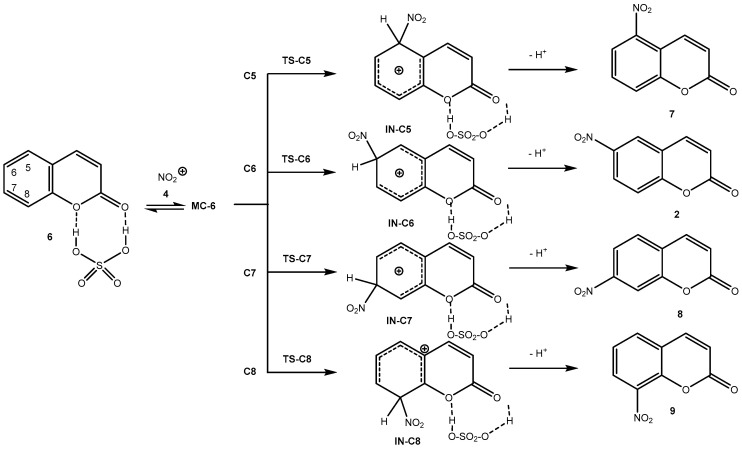 Figure 10
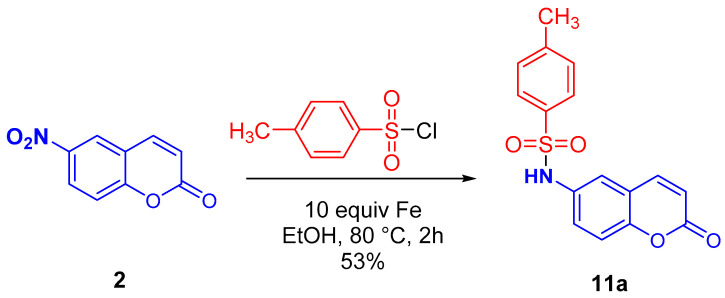 Figure 11
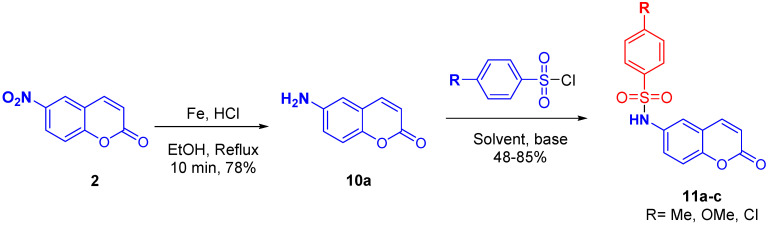 Figure 12
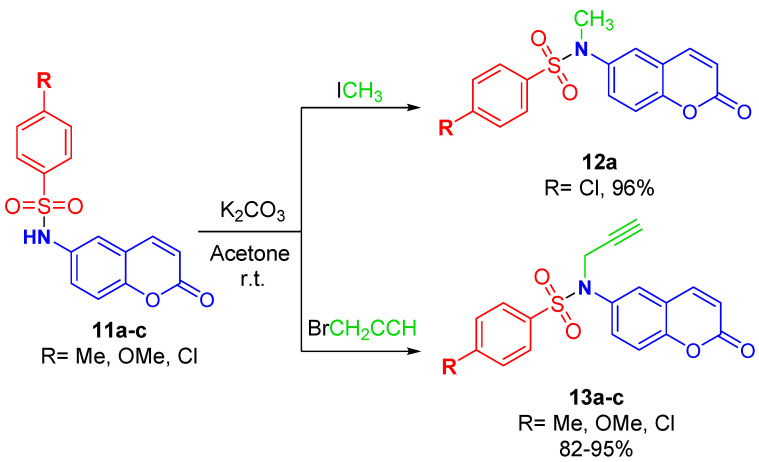 Figure 13
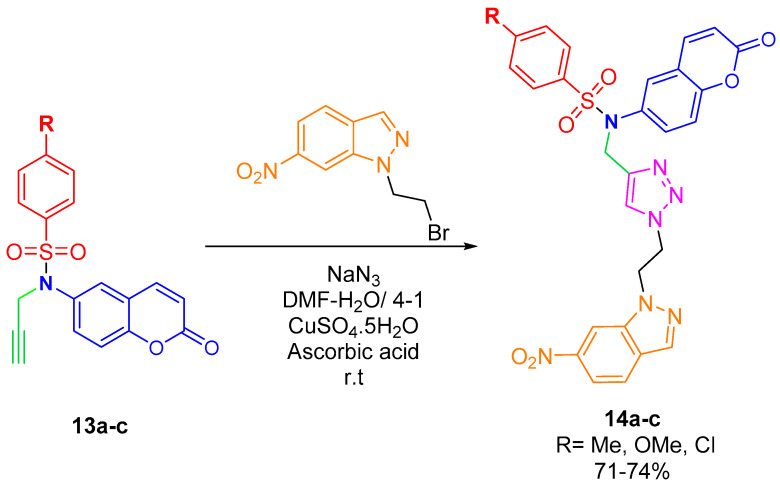 Figure 14
Peer Reviews
No public reviews on file for this paper yet. If you reviewed it on a platform where reviews are public (OpenReview, ICLR, NeurIPS, ICML), you can paste yours below so the community can read it here.
Videos
No videos yet. Explain this paper in a talk, walkthrough, or lecture? Add one.
Taxonomy
TopicsSynthesis and Biological Evaluation · Synthesis and biological activity · Organic Chemistry Cycloaddition Reactions