Interference of Particles with Fermionic Internal Degrees of Freedom
Jerzy Dajka

TL;DR
This paper explores how fermionic particles interfere in a Mach–Zehnder interferometer when influenced by classical and non-classical controls.
Contribution
The study introduces new control strategies to understand how internal fermion–fermion interactions affect interference patterns.
Findings
Classical controls alter interference patterns in predictable ways.
Non-classical controls reveal complex dependencies on internal fermion interactions.
The results suggest potential for probing quantum correlations in fermionic systems.
Abstract
The interference of fermionic particles, specifically molecules comprising a small number of fermions, in a Mach–Zehnder interferometer is being investigated under the influence of both classical and non-classical external controls. The aim is to identify control strategies that can elucidate the relationship between the interference pattern and the characteristics of internal fermion–fermion interactions.
Genes, proteins, chemicals, diseases, species, mutations and cell lines named across the full text — each resolved to its canonical identifier and authoritative record.
Click any figure to enlarge with its caption.
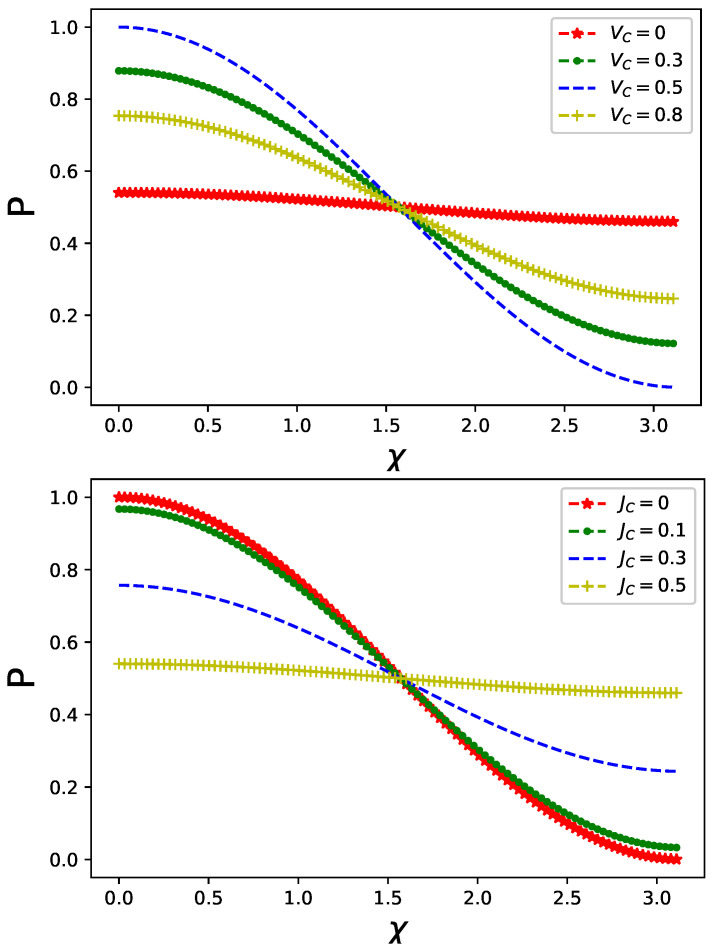 Figure 1
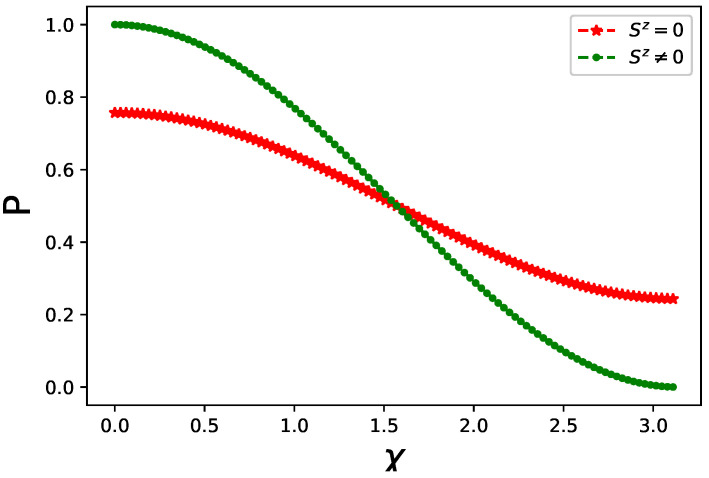 Figure 2
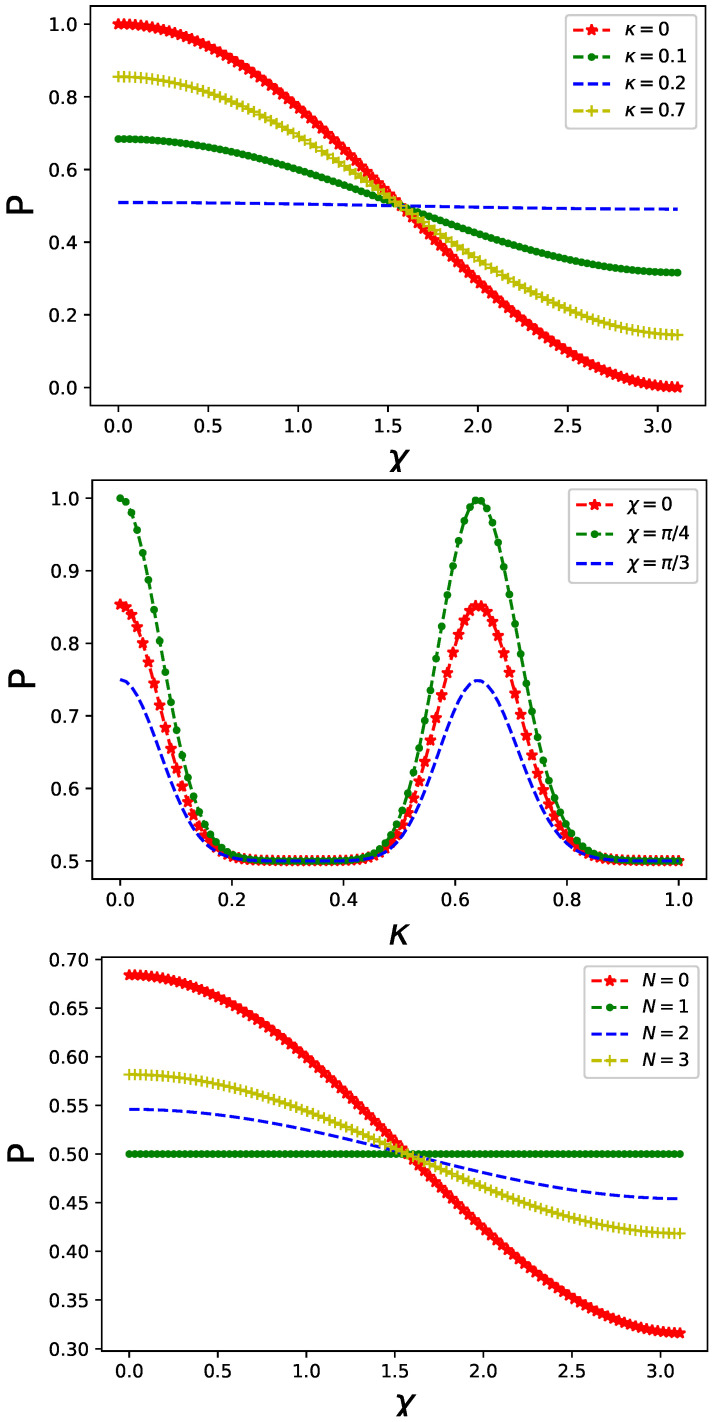 Figure 3
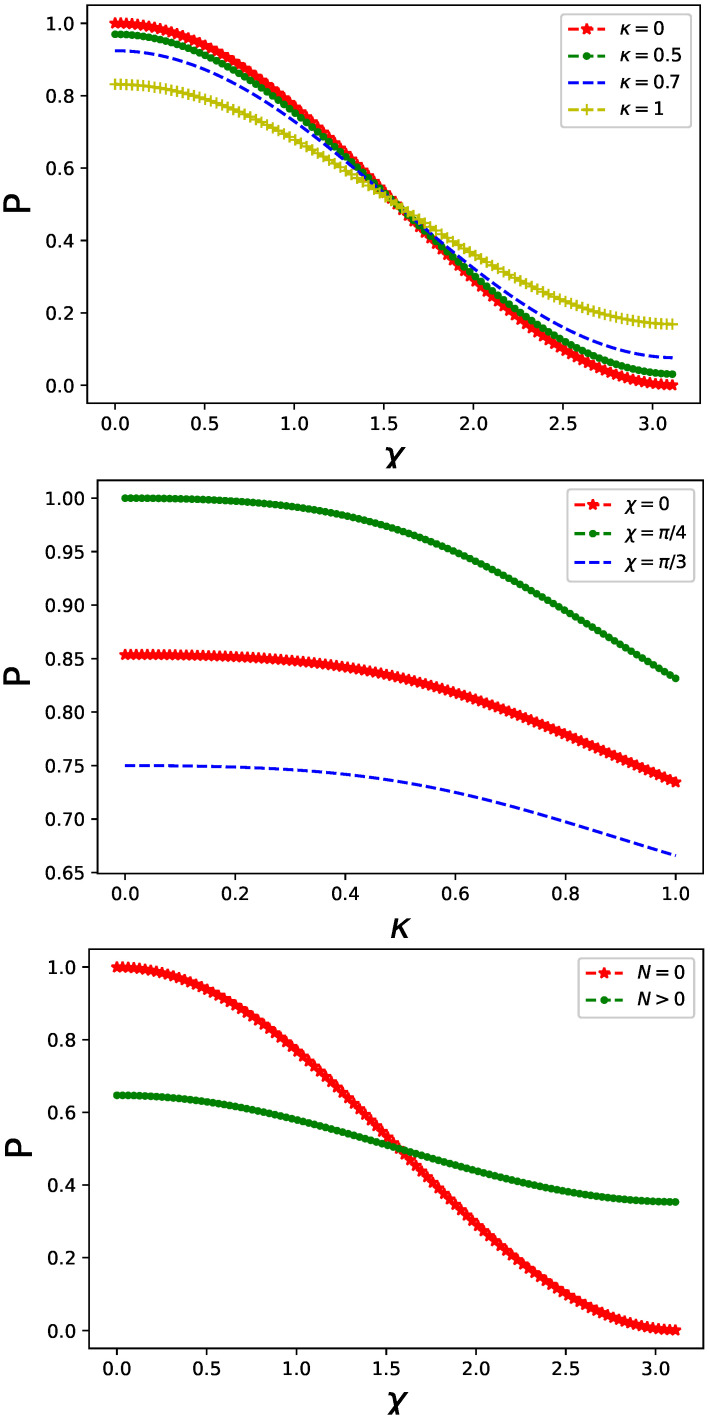 Figure 4
Peer Reviews
No public reviews on file for this paper yet. If you reviewed it on a platform where reviews are public (OpenReview, ICLR, NeurIPS, ICML), you can paste yours below so the community can read it here.
Videos
No videos yet. Explain this paper in a talk, walkthrough, or lecture? Add one.
Taxonomy
TopicsQuantum Information and Cryptography · Cold Atom Physics and Bose-Einstein Condensates · Quantum and electron transport phenomena