FFT-Based Probability Density Imaging of Euler Solutions
Shujin Cao, Peng Chen, Guangyin Lu, Zhiyuan Ma, Bo Yang, Xinyue Chen

TL;DR
This paper introduces a new method for analyzing Euler solutions using probability density estimation to better identify and separate anomaly sources.
Contribution
The novel contribution is the BSSFFT method, which uses FFT-based probability density estimation with fast linear binning to efficiently process Euler solutions.
Findings
The BSSFFT algorithm correctly estimates probability density and matches true distributions in synthetic tests.
BSSFFT effectively separates and locates adjacent anomaly sources in real-world data like Bishop 5X.
The method demonstrates strong adaptability and computational efficiency compared to traditional approaches.
Abstract
When using traditional Euler deconvolution optimization strategies, it is difficult to distinguish between anomalies and their corresponding Euler tails (those solutions are often distributed outside the anomaly source, forming “tail”-shaped spurious solutions, i.e., misplaced Euler solutions, which must be removed or marked) with only the structural index. The nonparametric estimation method based on the normalized B-spline probability density (BSS) is used to separate the Euler solution clusters and mark different anomaly sources according to the similarity and density characteristics of the Euler solutions. For display purposes, the BSS needs to map the samples onto the estimation grid at the points where density will be estimated in order to obtain the probability density distribution. However, if the size of the samples or the estimation grid is too large, this process can lead to…
Genes, proteins, chemicals, diseases, species, mutations and cell lines named across the full text — each resolved to its canonical identifier and authoritative record.
Click any figure to enlarge with its caption.
 Figure 1
 Figure 2
 Figure 3
 Figure 4
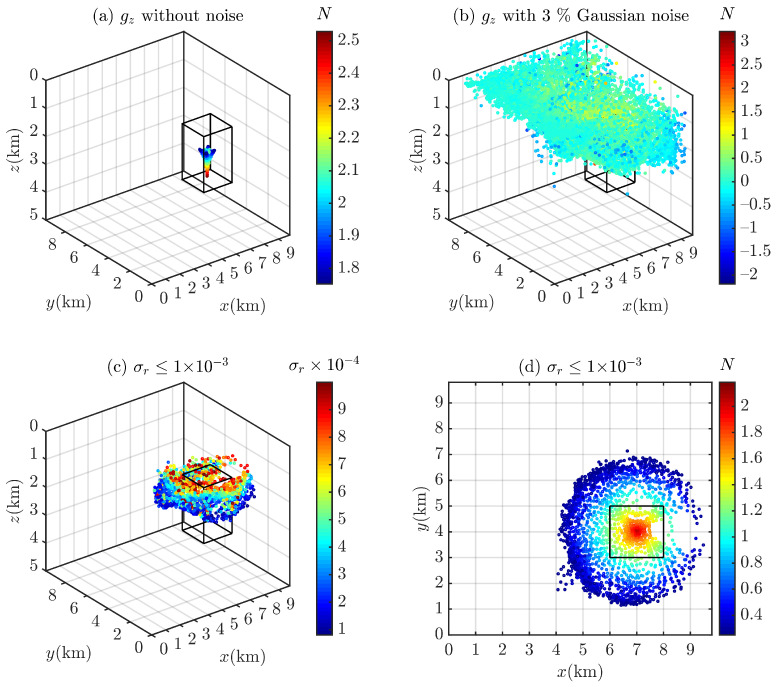 Figure 5
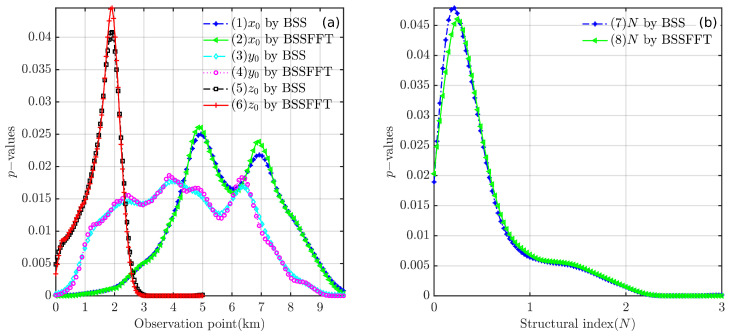 Figure 6
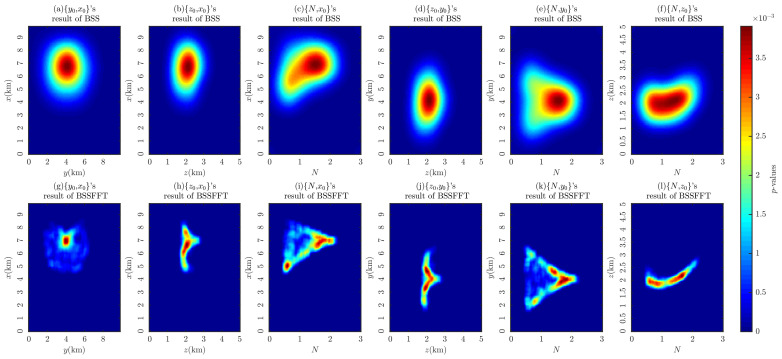 Figure 7
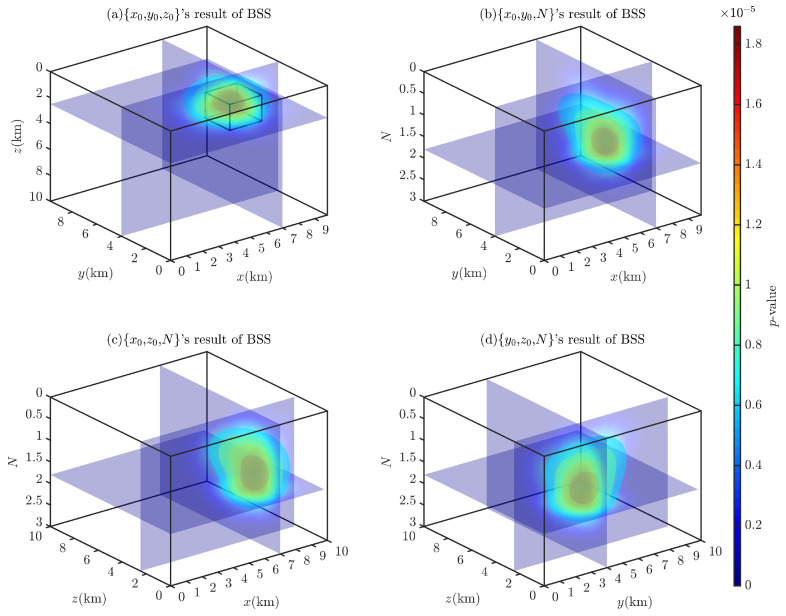 Figure 8
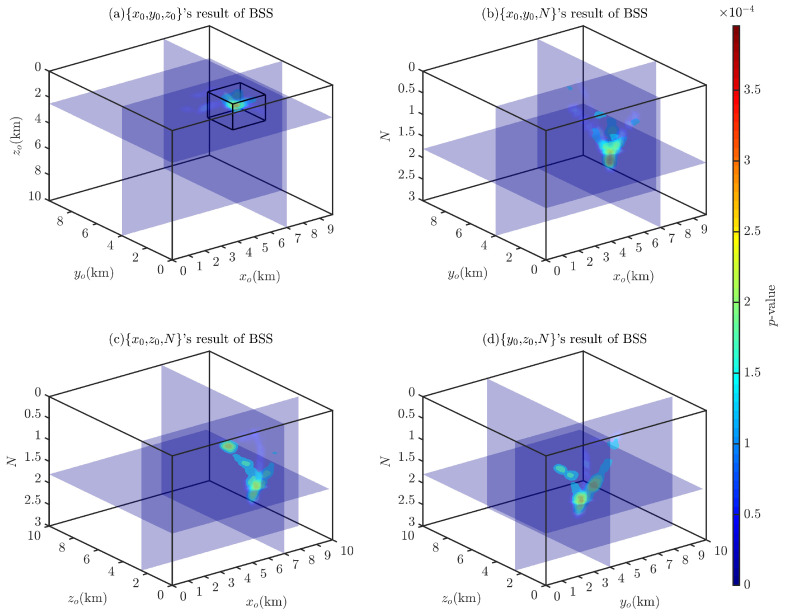 Figure 9
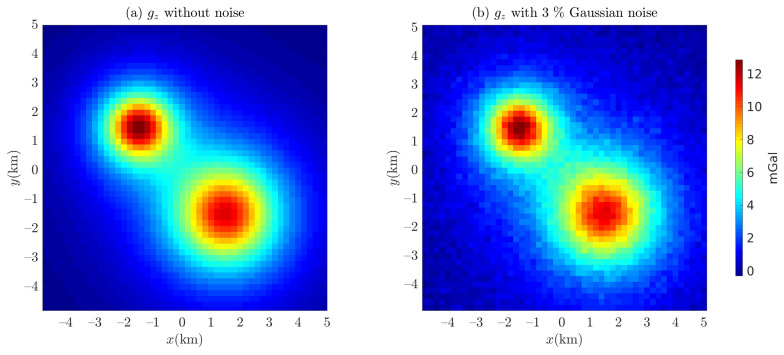 Figure 10
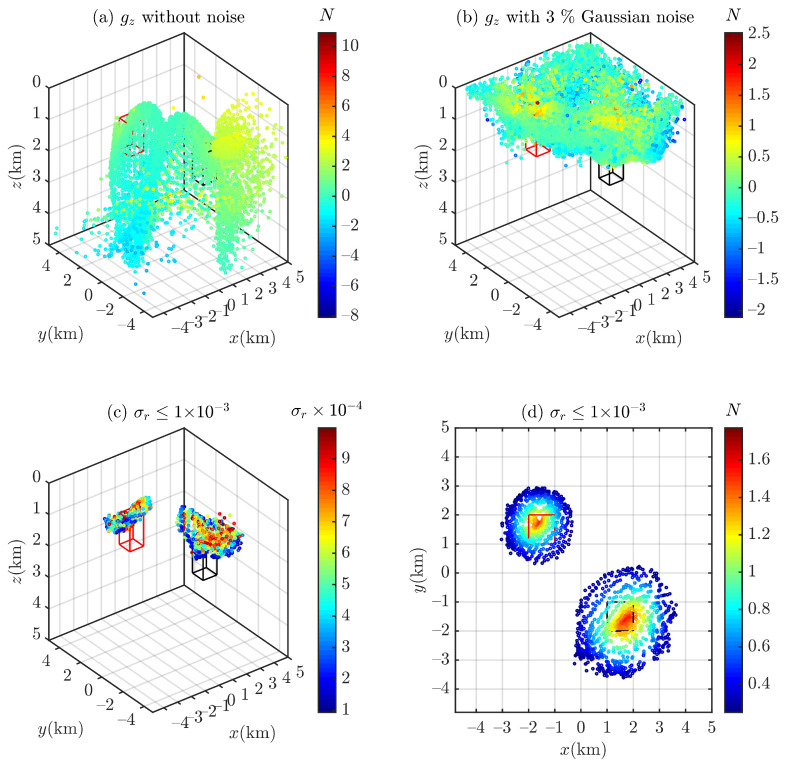 Figure 11
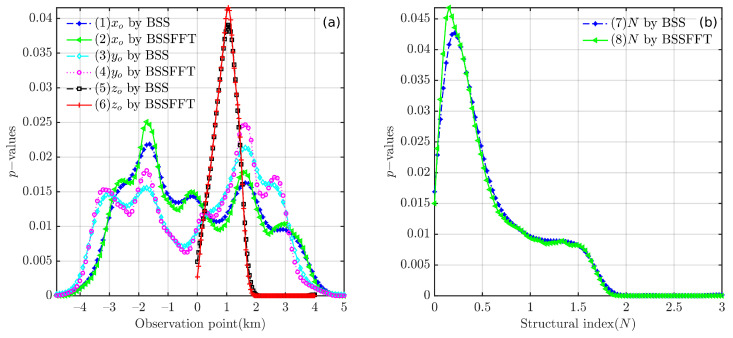 Figure 12
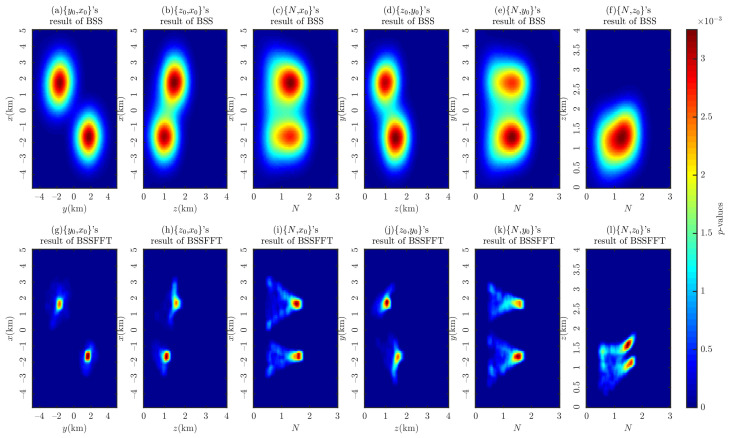 Figure 13
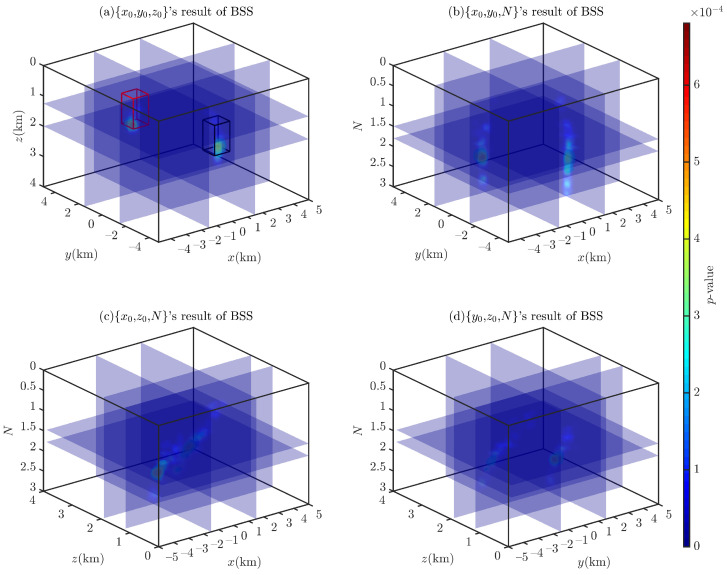 Figure 14
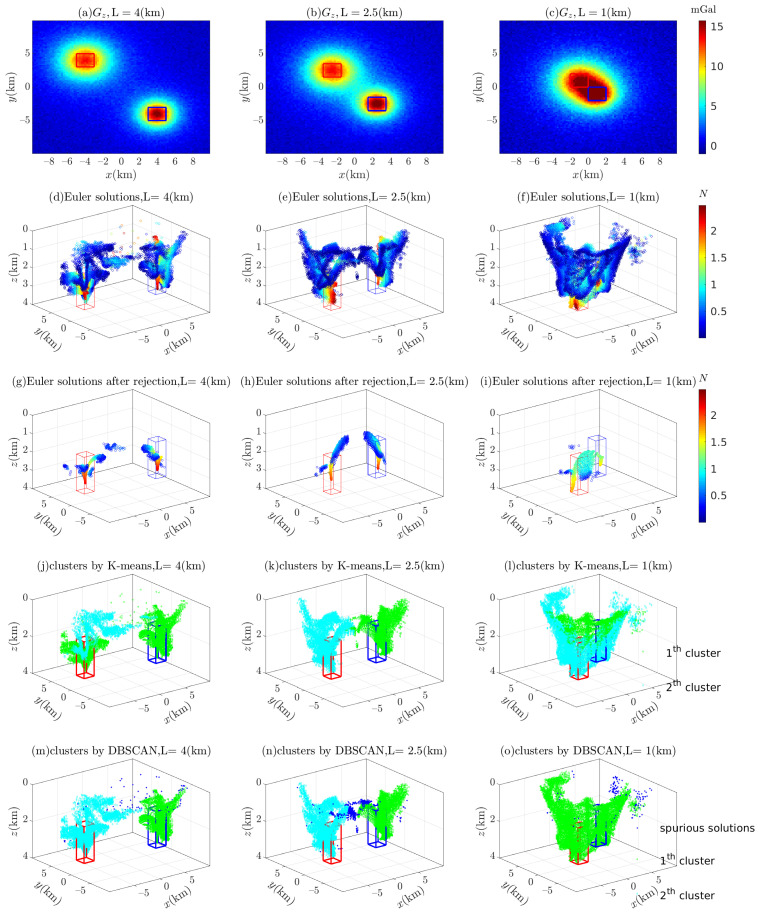 Figure 15
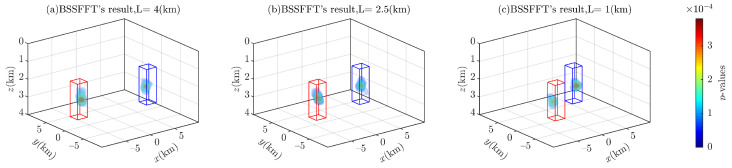 Figure 16
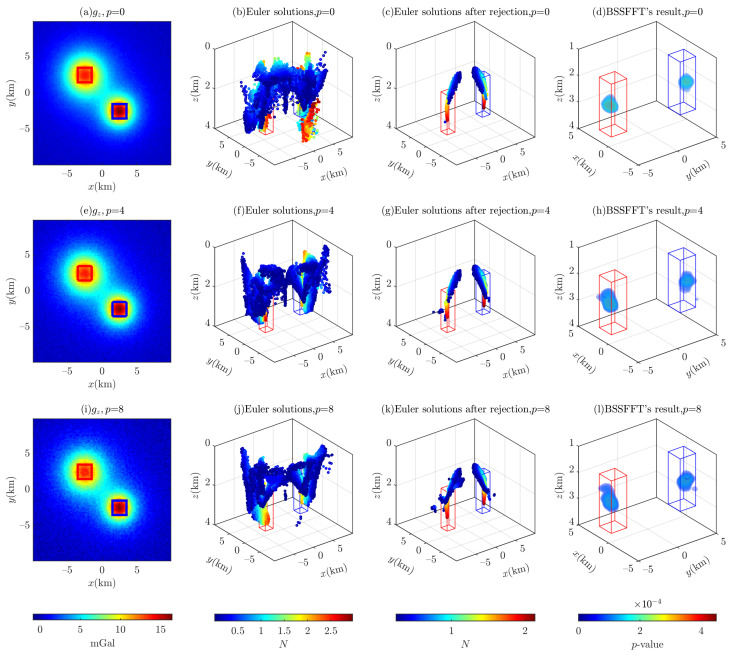 Figure 17
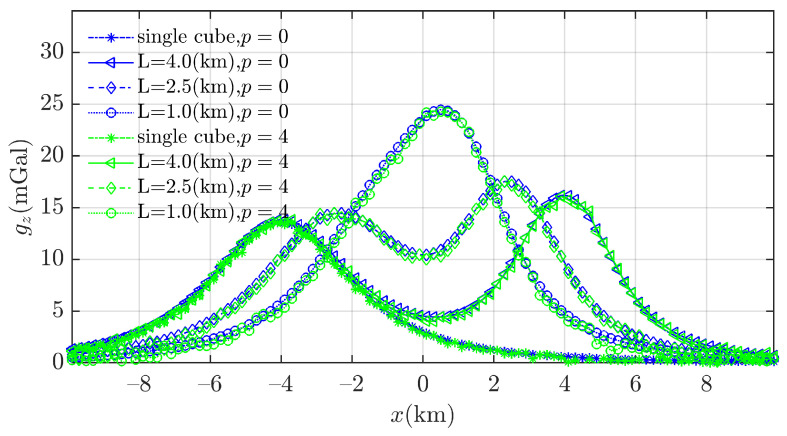 Figure 18
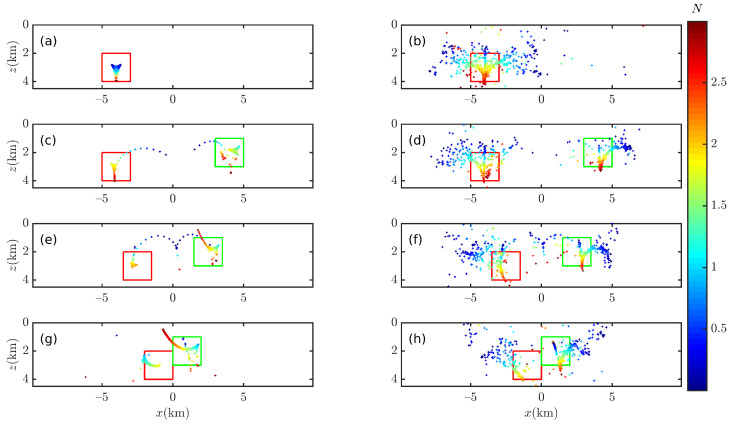 Figure 19
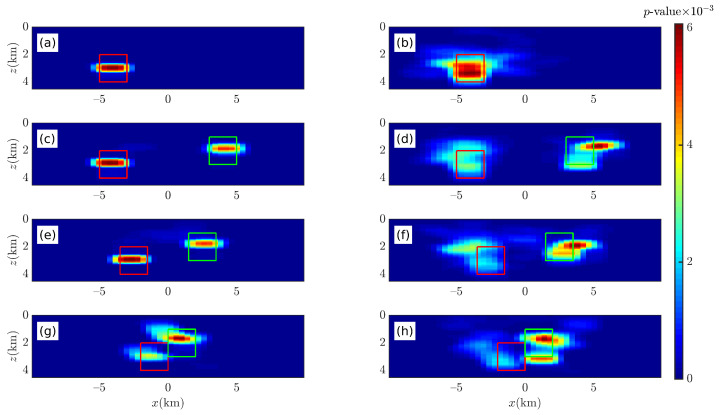 Figure 20
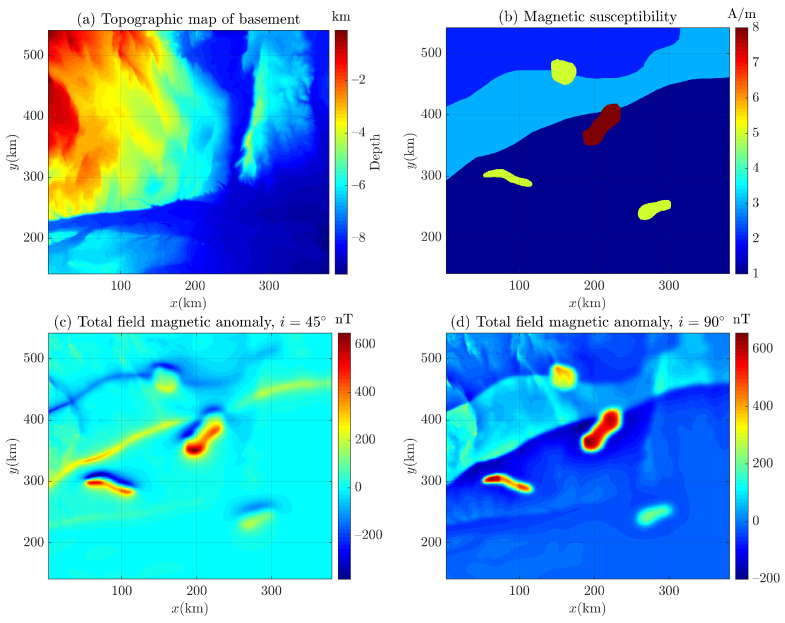 Figure 21
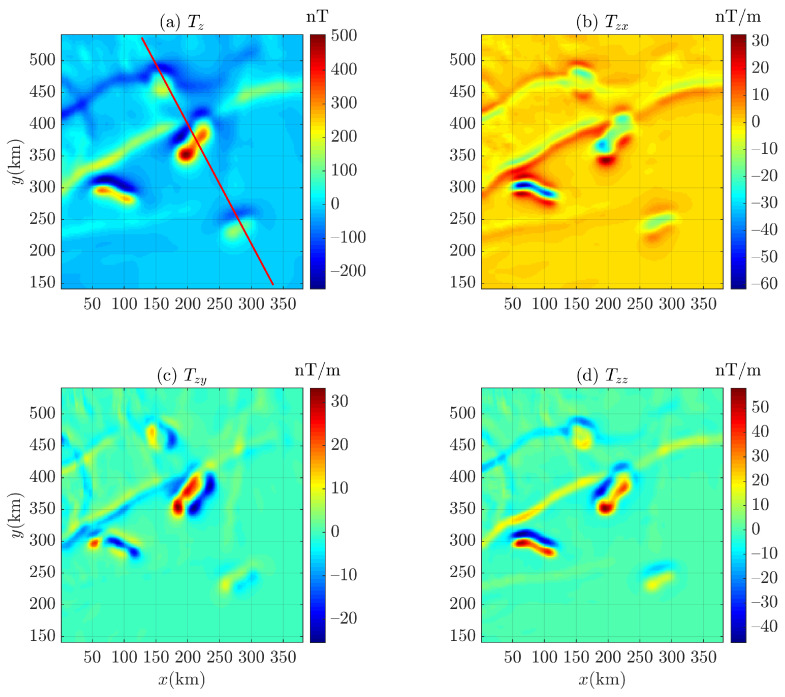 Figure 22
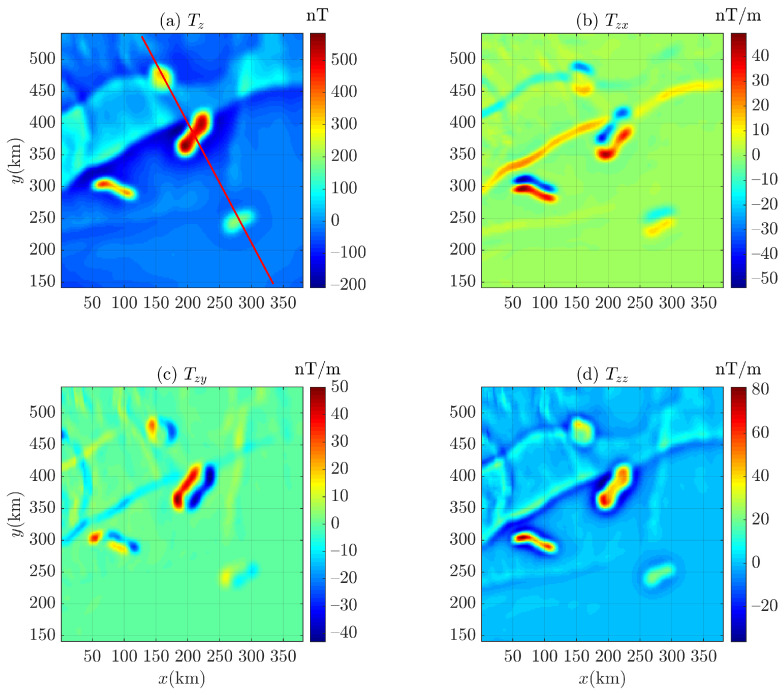 Figure 23
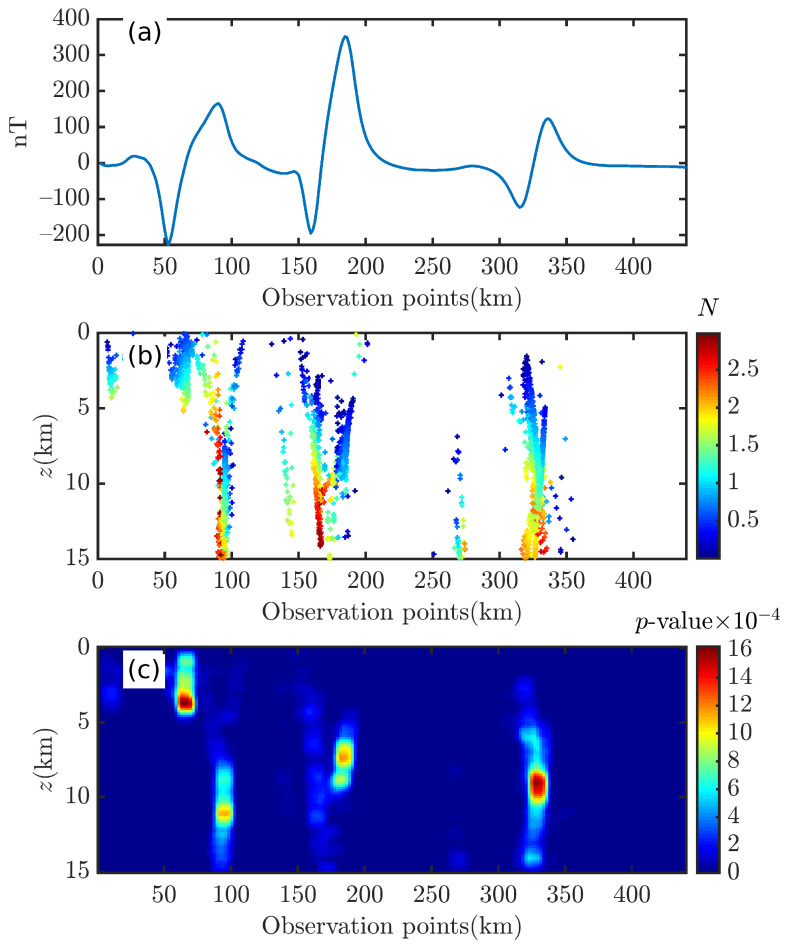 Figure 24
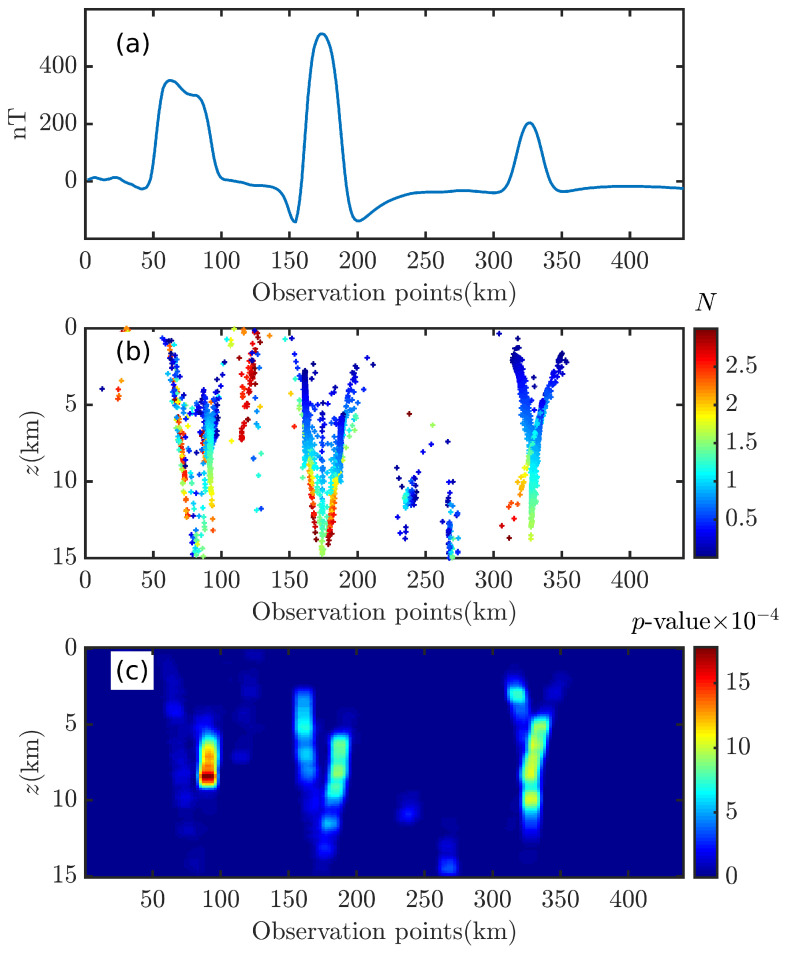 Figure 25
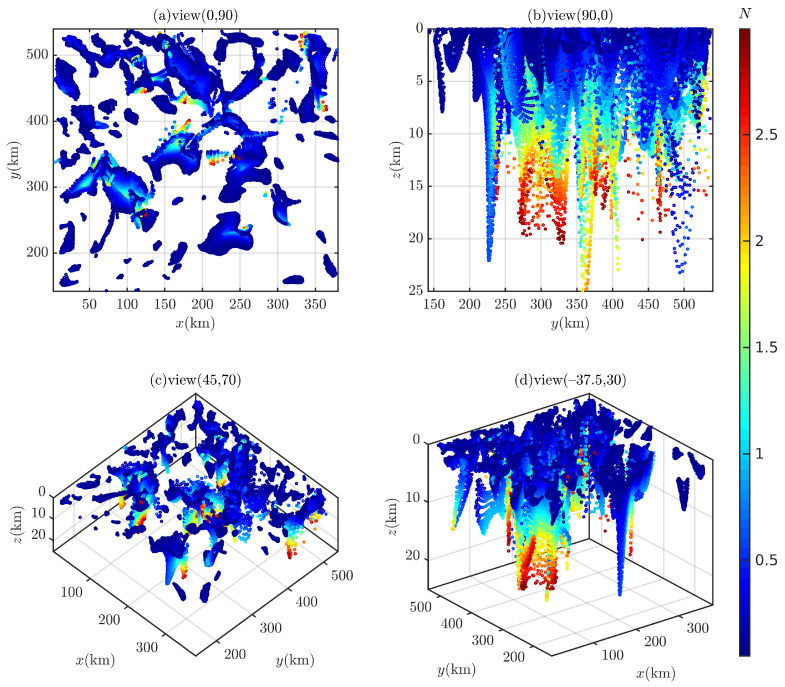 Figure 26
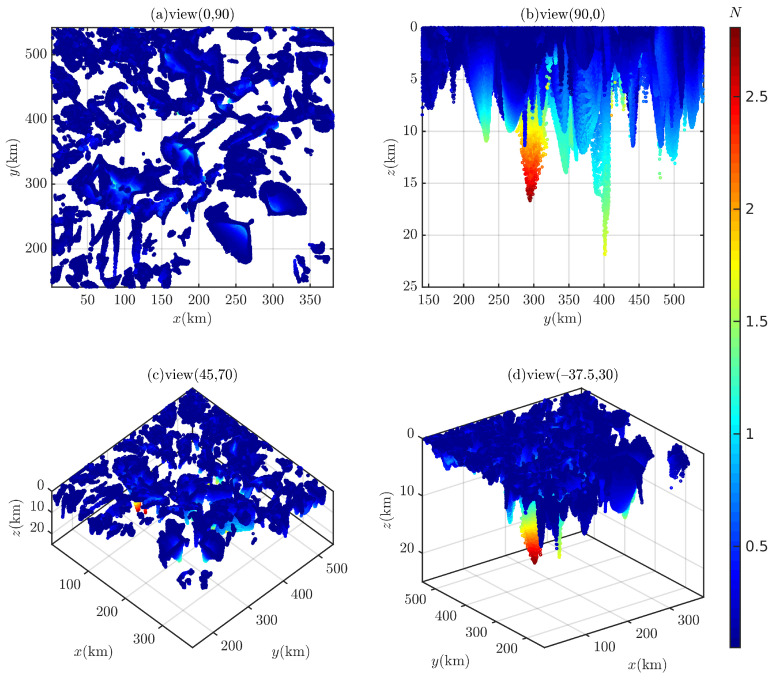 Figure 27
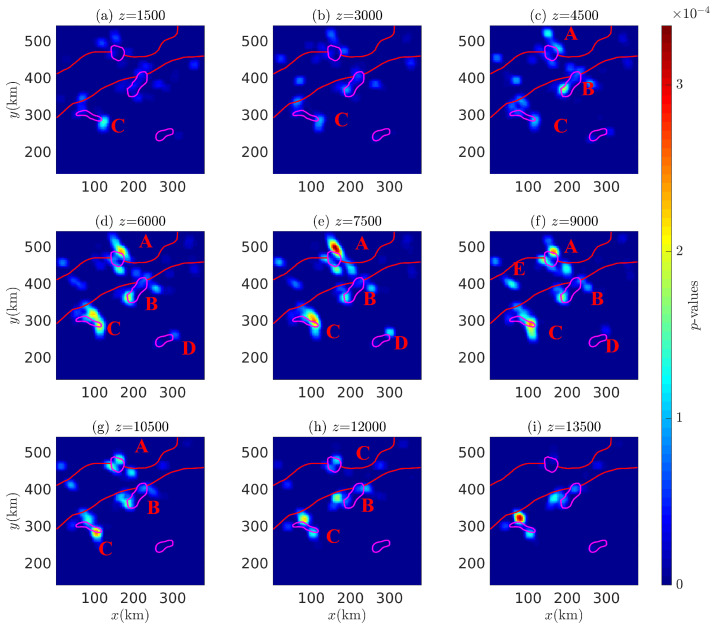 Figure 28
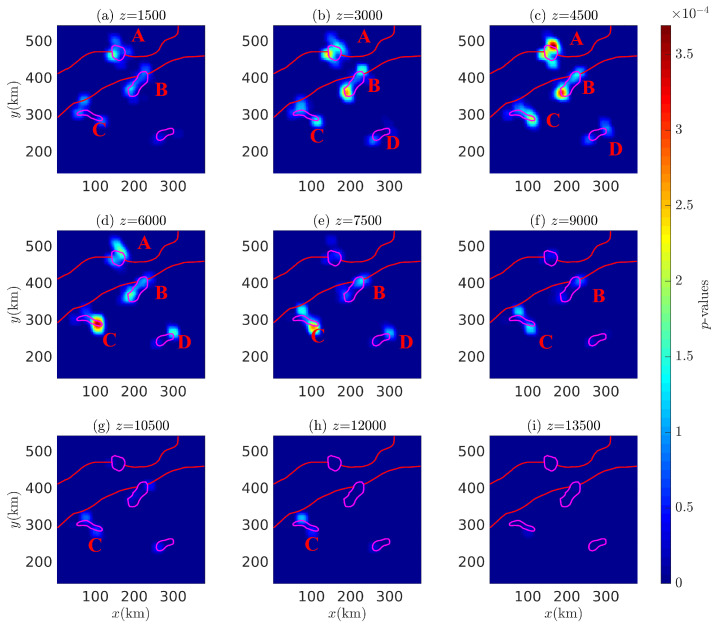 Figure 29
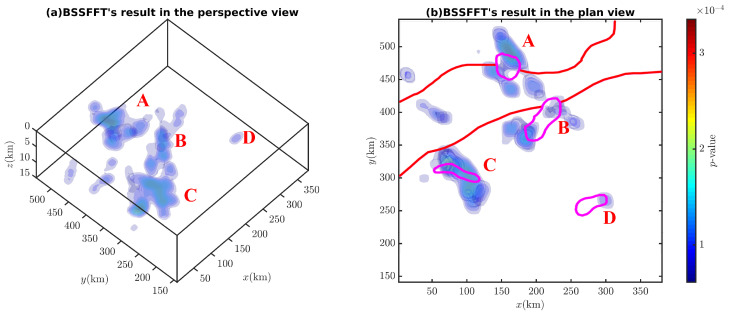 Figure 30
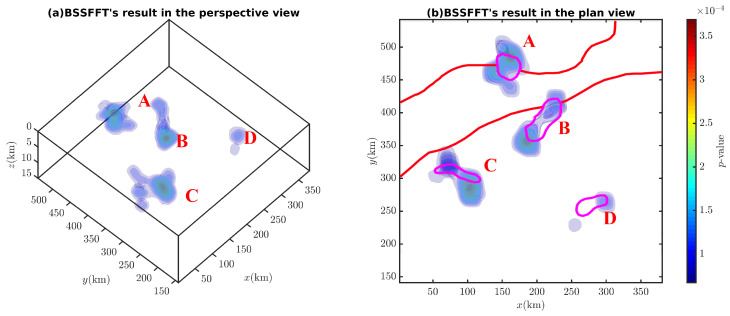 Figure 31
Peer Reviews
No public reviews on file for this paper yet. If you reviewed it on a platform where reviews are public (OpenReview, ICLR, NeurIPS, ICML), you can paste yours below so the community can read it here.
Videos
No videos yet. Explain this paper in a talk, walkthrough, or lecture? Add one.
Taxonomy
TopicsSeismic Imaging and Inversion Techniques · Geophysical and Geoelectrical Methods · Computational Physics and Python Applications