Influence of Boiling Time on Chemical Composition and Properties of Tender and Mature Moringa Pods
María Luisa Castelló, Tomás Sesé, Francisco José García-Mares, María del Sol Juan-Borrás, María Dolores Ortolá

TL;DR
This study examines how boiling affects the chemical and physical properties of tender and mature Moringa pods at different cooking times.
Contribution
The study provides new insights into how boiling time influences the chemical composition and properties of Moringa pods at different maturity stages.
Findings
Tender pods gained mass during boiling, while mature pods lost mass.
Phenolic compounds like ferulic and ellagic acids disappeared during boiling, while others like epicatechin appeared.
Boiling may improve the organoleptic properties and extend the shelf life of Moringa pods.
Abstract
Moringa oleifera is a plant native to India that is well adapted to warm climates with a high yield and low agronomic requirements. Pods are one of the edible parts of this plant and are commonly consumed in some places, (India, Morocco, etc.) when in an early vegetative state. However, both production and consumption of this plant are scarce and seasonal in Europe and treatments to extend its shelf life are required. Therefore, the aim of this study has been to evaluate the variation in the physicochemical properties of Moringa oleifera pods at two stages of maturity, tender and mature, in terms of mass variation, optical and mechanical properties, protein content, total antioxidant capacity and phenolic profile, after boiling them in tap water at 100 °C for different lengths of time (0, 2, 5, 8, 12, 16, and 20 min). The mass of the tender pods increased by 15% during cooking, while…
Genes, proteins, chemicals, diseases, species, mutations and cell lines named across the full text — each resolved to its canonical identifier and authoritative record.
Click any figure to enlarge with its caption.
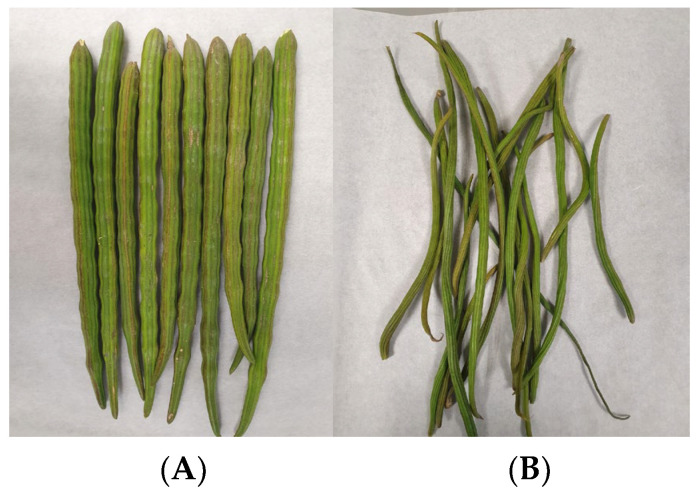 Figure 1
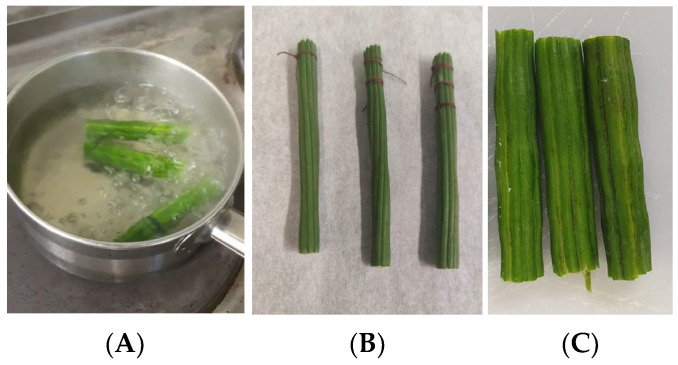 Figure 2
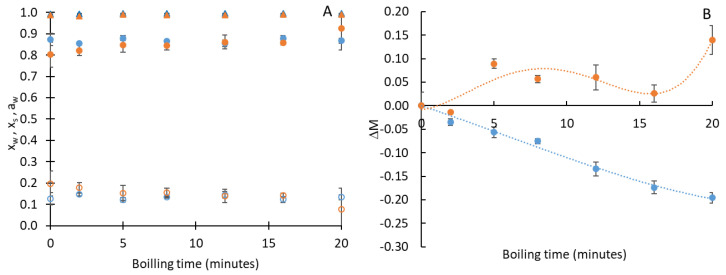 Figure 3
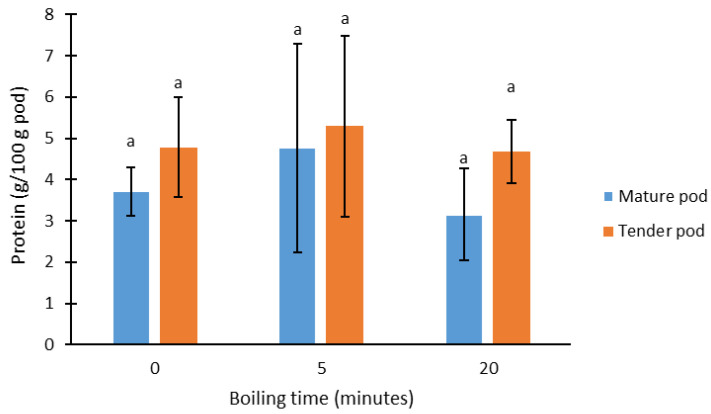 Figure 4
 Figure 5
 Figure 6
 Figure 7
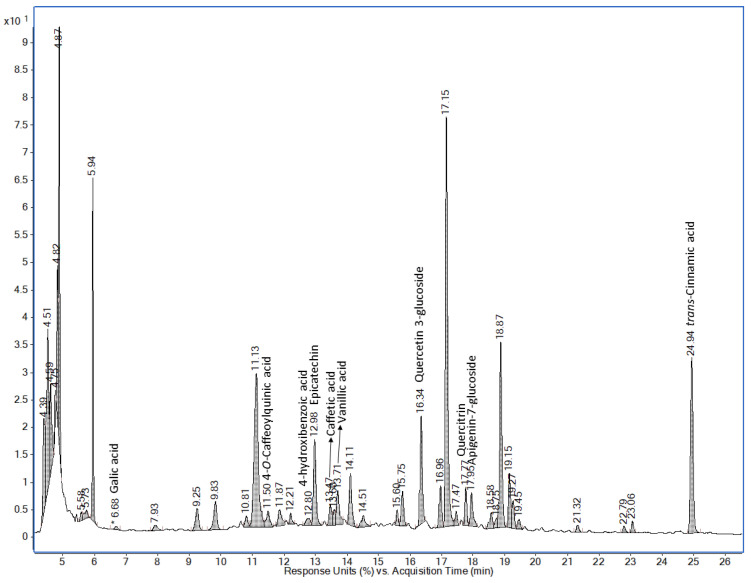 Figure 8
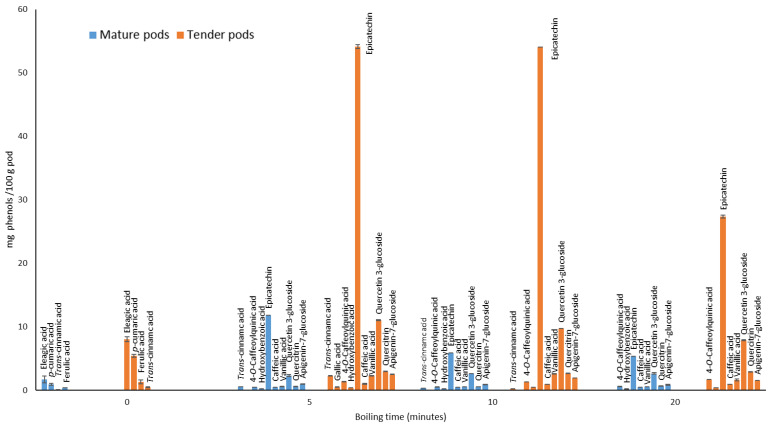 Figure 9
Peer Reviews
No public reviews on file for this paper yet. If you reviewed it on a platform where reviews are public (OpenReview, ICLR, NeurIPS, ICML), you can paste yours below so the community can read it here.
Videos
No videos yet. Explain this paper in a talk, walkthrough, or lecture? Add one.
Taxonomy
TopicsMoringa oleifera research and applications · Hibiscus Plant Research Studies · Pomegranate: compositions and health benefits