A 22-G or a 25-G Needle: Which One to Use in the Diagnostics of Solid Pancreatic Lesions? A Systematic Review and Meta-Analysis
Łukasz Nawacki, Iwona Gorczyca-Głowacka, Paweł Zieliński, Przemysław Znamirowski, Monika Kozłowska-Geller, Agnieszka Ciba-Stemplewska, Magdalena Kołomańska

TL;DR
This study compares the effectiveness of 22-G and 25-G needles for diagnosing pancreatic cancer through biopsies and finds both are equally safe and effective.
Contribution
The study provides a systematic review and meta-analysis comparing two commonly used needle sizes for pancreatic lesion biopsies.
Findings
22-G and 25-G needles show equivalent safety and efficacy in diagnosing solid pancreatic lesions.
Both needle sizes have high accuracy, sensitivity, and specificity without significant complication risks.
Abstract
Most cases of pancreatic cancer are diagnosed at an advanced stage, where a significant dissemination of the tumor is present. Many patients with locally progressed cancer were subjected to neoadjuvant therapy. To qualify for such treatment, a diagnosis of cancer had to be confirmed. We performed a comparative analysis of two needles of different sizes which are most frequently used in endoscopic ultrasound (EUS)-guided fine needle aspiration (FNA). Fourteen randomized controlled clinical trials were investigated. The outcomes of our meta-analysis revealed that 22-gauge (G) and 25-G needles are of equivalent safety and efficacy as proved by their high accuracy, sensitivity, and specificity in focal pancreatic lesion biopsy acquisition, while not possessing a high risk of biopsy-related complications. With the 12th highest incidence and a common late diagnostic at advanced stages,…
Genes, proteins, chemicals, diseases, species, mutations and cell lines named across the full text — each resolved to its canonical identifier and authoritative record.
Click any figure to enlarge with its caption.
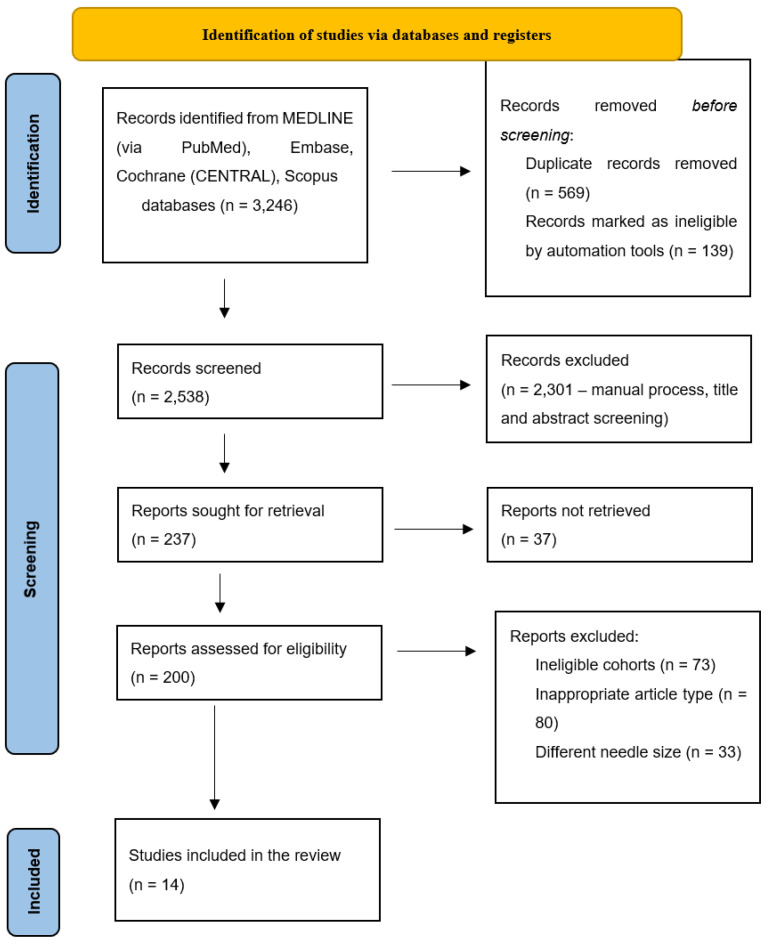 Figure 1
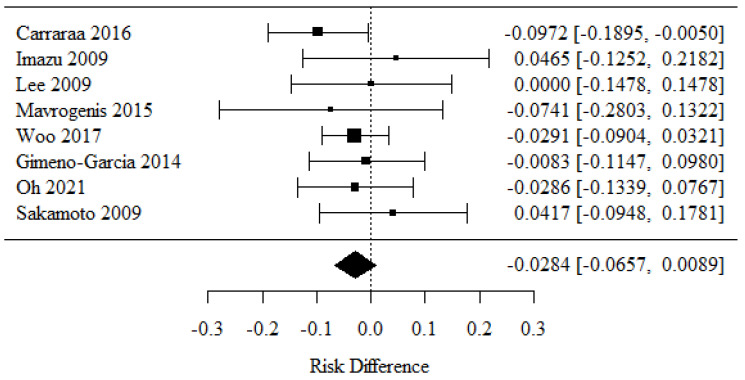 Figure 2
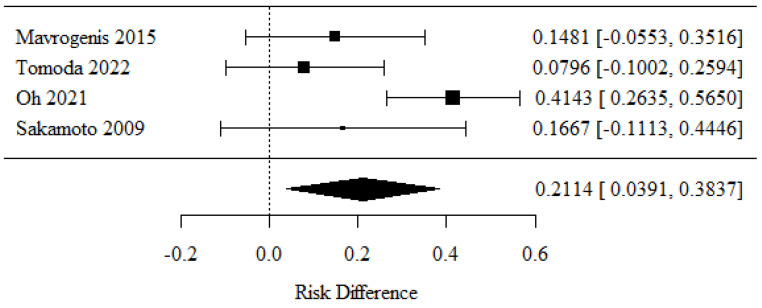 Figure 3
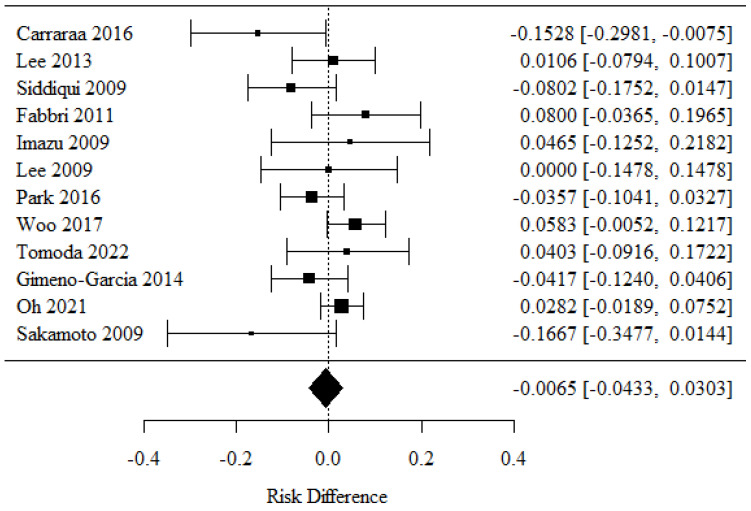 Figure 4
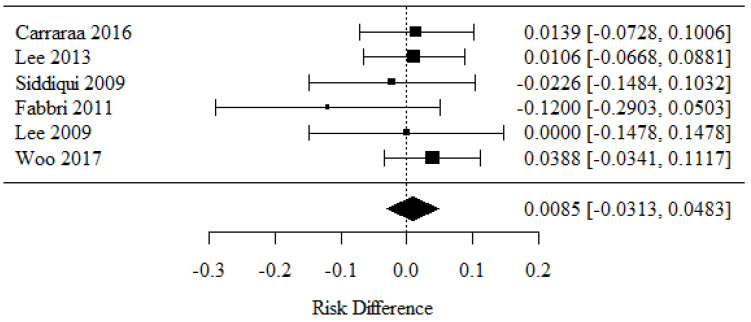 Figure 5
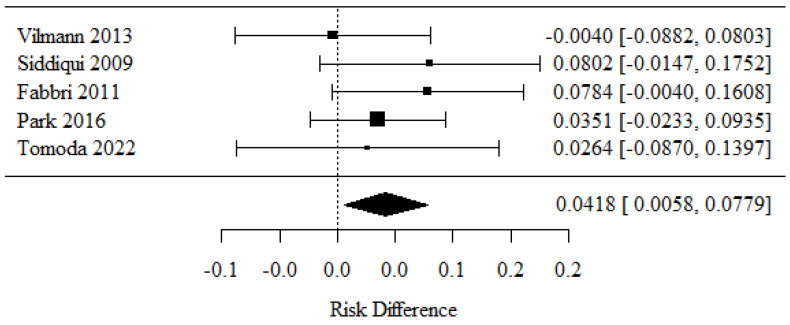 Figure 6
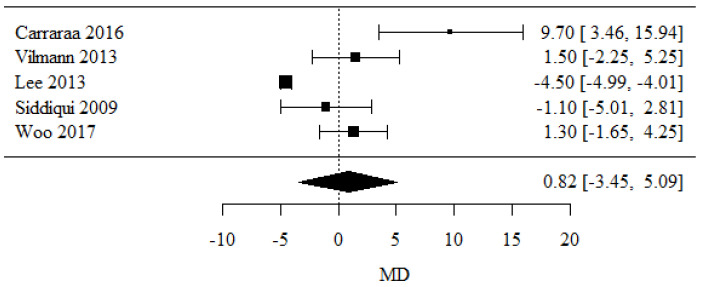 Figure 7
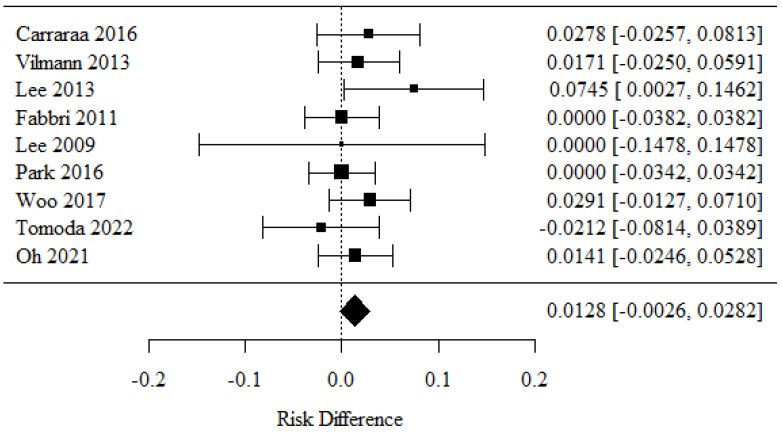 Figure 8
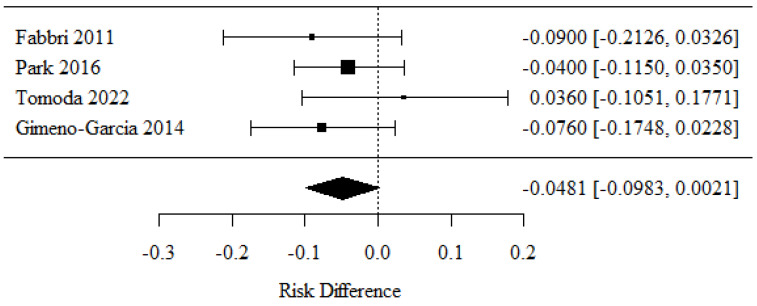 Figure 9
Peer Reviews
No public reviews on file for this paper yet. If you reviewed it on a platform where reviews are public (OpenReview, ICLR, NeurIPS, ICML), you can paste yours below so the community can read it here.
Videos
No videos yet. Explain this paper in a talk, walkthrough, or lecture? Add one.
Taxonomy
TopicsPancreatic and Hepatic Oncology Research · Pancreatitis Pathology and Treatment · Neuroendocrine Tumor Research Advances