Neural Mechanisms of Inhibition in Scientific Reasoning: Insights from fNIRS
Donglin Liu, Samrah Jamshaid, Lijuan Wang

TL;DR
This study uses brain imaging to show how inhibition in specific brain regions affects scientific reasoning and can inform better educational strategies.
Contribution
The study identifies the neural mechanisms of inhibition in scientific reasoning using fNIRS and modified cognitive tasks.
Findings
Slower responses and lower accuracy on incongruent statements correlate with increased activity in the DLPFC and pre-SMA.
Both DLPFC and pre-SMA are linked to overcoming misconceptions in scientific reasoning.
Inhibitory mechanisms in these brain regions influence scientific reasoning performance.
Abstract
This study examines the impact of response and semantic inhibition on scientific reasoning using fNIRS data from 30 students (15 male, 15 female). Utilizing Go/Nogo and Stroop-like tasks within a modified speeded-reasoning task, it was found that inhibition significantly influences scientific reasoning. Specifically, slower responses and lower accuracy on incongruent statements were linked to increased activity in bilateral dorsolateral prefrontal cortex (DLPFC) and pre-supplementary motor area (pre-SMA). The research shows that both DLPFC and pre-SMA are associated with overcoming misconceptions in scientific reasoning. The findings suggest that understanding inhibitory mechanisms can enhance educational strategies to improve critical thinking and scientific literacy.
Genes, proteins, chemicals, diseases, species, mutations and cell lines named across the full text — each resolved to its canonical identifier and authoritative record.
Click any figure to enlarge with its caption.
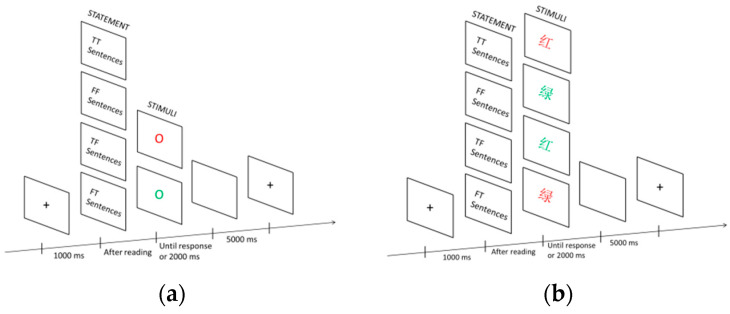 Figure 1
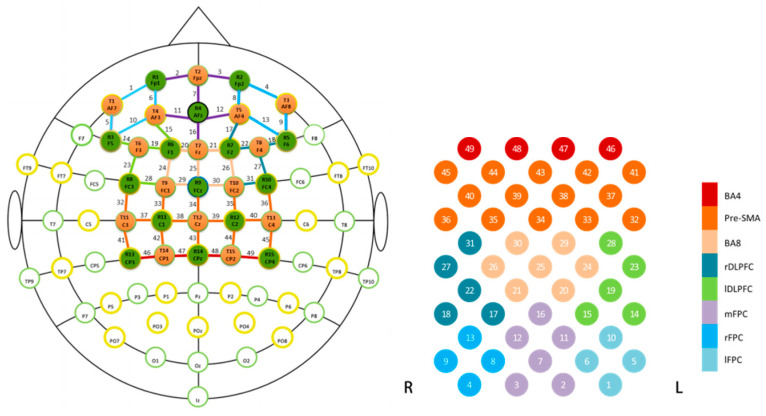 Figure 2
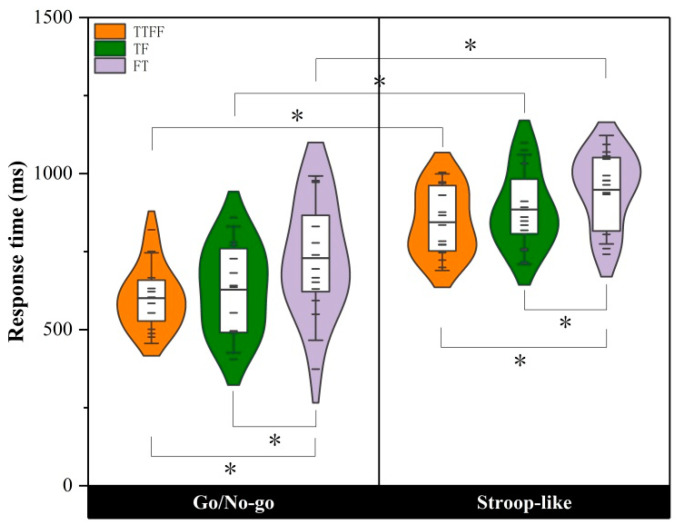 Figure 3
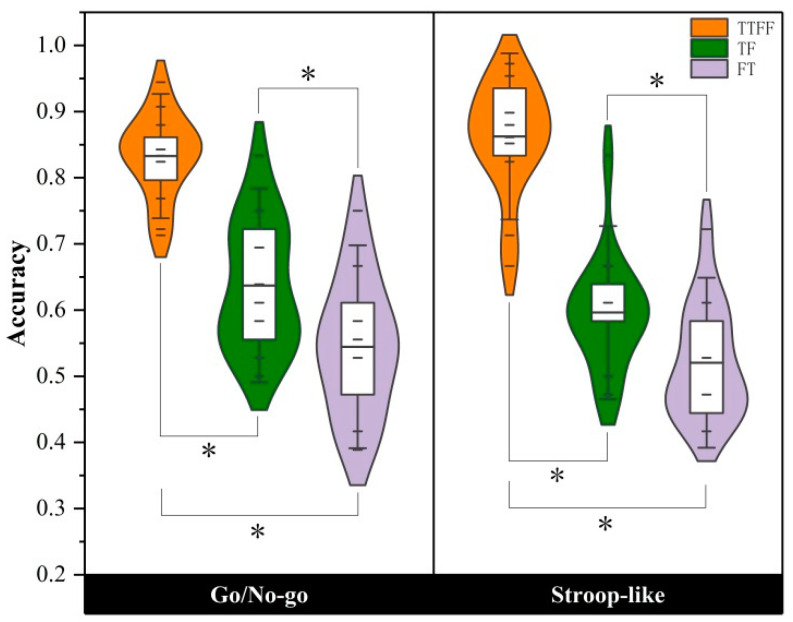 Figure 4
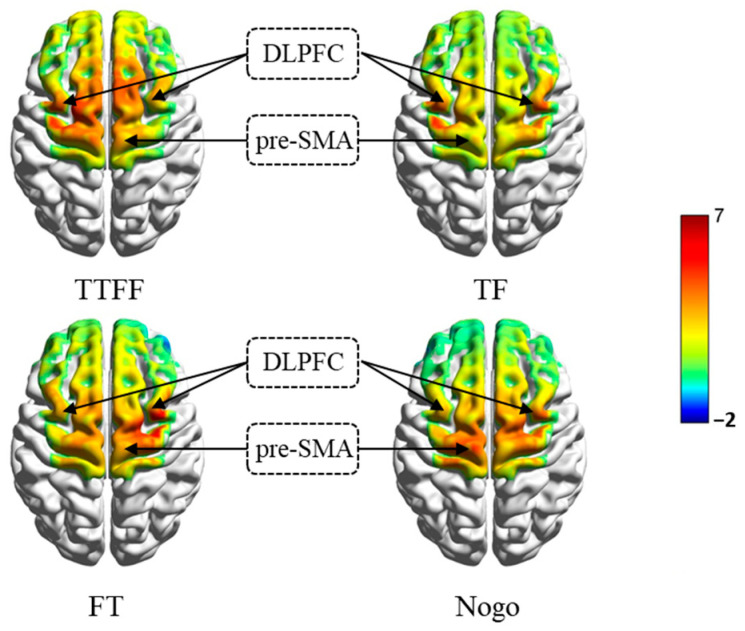 Figure 5
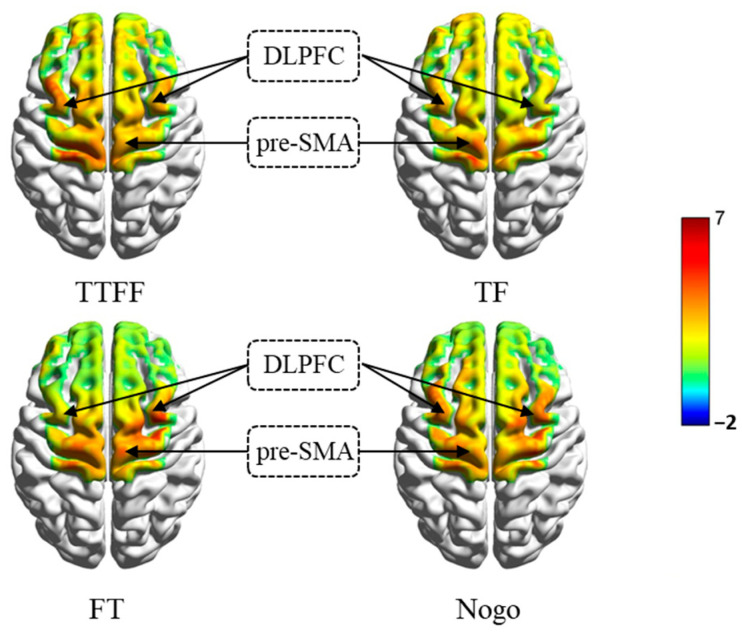 Figure 6
 Figure 7
 Figure 8
Peer Reviews
No public reviews on file for this paper yet. If you reviewed it on a platform where reviews are public (OpenReview, ICLR, NeurIPS, ICML), you can paste yours below so the community can read it here.
Videos
No videos yet. Explain this paper in a talk, walkthrough, or lecture? Add one.
Taxonomy
TopicsNeuroscience, Education and Cognitive Function · Neural and Behavioral Psychology Studies · Visual and Cognitive Learning Processes