The Histogenetic Origin of Malignant Cells Predicts Their Susceptibility towards Synthetic Lethality Utilizing the TK.007 System
Fabian Bernhard Pallasch, Vera Freytag, Malte Kriegs, Dennis Gatzemeier, Thomas Mair, Hannah Voss, Kristoffer Riecken, Mona Dawood, Boris Fehse, Thomas Efferth, Hartmut Schlüter, Udo Schumacher

TL;DR
This study shows that cancer cells from different tissue origins react differently to a gene therapy system, with blood cancers being more sensitive than solid tumors.
Contribution
The study demonstrates that histogenetic origin affects synthetic lethality efficacy, revealing differential susceptibility in cancer cell types.
Findings
Lymphoma and leukemia cells were more susceptible to TK.007/GCV than solid cancer cells.
Osteosarcoma and melanoma cells showed intermediate susceptibility to the treatment.
Histogenetic origin strongly influences cancer cell response to cytotoxic agents.
Abstract
The efficacy of killing human cancer cells with a modified herpes simplex virus thymidine kinase TK.007/ganciclovir (GCV) system was investigated in malignant cells of different histogenetic origin. The aim was to determine whether different histogenetic origins of cancer cells in themselves influence their reaction towards an approach of synthetic lethality, which theoretically should be toxic in a similar range independently of the cell type. Fifteen malignant human cell lines were transduced with a lentiviral vector to stably express the TK.007 gene and cell proliferation assays under GCV. Among TK.007-expressing cell lines, lymphoma and leukemia cells were more susceptible to killing than solid cancer cells, while osteosarcoma and melanoma cells exhibited an intermediate susceptibility. This study highlights that the histogenetic origin of malignant cells strongly influences their…
Genes, proteins, chemicals, diseases, species, mutations and cell lines named across the full text — each resolved to its canonical identifier and authoritative record.
Click any figure to enlarge with its caption.
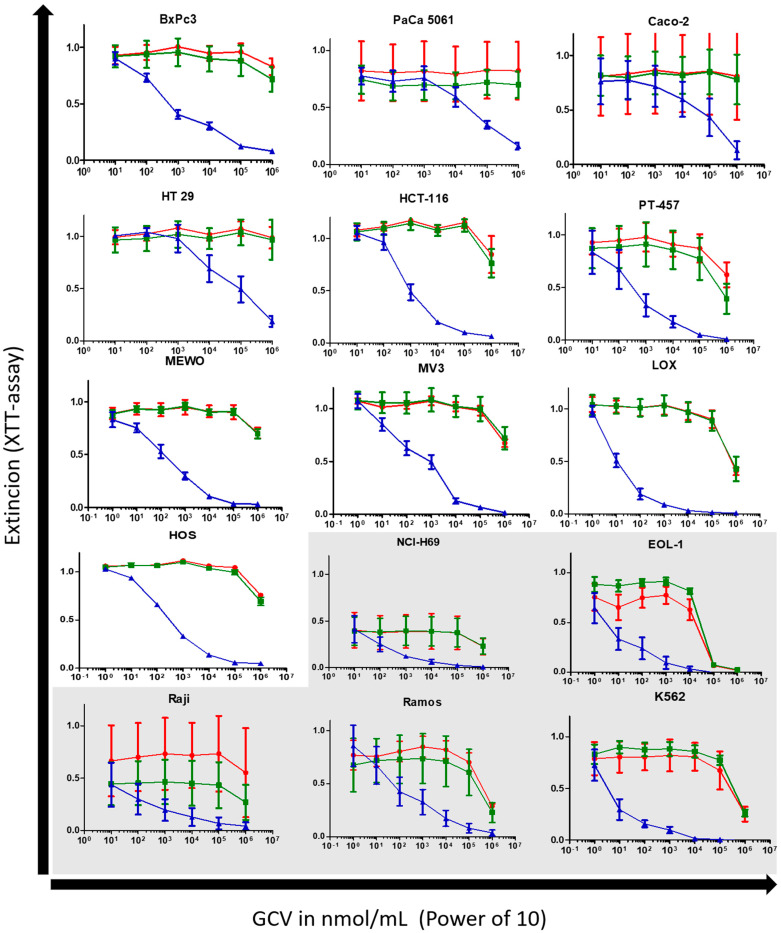 Figure 1
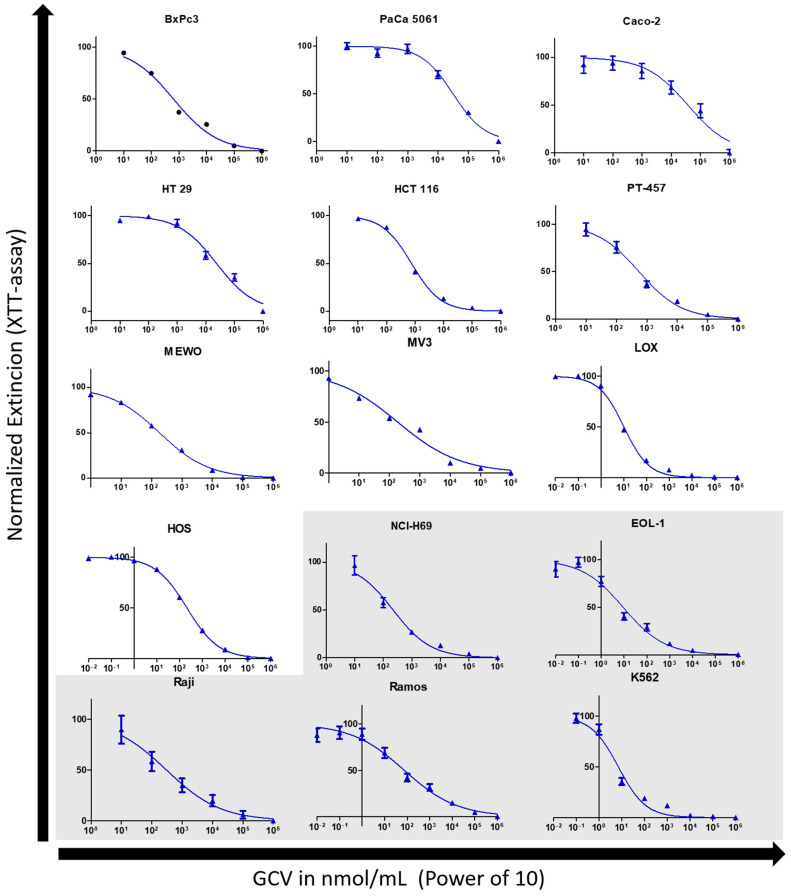 Figure 2
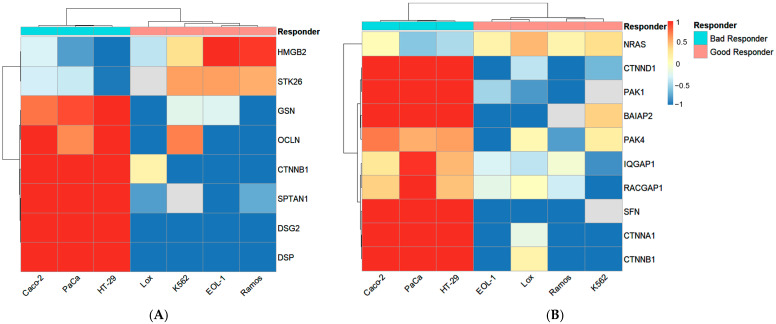 Figure 3
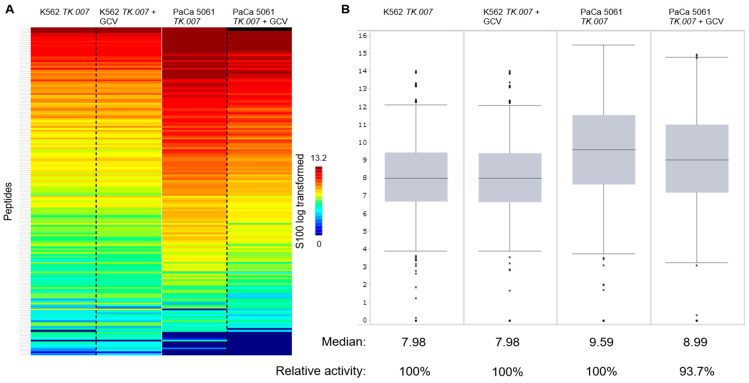 Figure 4
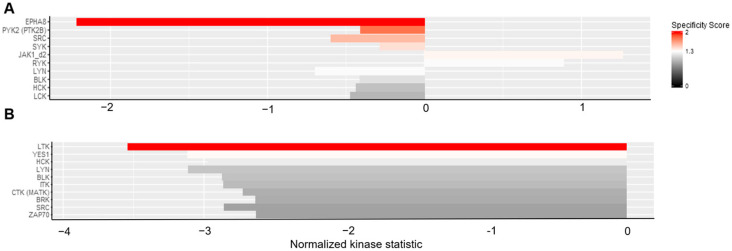 Figure 5
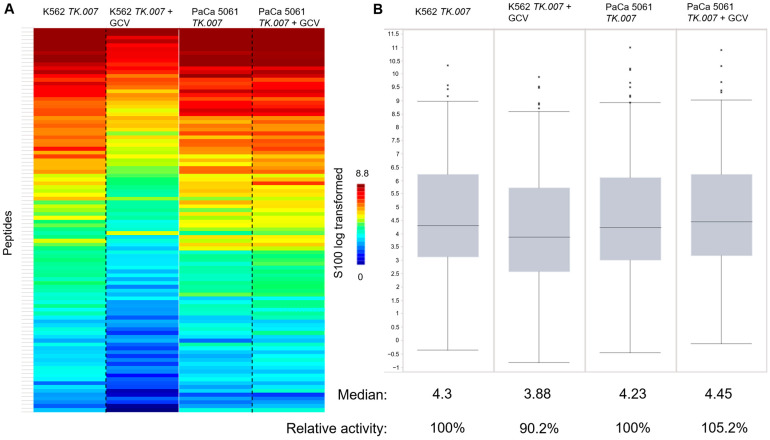 Figure 6
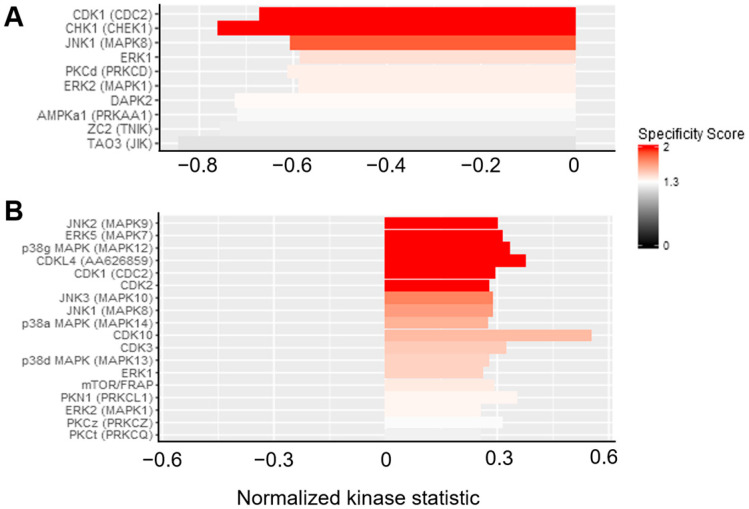 Figure 7
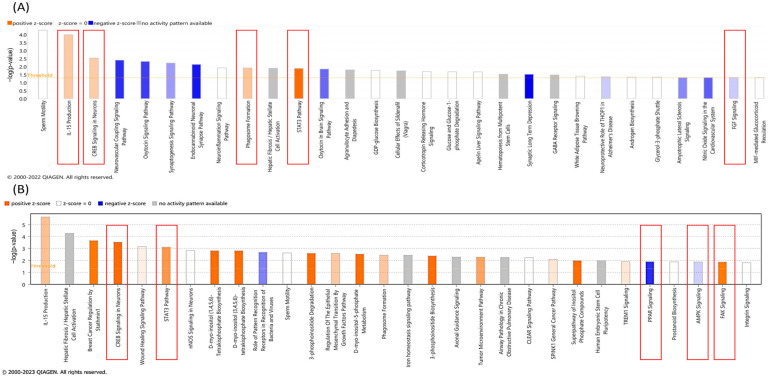 Figure 8
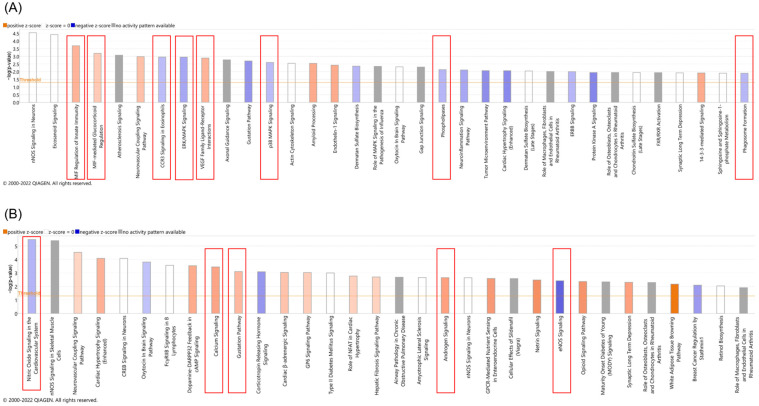 Figure 9
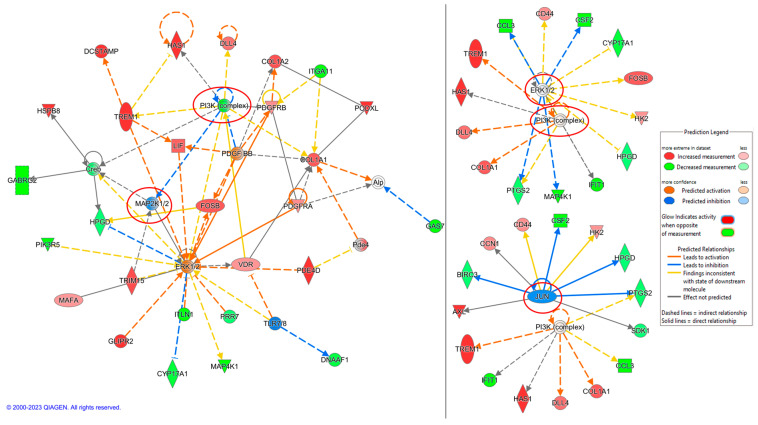 Figure 10
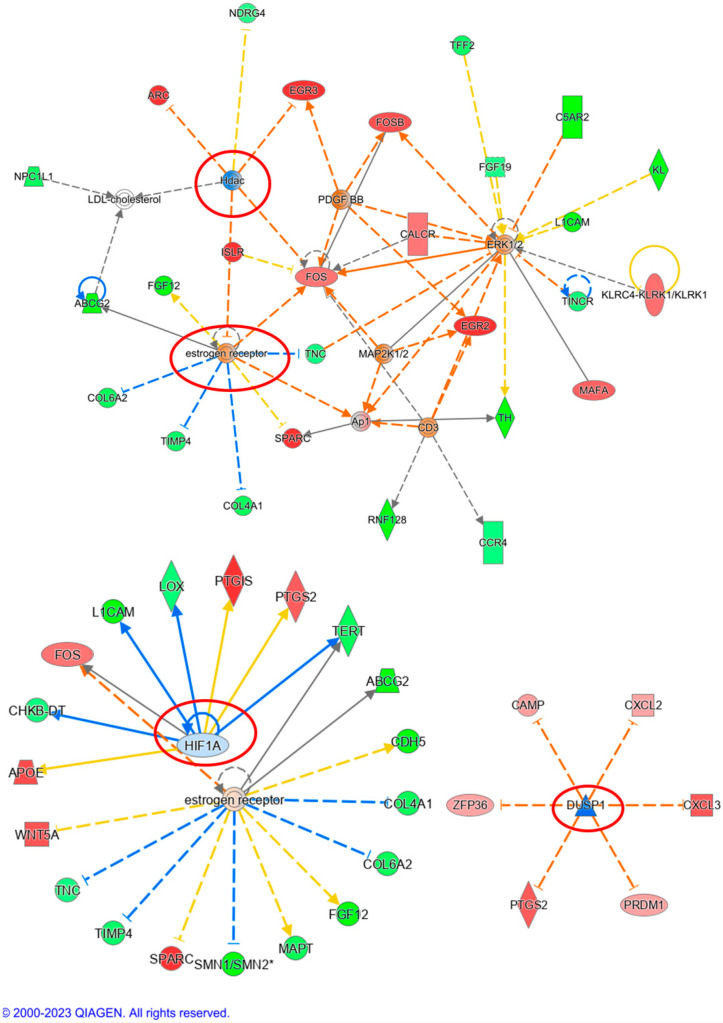 Figure 11
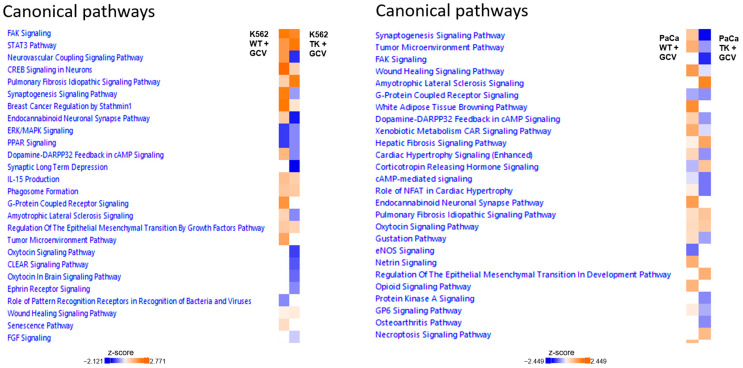 Figure 12
Peer Reviews
No public reviews on file for this paper yet. If you reviewed it on a platform where reviews are public (OpenReview, ICLR, NeurIPS, ICML), you can paste yours below so the community can read it here.
Videos
No videos yet. Explain this paper in a talk, walkthrough, or lecture? Add one.
Taxonomy
TopicsVirus-based gene therapy research · Cancer-related Molecular Pathways · Ubiquitin and proteasome pathways