Effects of Lithium Ions on tPA-Induced Hemorrhagic Transformation under Stroke
Valentina A. Babenko, Elmira I. Yakupova, Irina B. Pevzner, Alexey D. Bocharnikov, Ljubava D. Zorova, Kseniya S. Fedulova, Oleg A. Grebenchikov, Artem N. Kuzovlev, Andrey V. Grechko, Denis N. Silachev, Parvaneh Rahimi-Moghaddam, Egor Y. Plotnikov

TL;DR
This study shows that lithium ions can reduce brain damage and improve recovery after stroke treatment with tPA by protecting the blood-brain barrier.
Contribution
The study reveals a novel role of lithium ions in mitigating tPA-induced hemorrhagic transformation through effects on MMPs and glycolysis.
Findings
tPA disrupted the blood-brain barrier but did not increase lesion volume or neurological deficits.
Poststroke lithium treatment improved neurological outcomes and blood-brain barrier integrity.
Lithium reduced tPA-induced MMP-2/9 activation in endothelial cells under OGD conditions.
Abstract
Thrombolytic therapy with the tissue plasminogen activator (tPA) is a therapeutic option for acute ischemic stroke. However, this approach is subject to several limitations, particularly the increased risk of hemorrhagic transformation (HT). Lithium salts show neuroprotective effects in stroke, but their effects on HT mechanisms are still unknown. In our study, we use the models of photothrombosis (PT)-induced brain ischemia and oxygen-glucose deprivation (OGD) to investigate the effect of Li+ on tPA-induced changes in brain and endothelial cell cultures. We found that tPA did not affect lesion volume or exacerbate neurological deficits but disrupted the blood–brain barrier. We demonstrate that poststroke treatment with Li+ improves neurological status and increases blood–brain barrier integrity after thrombolytic therapy. Under conditions of OGD, tPA treatment increased MMP-2/9 levels…
Genes, proteins, chemicals, diseases, species, mutations and cell lines named across the full text — each resolved to its canonical identifier and authoritative record.
Click any figure to enlarge with its caption.
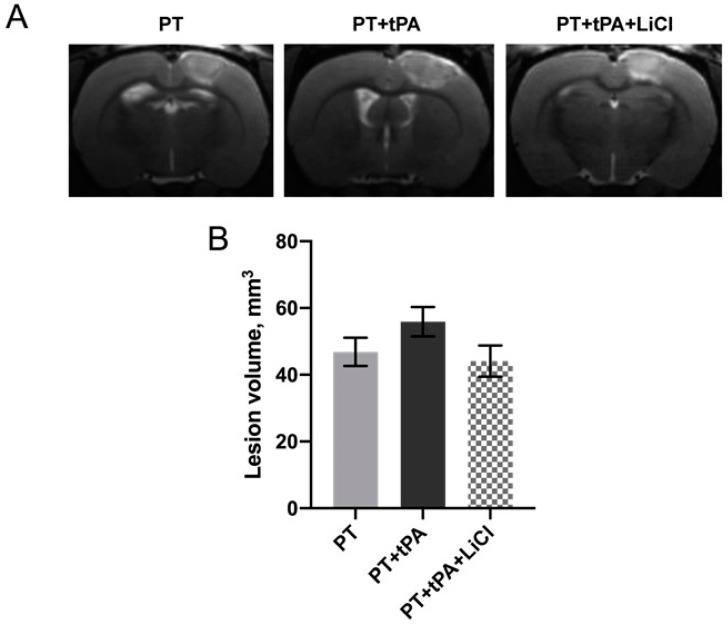 Figure 1
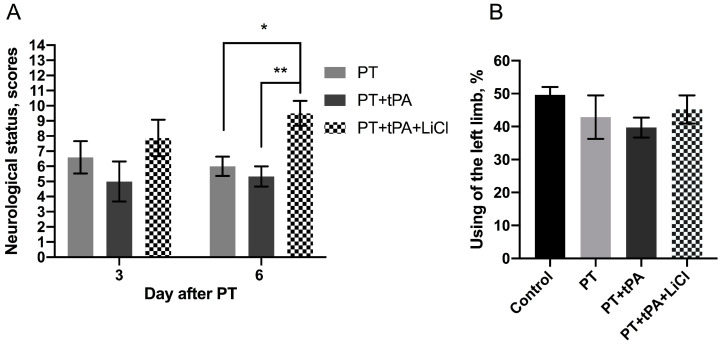 Figure 2
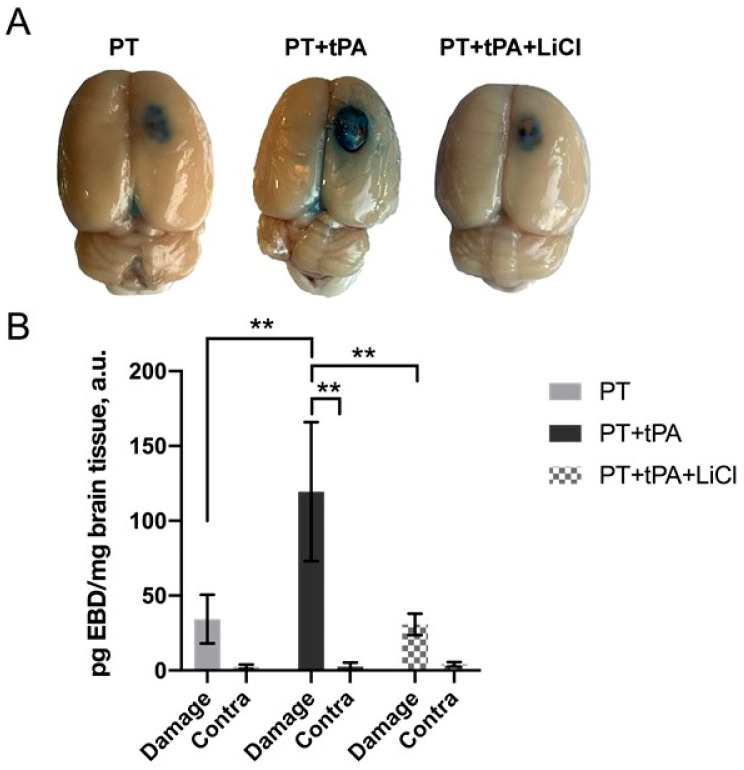 Figure 3
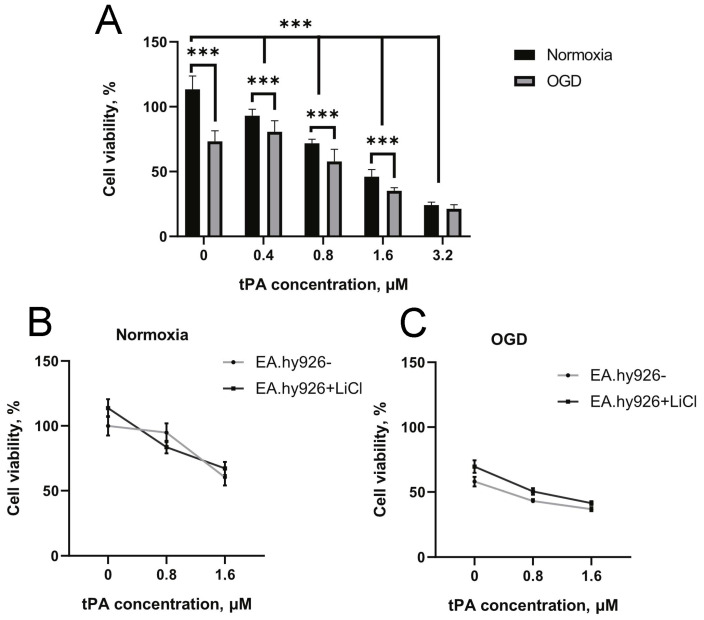 Figure 4
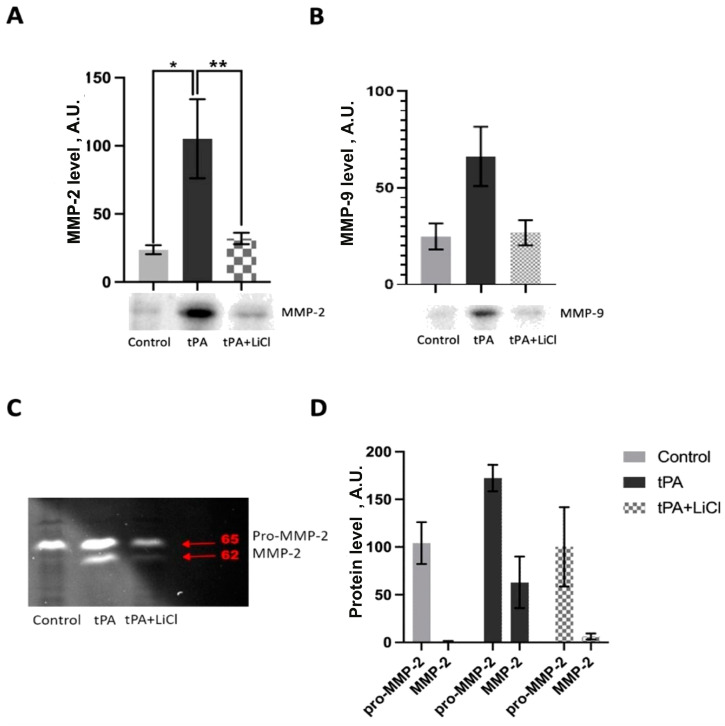 Figure 5
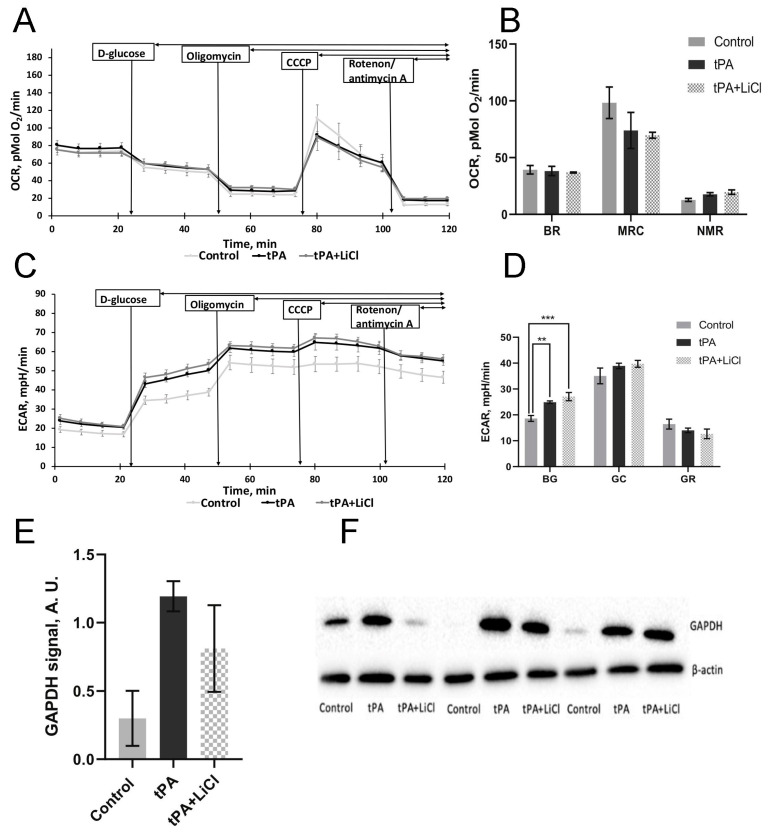 Figure 6
Peer Reviews
No public reviews on file for this paper yet. If you reviewed it on a platform where reviews are public (OpenReview, ICLR, NeurIPS, ICML), you can paste yours below so the community can read it here.
Videos
No videos yet. Explain this paper in a talk, walkthrough, or lecture? Add one.
Taxonomy
TopicsAcute Ischemic Stroke Management · Cerebrovascular and Carotid Artery Diseases · Angiogenesis and VEGF in Cancer