NMR Studies of the Interactions between Sialyllactoses and the Polysialytransferase Domain for Polysialylation Inhibition
Bo Lu, Si-Ming Liao, Shi-Jie Liang, Jian-Xiu Li, Xue-Hui Liu, Ri-Bo Huang, Guo-Ping Zhou

TL;DR
This study explores how sialyllactoses can inhibit polysialylation, a process linked to cancer cell spread, and finds that 3′-sialyllactose is a promising inhibitor and supplement.
Contribution
The study identifies 3′-sialyllactose as a novel and effective inhibitor of polysialyltransferase activity compared to existing inhibitors.
Findings
3′-SL and 6′-SL inhibit interactions between polysialyltransferase domain and CMP-Sia or polySia at specific concentrations.
3′-SL is more effective than LMWH and CMP in inhibiting NCAM polysialylation.
3′-SL has dual benefits as an inhibitor and a supplement for gut health.
Abstract
It is known that sialyllactose (SL) in mammalians is a major source of sialic acid (Sia), which can further form cytidine monophosphate sialic acid (CMP-Sia), and the final product is polysialic acid (polySia) using polysialyltransferases (polySTs) on the neural cell adhesion molecule (NCAM). This process is called NCAM polysialylation. The overexpression of polysialylation is strongly related to cancer cell migration, invasion, and metastasis. In order to inhibit the overexpression of polysialylation, in this study, SL was selected as an inhibitor to test whether polysialylation could be inhibited. Our results suggest that the interactions between the polysialyltransferase domain (PSTD) in polyST and CMP-Siaand the PSTD and polySia could be inhibited when the 3′-sialyllactose (3′-SL) or 6′-sialyllactose (6′-SL) concentration is about 0.5 mM or 6′-SL and 3 mM, respectively. The results…
Genes, proteins, chemicals, diseases, species, mutations and cell lines named across the full text — each resolved to its canonical identifier and authoritative record.
Click any figure to enlarge with its caption.
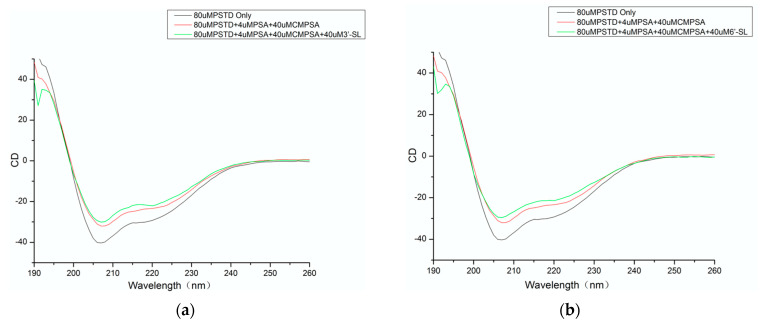 Figure 1
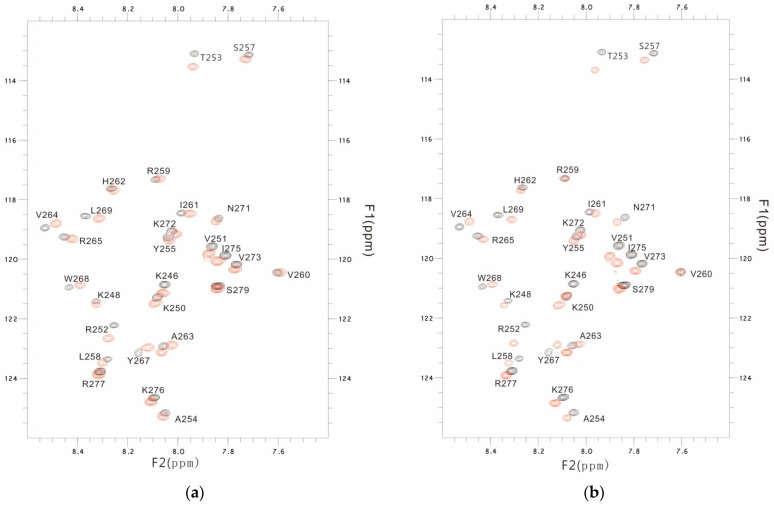 Figure 2
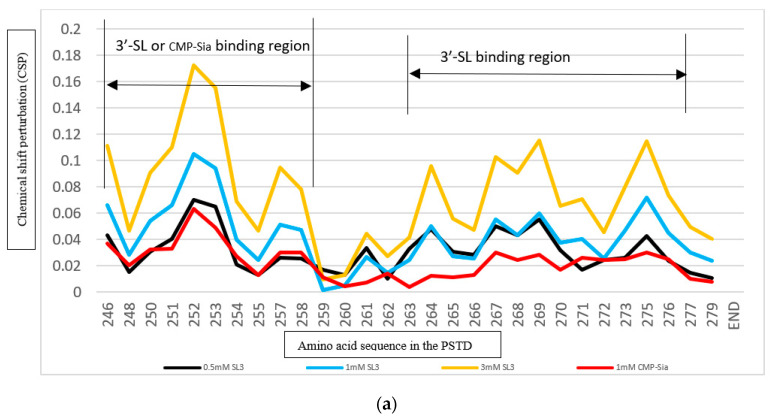 Figure 3
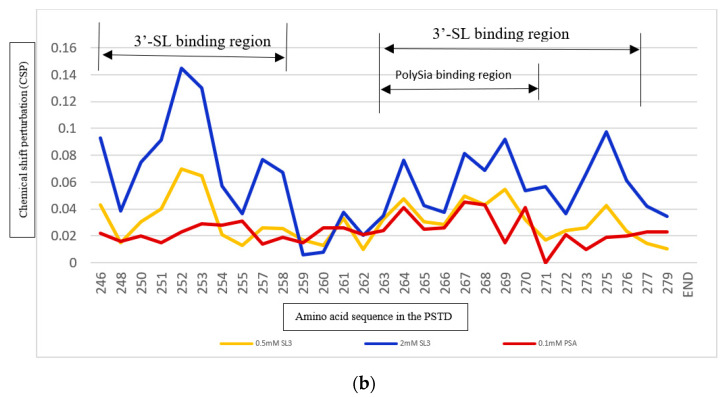 Figure 4
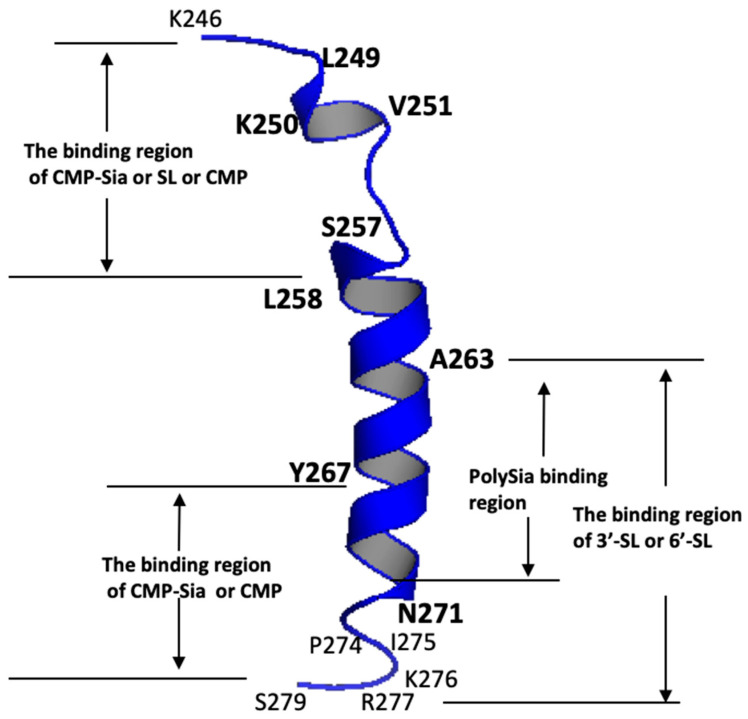 Figure 5
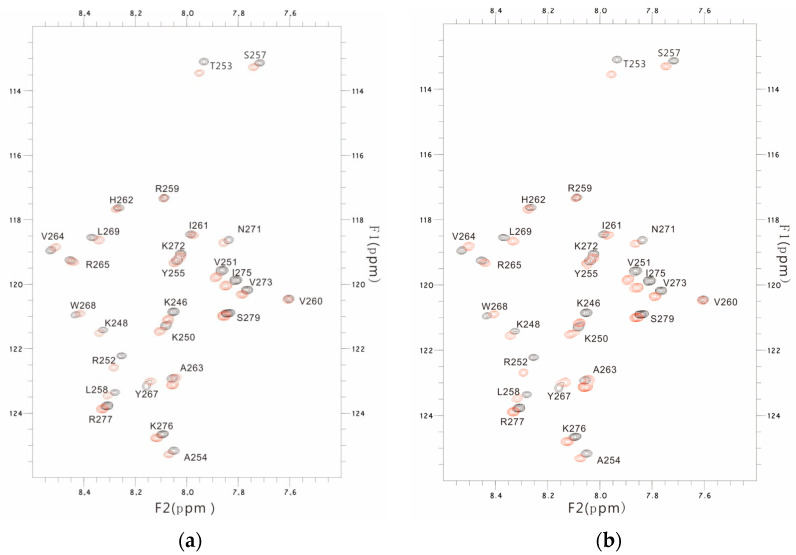 Figure 6
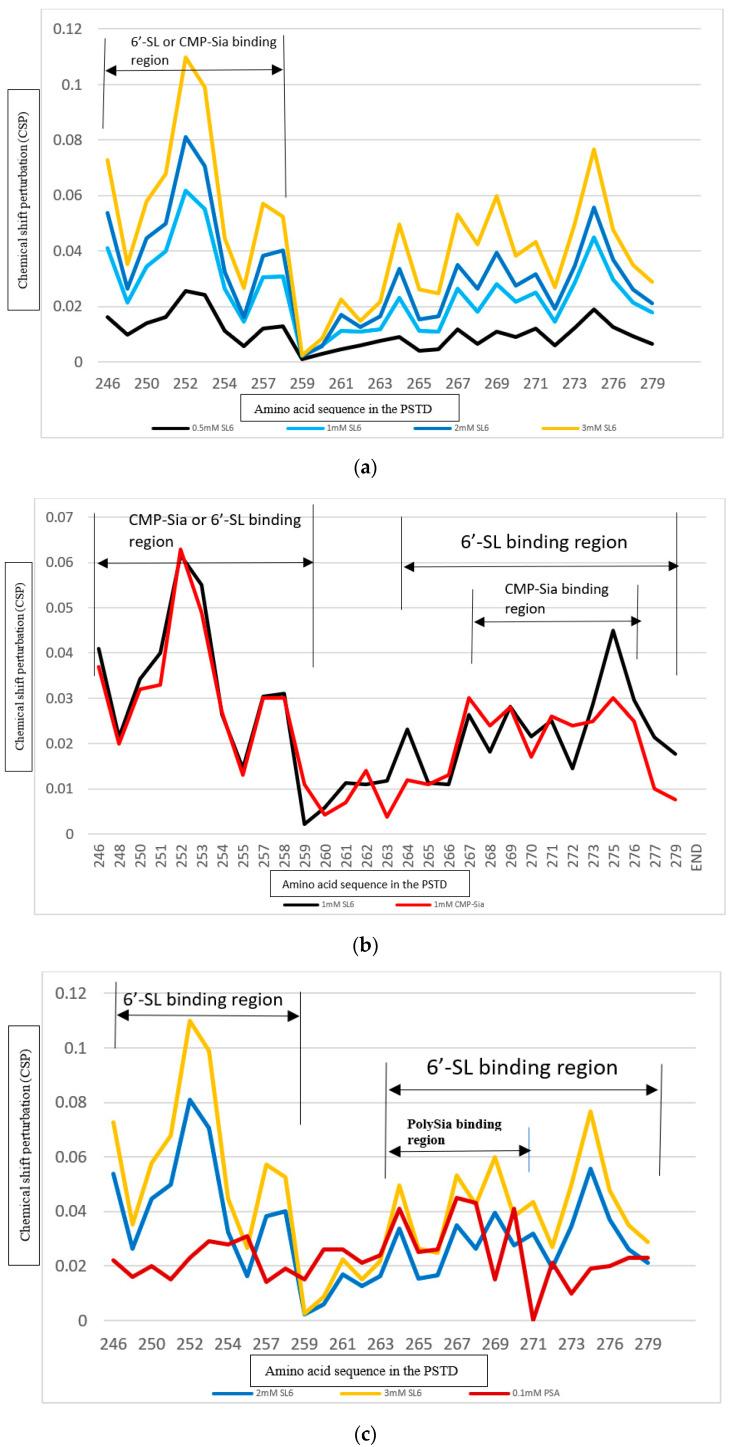 Figure 7
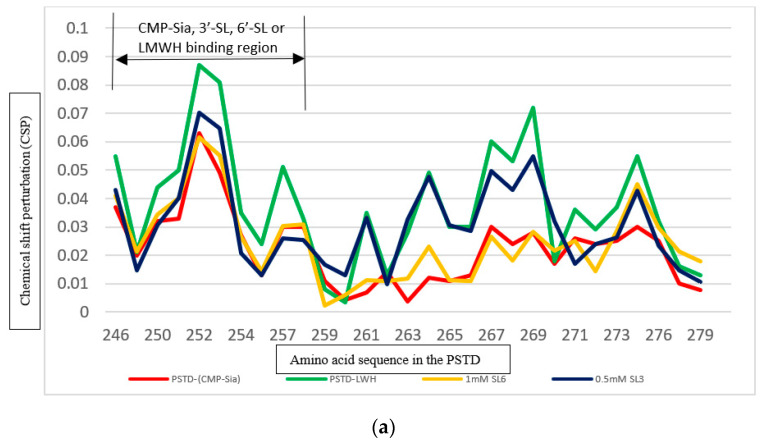 Figure 8
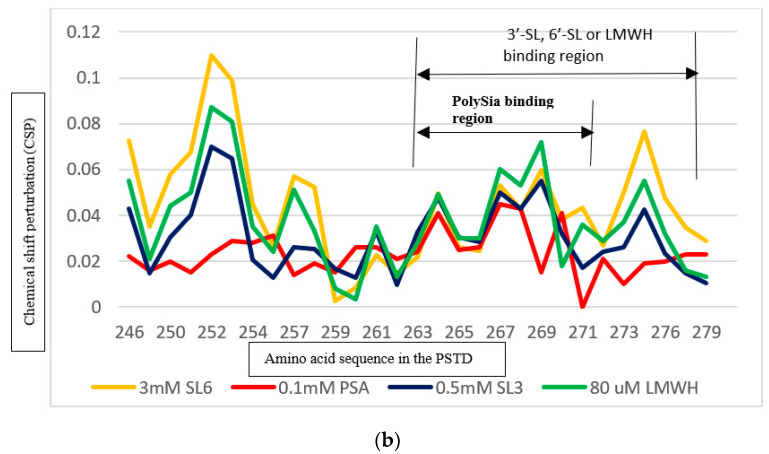 Figure 9
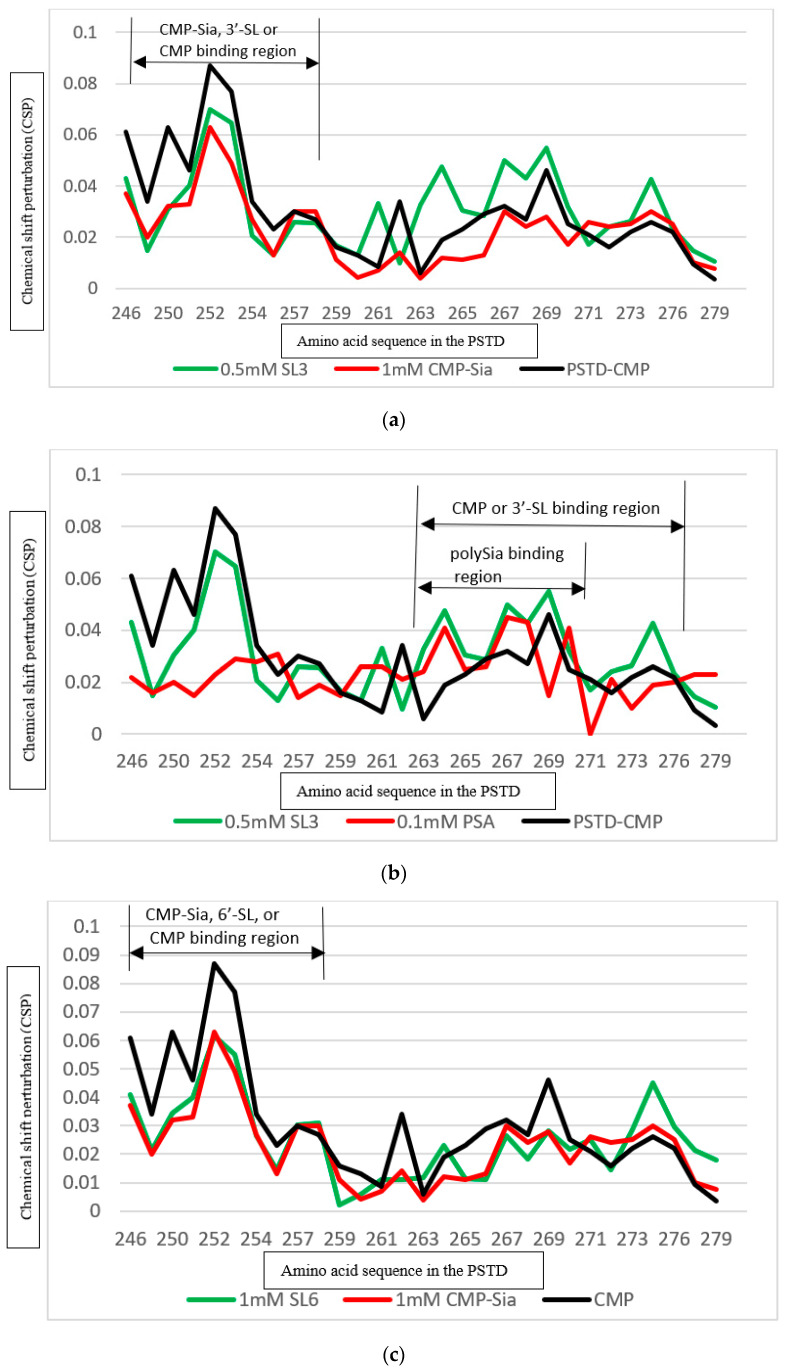 Figure 10
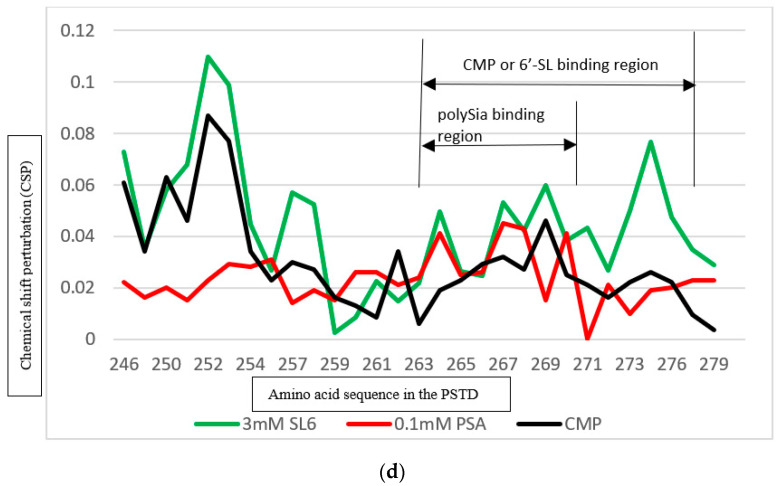 Figure 11
Peer Reviews
No public reviews on file for this paper yet. If you reviewed it on a platform where reviews are public (OpenReview, ICLR, NeurIPS, ICML), you can paste yours below so the community can read it here.
Videos
No videos yet. Explain this paper in a talk, walkthrough, or lecture? Add one.
Taxonomy
TopicsGlycosylation and Glycoproteins Research · Proteoglycans and glycosaminoglycans research · Galectins and Cancer Biology