A new lysine biosynthetic enzyme from a bacterial endosymbiont shaped by genetic drift and genome reduction
Jenna M. Gilkes, Rebekah A. Frampton, Amanda J. Board, André O. Hudson, Thomas G. Price, Vanessa K. Morris, Deborah L. Crittenden, Andrew C. Muscroft‐Taylor, Campbell R. Sheen, Grant R. Smith, Renwick C. J. Dobson

TL;DR
A new enzyme from a bacteria that lives inside insects shows how genome reduction and genetic drift can shape enzyme function and structure.
Contribution
The study identifies a unique lysine biosynthetic enzyme shaped by genome reduction and genetic drift in an endosymbiotic bacterium.
Findings
CLsoDHDPS has decreased thermal stability and increased aggregation propensity, but is compensated by elevated chaperone expression.
CLsoDHDPS uses a unique ternary-complex kinetic mechanism with low catalytic ability but high substrate affinity.
Structural studies reveal an open active site and a new product structure, indicating evolutionary adaptation of the enzyme.
Abstract
The effect of population bottlenecks and genome reduction on enzyme function is poorly understood. Candidatus Liberibacter solanacearum is a bacterium with a reduced genome that is transmitted vertically to the egg of an infected psyllid—a population bottleneck that imposes genetic drift and is predicted to affect protein structure and function. Here, we define the function of Ca. L. solanacearum dihydrodipicolinate synthase (CLsoDHDPS), which catalyzes the committed branchpoint reaction in diaminopimelate and lysine biosynthesis. We demonstrate that CLsoDHDPS is expressed in Ca. L. solanacearum and expression is increased ~2‐fold in the insect host compared to in planta. CLsoDHDPS has decreased thermal stability and increased aggregation propensity, implying mutations have destabilized the enzyme but are compensated for through elevated chaperone expression and a stabilized oligomeric…
Genes, proteins, chemicals, diseases, species, mutations and cell lines named across the full text — each resolved to its canonical identifier and authoritative record.
Click any figure to enlarge with its caption.
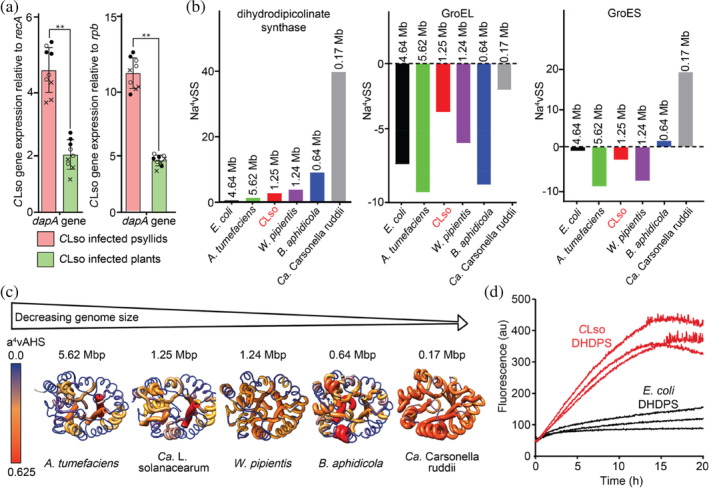 Figure 1
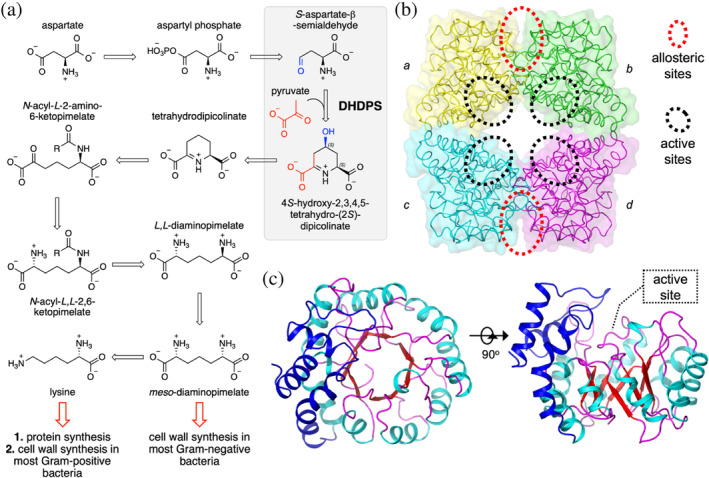 Figure 2
 Figure 3
 Figure 4
 Figure 5
 Figure 6
 Figure 7
 Figure 8
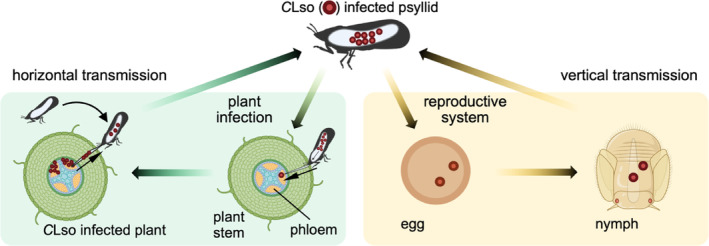 Figure 9
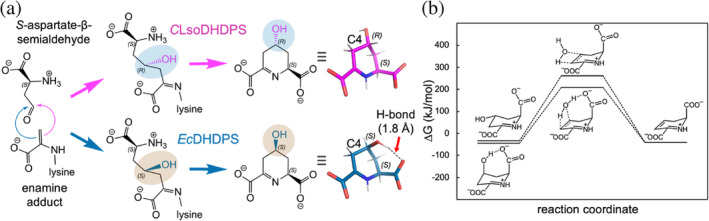 Figure 10
 Figure 11
 Figure 12
 Figure 13
 Figure 14
 Figure 15
 Figure 16
 Figure 17
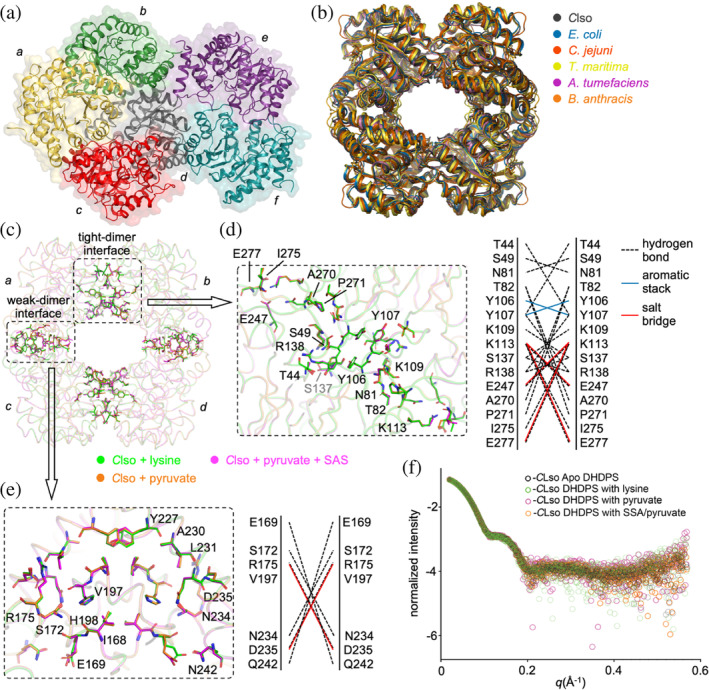 Figure 18
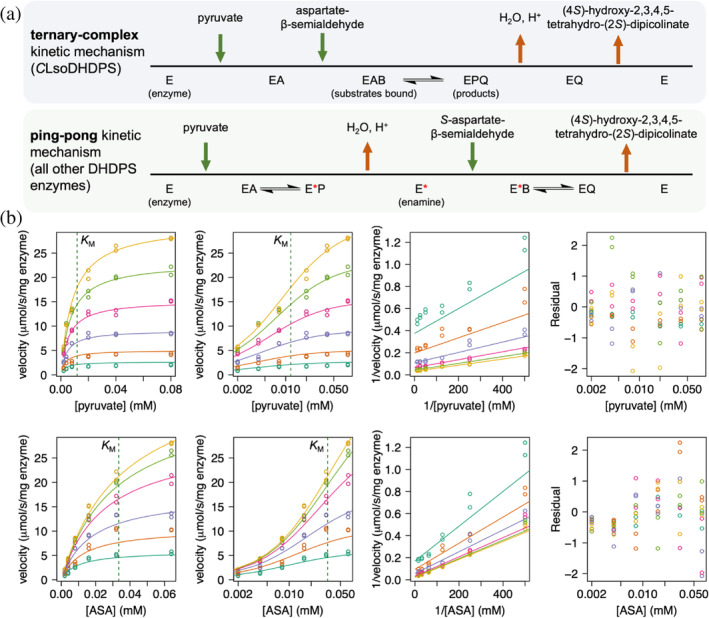 Figure 19
 Figure 20
 Figure 21
 Figure 22
 Figure 23
 Figure 24
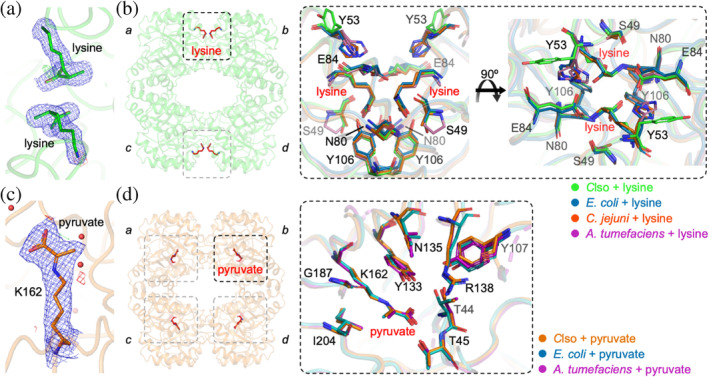 Figure 25
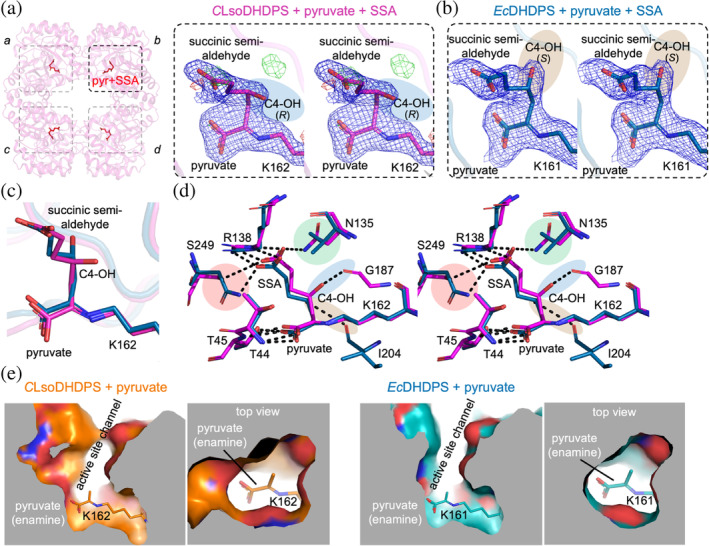 Figure 26
 Figure 27
 Figure 28
 Figure 29
 Figure 30
 Figure 31
Peer Reviews
No public reviews on file for this paper yet. If you reviewed it on a platform where reviews are public (OpenReview, ICLR, NeurIPS, ICML), you can paste yours below so the community can read it here.
Videos
No videos yet. Explain this paper in a talk, walkthrough, or lecture? Add one.
Taxonomy
TopicsInsect symbiosis and bacterial influences · Phytoplasmas and Hemiptera pathogens · Legume Nitrogen Fixing Symbiosis