Insights into the Effects of Ligand Binding on Leucyl-tRNA Synthetase Inhibitors for Tuberculosis: In Silico Analysis and Isothermal Titration Calorimetry Validation
Zia Ur Rehman, Asim Najmi, Khalid Zoghebi

TL;DR
This study identifies a promising compound that inhibits a key enzyme in tuberculosis bacteria, potentially leading to new treatments.
Contribution
The study combines virtual screening and experimental validation to identify a potent leucyl-tRNA synthetase inhibitor for tuberculosis.
Findings
Compound 1054 (Macimorelin) showed the best antimycobacterial activity and enzyme binding affinity.
Compound 1054 significantly inhibited biofilm formation and LeuRS gene expression.
Molecular dynamics and isothermal titration calorimetry confirmed the binding affinity of top compounds.
Abstract
Incidences of drug-resistant tuberculosis have become common and are rising at an alarming rate. Aminoacyl t-RNA synthetase has been validated as a newer target against Mycobacterium tuberculosis. Leucyl t-RNA synthetase (LeuRS) is ubiquitously found in all organisms and regulates transcription, protein synthesis, mitochondrial RNA cleavage, and proofreading of matured t-RNA. Leucyl t-RNA synthetase promotes growth and development and is the key enzyme needed for biofilm formation in Mycobacterium. Inhibition of this enzyme could restrict the growth and development of the mycobacterial population. A database consisting of 2734 drug-like molecules was screened against leucyl t-RNA synthetase enzymes through virtual screening. Based on the docking scores and MMGBSA energy values, the top three compounds were selected for molecular dynamics simulation. The druggable nature of the top three…
Genes, proteins, chemicals, diseases, species, mutations and cell lines named across the full text — each resolved to its canonical identifier and authoritative record.
Click any figure to enlarge with its caption.
 Figure 1
 Figure 2
 Figure 3
 Figure 4
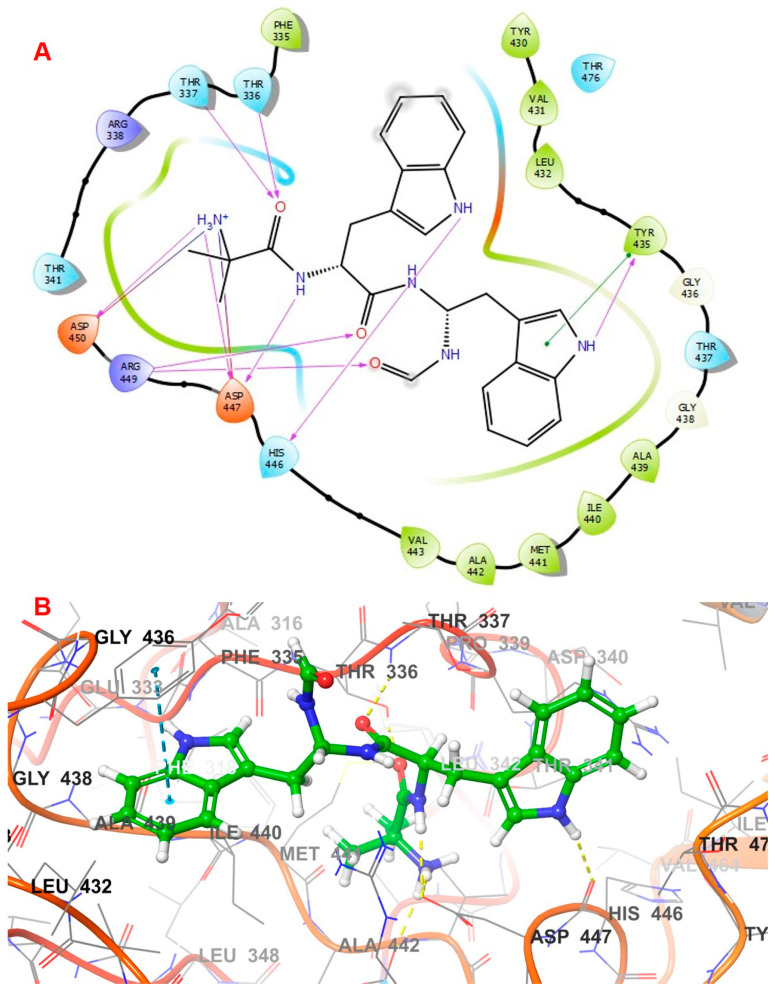 Figure 5
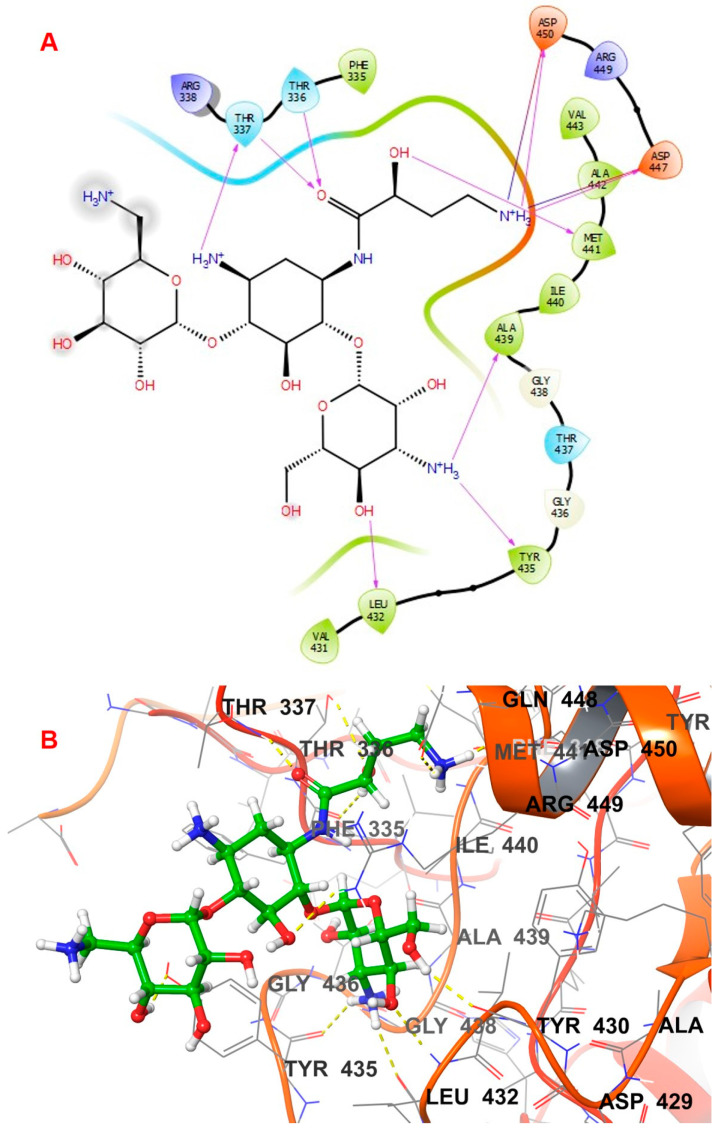 Figure 6
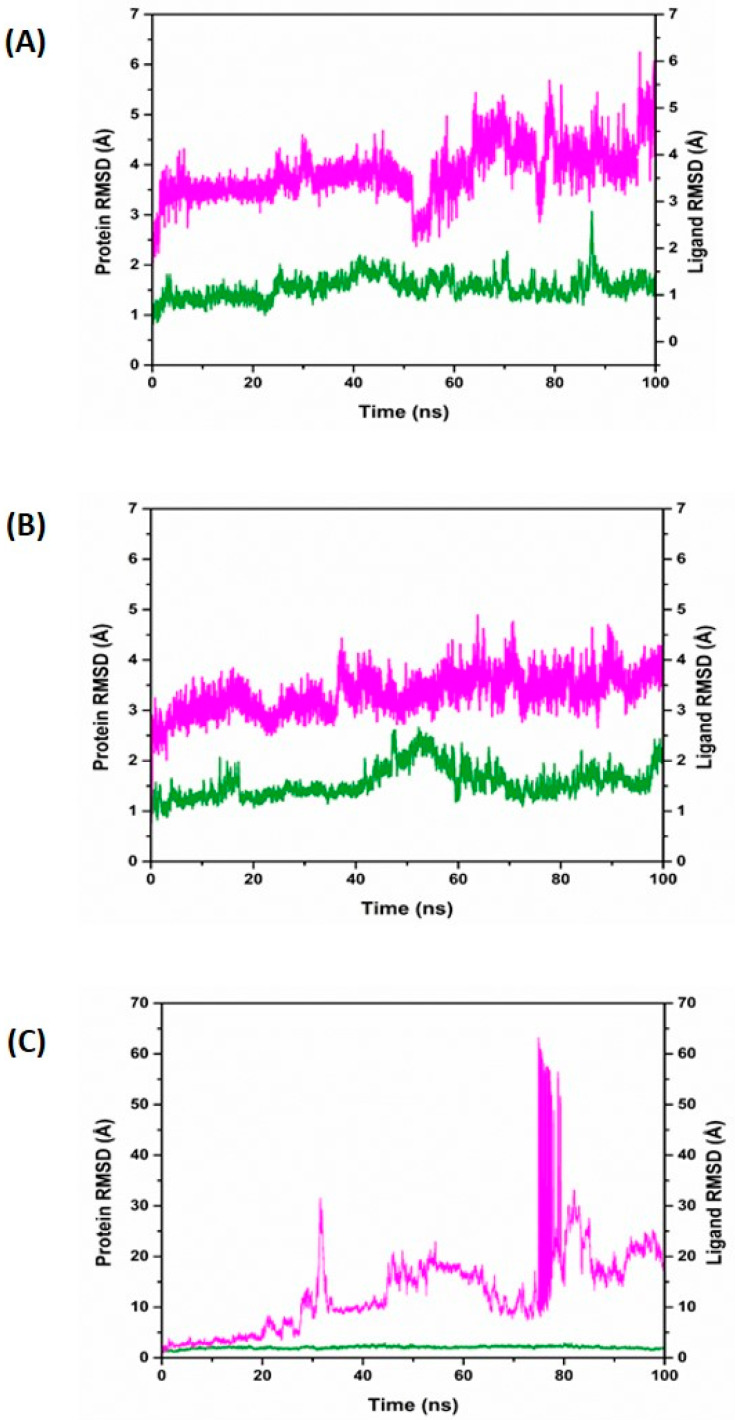 Figure 7
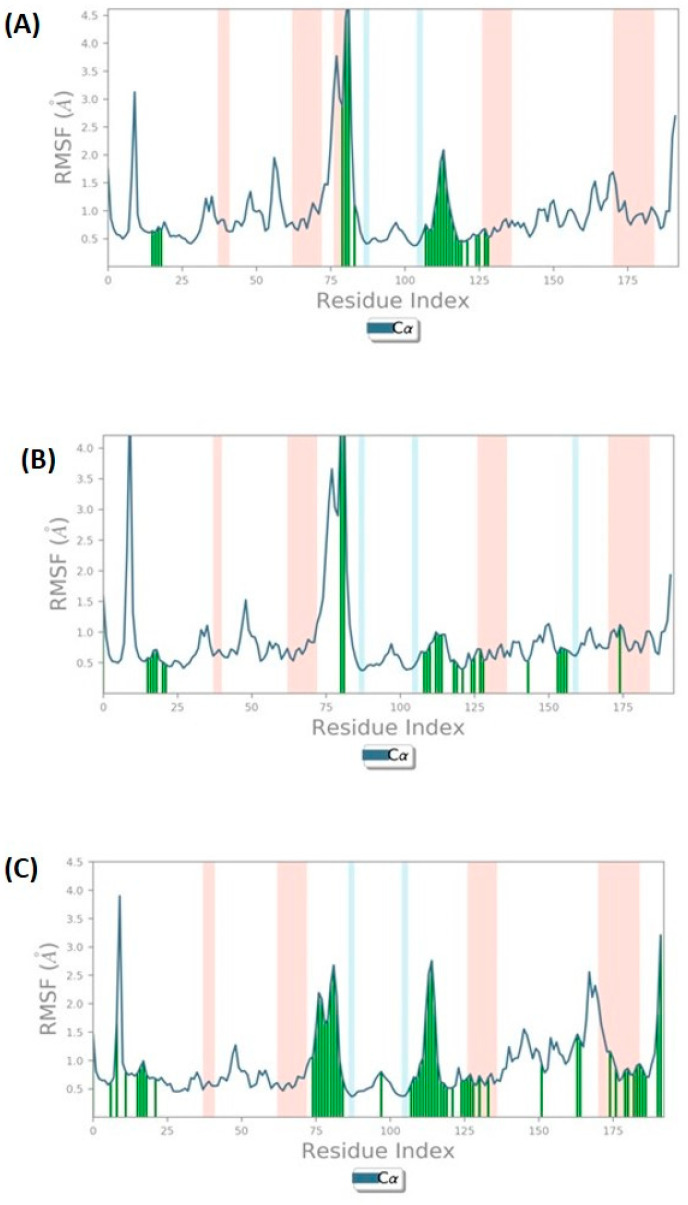 Figure 8
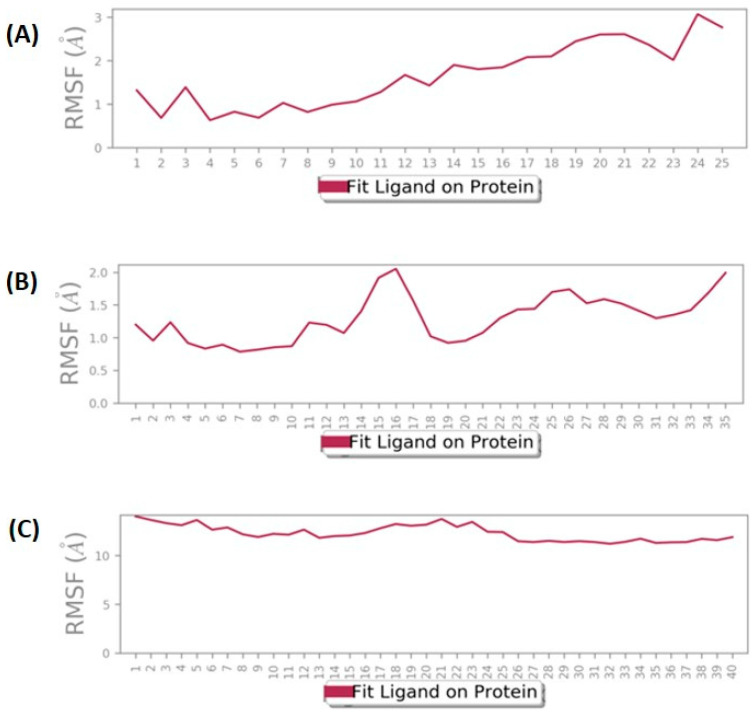 Figure 9
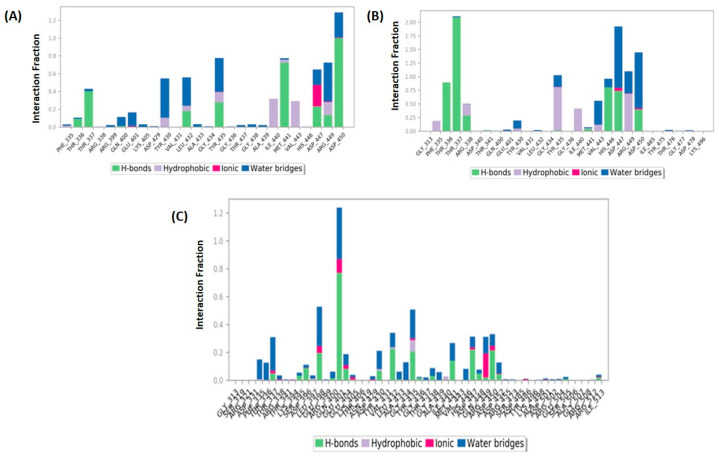 Figure 10
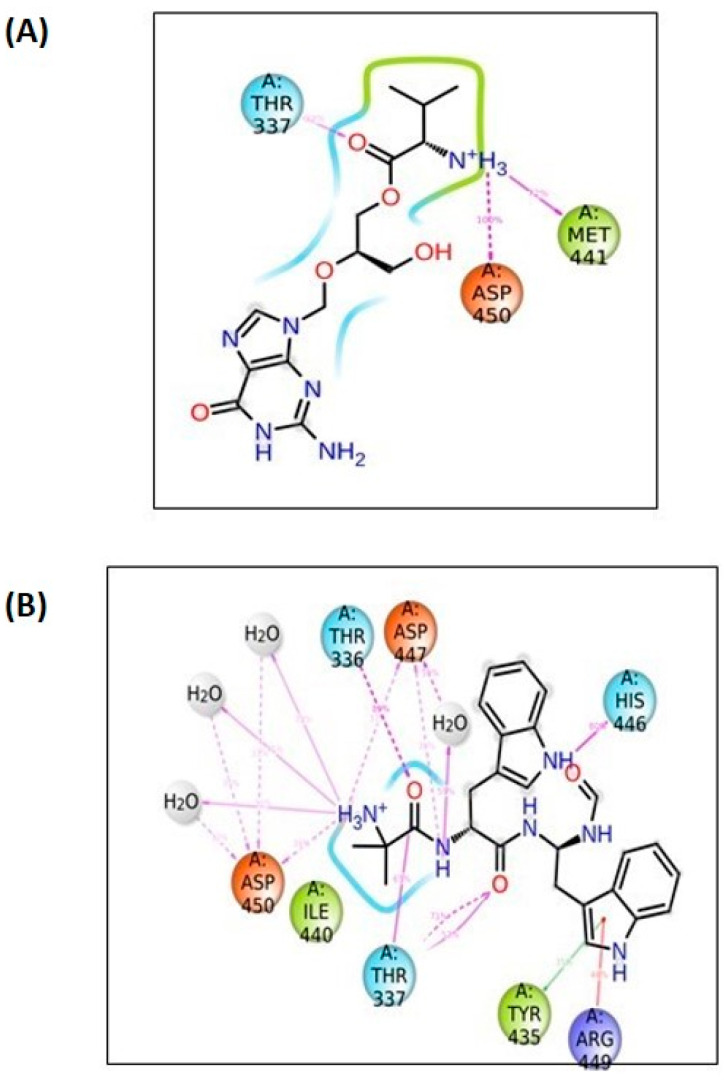 Figure 11
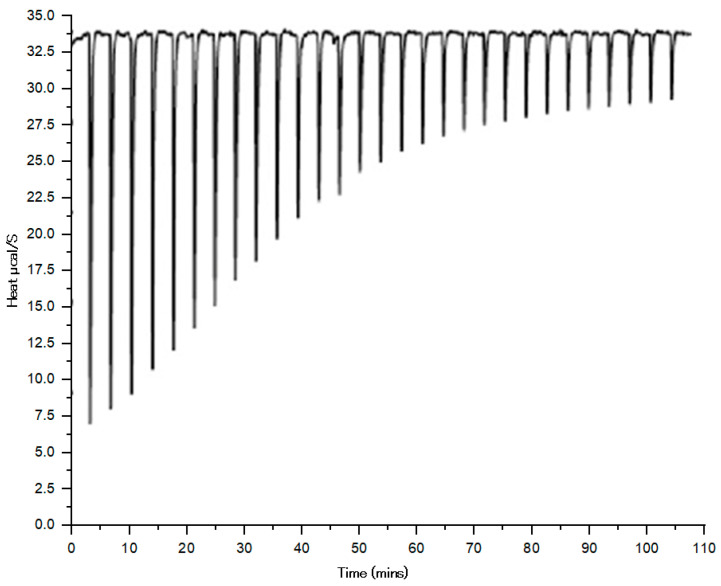 Figure 12
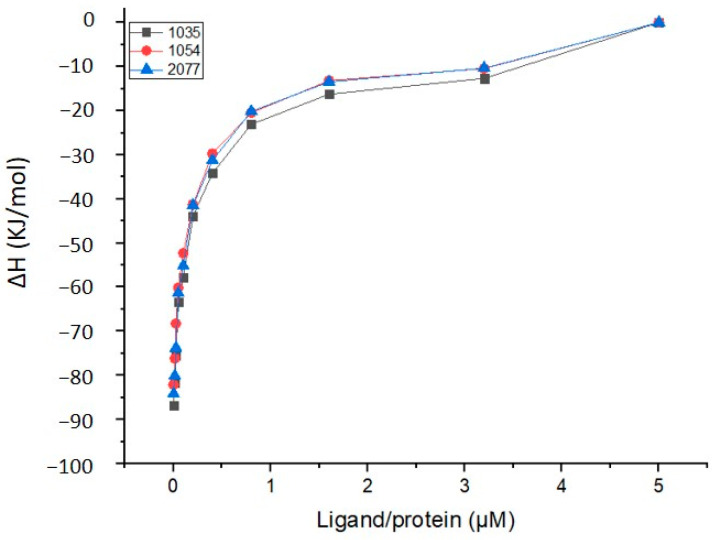 Figure 13
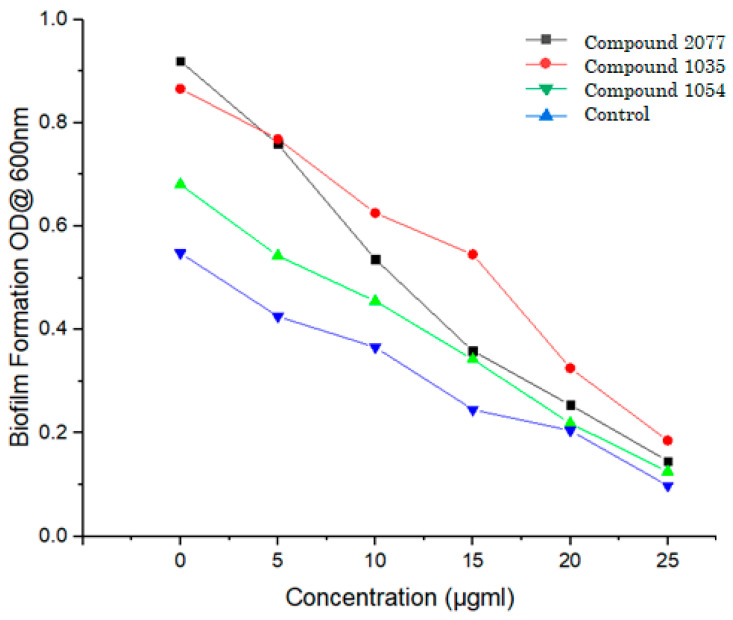 Figure 14
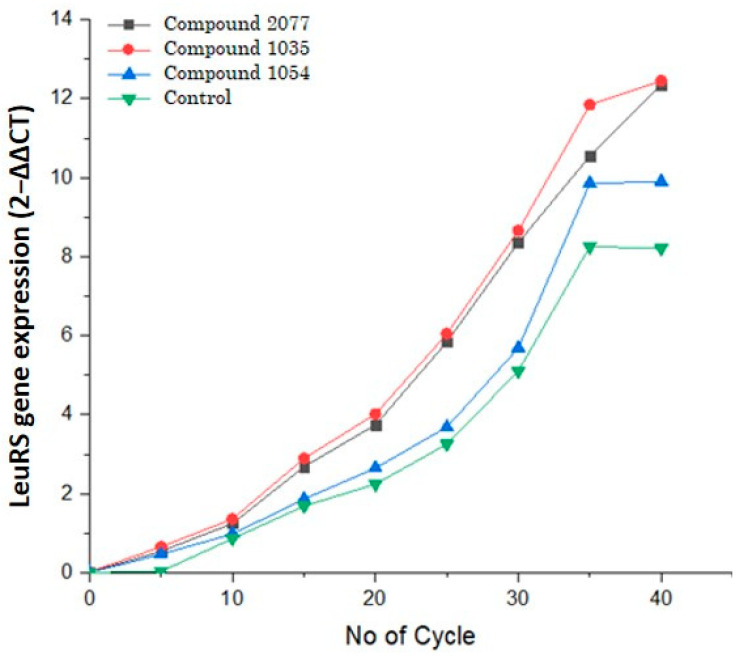 Figure 15
 Figure 16
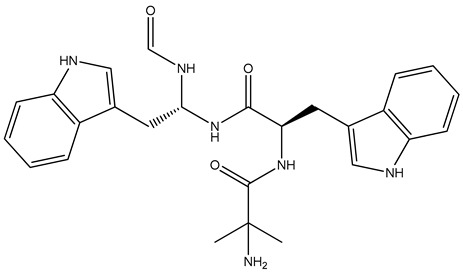 Figure 17
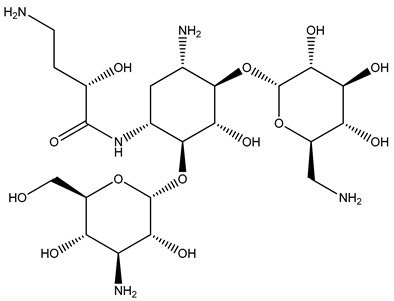 Figure 18
Peer Reviews
No public reviews on file for this paper yet. If you reviewed it on a platform where reviews are public (OpenReview, ICLR, NeurIPS, ICML), you can paste yours below so the community can read it here.
Videos
No videos yet. Explain this paper in a talk, walkthrough, or lecture? Add one.
Taxonomy
TopicsRNA and protein synthesis mechanisms · Tuberculosis Research and Epidemiology · Veterinary medicine and infectious diseases