Primary Nucleation of Polymorphic α-Synuclein Dimers Depends on Copper Concentrations and Definite Copper-Binding Site
Carmia Blacher, Karina Abramov-Harpaz, Yifat Miller

TL;DR
This study reveals how copper concentrations and a specific copper-binding site influence the formation of harmful α-synuclein dimers linked to Parkinson's disease.
Contribution
The paper introduces new molecular mechanisms showing how copper concentration and binding sites affect α-synuclein dimer nucleation.
Findings
High and low copper concentrations lead to distinct α-synuclein dimer structures at atomic resolution.
Copper binding at specific sites modulates the primary nucleation pathways of α-synuclein.
The findings suggest a strategy to control toxic amyloid formation in neurodegenerative diseases.
Abstract
The primary nucleation process of α-synuclein (AS) that forms toxic oligomeric species is the early stage of the pathological cause of Parkinson’s disease. It is well-known that copper influences this primary nucleation process. While significant efforts have been made to solve the structures of polymorphic AS fibrils, the structures of AS oligomers and the copper-bound AS oligomers at the molecular level and the effect of copper concentrations on the primary nucleation are elusive. Here, we propose and demonstrate new molecular mechanism pathways of primary nucleation of AS that are tuned by distinct copper concentrations and by a specific copper-binding site. We present the polymorphic AS dimers bound to different copper-binding sites at the atomic resolution in high- and low-copper concentrations, using extensive molecular dynamics simulations. Our results show the complexity of the…
Genes, proteins, chemicals, diseases, species, mutations and cell lines named across the full text — each resolved to its canonical identifier and authoritative record.
Click any figure to enlarge with its caption.
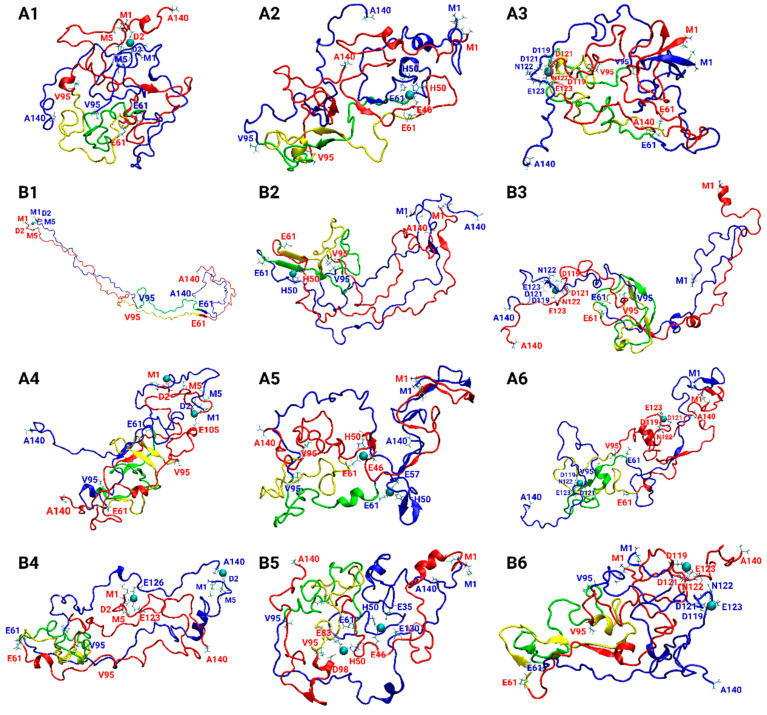 Figure 1
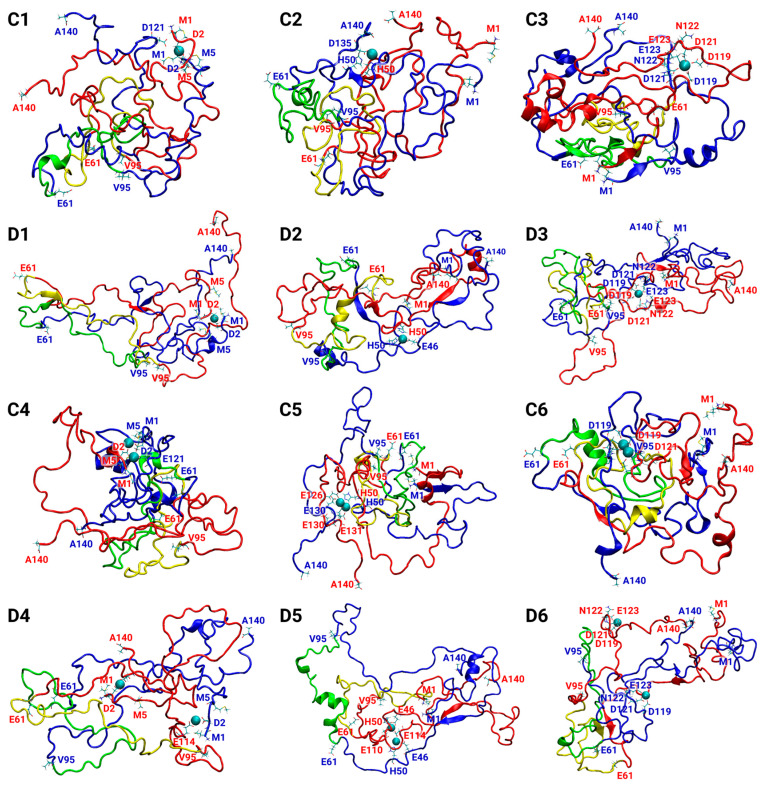 Figure 2
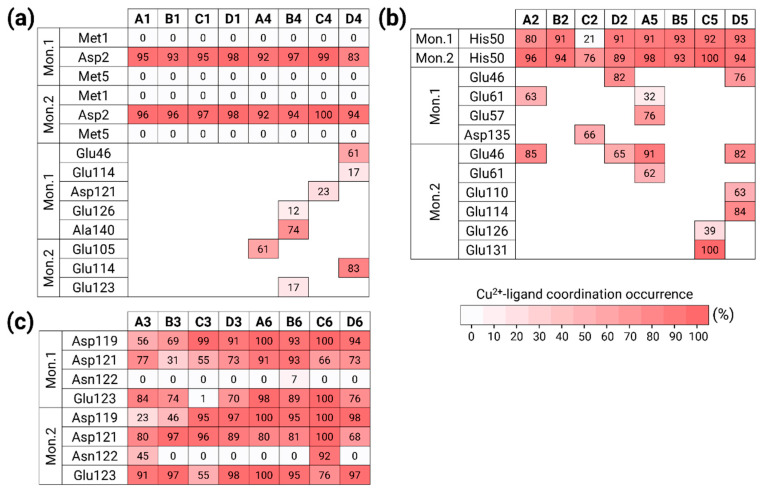 Figure 3
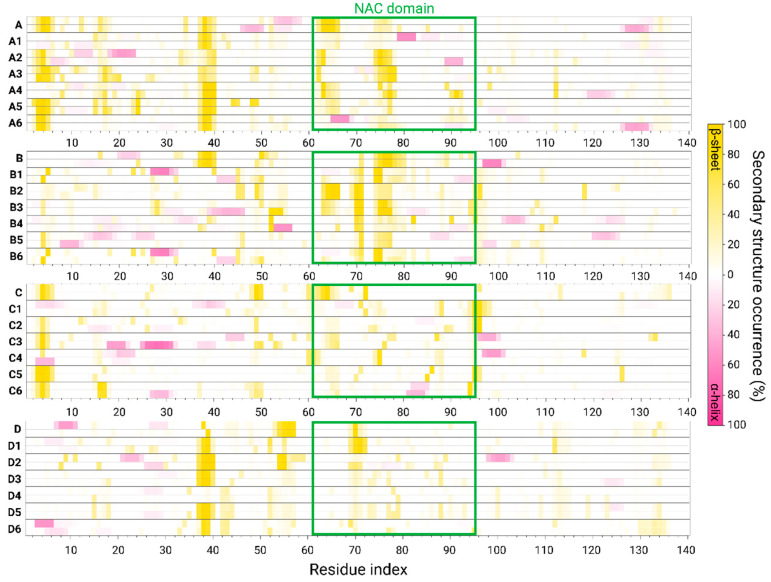 Figure 4
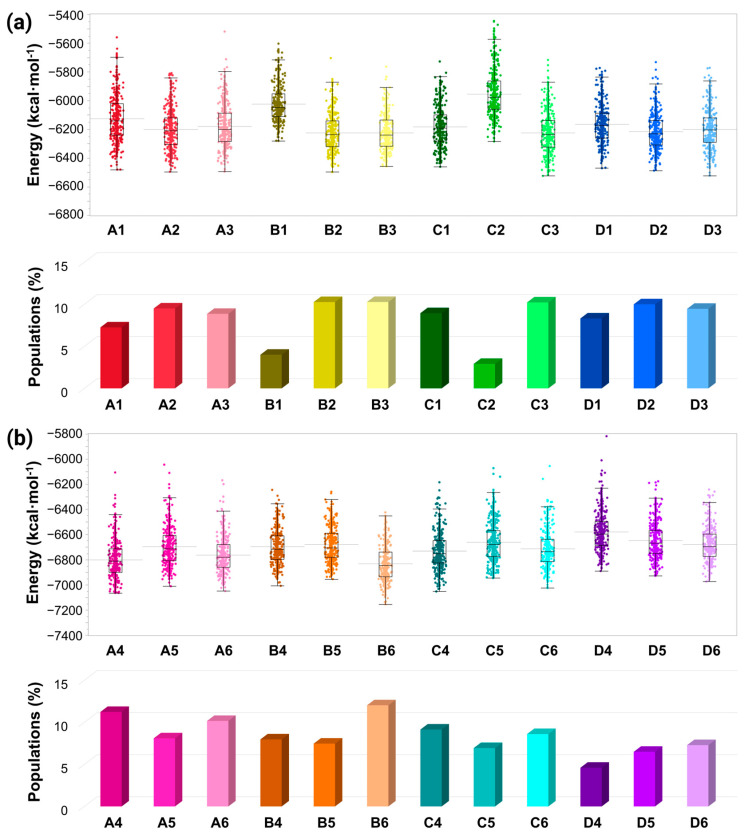 Figure 5
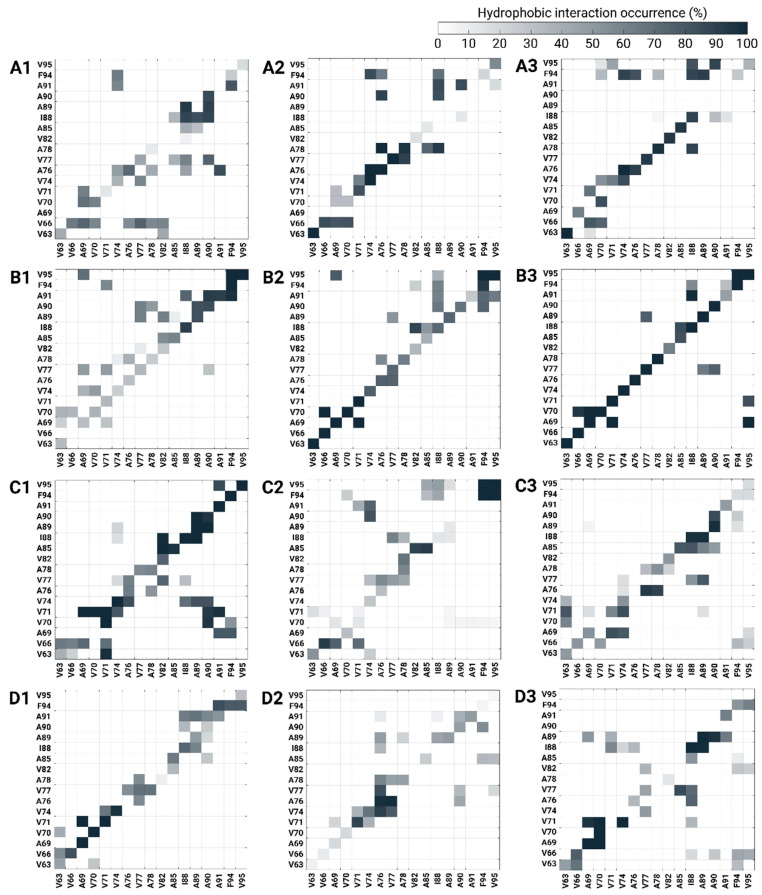 Figure 6
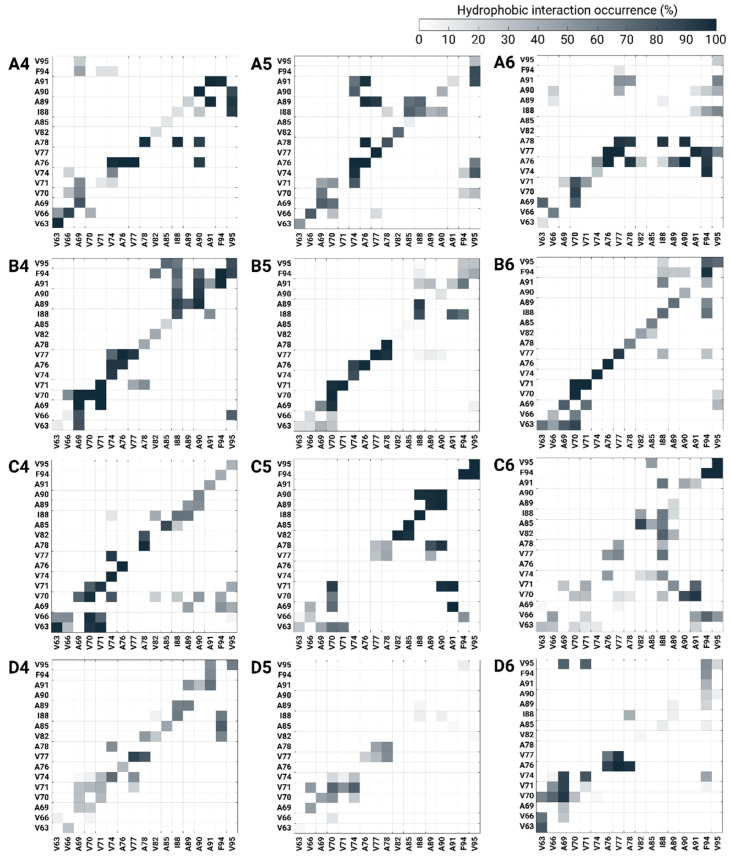 Figure 7
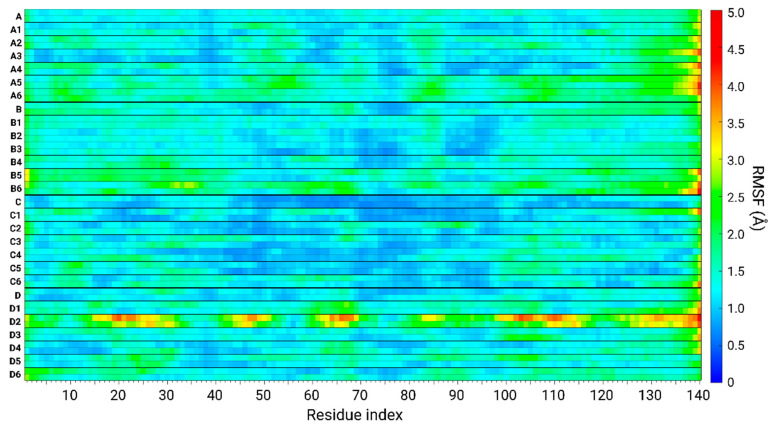 Figure 8
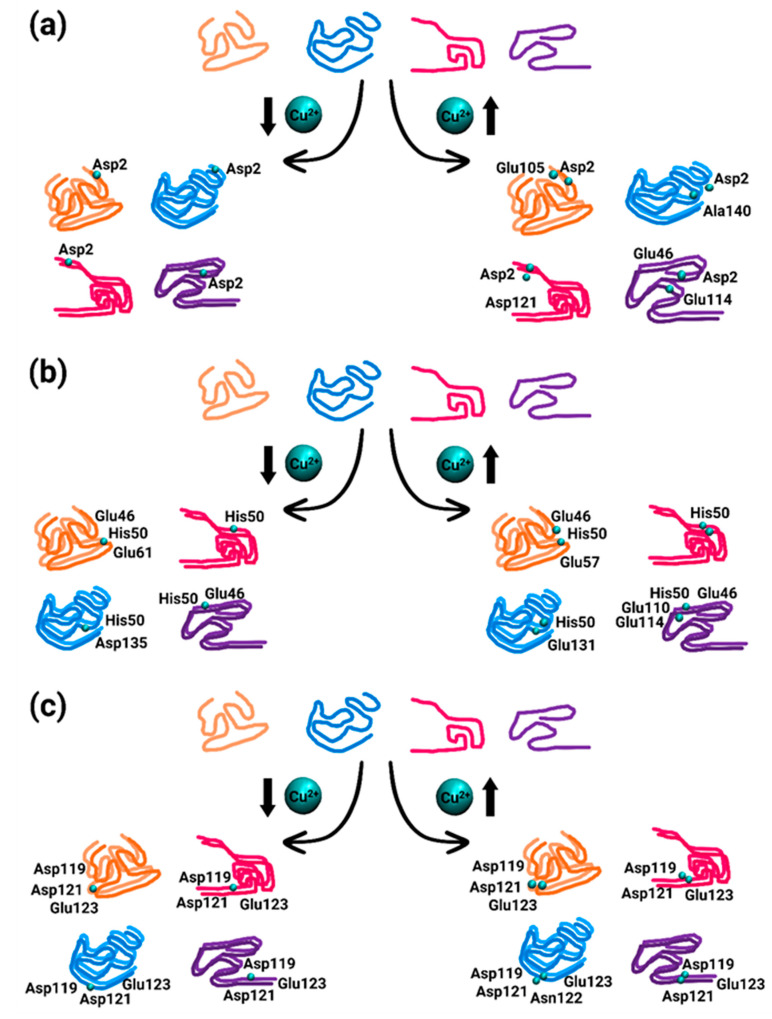 Figure 9
Peer Reviews
No public reviews on file for this paper yet. If you reviewed it on a platform where reviews are public (OpenReview, ICLR, NeurIPS, ICML), you can paste yours below so the community can read it here.
Videos
No videos yet. Explain this paper in a talk, walkthrough, or lecture? Add one.
Taxonomy
TopicsParkinson's Disease Mechanisms and Treatments · Advanced Polymer Synthesis and Characterization · biodegradable polymer synthesis and properties