PHE1-based IgG-like antibody platform provides a novel strategy for enhanced T-cell immunotherapy
Lingbin Wang, Haojie Jiang, Xuying Yin, Tingting Liang, Guoming Li, Chen Ding, Mina Yang, Lin Zhang, Junling Liu, Yanyan Xu

TL;DR
This study introduces a new antibody platform called PHE-Ig that improves T-cell immunotherapy by enabling the creation of effective bispecific antibodies for cancer treatment.
Contribution
The PHE-Ig platform uses PHE1 fragment technology to enhance heavy and light chain pairing in bispecific antibodies for T-cell immunotherapy.
Findings
PHE-Ig technology successfully promotes HC-LC pairing and enables the production of functional bispecific antibodies.
BCMA×CD3 PHE-Ig bispecific antibodies showed strong anti-multiple myeloma activity in both in vitro and in vivo models.
A shortened version of PHE1 (PHE-S) also demonstrated effective anti-tumor activity, offering new possibilities for bsAb development.
Abstract
Bispecific antibodies (BsAbs) can simultaneously target two epitopes of different antigenic targets, bringing possibilities for diversity in antibody drug design and are promising tools for the treatment of cancers and other diseases. T-cell engaging bsAb is an important application of the bispecific antibody, which could promote T cell-mediated tumor cell killing by targeting tumor-associated antigen (TAA) and CD3 at the same time. This study comprised antibodies purification, Elisa assay for antigen binding, cytotoxicity assays, T cell activation by flow cytometry in vitro and xenogenic tumor model in vivo. We present a novel bsAb platform named PHE-Ig technique to promote cognate heavy chain (HC)-light chain (LC) pairing by replacing the CH1/CL regions of different monoclonal antibodies (mAbs) with the natural A and B chains of PHE1 fragment of Integrin β2 based on the knob-in-hole…
Genes, proteins, chemicals, diseases, species, mutations and cell lines named across the full text — each resolved to its canonical identifier and authoritative record.
Click any figure to enlarge with its caption.
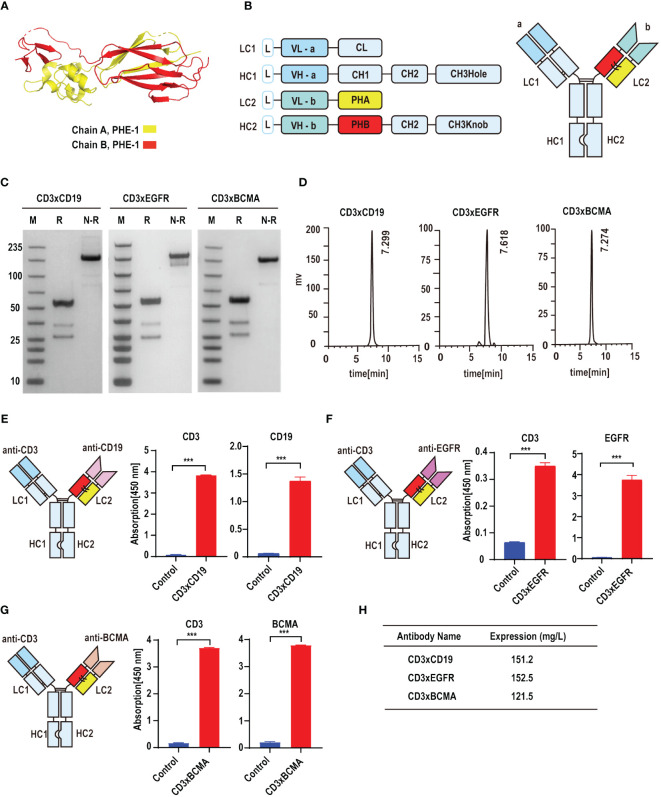 Figure 1
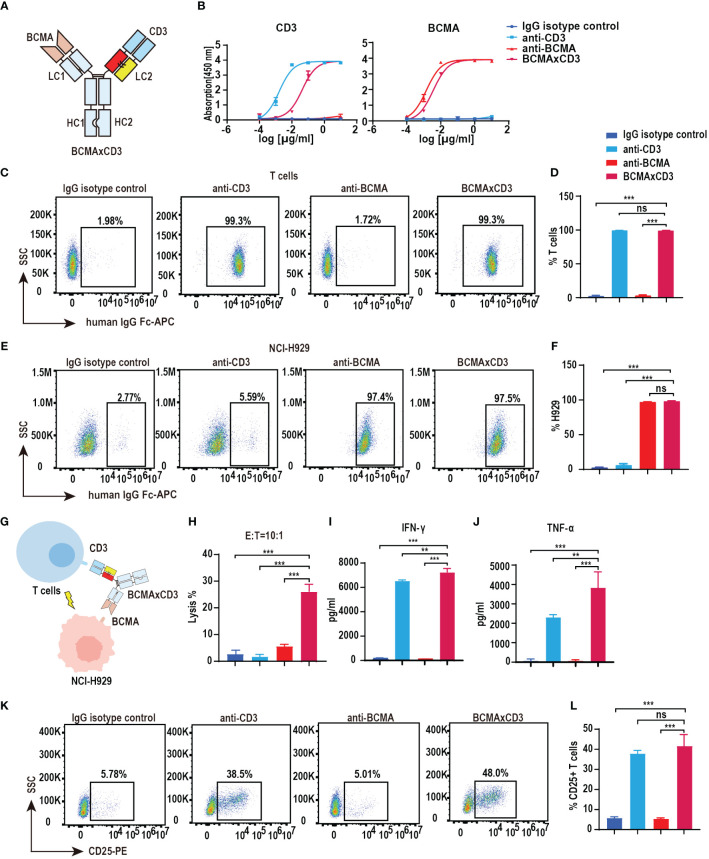 Figure 2
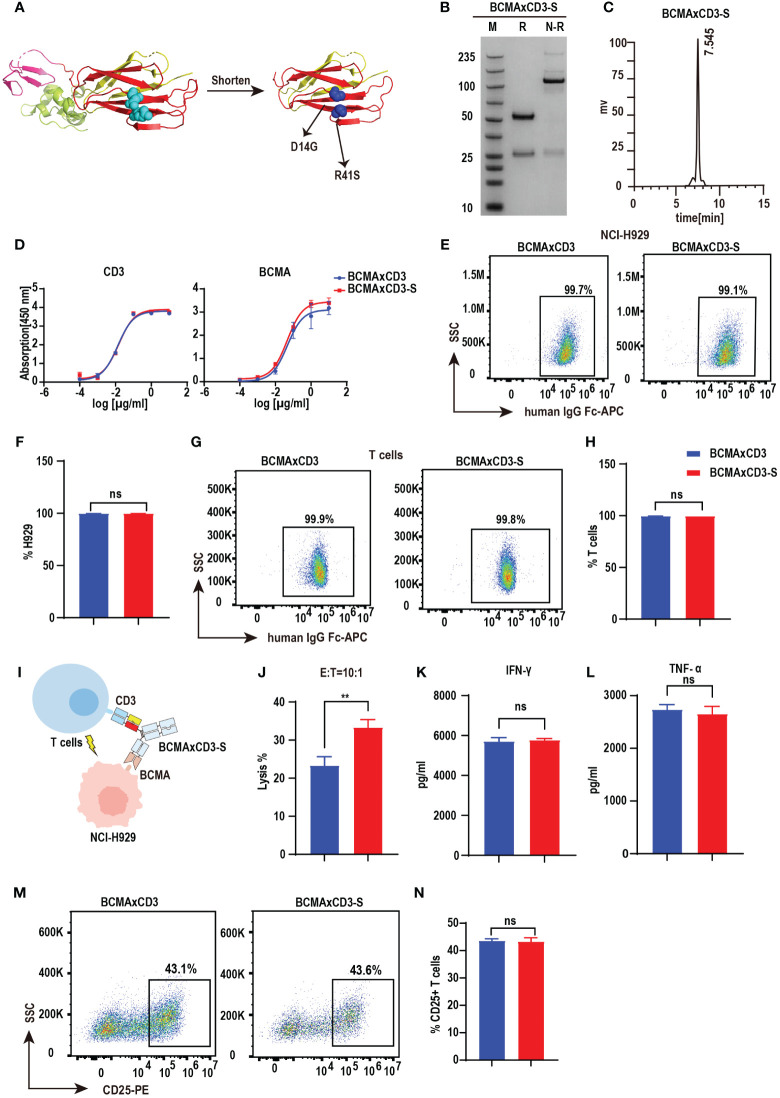 Figure 3
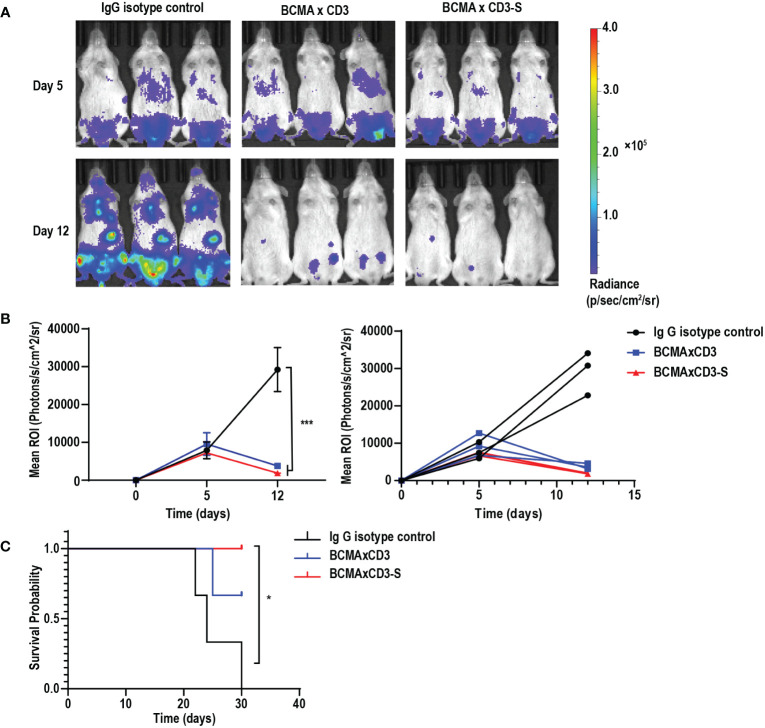 Figure 4
Peer Reviews
No public reviews on file for this paper yet. If you reviewed it on a platform where reviews are public (OpenReview, ICLR, NeurIPS, ICML), you can paste yours below so the community can read it here.
Videos
No videos yet. Explain this paper in a talk, walkthrough, or lecture? Add one.
Taxonomy
TopicsMonoclonal and Polyclonal Antibodies Research · CAR-T cell therapy research · Chronic Lymphocytic Leukemia Research