Preliminary Analysis of Hydrodynamic Drag Reduction and Fouling Resistance of Surfaces Inspired by the Mollusk Shell, Dosinia juvenilis
Benjamin W. Hamilton, O. Remus Tutunea-Fatan, Evgueni V. Bordatchev

TL;DR
This study explores how the shell of the mollusk Dosinia juvenilis resists fouling and reduces drag, using simulations to mimic its surface structure for industrial applications.
Contribution
The novelty lies in using biomimetic ribletted surfaces inspired by Dosinia juvenilis to achieve drag reduction and fouling resistance through hydrodynamic analysis.
Findings
A maximum drag reduction of 6.8% was observed compared to a flat surface.
Ripletted surfaces reduce spanwise and wall-normal velocity fluctuations near the surface.
The study supports the idea that natural ribletted surfaces serve multiple functions like drag reduction and fouling resistance.
Abstract
Many species of plants and animals show an ability to resist fouling with surface topographies tailored to their environments. The mollusk species Dosinia juvenilis has demonstrated the ability to resist the accumulation of fouling on its outer surface. Understanding the functional mechanism employed by nature represents a significant opportunity for the persistent challenges of many industrial and consumer applications. Using a biomimetic approach, this study investigates the underlying hydrodynamic mechanisms of fouling resistance through Large Eddy simulations of a turbulent boundary layer above a novel ribletted surface topography bio-inspired by the Dosinia juvenilis. The results indicate a maximum drag reduction of 6.8% relative to a flat surface. The flow statistics near the surface are analogous to those observed for other ribletted surfaces in that the appropriately sized…
Genes, proteins, chemicals, diseases, species, mutations and cell lines named across the full text — each resolved to its canonical identifier and authoritative record.
Click any figure to enlarge with its caption.
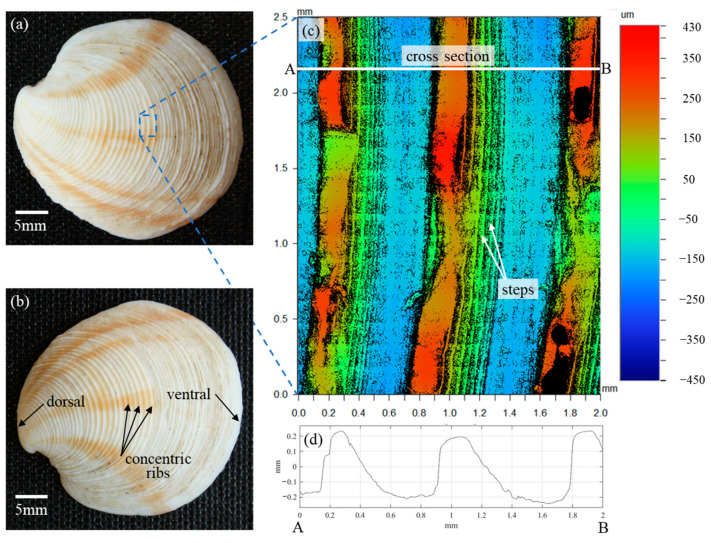 Figure 1
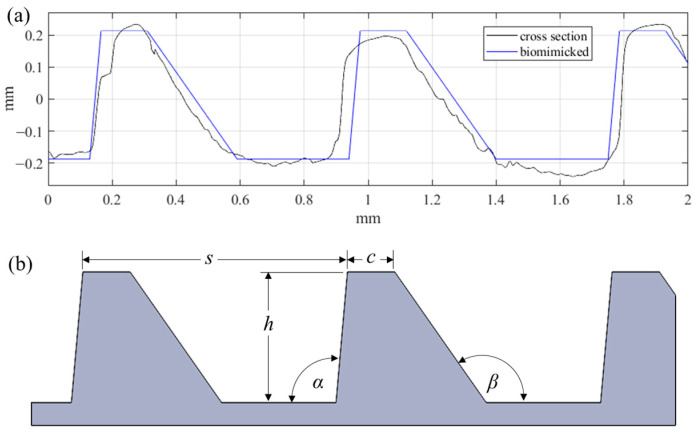 Figure 2
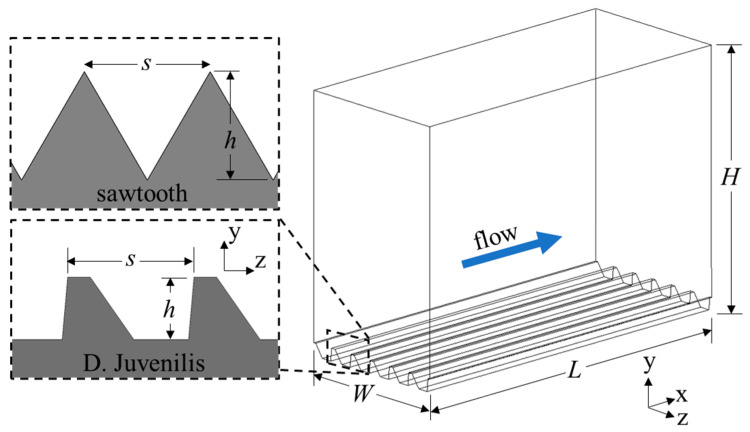 Figure 3
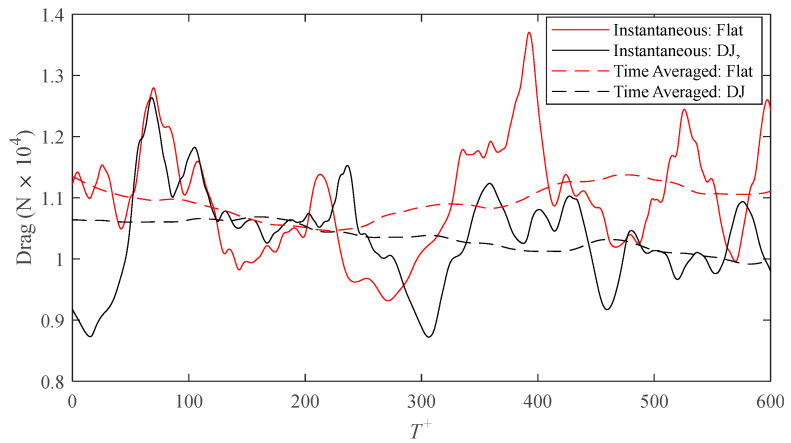 Figure 4
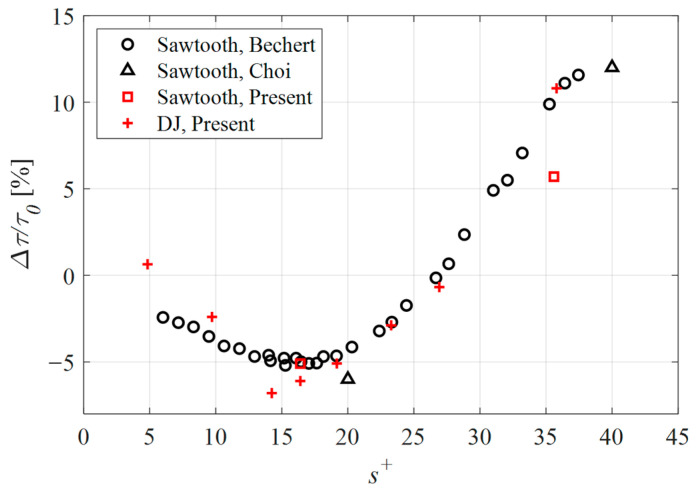 Figure 5
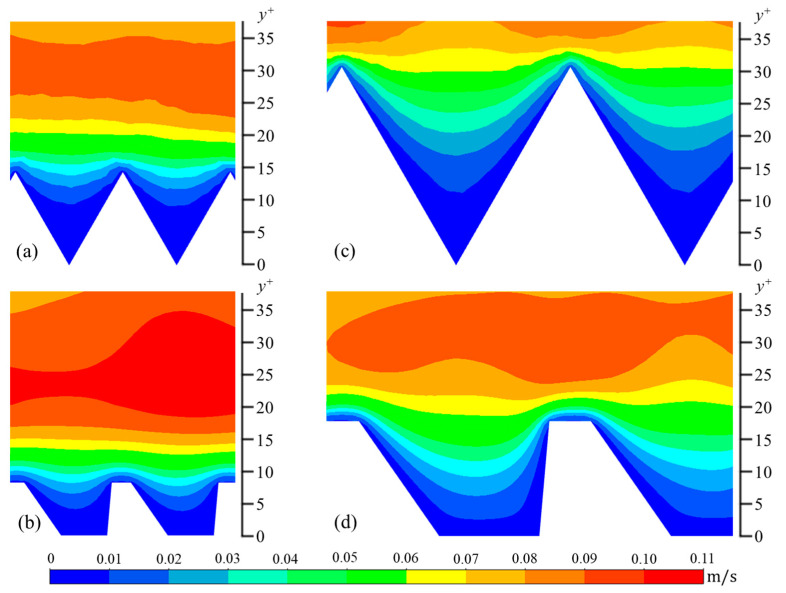 Figure 6
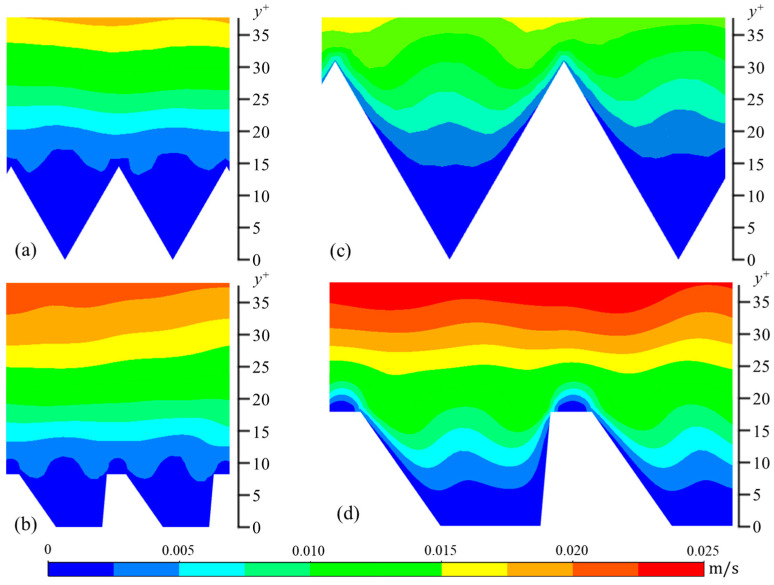 Figure 7
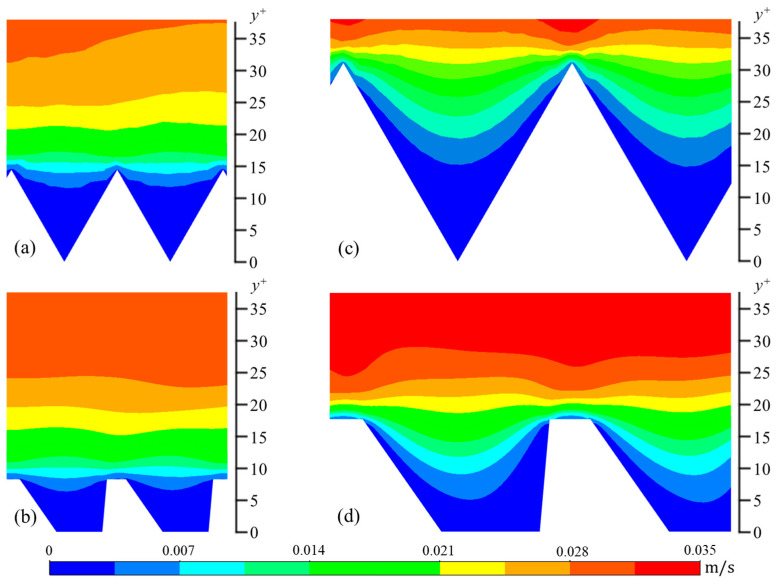 Figure 8
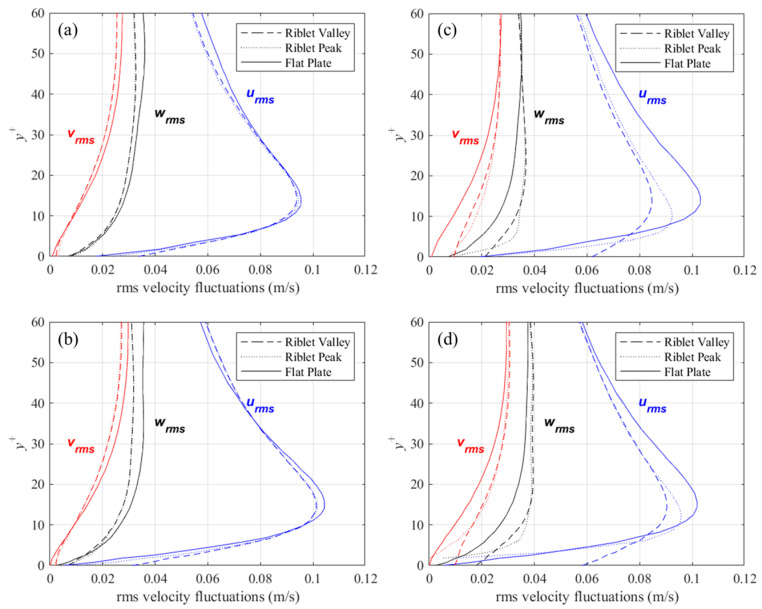 Figure 9
Peer Reviews
No public reviews on file for this paper yet. If you reviewed it on a platform where reviews are public (OpenReview, ICLR, NeurIPS, ICML), you can paste yours below so the community can read it here.
Videos
No videos yet. Explain this paper in a talk, walkthrough, or lecture? Add one.
Taxonomy
TopicsAeolian processes and effects