Neuron Circuit Based on a Split-gate Transistor with Nonvolatile Memory for Homeostatic Functions of Biological Neurons
Hansol Kim, Sung Yun Woo, Hyungjin Kim

TL;DR
Researchers developed a neuron circuit using a split-gate transistor to mimic biological neuron homeostasis, improving neural network performance through threshold voltage adjustments.
Contribution
A novel split-gate transistor-based neuron circuit is introduced to emulate biological neuron homeostasis and enhance neural network learning.
Findings
The split-gate FET's threshold voltage can be adjusted via charge trapping in the Si3N4 layer.
Separating read and control gates prevents dielectric degradation during operation.
Increasing the neuron circuit's threshold improved recognition rates by 8% in simulations.
Abstract
To mimic the homeostatic functionality of biological neurons, a split-gate field-effect transistor (S-G FET) with a charge trap layer is proposed within a neuron circuit. By adjusting the number of charges trapped in the Si3N4 layer, the threshold voltage (Vth) of the S-G FET changes. To prevent degradation of the gate dielectric due to program/erase pulses, the gates for read operation and Vth control were separated through the fin structure. A circuit that modulates the width and amplitude of the pulse was constructed to generate a Program/Erase pulse for the S-G FET as the output pulse of the neuron circuit. By adjusting the Vth of the neuron circuit, the firing rate can be lowered by increasing the Vth of the neuron circuit with a high firing rate. To verify the performance of the neural network based on S-G FET, a simulation of online unsupervised learning and classification in a…
Genes, proteins, chemicals, diseases, species, mutations and cell lines named across the full text — each resolved to its canonical identifier and authoritative record.
Click any figure to enlarge with its caption.
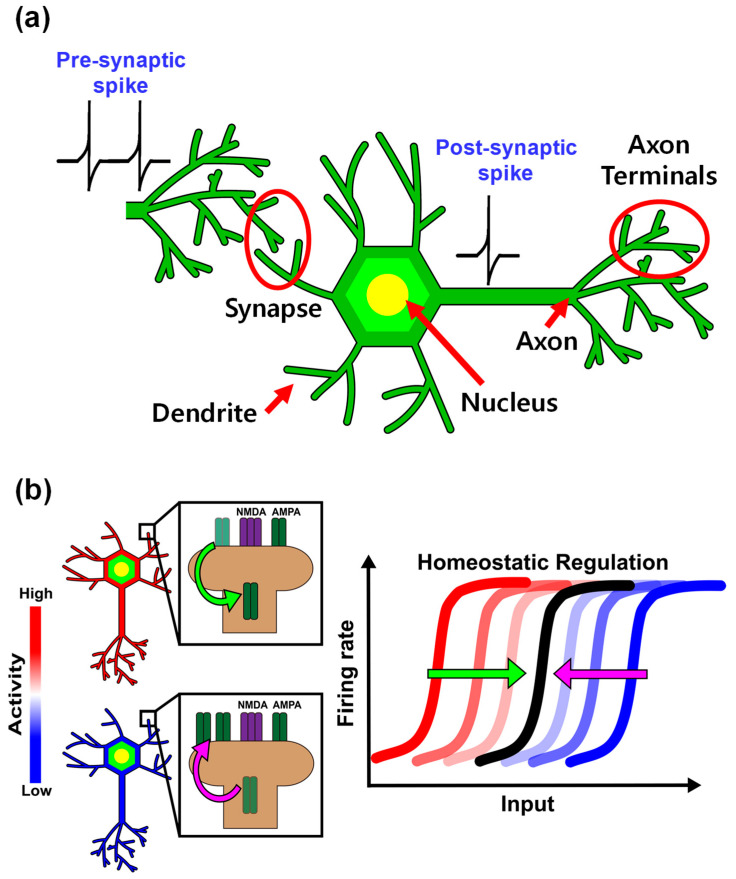 Figure 1
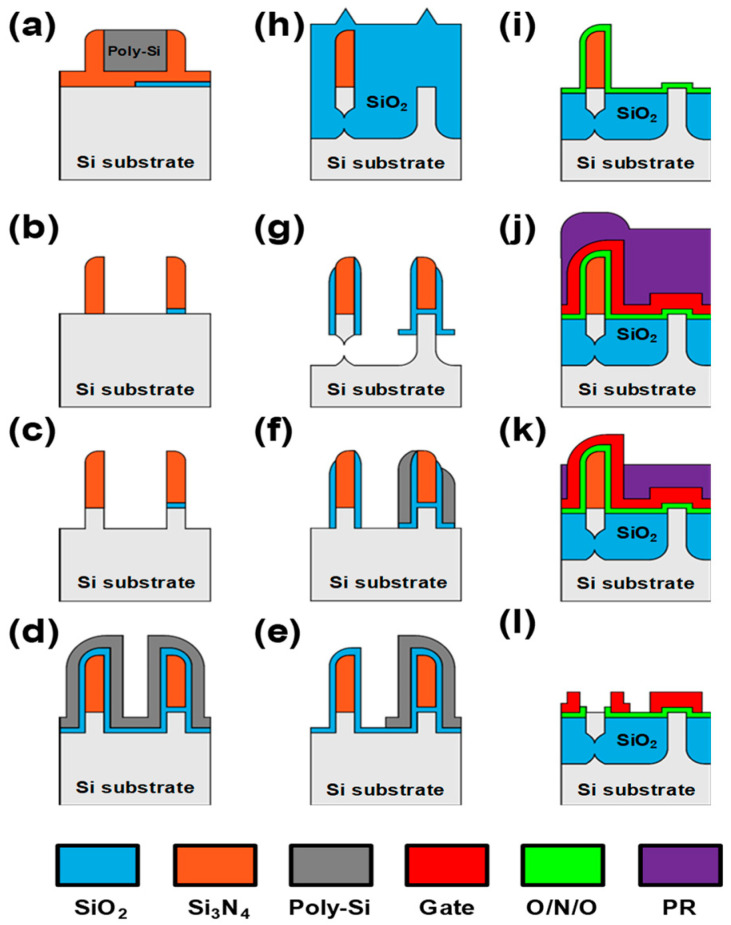 Figure 2
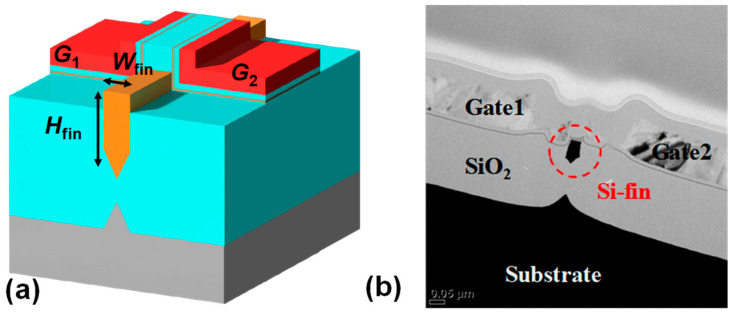 Figure 3
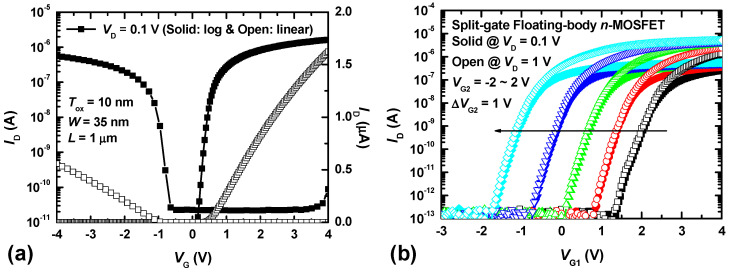 Figure 4
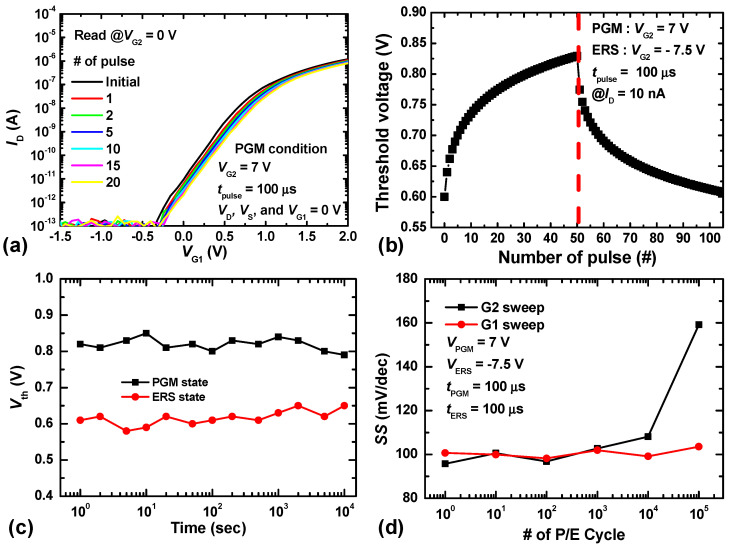 Figure 5
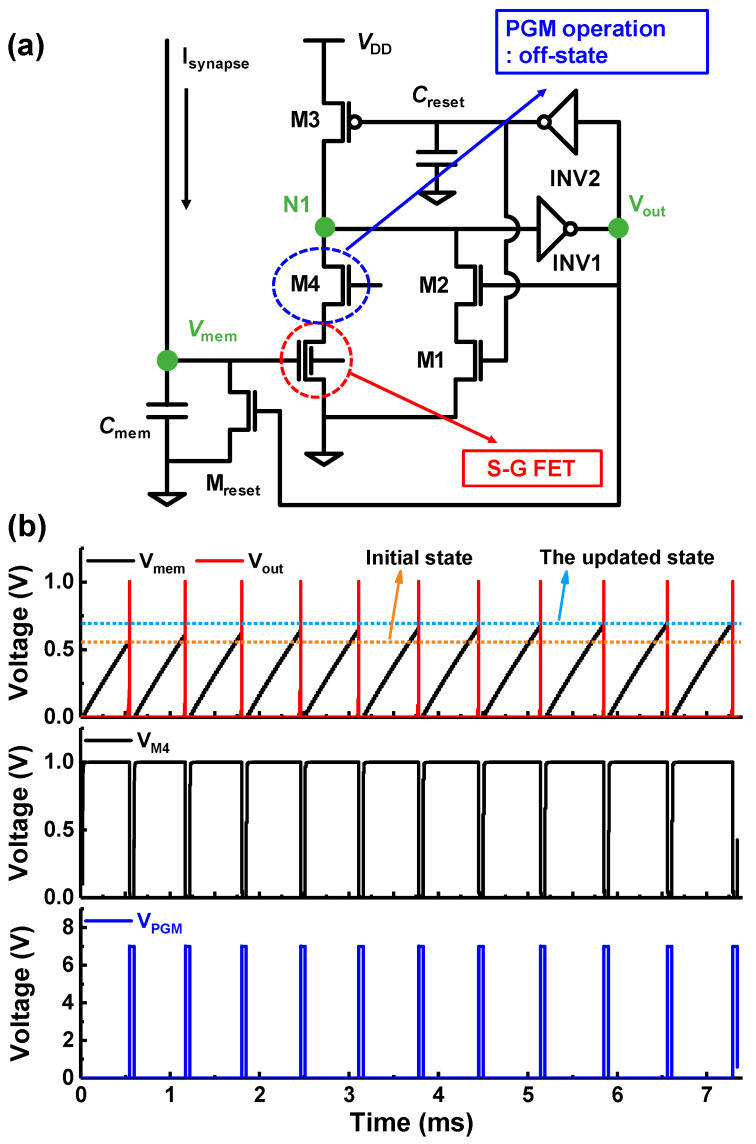 Figure 6
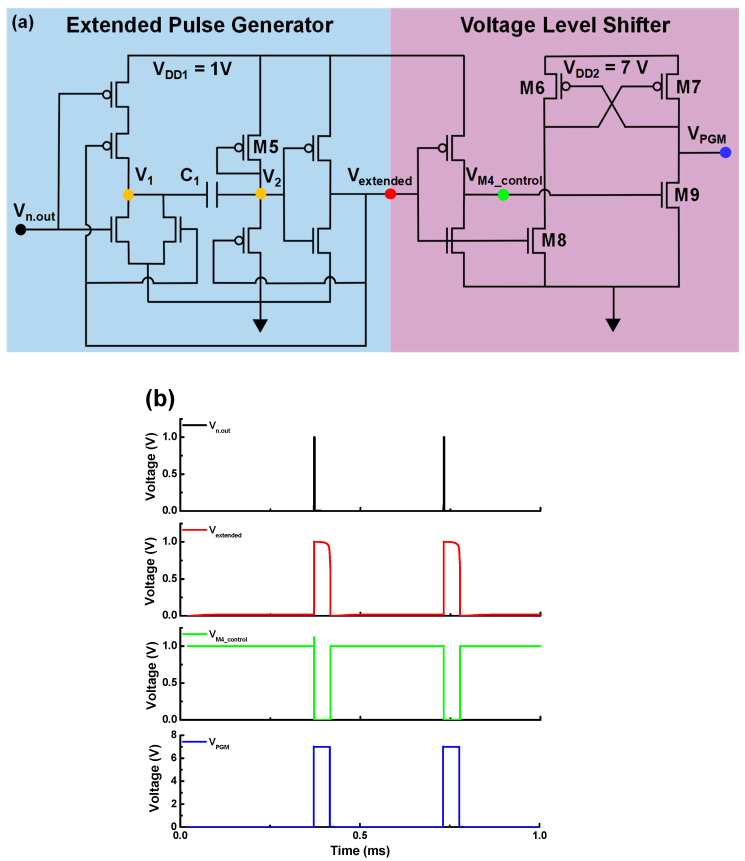 Figure 7
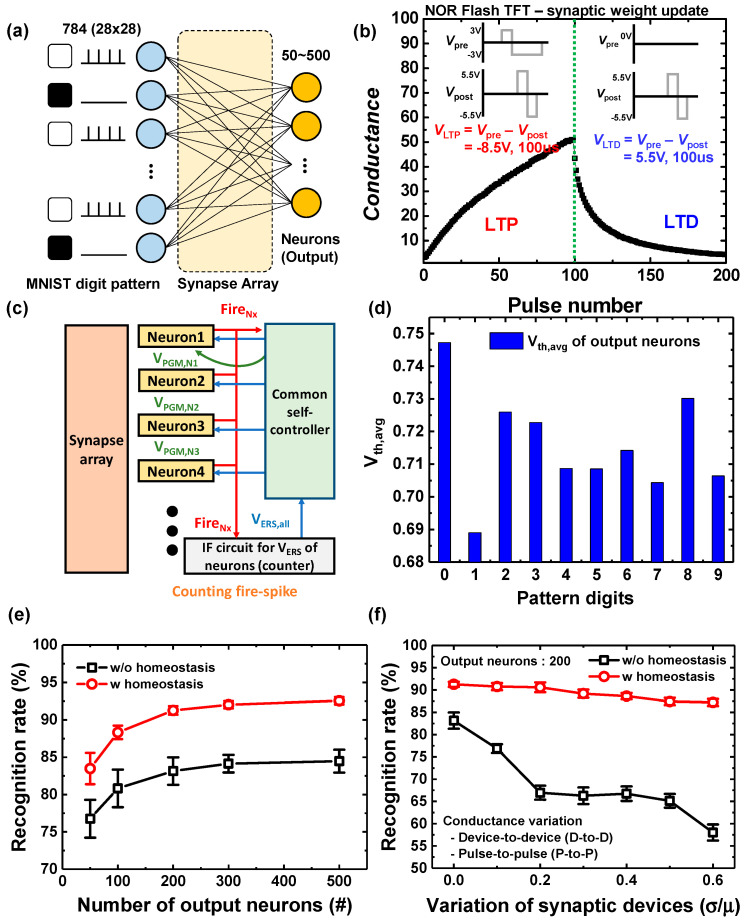 Figure 8
Peer Reviews
No public reviews on file for this paper yet. If you reviewed it on a platform where reviews are public (OpenReview, ICLR, NeurIPS, ICML), you can paste yours below so the community can read it here.
Videos
No videos yet. Explain this paper in a talk, walkthrough, or lecture? Add one.
Taxonomy
TopicsAdvanced Memory and Neural Computing · Neuroscience and Neural Engineering · Analytical Chemistry and Sensors