Computer-vision analysis of craniofacial dysmorphology in 22q11.2 deletion syndrome and psychosis spectrum disorders
David R. Roalf, Donna M. McDonald-McGinn, Joelle Jee, Mckenna Krall, T. Blaine Crowley, Paul J. Moberg, Christian Kohler, Monica E. Calkins, Andrew J.D. Crow, Nicole Fleischer, R. Sean Gallagher, Virgilio Gonzenbach, Kelly Clark, Ruben C. Gur, Emily McClellan, Daniel E. McGinn

TL;DR
This study uses computer vision to analyze facial features in 22q11DS and psychosis spectrum disorders, aiming to identify early signs of developmental disruptions linked to psychosis.
Contribution
The study introduces a novel approach combining two computer-vision techniques to detect overlapping craniofacial patterns in 22q11DS and psychosis.
Findings
F2G reliably identified 22q11DS patients and linked PS patients to genetic conditions like FragileX.
PCA-derived facial patterns showed unique and overlapping features in 22q11DS and PS.
22q11DS individuals had smaller eye and nose measurements compared to typically developing controls.
Abstract
Minor physical anomalies (MPAs) are congenital morphological abnormalities linked to disruptions of fetal development. MPAs are common in 22q11.2 deletion syndrome (22q11DS) and psychosis spectrum disorders (PS) and likely represent a disruption of early embryologic development that may help identify overlapping mechanisms linked to psychosis in these disorders. Here, 2D digital photographs were collected from 22q11DS (n = 150), PS (n = 55), and typically developing (TD; n = 93) individuals. Photographs were analyzed using two computer-vision techniques: (1) DeepGestalt algorithm (Face2Gene (F2G)) technology to identify the presence of genetically mediated facial disorders, and (2) Emotrics—a semi-automated machine learning technique that localizes and measures facial features. F2G reliably identified patients with 22q11DS; faces of PS patients were matched to several genetic…
Genes, proteins, chemicals, diseases, species, mutations and cell lines named across the full text — each resolved to its canonical identifier and authoritative record.
Click any figure to enlarge with its caption.
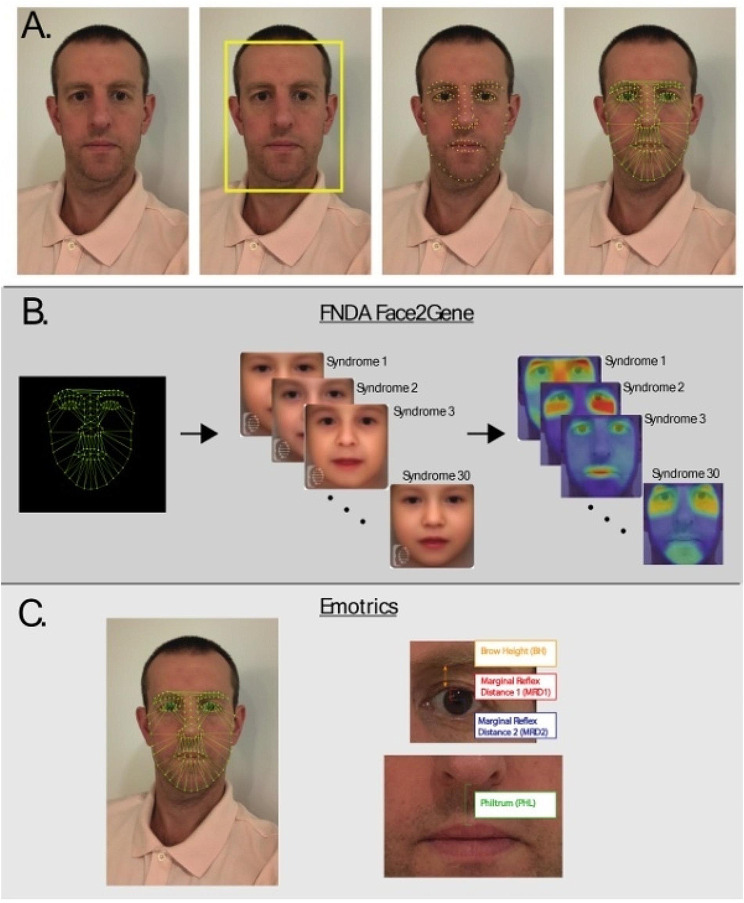 Figure 1
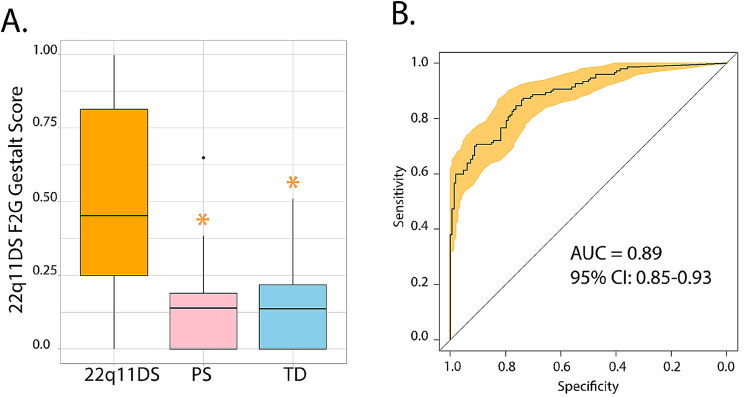 Figure 2
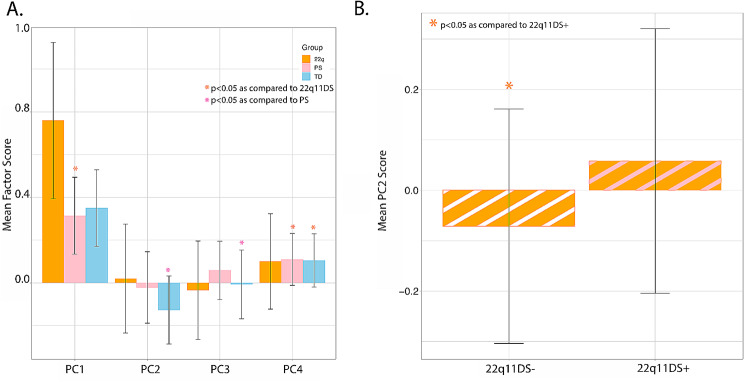 Figure 3
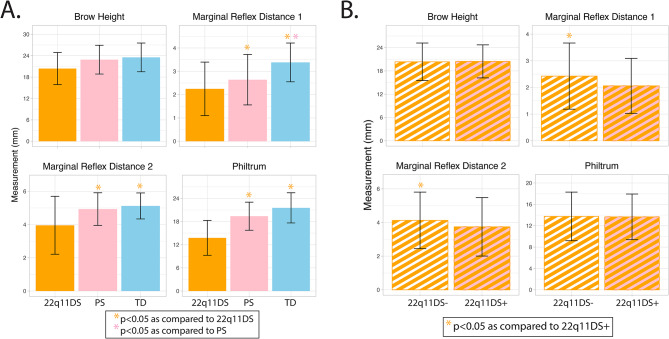 Figure 4
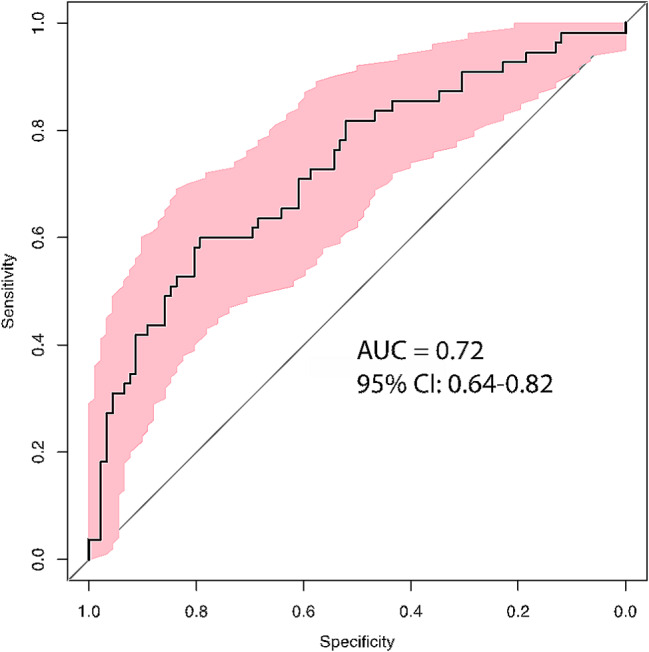 Figure 5
Peer Reviews
No public reviews on file for this paper yet. If you reviewed it on a platform where reviews are public (OpenReview, ICLR, NeurIPS, ICML), you can paste yours below so the community can read it here.
Videos
No videos yet. Explain this paper in a talk, walkthrough, or lecture? Add one.
Taxonomy
TopicsCongenital heart defects research · Anatomy and Medical Technology