The Effect of Bystander Features on Displaced Aggression in Provocative Situations among Male Juvenile Delinquents
Shuang Lin, Gonglu Cheng, Shinan Sun, Mengmeng Feng, Xuejun Bai

TL;DR
This study shows that male juvenile delinquents are more likely to show displaced aggression in the presence of bystanders, especially those who are highly triggered.
Contribution
The study introduces new insights into how bystander characteristics influence displaced aggression among male juvenile delinquents.
Findings
Displaced aggression is higher when bystanders are present compared to when they are absent.
Male juvenile delinquents show more aggression toward highly triggered bystanders after low provocation.
The findings support the personality and social model of displaced aggression.
Abstract
Two studies were conducted to explore the influence of bystander features of displaced aggression in provocative situations among male juvenile delinquents. Study 1 examined the differences in displaced aggression between provoked male juvenile delinquents in the presence or absence of bystanders. The results revealed that provoked male juvenile delinquents exhibited significantly higher levels of displaced aggression when bystanders were present compared to when they were not. Study 2 further manipulated the bystanders’ trigger level and investigated the differences in displaced aggression exhibited by provoked male juvenile delinquents towards highly versus lowly triggered bystanders. The results indicated that after low provocation, male juvenile delinquents exhibited significantly higher levels of displaced aggression towards highly triggered bystanders compared to lowly triggered…
Genes, proteins, chemicals, diseases, species, mutations and cell lines named across the full text — each resolved to its canonical identifier and authoritative record.
Click any figure to enlarge with its caption.
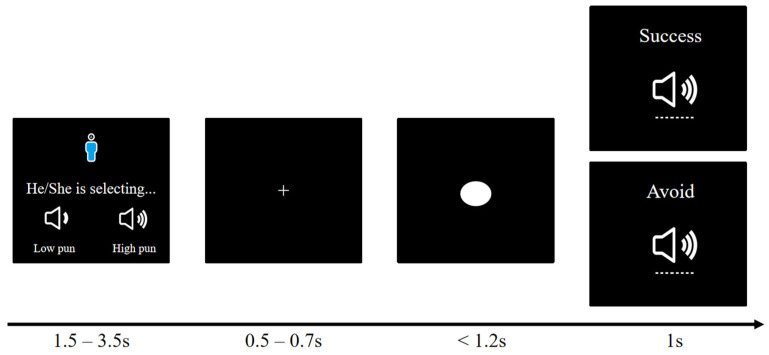 Figure 1
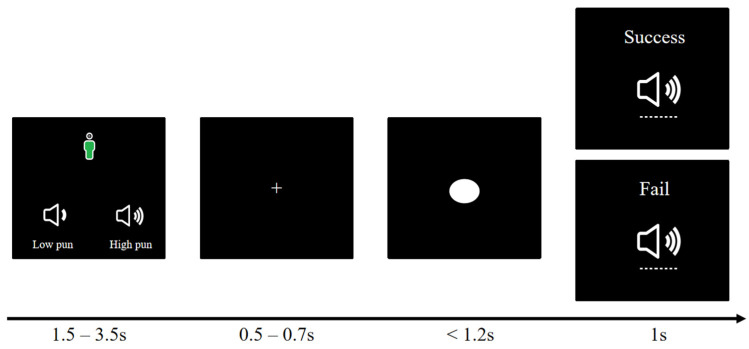 Figure 2
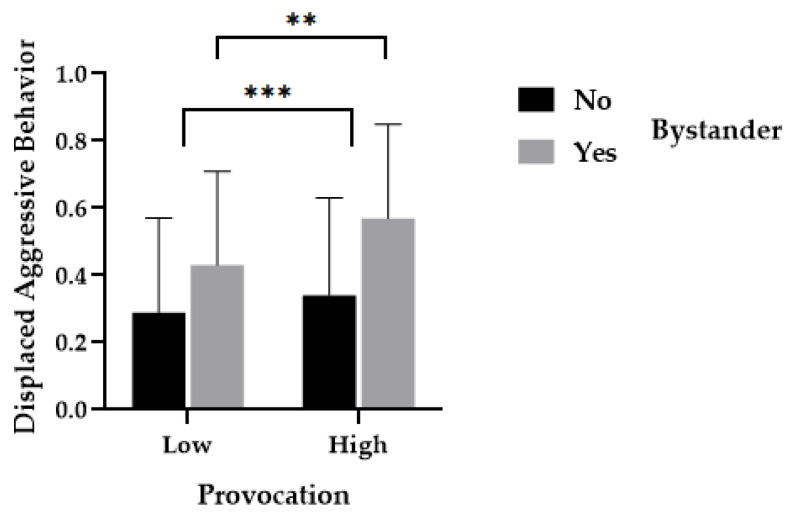 Figure 3
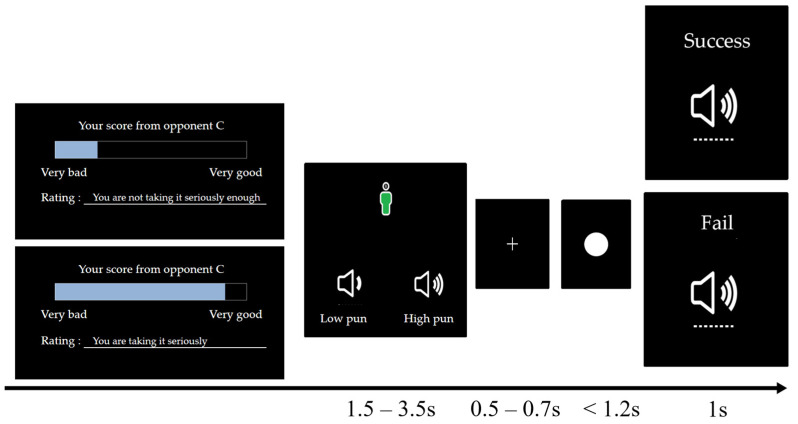 Figure 4
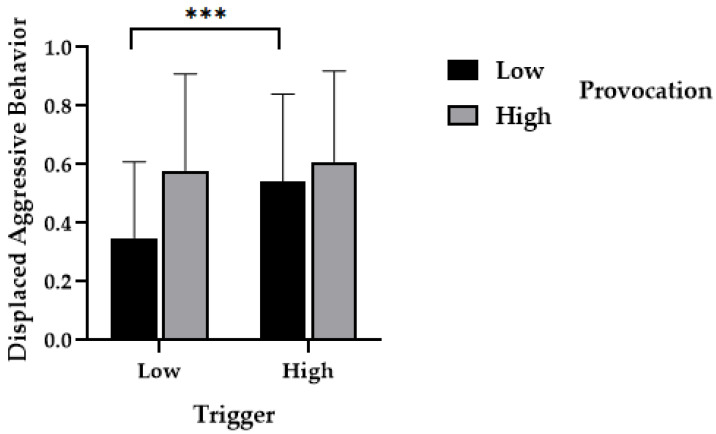 Figure 5
Peer Reviews
No public reviews on file for this paper yet. If you reviewed it on a platform where reviews are public (OpenReview, ICLR, NeurIPS, ICML), you can paste yours below so the community can read it here.
Videos
No videos yet. Explain this paper in a talk, walkthrough, or lecture? Add one.
Taxonomy
TopicsBullying, Victimization, and Aggression · Crime Patterns and Interventions · Psychopathy, Forensic Psychiatry, Sexual Offending