Development of Subcutaneous SSEA3- or SSEA4-Positive Cell Capture Device
Yasuhide Nakayama, Ryosuke Iwai

TL;DR
Researchers developed a device to capture stem cells in beagles, which could be used for regenerative medicine.
Contribution
A novel subcutaneous device was developed to accumulate autologous stem cells in vivo.
Findings
The device formed collagen-based tissues with minimal inflammation in beagles.
Recovered cells expressed SSEA3/SSEA4 and could differentiate into bone or cartilage cells.
Approximately four million cells were obtained from a single mold, with 70% CD90-positive cells.
Abstract
Securing high-quality cell sources is important in regenerative medicine. In this study, we developed a device that can accumulate autologous stem cells in the body. When small wire-assembled molds were embedded in the dorsal subcutaneous pouches of beagles for several weeks, collagen-based tissues with minimal inflammation formed inside the molds. At 3 weeks of embedding, the outer areas of the tissues were composed of immature type III collagen with large amounts of cells expressing SSEA3 or SSEA4 markers, in addition to growth factors such as HGF or VEGF. When separated from the tissues by collagenase treatment, approximately four million cells with a proportion of 70% CD90-positive and 20% SSEA3- or SSEA4-positive cells were recovered from the single mold. The cells could differentiate into bone or cartilage cells. The obtained cell-containing tissues are expected to have potential…
Genes, proteins, chemicals, diseases, species, mutations and cell lines named across the full text — each resolved to its canonical identifier and authoritative record.
Click any figure to enlarge with its caption.
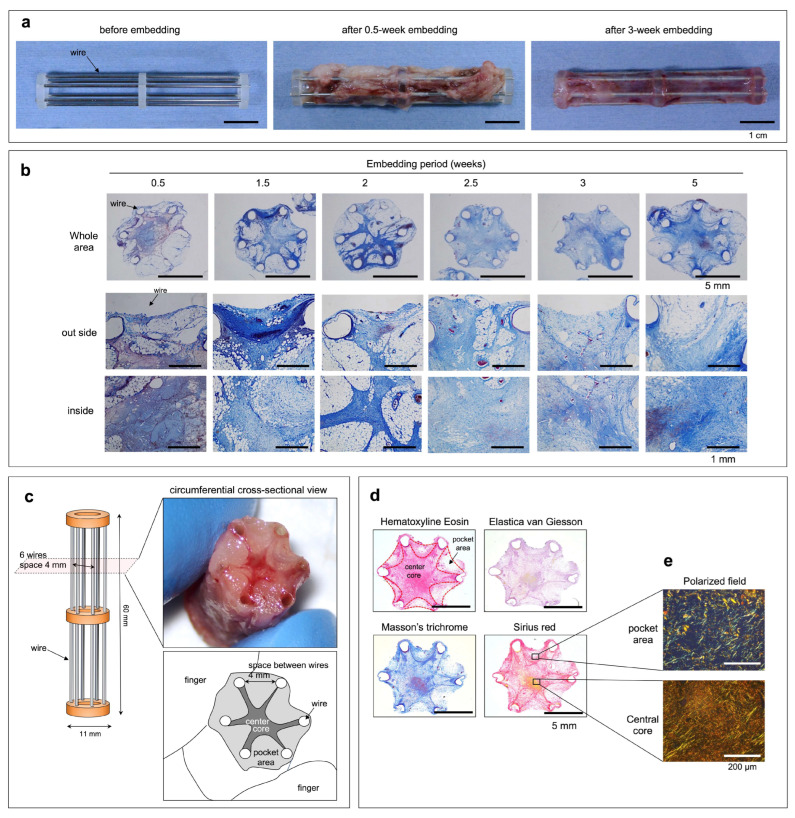 Figure 1
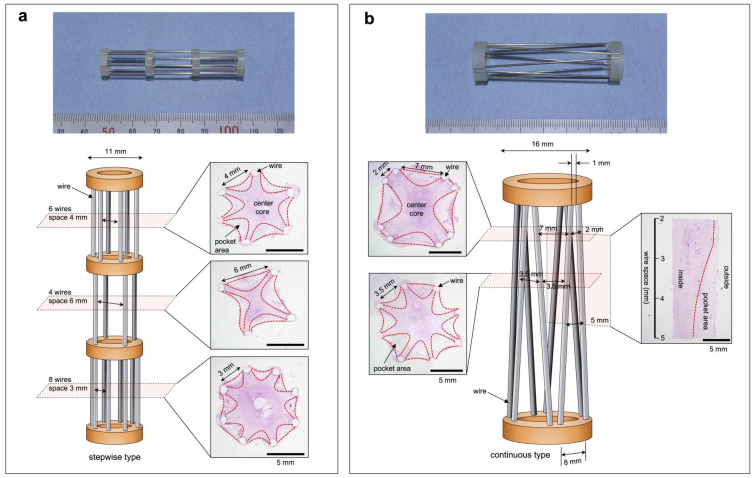 Figure 2
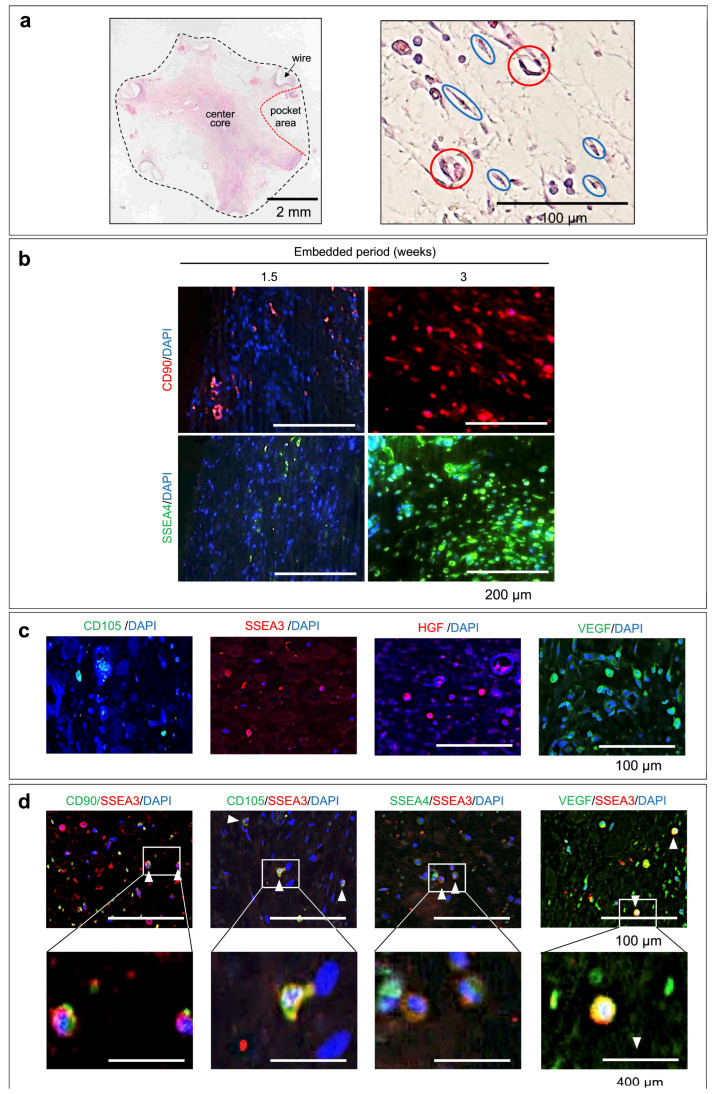 Figure 3
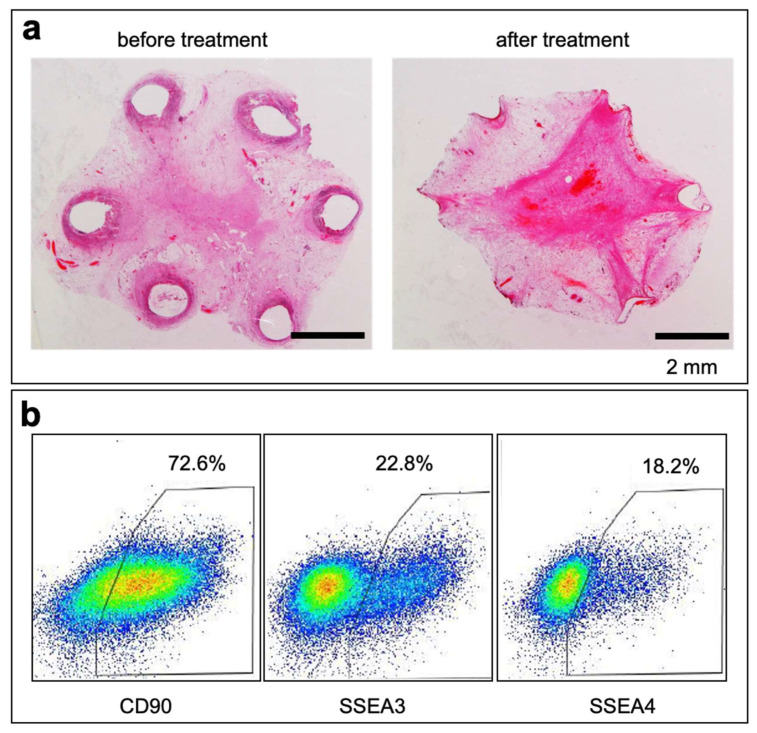 Figure 4
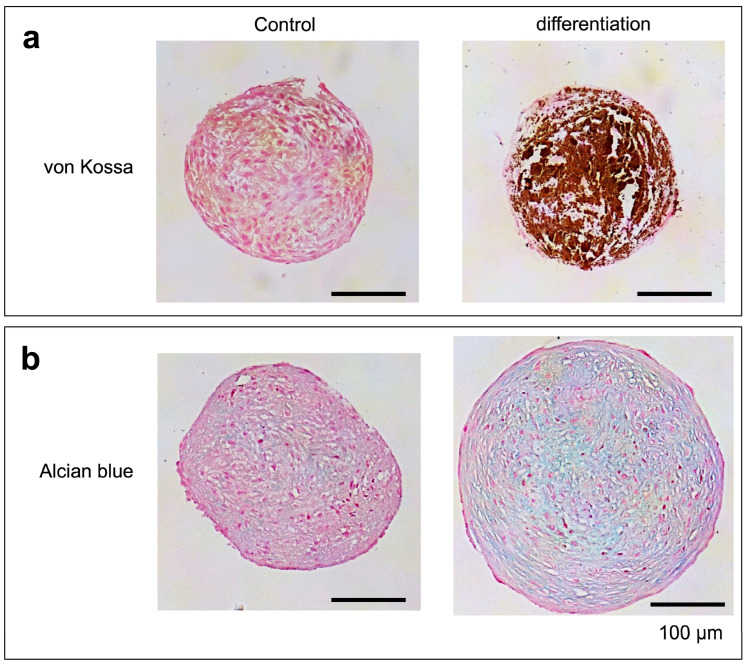 Figure 5
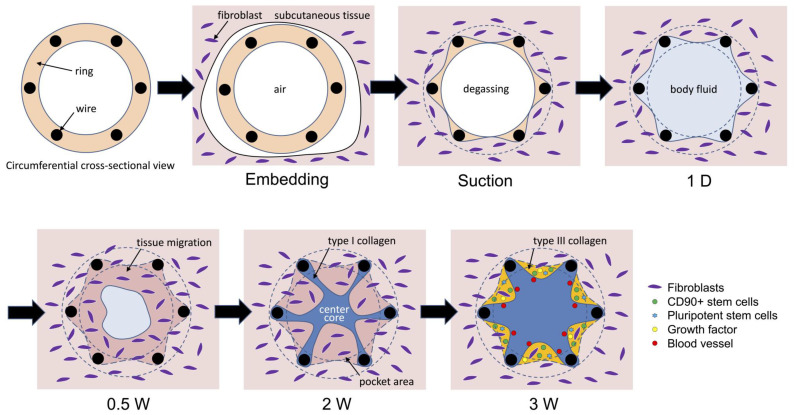 Figure 6
Peer Reviews
No public reviews on file for this paper yet. If you reviewed it on a platform where reviews are public (OpenReview, ICLR, NeurIPS, ICML), you can paste yours below so the community can read it here.
Videos
No videos yet. Explain this paper in a talk, walkthrough, or lecture? Add one.
Taxonomy
Topics3D Printing in Biomedical Research · Pluripotent Stem Cells Research · Additive Manufacturing and 3D Printing Technologies