Insights into Atresia Ani Type IV in Felis catus: Preliminary Epidemiolocal Findings Associated with Surgery
Diogo Nascimento, Pedro Azevedo, L. Miguel Carreira

TL;DR
This study reports on the incidence and surgical outcomes of a rare rectal-anal birth defect in female cats, identifying factors that improve recovery.
Contribution
The study is the first to report the incidence of Type IV Atresia Ani in cats and identify factors influencing surgical outcomes.
Findings
A 4.7% incidence of Type IV Atresia Ani was found among 192 evaluated cats.
Cats with a body condition score of 3, age 3–4 weeks, and fistula length 1–2 mm had better surgical outcomes.
These factors reduced fecal incontinence and anal stenosis risks post-surgery.
Abstract
Atresia Ani (AA) is a rare congenital anomaly affecting rectal and anal development in companion animals, with its occurrence in cats being poorly documented. This study investigated Type IV Atresia Ani (which includes a recto-vaginal fistula) in female cats, focusing on surgical intervention as the primary treatment. Over 2 years, nine female cats with Type IV Atresia Ani were analyzed for age, body condition, and fistula length. Statistical analysis revealed that a body condition score of 3, an age range of 3 to 4 weeks, and a fistula length of 1 to 2 mm influenced fecal incontinence and anal stenosis development during the perioperative period. Incidence of this condition was 4.7% among the 192 cats evaluated. Cats with a body condition score of 3, an age of 3 to 4 weeks, and a fistula size of 1 to 2 mm showed better surgical outcomes. This study is the first to report the disease…
Genes, proteins, chemicals, diseases, species, mutations and cell lines named across the full text — each resolved to its canonical identifier and authoritative record.
Click any figure to enlarge with its caption.
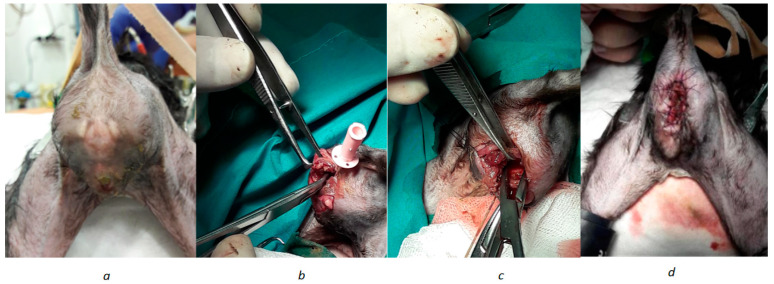 Figure 1
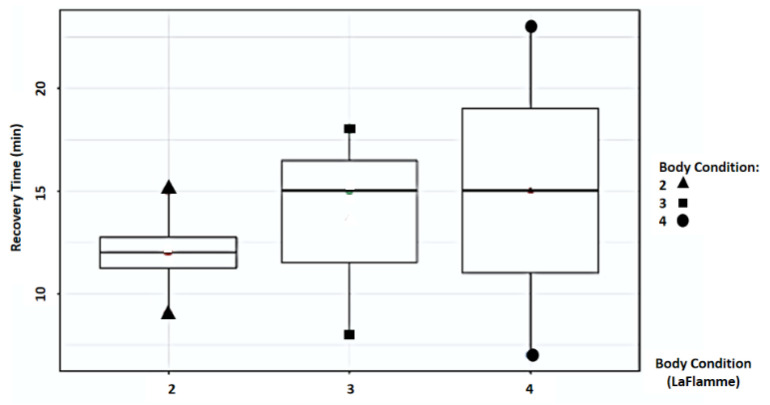 Figure 2
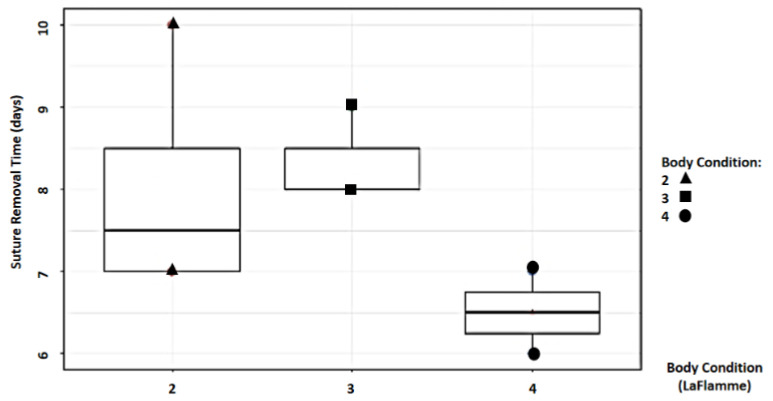 Figure 3
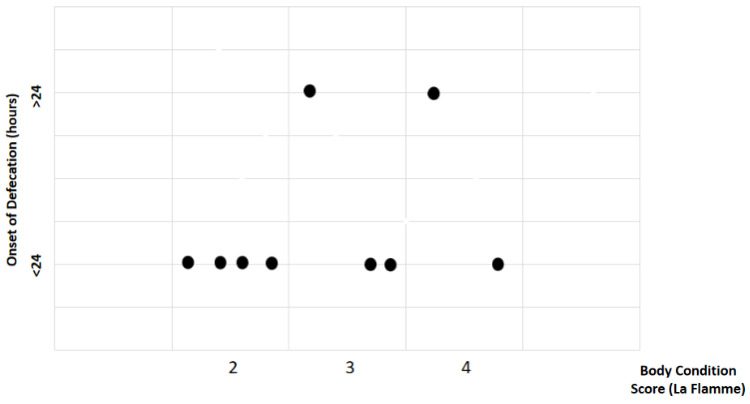 Figure 4
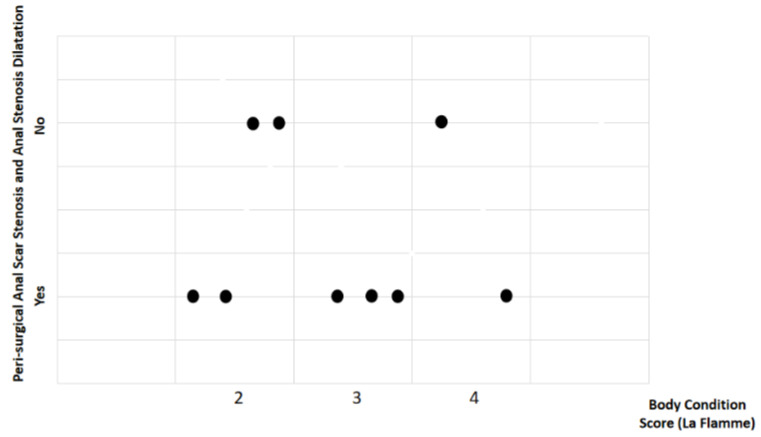 Figure 5
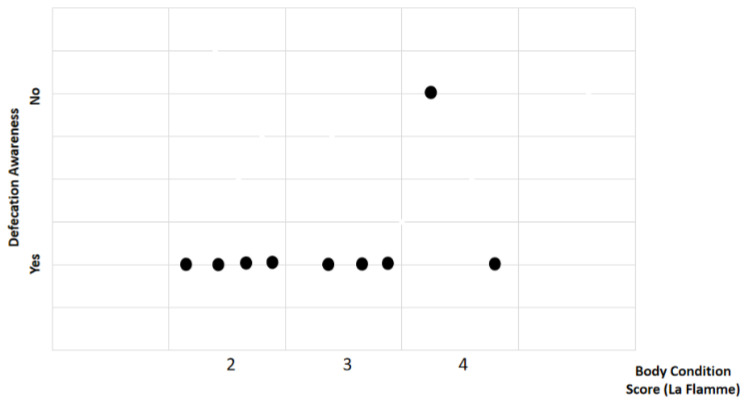 Figure 6
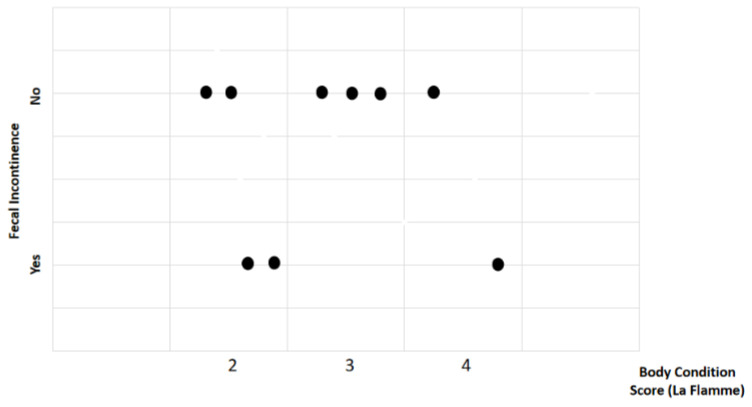 Figure 7
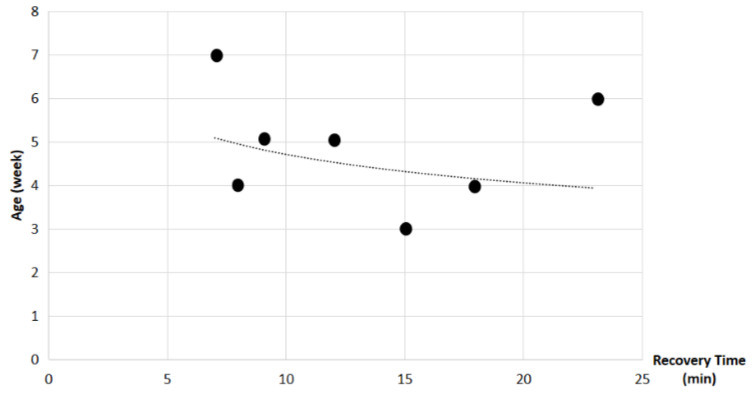 Figure 8
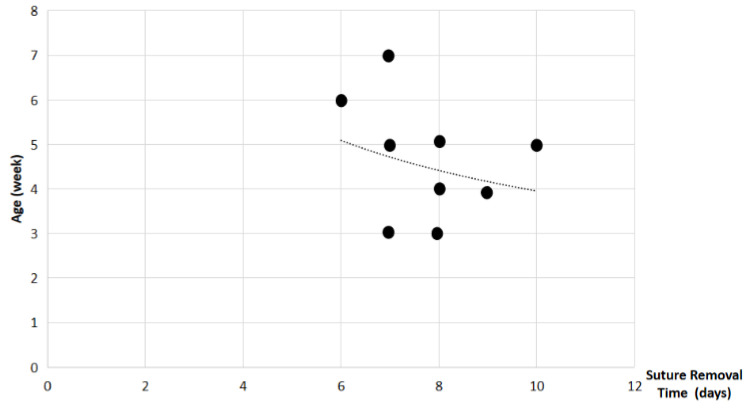 Figure 9
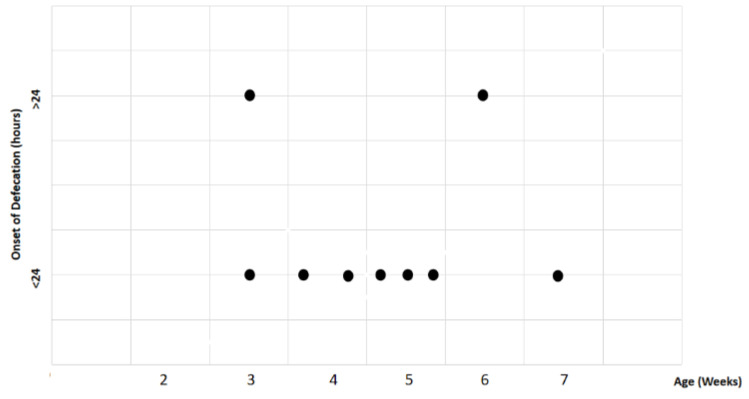 Figure 10
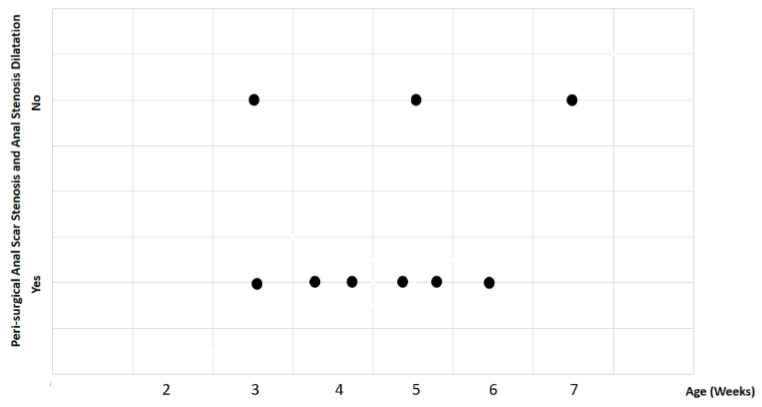 Figure 11
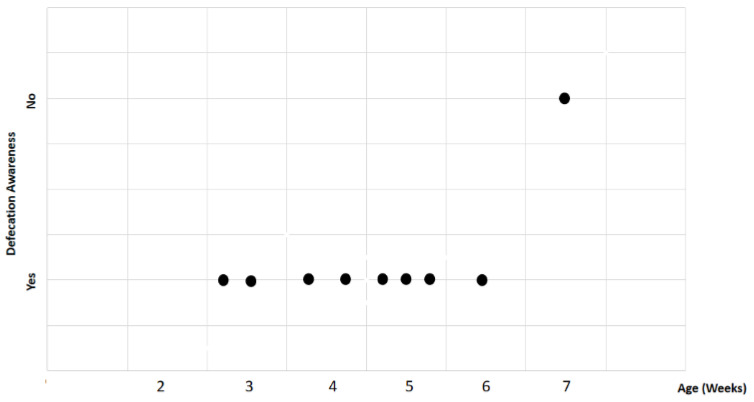 Figure 12
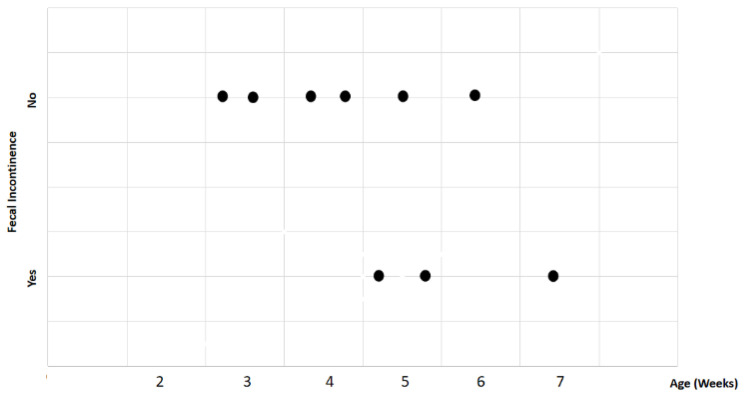 Figure 13
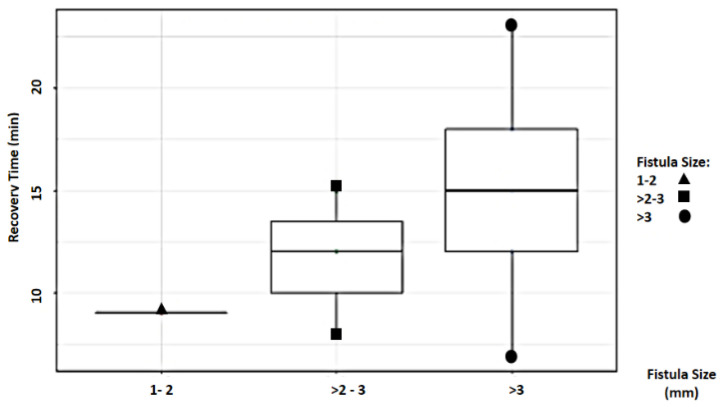 Figure 14
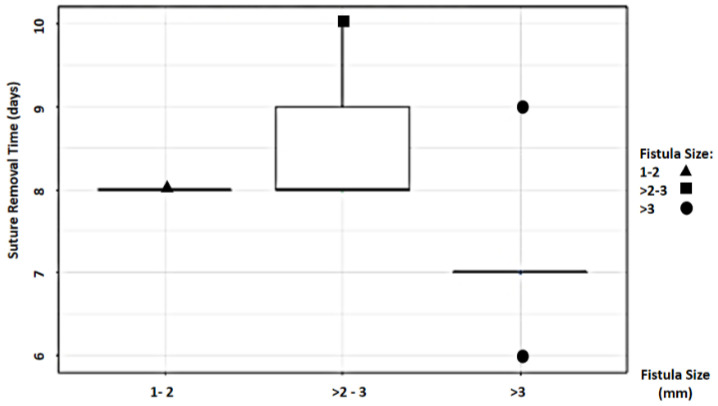 Figure 15
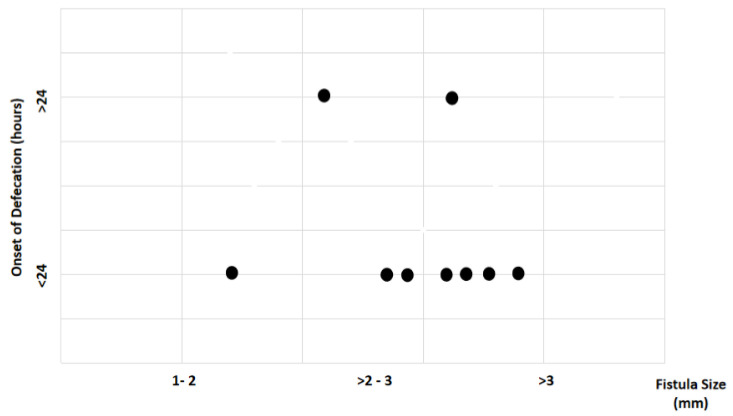 Figure 16
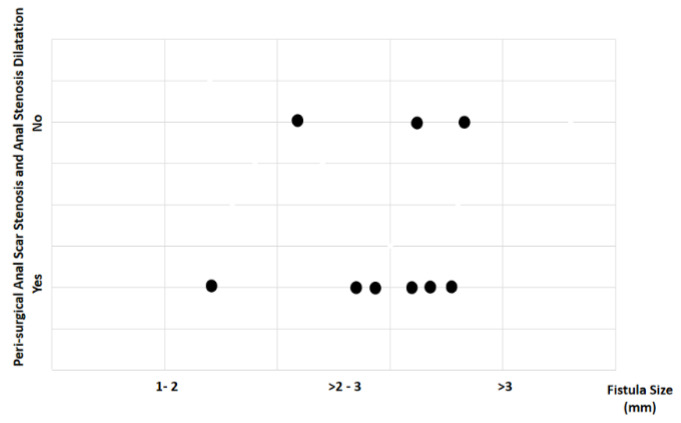 Figure 17
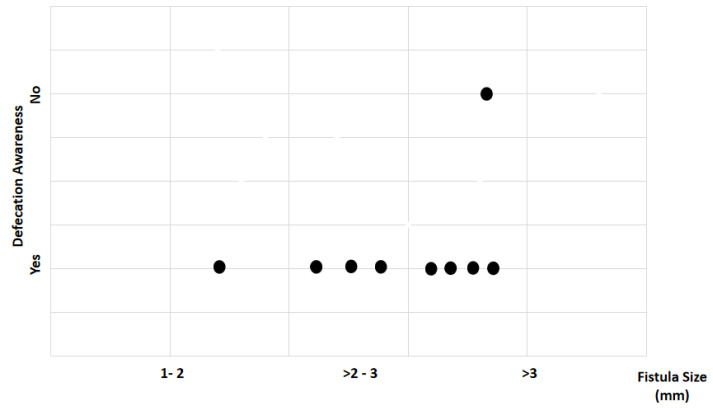 Figure 18
 Figure 19
 Figure 20
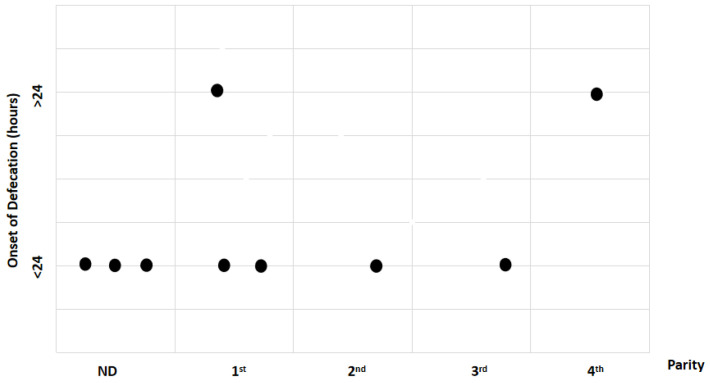 Figure 21
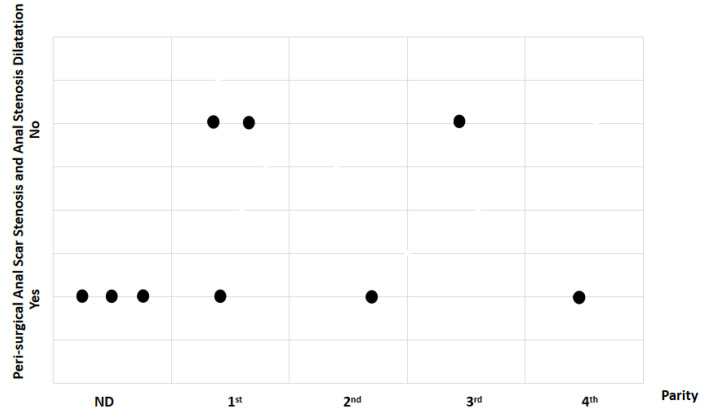 Figure 22
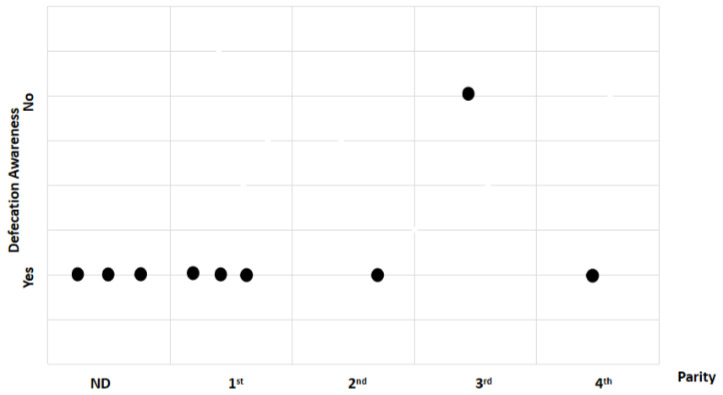 Figure 23
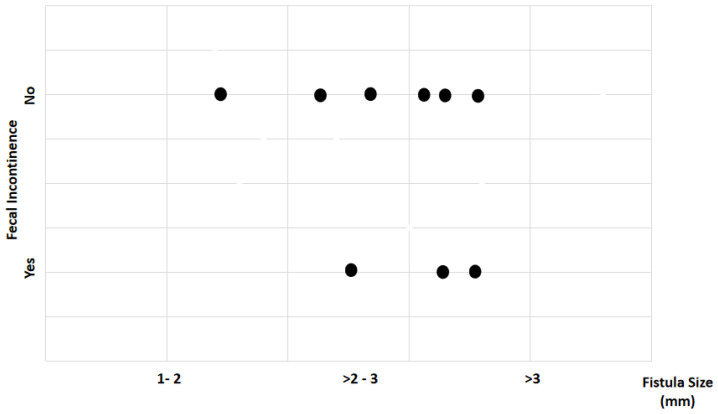 Figure 24
Peer Reviews
No public reviews on file for this paper yet. If you reviewed it on a platform where reviews are public (OpenReview, ICLR, NeurIPS, ICML), you can paste yours below so the community can read it here.
Videos
No videos yet. Explain this paper in a talk, walkthrough, or lecture? Add one.
Taxonomy
TopicsCongenital gastrointestinal and neural anomalies · Veterinary Medicine and Surgery · Intestinal Malrotation and Obstruction Disorders