A Cybertaxonomic Revision of the “Crocidura pergrisea” Species Complex with a Special Focus on Endemic Rocky Shrews: Crocidura armenica and Crocidura arispa (Soricidae)
Leonid L. Voyta, Tatyana V. Petrova, Valentina A. Panitsina, Semyon Yu. Bodrov, Viola Winkler, Lyudmila Yu. Kryuchkova, Natalia I. Abramson

TL;DR
This study clarifies the taxonomy of several shrew species in the Crocidura pergrisea complex using advanced imaging and DNA analysis.
Contribution
The study introduces a new CT-based taxonomic pipeline and confirms the species status of Crocidura armenica and Crocidura arispa.
Findings
Microcomputed tomography revealed unique craniomandibular features distinguishing Crocidura armenica and Crocidura arispa.
DNA analysis clarified relationships within the Crocidura pergrisea species complex.
The AProMaDesU pipeline was developed to standardize CT-based taxonomic datasets for mammalian collections.
Abstract
The genus Crocidura has ~200 species, which accounts for roughly half of the Soricidae family’s diversity. The “pergrisea” species group, which comprises at least four species—Crocidura arispa, Crocidura pergrisea, Crocidura ramona, and Crocidura serezkyensis—is especially interesting among Crocidura endemics of central and western Asian regions. The taxonomic value of a fifth species, Crocidura armenica, has been unclear for a long time owing to the poor condition of the skulls of both type specimens. Using a microcomputed-tomography-based cybertaxonomic (CTtax) approach and a newly developed pipeline, “AProMaDesU”, we re-evaluated the type material of the Armenian shrew and expanded the hypodigm of this species using three additional specimens. A morphospace analysis based on three-dimensional craniomandibular datasets revealed the uniqueness of C. armenica and C. arispa. The…
Genes, proteins, chemicals, diseases, species, mutations and cell lines named across the full text — each resolved to its canonical identifier and authoritative record.
Click any figure to enlarge with its caption.
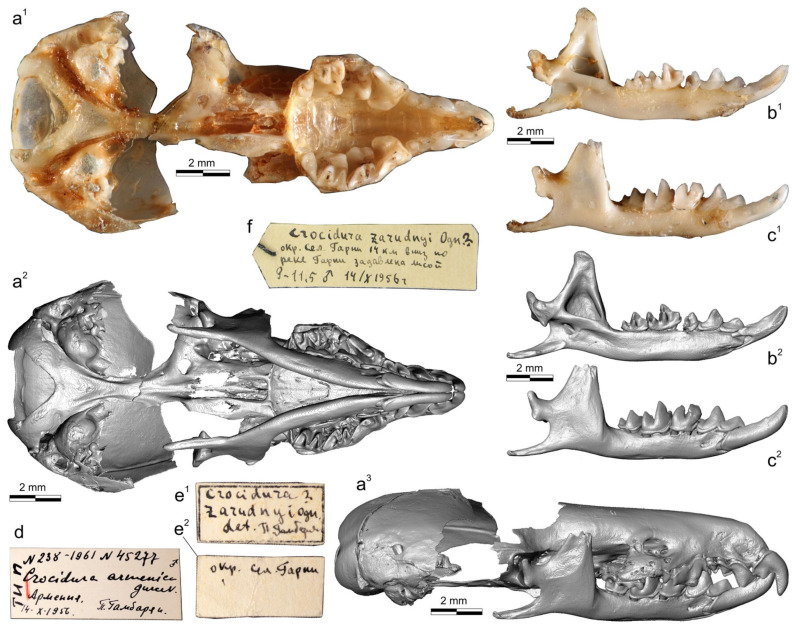 Figure 1
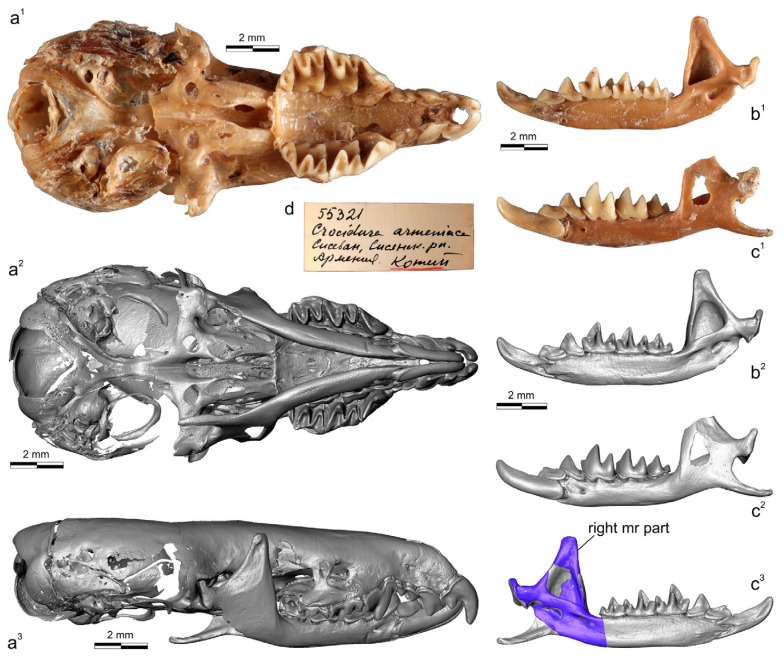 Figure 2
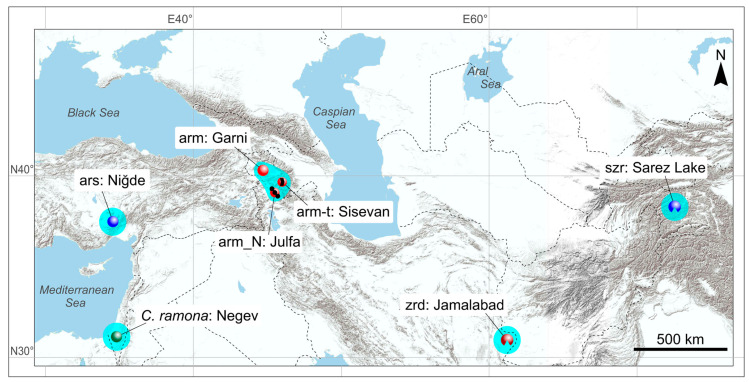 Figure 3
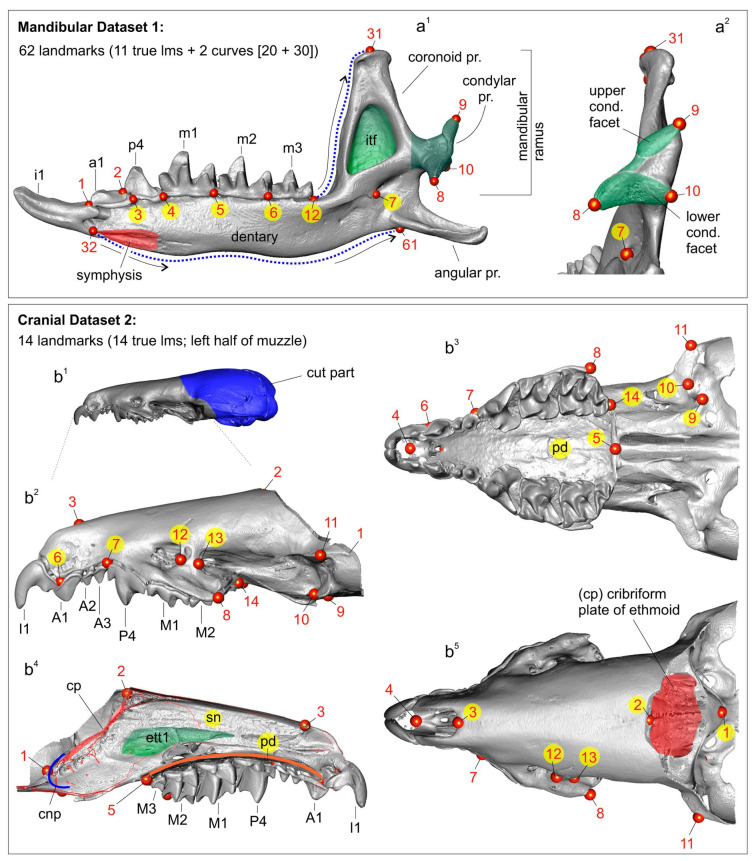 Figure 4
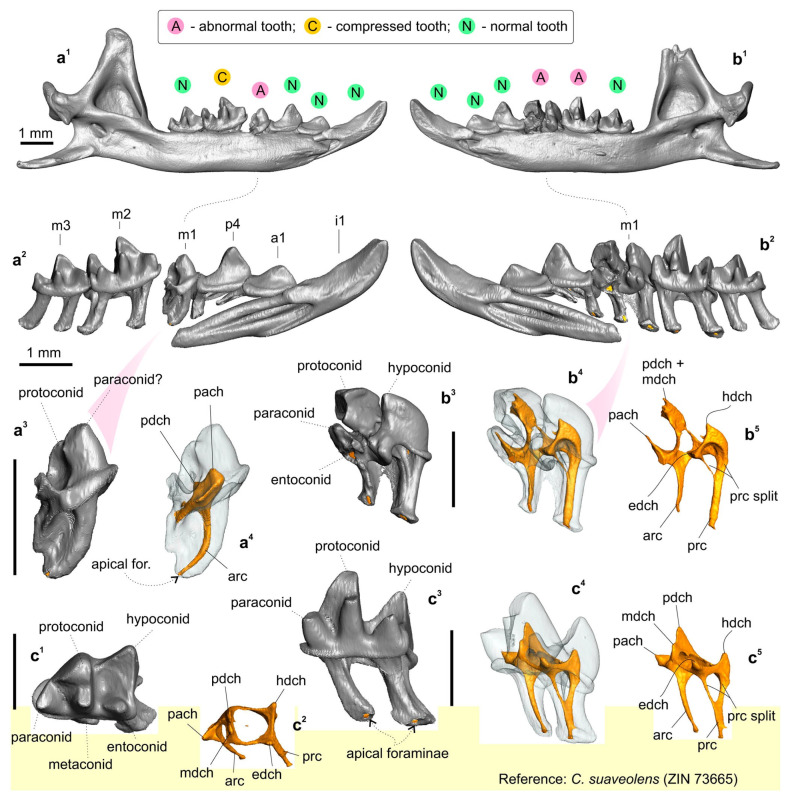 Figure 5
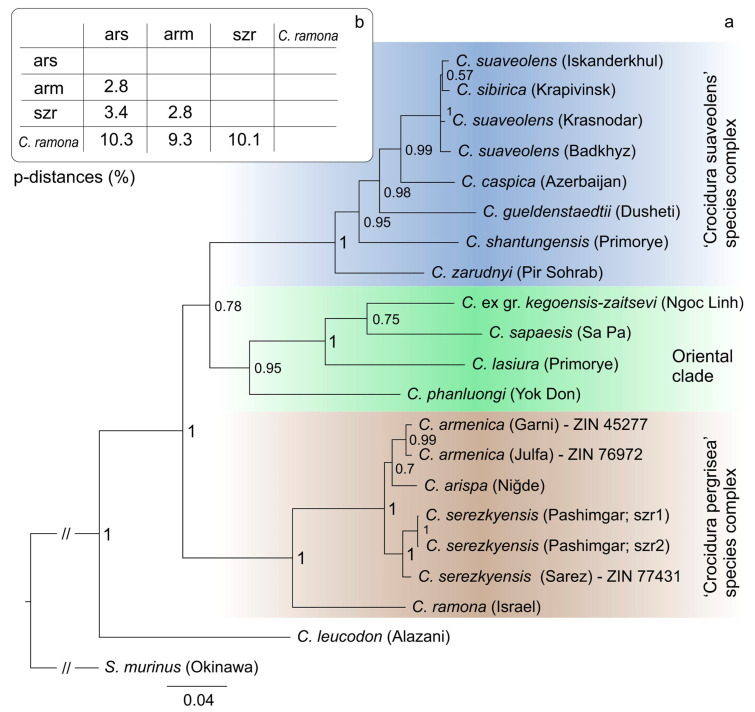 Figure 6
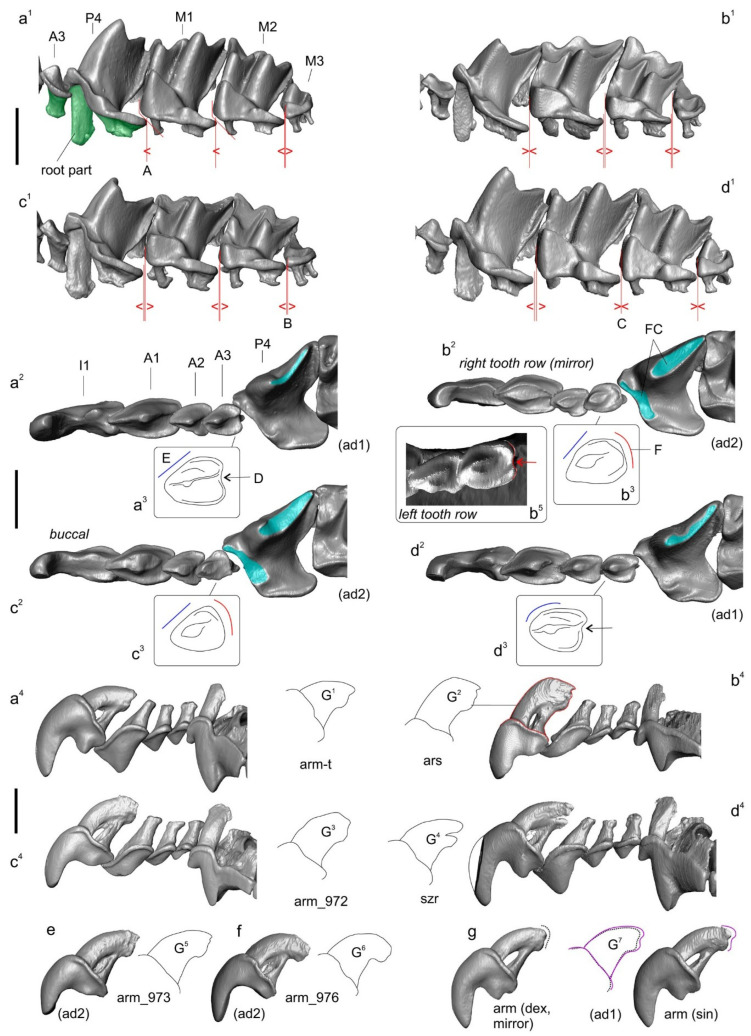 Figure 7
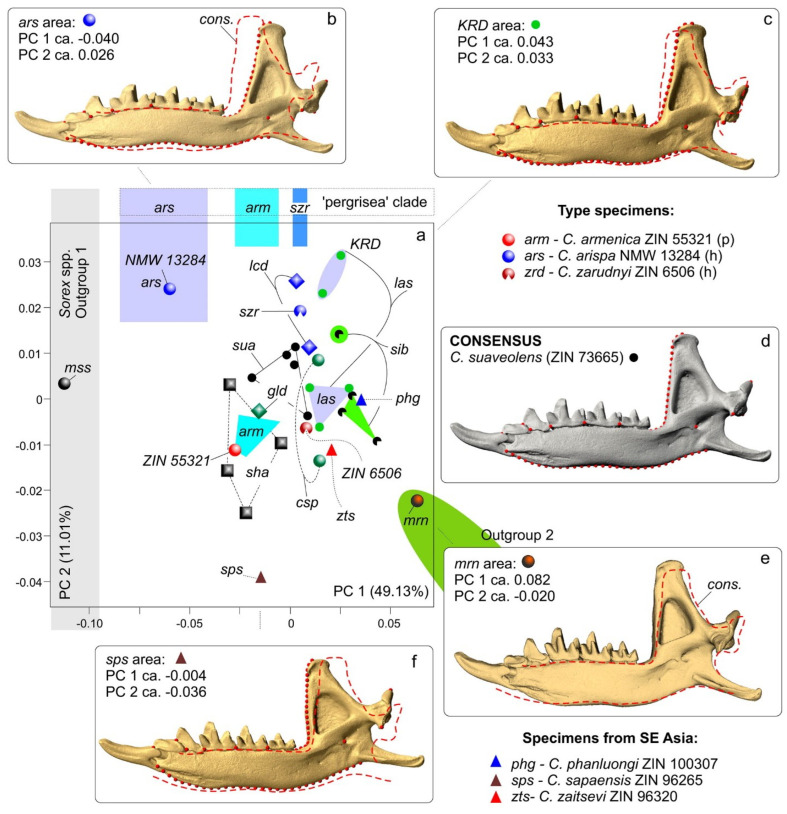 Figure 8
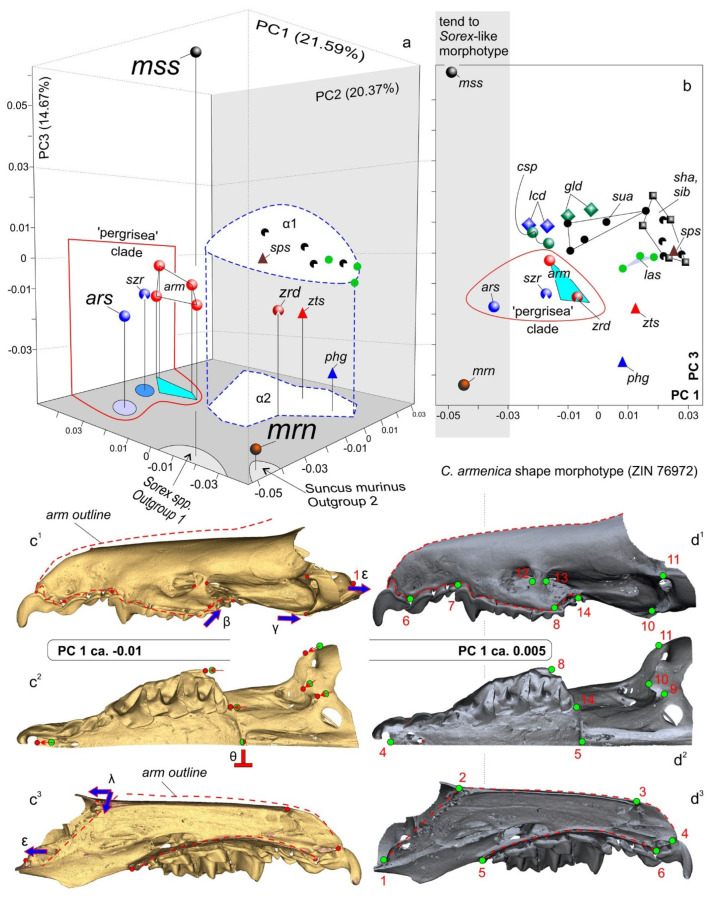 Figure 9
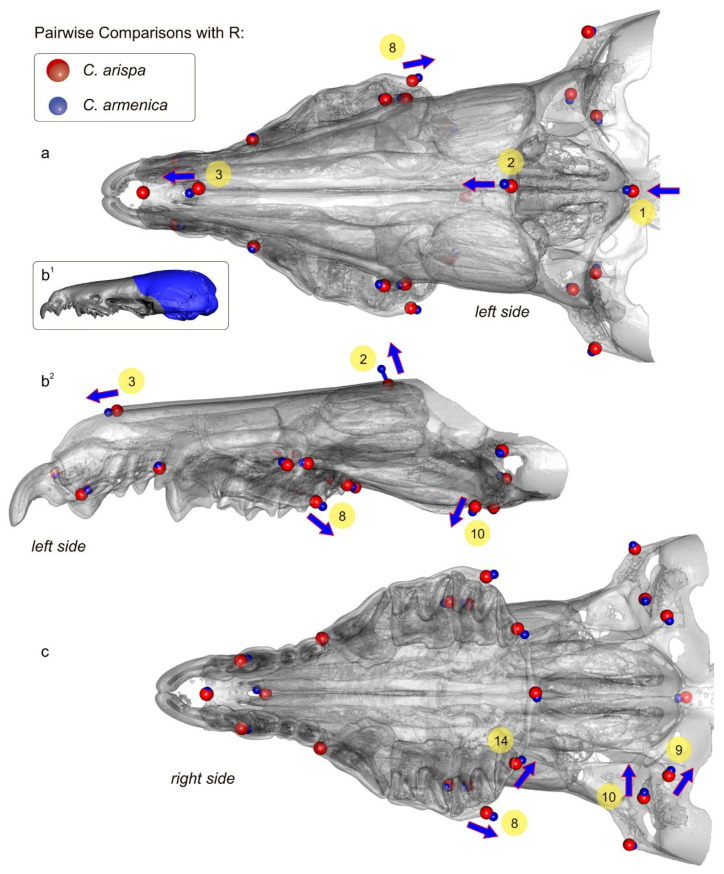 Figure 10
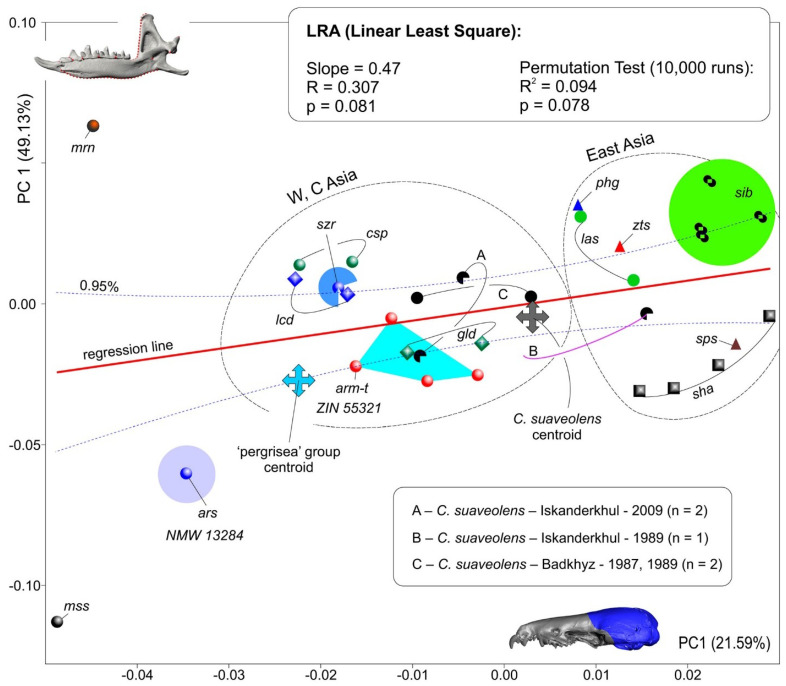 Figure 11
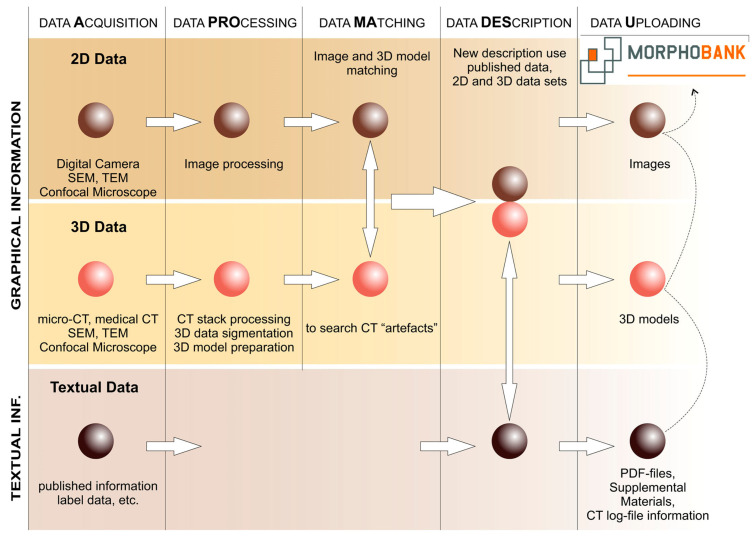 Figure 12
Peer Reviews
No public reviews on file for this paper yet. If you reviewed it on a platform where reviews are public (OpenReview, ICLR, NeurIPS, ICML), you can paste yours below so the community can read it here.
Videos
No videos yet. Explain this paper in a talk, walkthrough, or lecture? Add one.
Taxonomy
TopicsMorphological variations and asymmetry · Bat Biology and Ecology Studies · Genetic diversity and population structure