High Velocity Passive Stretching Mimics Eccentric Exercise in Cerebral Palsy and May Be Used to Increase Spastic Muscle Fascicle Length
Jessica F. Davis, Tahir Khan, Matt Thornton, Neil D. Reeves, Mara DeLuca, Amir A. Mohagheghi

TL;DR
High-velocity passive stretching in cerebral palsy may increase muscle fascicle length similarly to eccentric exercise, without causing muscle damage.
Contribution
High-velocity passive stretching is shown to mimic eccentric exercise effects in spastic muscles of CP patients.
Findings
High-velocity passive stretching induced positive fascicle strain in the vastus lateralis.
Muscle deactivation occurred during stretching in CP participants, similar to eccentric exercise.
No muscle micro-damage was observed in either CP or non-CP participants after stretching.
Abstract
Muscle fascicles are shorter and stiffer than normal in spastic Cerebral Palsy (CP). Increasing fascicle length (FL) has been attempted in CP, the outcomes of which have been unsatisfactory. In healthy muscles, FL can be increased using eccentric exercise at high velocities (ECC). Three conditions are possibly met during such ECC: muscle micro-damage, positive fascicle strain, and momentary muscle deactivation during lengthening. Participants with and without CP underwent a single bout of passive stretching at (appropriately) high velocities using isokinetic dynamometry, during which we examined muscle and fascicle behaviour. Vastus lateralis (VL) FL change was measured using ultrasonography and showed positive fascicle strain. Measures of muscle creatine kinase were used to establish whether micro-damage occurred in response to stretching, but the results did not confirm damage in…
Genes, proteins, chemicals, diseases, species, mutations and cell lines named across the full text — each resolved to its canonical identifier and authoritative record.
Click any figure to enlarge with its caption.
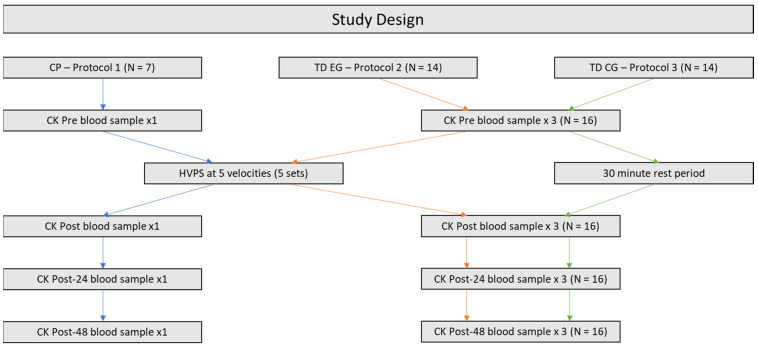 Figure 1
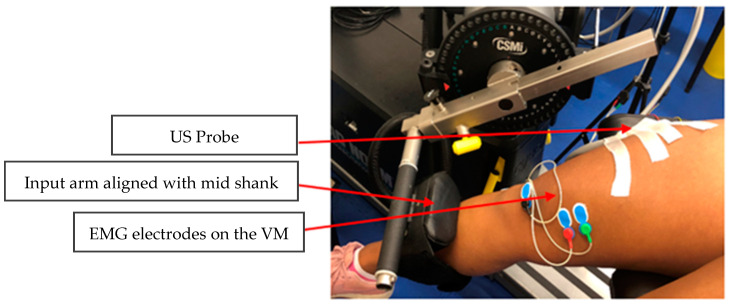 Figure 2
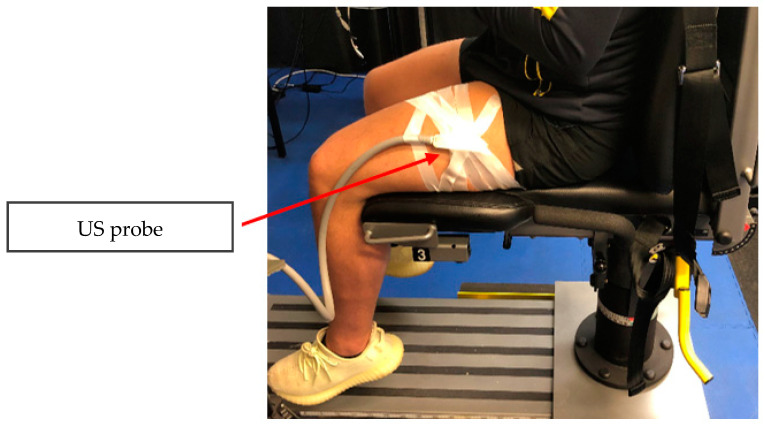 Figure 3
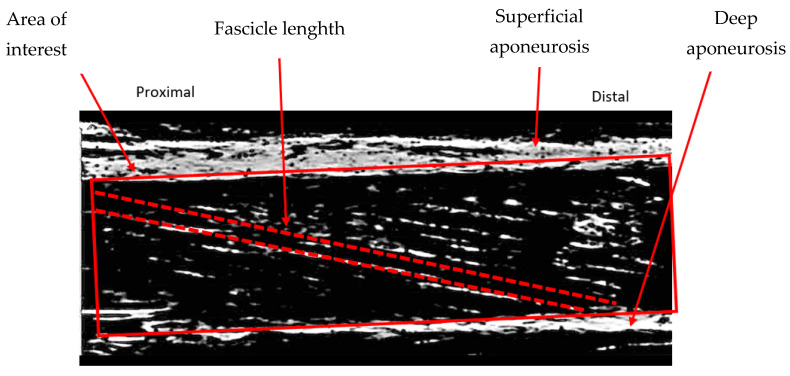 Figure 4
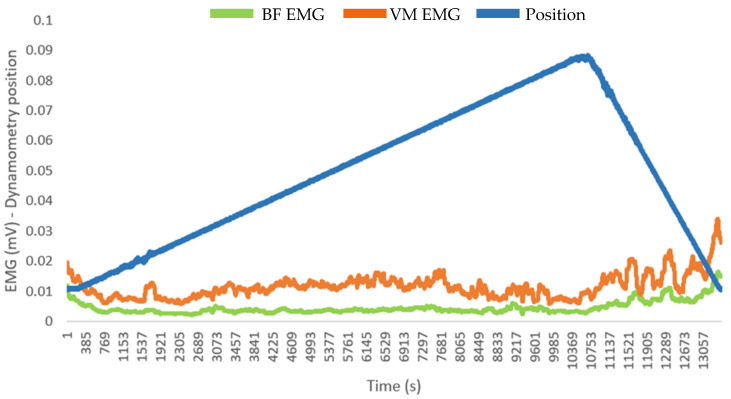 Figure 5
Peer Reviews
No public reviews on file for this paper yet. If you reviewed it on a platform where reviews are public (OpenReview, ICLR, NeurIPS, ICML), you can paste yours below so the community can read it here.
Videos
No videos yet. Explain this paper in a talk, walkthrough, or lecture? Add one.
Taxonomy
TopicsCerebral Palsy and Movement Disorders · Muscle activation and electromyography studies · Botulinum Toxin and Related Neurological Disorders