Continuous Detection of Stimulus Brightness Differences Using Visual Evoked Potentials in Healthy Volunteers with Closed Eyes
Stephan Kalb, Carl Böck, Matthias Bolz, Christine Schlömmer, Lucija Kudumija, Martin W. Dünser, Jens Meier

TL;DR
This study shows that machine learning can detect differences in brain responses to light brightness using EEG, even with closed eyes.
Contribution
A novel method using machine learning to distinguish visual evoked potentials for varying light brightness in awake individuals with closed eyes.
Findings
Machine learning models achieved high accuracy in distinguishing between no light and light stimulation EEG responses.
The models also effectively differentiated between light stimulations of different brightness levels.
Performance was consistent across genders and participant-specific training scenarios.
Abstract
Background/Objectives: We defined the value of a machine learning algorithm to distinguish between the EEG response to no light or any light stimulations, and between light stimulations with different brightnesses in awake volunteers with closed eyelids. This new method utilizing EEG analysis is visionary in the understanding of visual signal processing and will facilitate the deepening of our knowledge concerning anesthetic research. Methods: X-gradient boosting models were used to classify the cortical response to visual stimulation (no light vs. light stimulations and two lights with different brightnesses). For each of the two classifications, three scenarios were tested: training and prediction in all participants (all), training and prediction in one participant (individual), and training across all but one participant with prediction performed in the participant left out (one…
Genes, proteins, chemicals, diseases, species, mutations and cell lines named across the full text — each resolved to its canonical identifier and authoritative record.
Click any figure to enlarge with its caption.
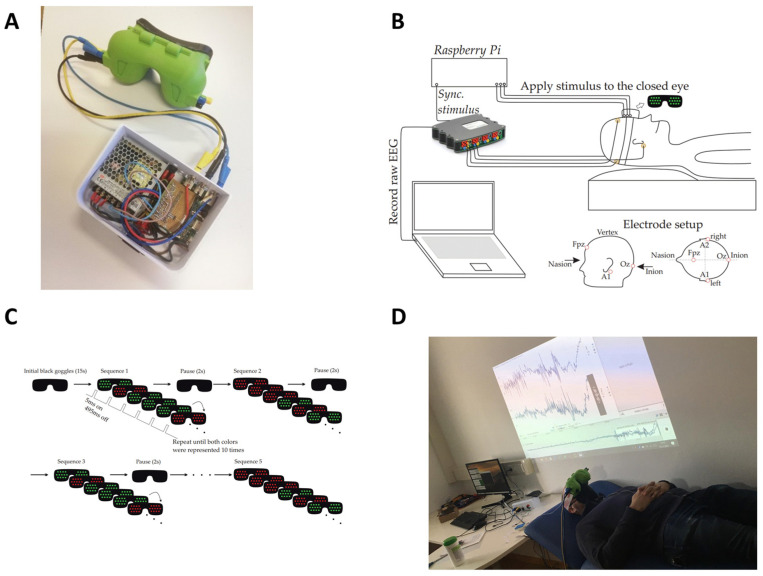 Figure 1
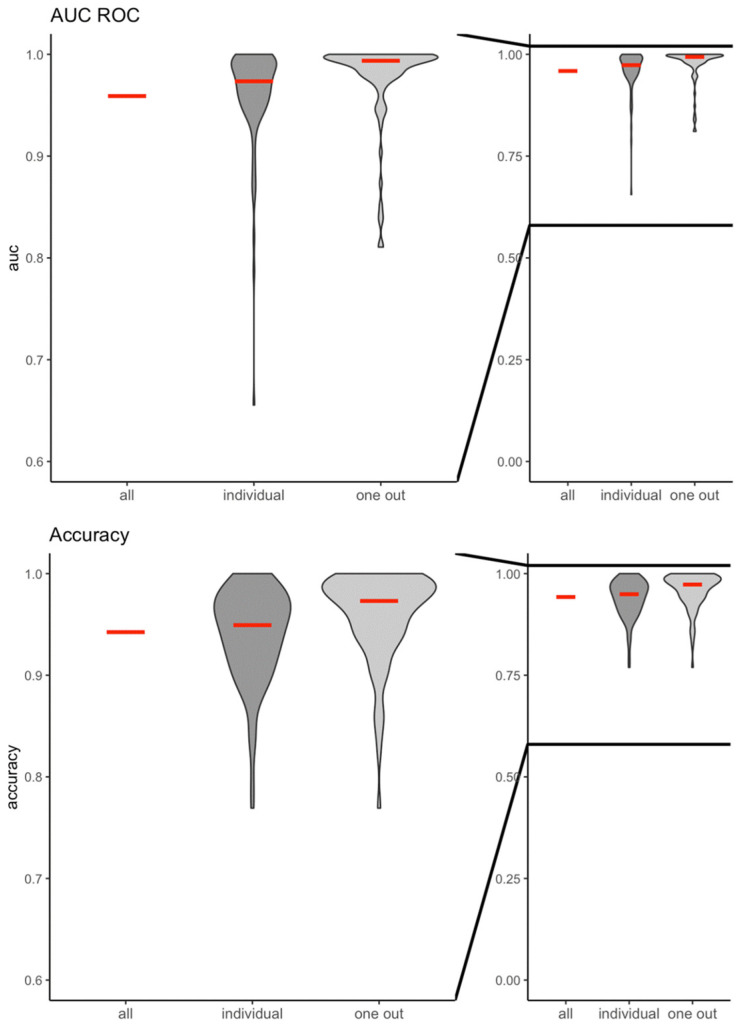 Figure 2
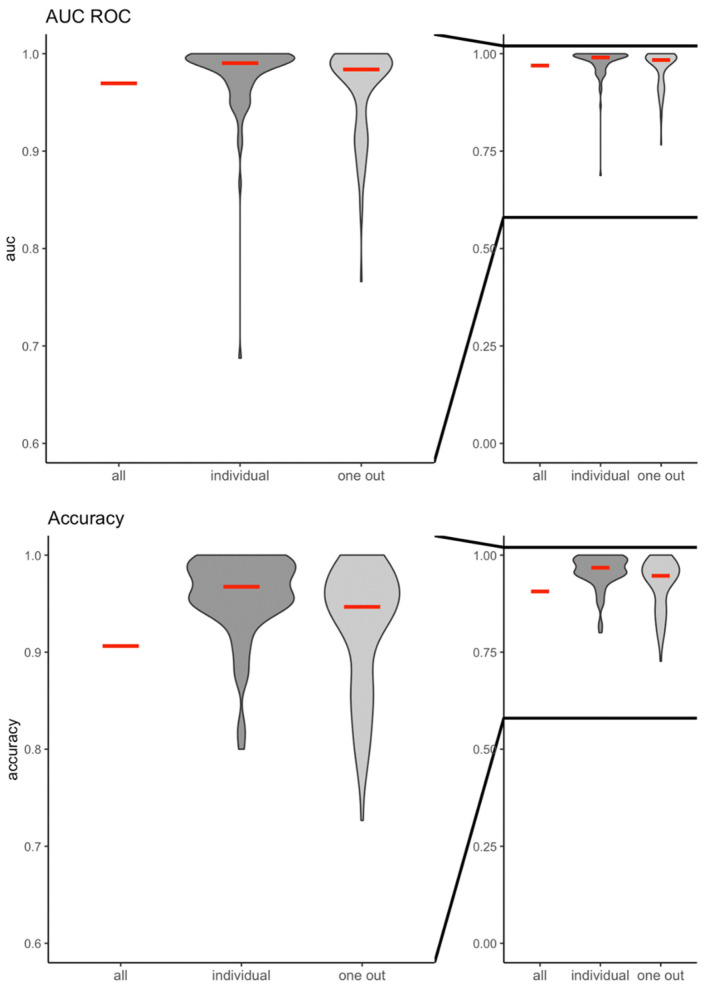 Figure 3
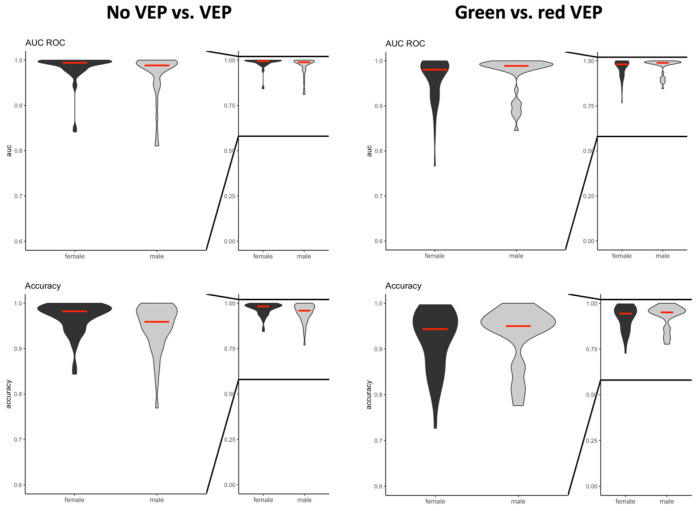 Figure 4
Peer Reviews
No public reviews on file for this paper yet. If you reviewed it on a platform where reviews are public (OpenReview, ICLR, NeurIPS, ICML), you can paste yours below so the community can read it here.
Videos
No videos yet. Explain this paper in a talk, walkthrough, or lecture? Add one.
Taxonomy
TopicsOptical Imaging and Spectroscopy Techniques · Neural dynamics and brain function · Photoreceptor and optogenetics research