A case of successful management for spontaneous rupture of paraganglioma treated with preoperative transcatheter arterial embolization
Masataka Nakagawa, Naoki Tanimine, Hiroshi Sakai, Ryosuke Nakano, Shintaro Kuroda, Masahiro Ohira, Hiroyuki Tahara, Kentaro Ide, Tsuyoshi Kobayashi, Kouji Arihiro, Hideki Ohdan

TL;DR
A patient with a ruptured paraganglioma was successfully treated with preoperative embolization, controlling bleeding and blood pressure during surgery.
Contribution
This case demonstrates the efficacy of preoperative TAE in managing ruptured paragangliomas.
Findings
Urgent TAE successfully controlled intratumoral hemorrhage in a patient with ruptured PGL.
Post-TAE, catecholamine levels normalized and retroperitoneal hematoma resolved.
Elective surgery was performed safely with minimal bleeding and stable blood pressure.
Abstract
Tumors arising from catecholamine-producing chromophil cells in paraganglia are termed paragangliomas (PGLs), which biologically resemble pheochromocytomas (PCCs) that arise from the adrenal glands. Spontaneous rupture of a PGL is rare and can be fatal. Although elective surgery for ruptured PCCs after transcatheter arterial embolization (TAE) has been shown to provide good outcomes, the efficacy of TAE pretreatment for ruptured PGL remains unknown. A 65-year-old female with hypertension and tachycardia was diagnosed with a 3-cm PGL located behind the inferior vena cava. The patient was scheduled to undergo an elective surgery with antihypertensive therapy. However, she presented with a chief complaint of abdominal pain and was diagnosed with intratumoral hemorrhage. Urgent TAE was performed that successfully achieved hemorrhage control. After TAE, serum levels of both epinephrine and…
Genes, proteins, chemicals, diseases, species, mutations and cell lines named across the full text — each resolved to its canonical identifier and authoritative record.
Click any figure to enlarge with its caption.
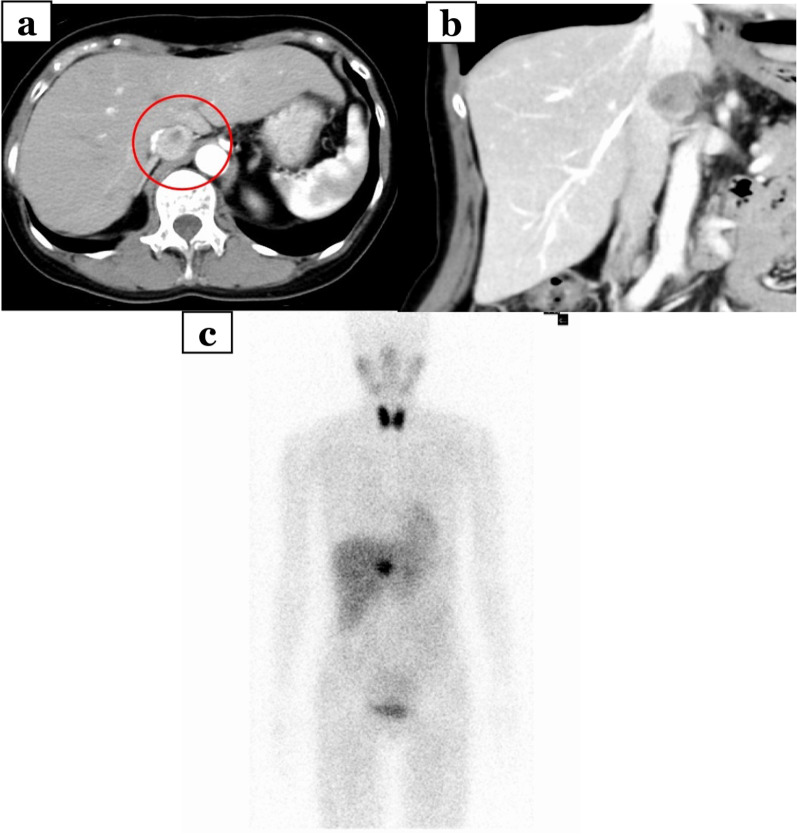 Figure 1
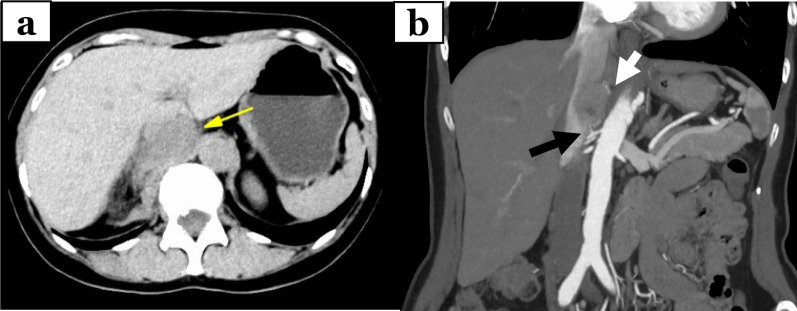 Figure 2
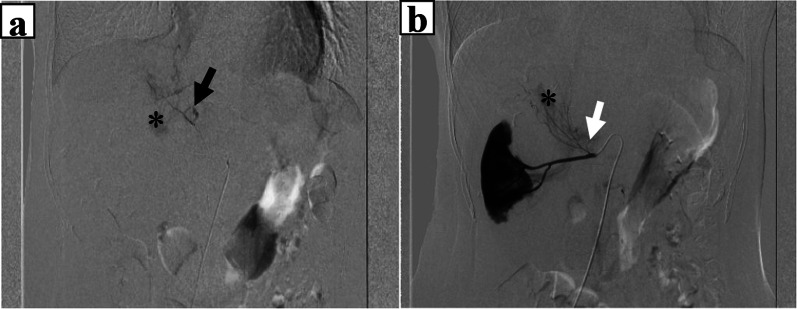 Figure 3
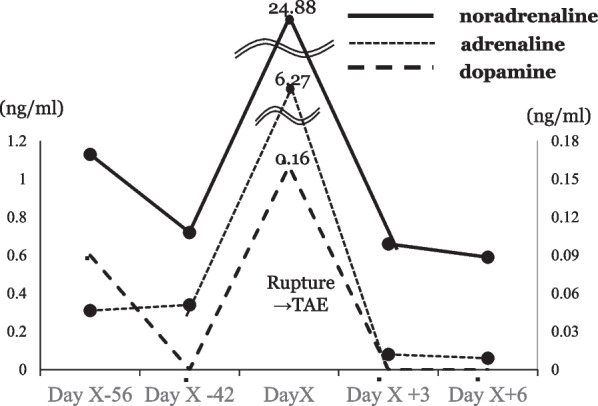 Figure 4
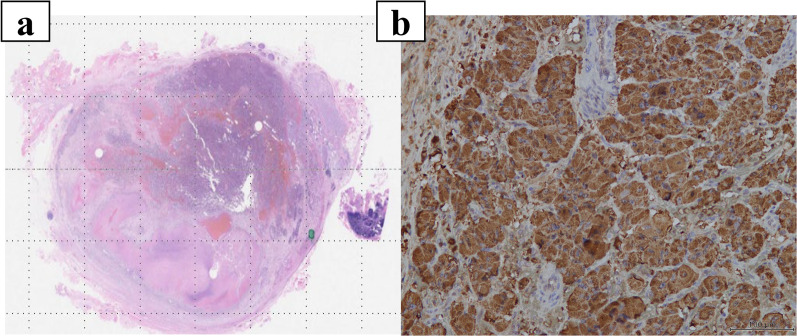 Figure 5
Peer Reviews
No public reviews on file for this paper yet. If you reviewed it on a platform where reviews are public (OpenReview, ICLR, NeurIPS, ICML), you can paste yours below so the community can read it here.
Videos
No videos yet. Explain this paper in a talk, walkthrough, or lecture? Add one.
Taxonomy
TopicsAdrenal and Paraganglionic Tumors · Pituitary Gland Disorders and Treatments · Hormonal Regulation and Hypertension