On the efficacy of facial masks to suppress the spreading of pathogen-carrying saliva particles during human respiratory events: Insights gained via high-fidelity numerical modeling
Hossein Seyedzadeh, Jonathan Craig, Ali Khosronejad

TL;DR
This study uses advanced simulations to show that facial masks can significantly reduce the spread of saliva particles during breathing and coughing, helping prevent respiratory disease transmission.
Contribution
The novelty lies in using high-fidelity numerical modeling to demonstrate how facial masks suppress the transport of pathogen-carrying saliva particles during respiratory events.
Findings
Facial masks significantly suppress the spreading of saliva particles during respiratory events.
Lagrangian particle tracking simulations reveal detailed transport pathways of particles during breathing cycles.
The research highlights the importance of respiratory fluid dynamics in understanding disease transmission routes.
Abstract
Respiratory fluid dynamics is integral to comprehending the transmission of infectious diseases and the effectiveness of interventions such as face masks and social distancing. In this research, we present our recent studies that investigate respiratory particle transport via high-fidelity large eddy simulation coupled with the Lagrangian particle tracking method. Based on our numerical simulation results for human respiratory events with and without face masks, we demonstrate that facial masks could significantly suppress particle spreading. The studied respiratory events include coughing and normal breathing through mouth and nose. Using the Lagrangian particle tracking simulation results, we elucidated the transport pathways of saliva particles during inhalation and exhalation of breathing cycles, contributing to our understanding of respiratory physiology and potential disease…
Genes, proteins, chemicals, diseases, species, mutations and cell lines named across the full text — each resolved to its canonical identifier and authoritative record.
Click any figure to enlarge with its caption.
 Figure 1
 Figure 2
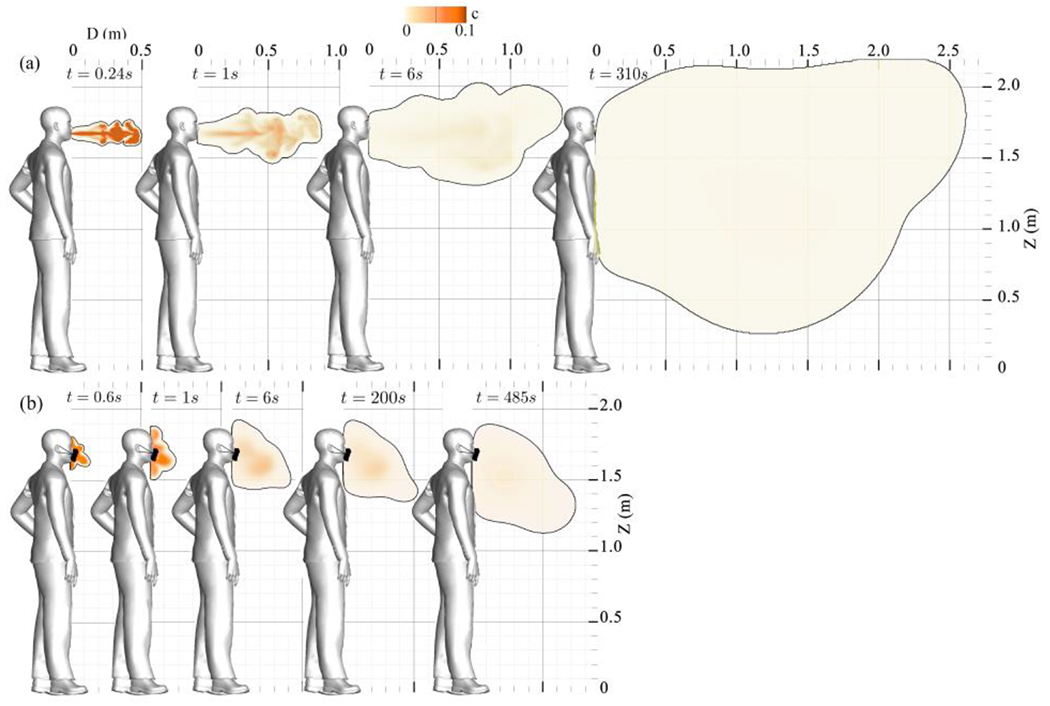 Figure 3
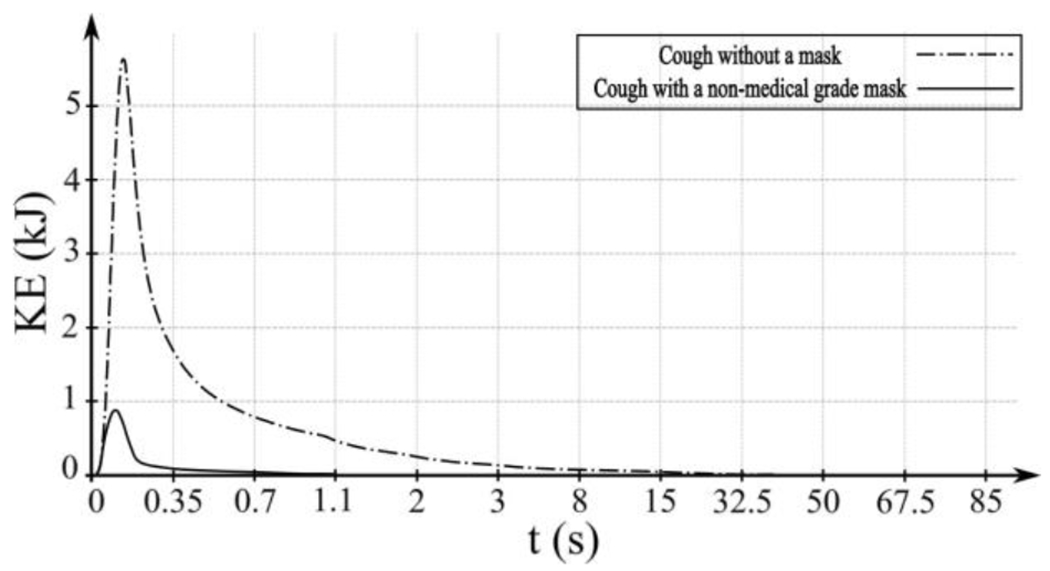 Figure 4
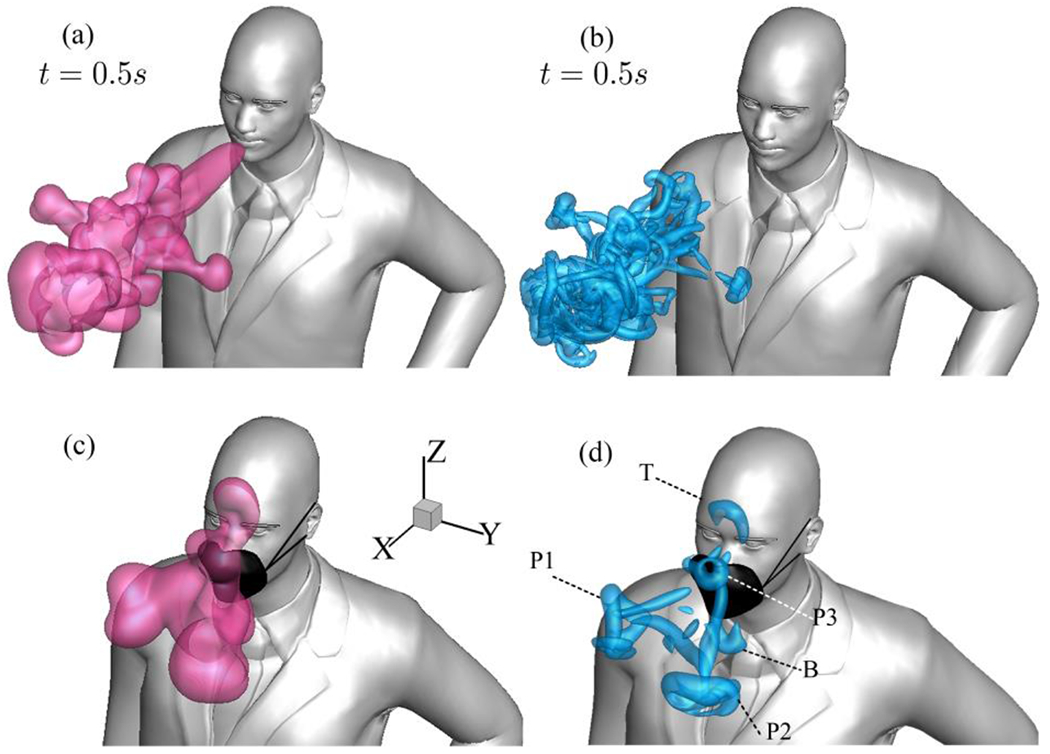 Figure 5
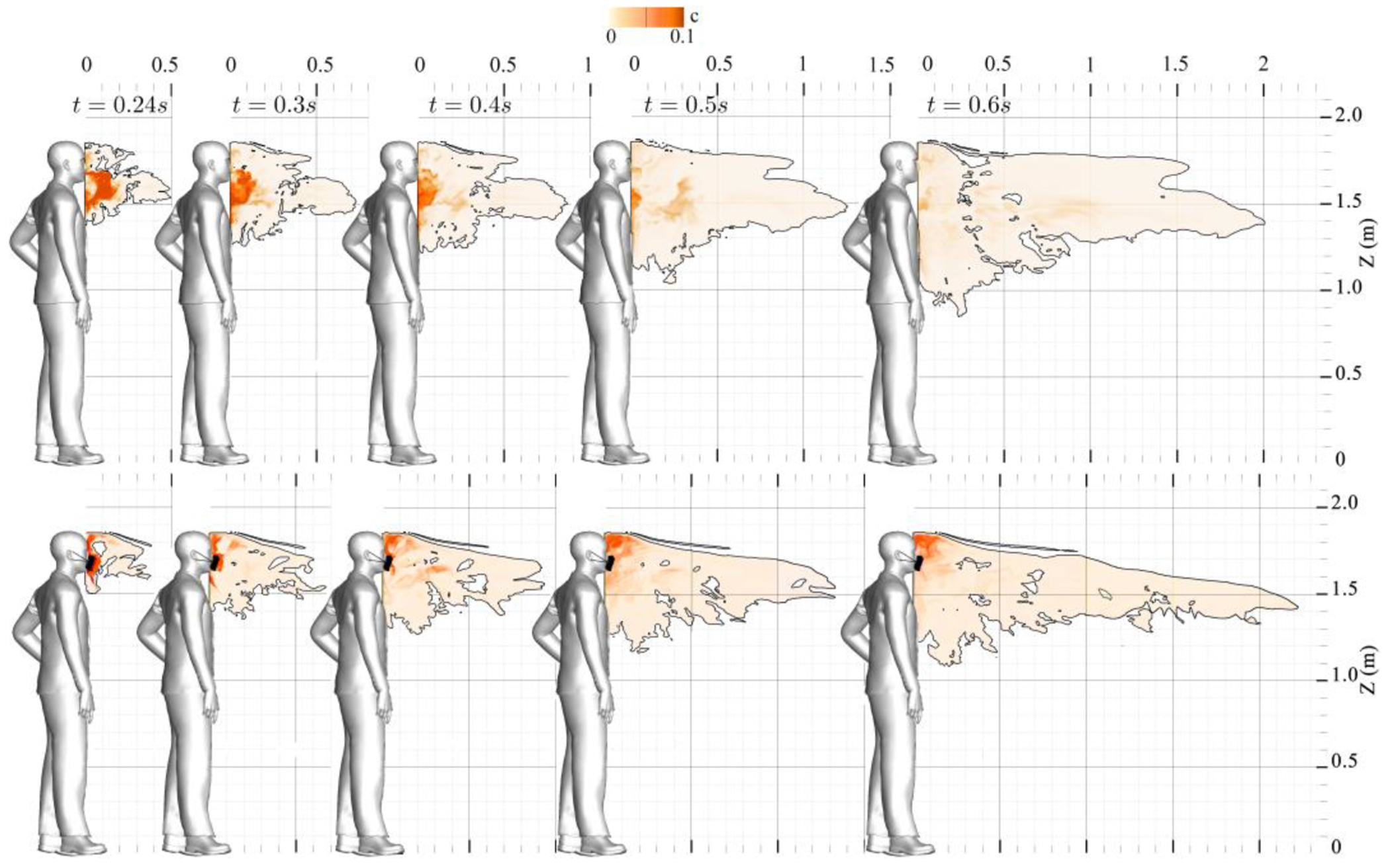 Figure 6
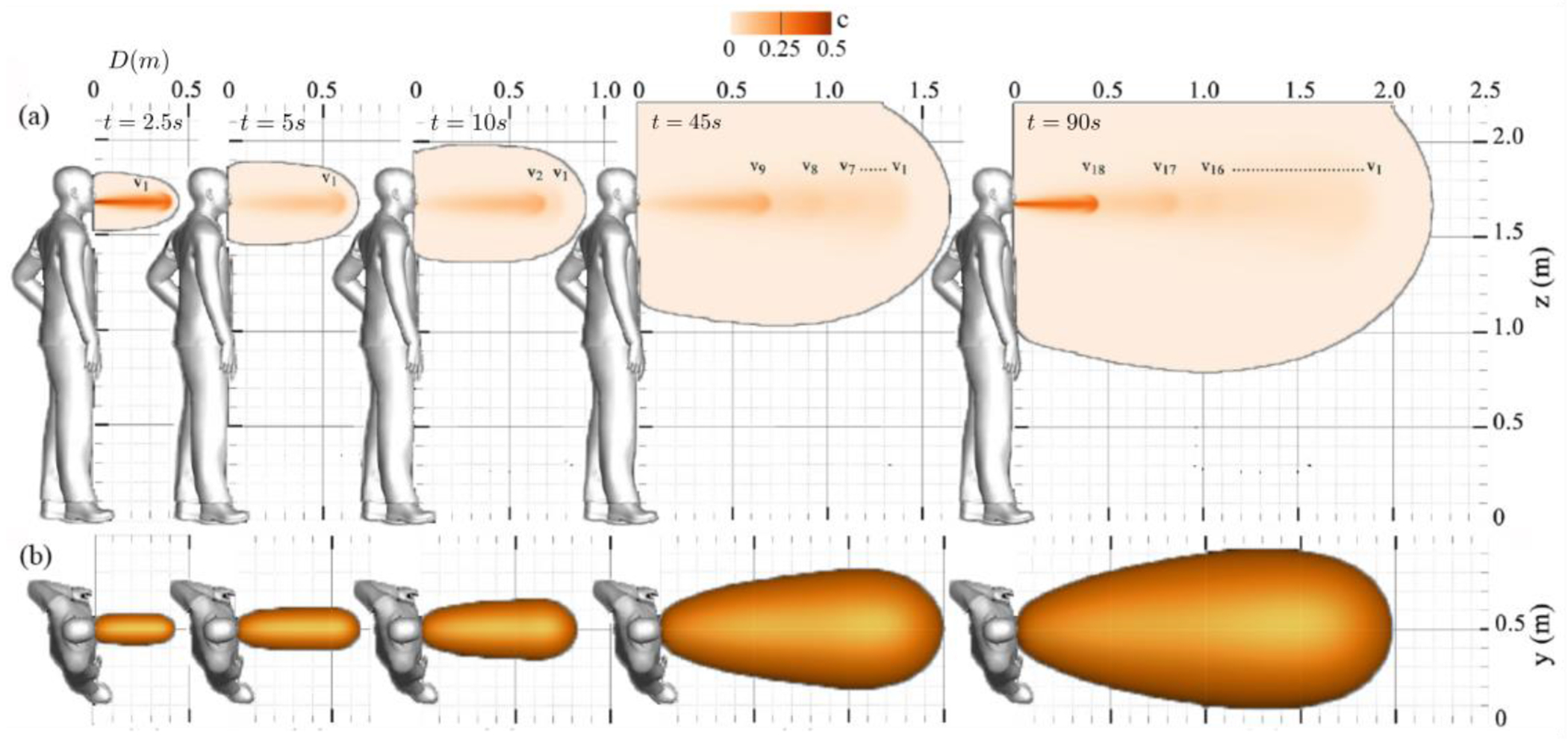 Figure 7
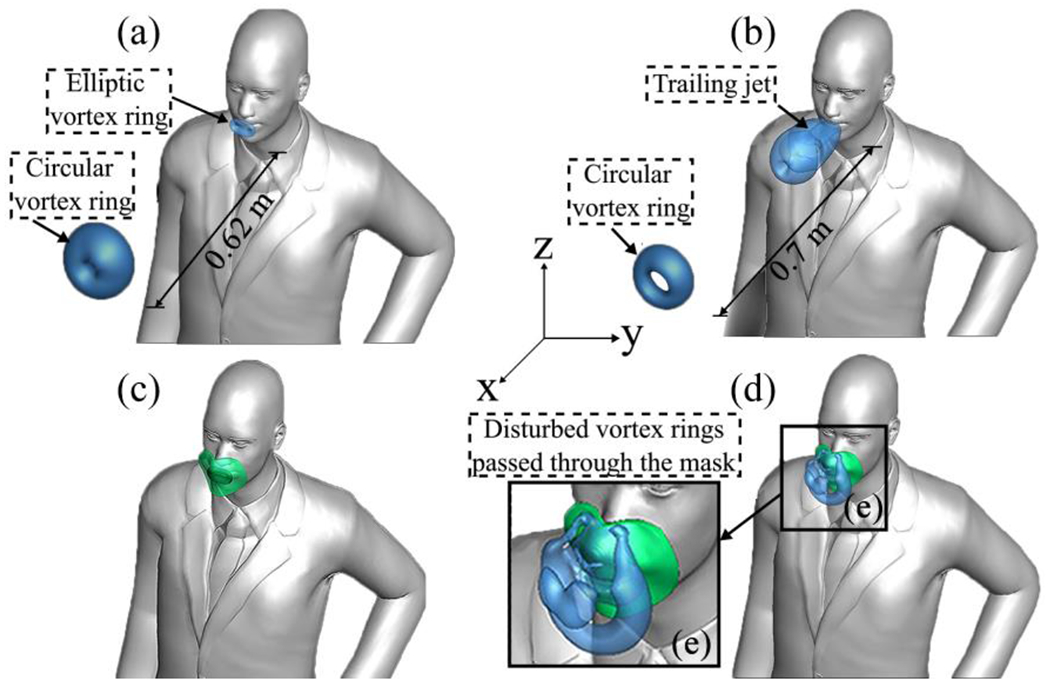 Figure 8
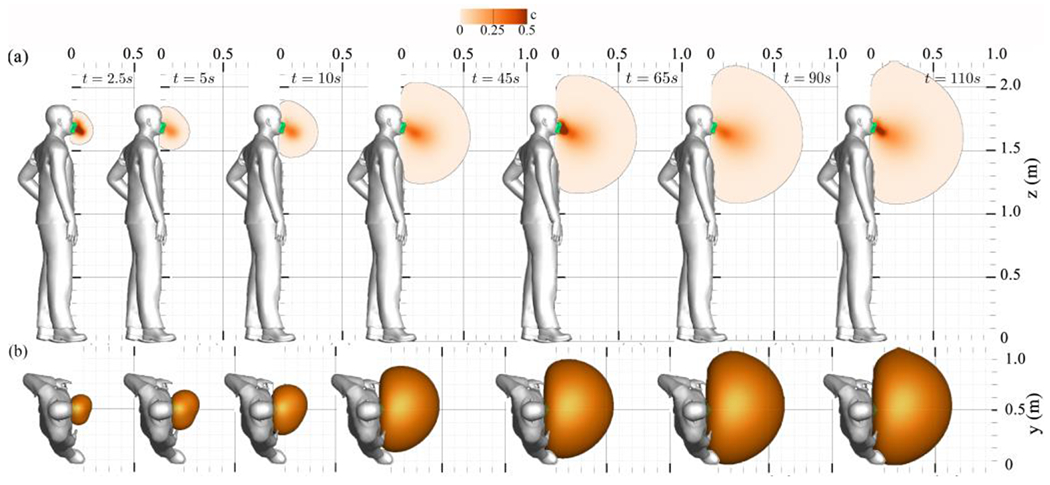 Figure 9
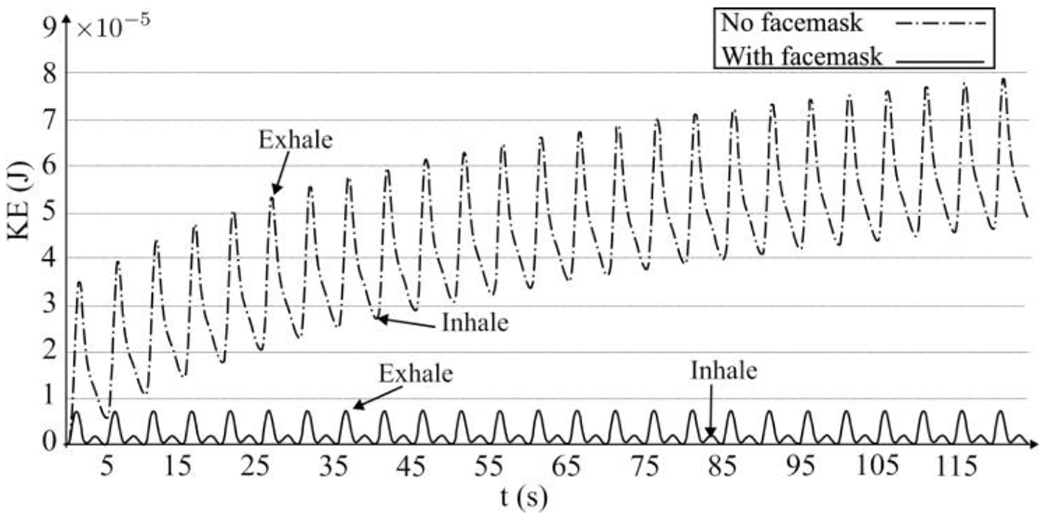 Figure 10
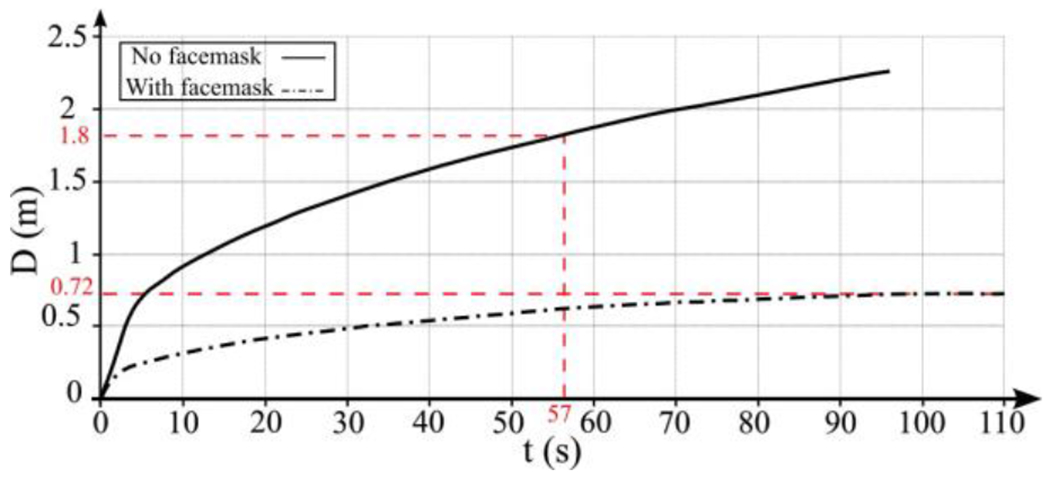 Figure 11
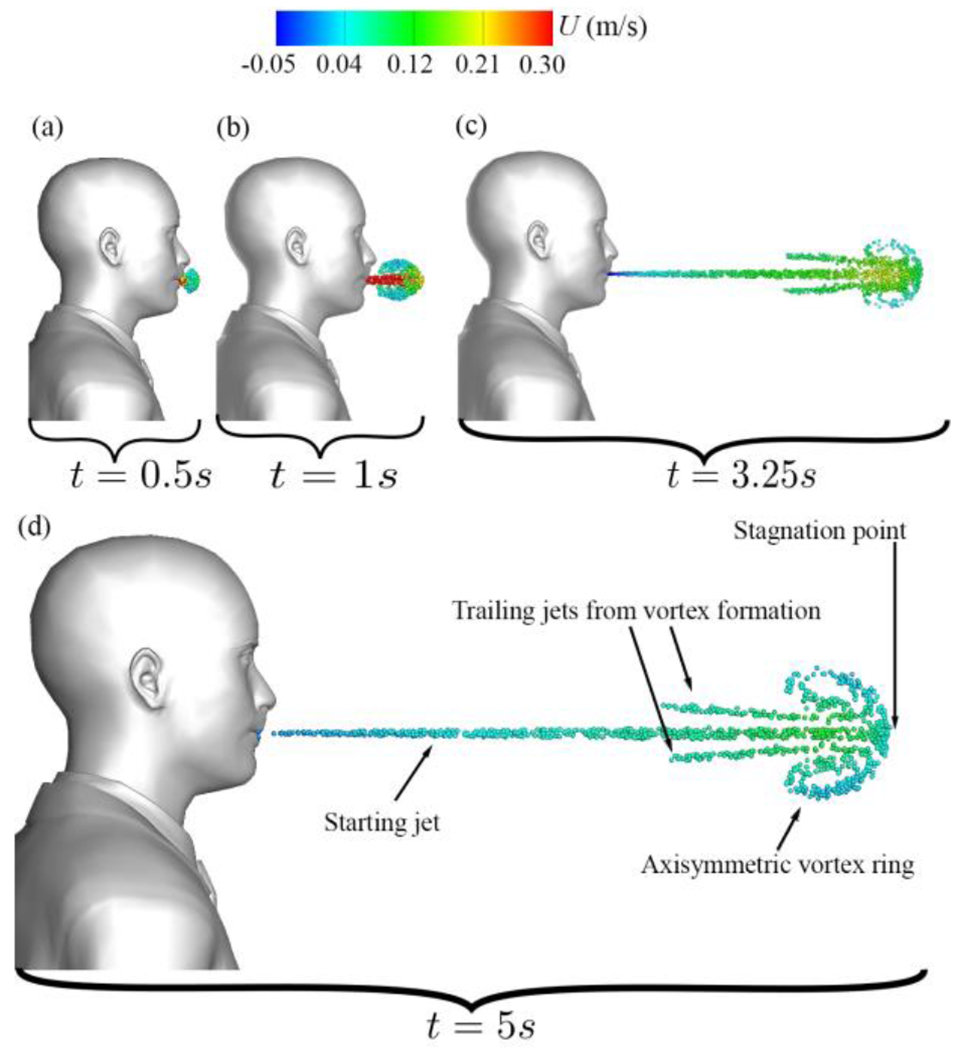 Figure 12
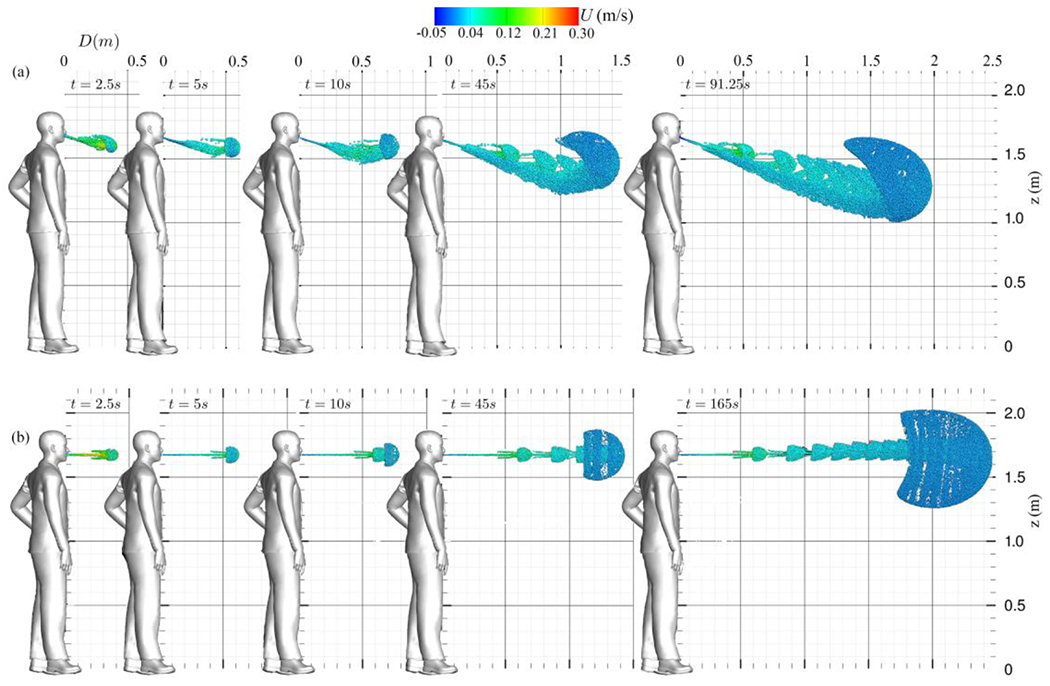 Figure 13
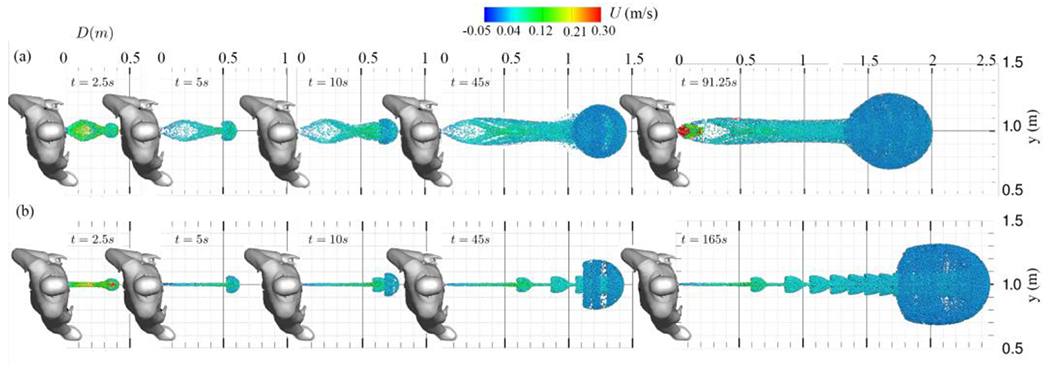 Figure 14
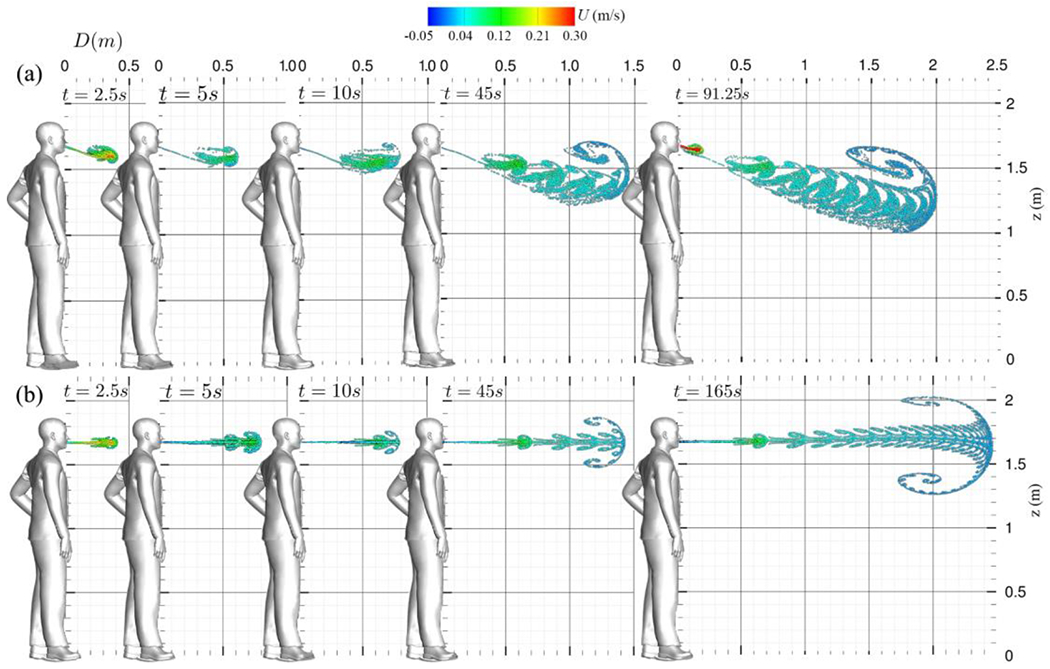 Figure 15
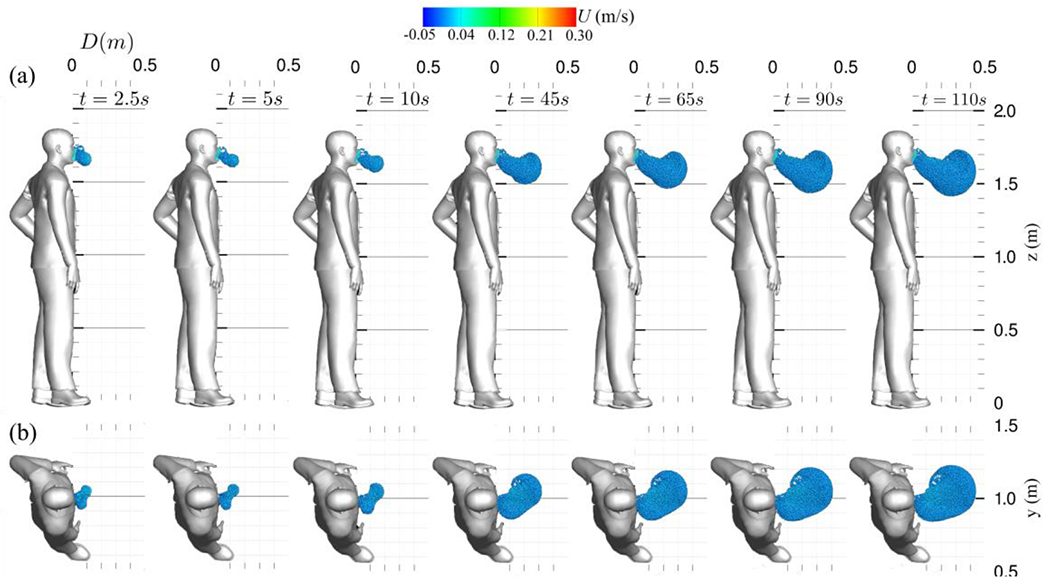 Figure 16
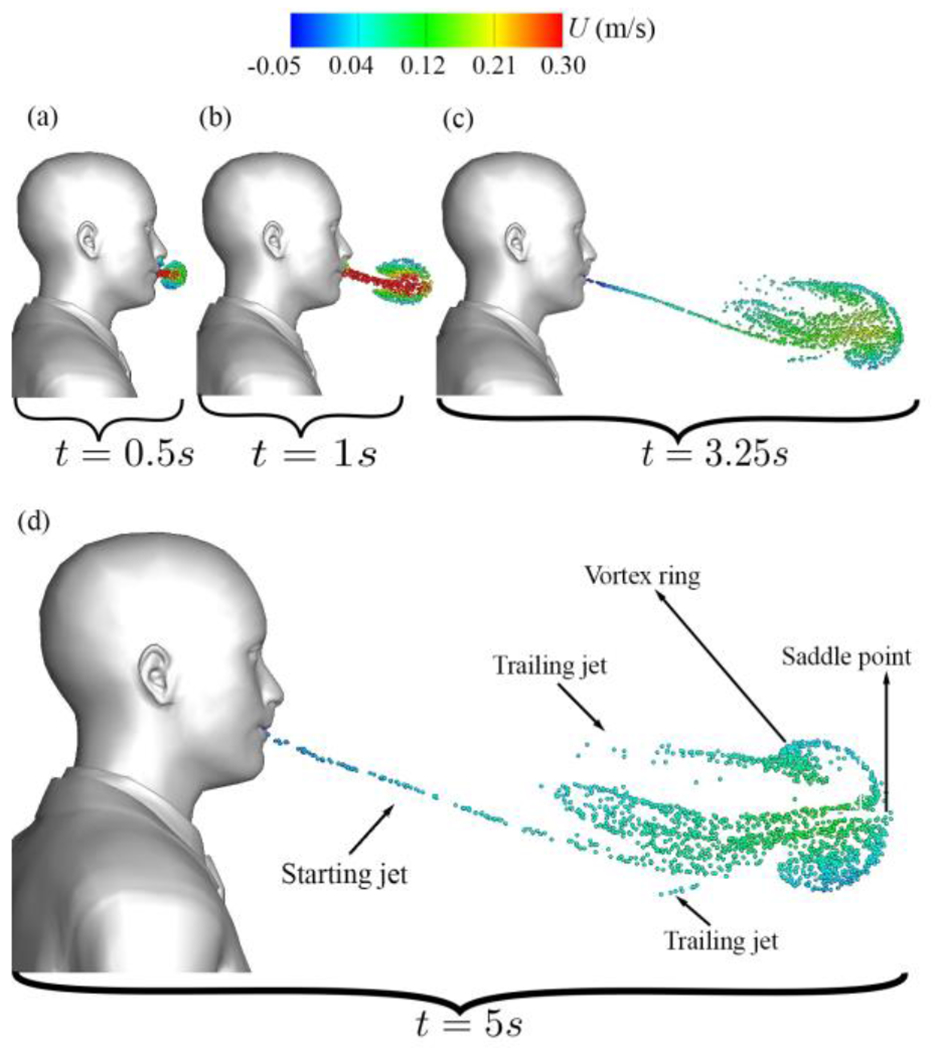 Figure 17
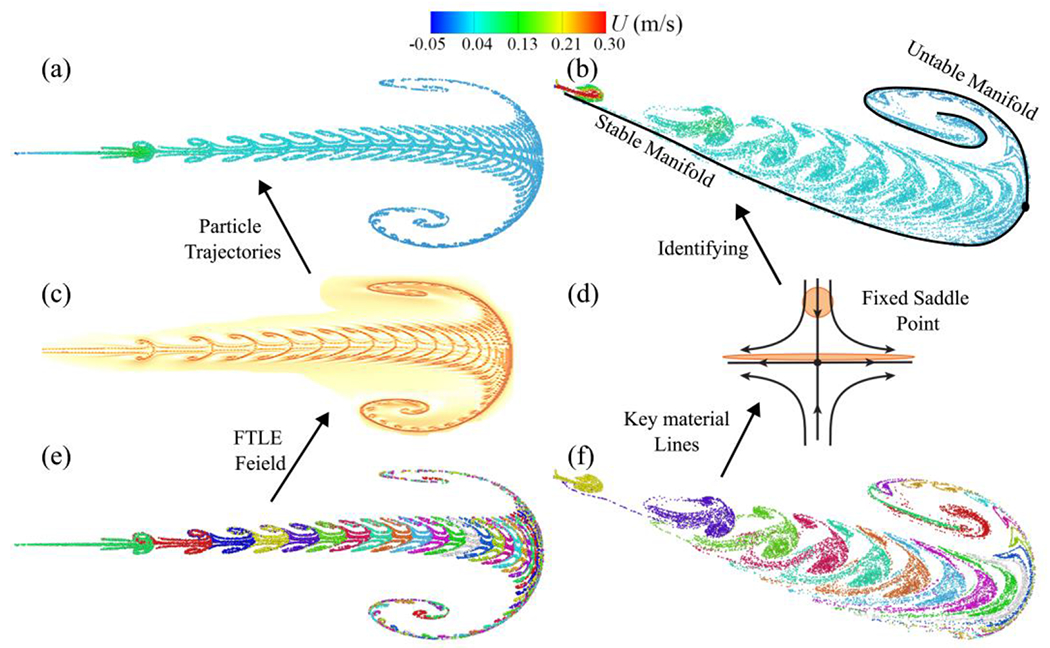 Figure 18
Peer Reviews
No public reviews on file for this paper yet. If you reviewed it on a platform where reviews are public (OpenReview, ICLR, NeurIPS, ICML), you can paste yours below so the community can read it here.
Videos
No videos yet. Explain this paper in a talk, walkthrough, or lecture? Add one.
Taxonomy
TopicsInfection Control and Ventilation · COVID-19 epidemiological studies · Viral Infections and Outbreaks Research