Automatic mapping of high-risk urban areas for Aedes aegypti infestation based on building facade image analysis
Camila Laranjeira, Matheus Pereira, Raul Oliveira, Gerson Barbosa, Camila Fernandes, Patricia Bermudi, Ester Resende, Eduardo Fernandes, Keiller Nogueira, Valmir Andrade, José Alberto Quintanilha, Jefersson A. dos Santos, Francisco Chiaravalloti-Neto, Roberto Barrera

TL;DR
This paper introduces PCINet, a deep learning model that predicts high-risk areas for Aedes aegypti mosquitoes using building facade images, reducing the need for in-person inspections.
Contribution
PCINet is the first deep learning model to predict mosquito risk based on street-level facade images, enabling scalable and cost-effective surveillance.
Findings
PCINet effectively differentiates facade conditions into three risk levels with high correlation to traditional PCI components.
The model can be used to automate large-scale mosquito risk mapping, reducing the need for manual building inspections.
Street-level images combined with PCINet offer a scalable solution for identifying high-risk areas for Aedes aegypti.
Abstract
Dengue, Zika, and chikungunya, whose viruses are transmitted mainly by Aedes aegypti, significantly impact human health worldwide. Despite the recent development of promising vaccines against the dengue virus, controlling these arbovirus diseases still depends on mosquito surveillance and control. Nonetheless, several studies have shown that these measures are not sufficiently effective or ineffective. Identifying higher-risk areas in a municipality and directing control efforts towards them could improve it. One tool for this is the premise condition index (PCI); however, its measure requires visiting all buildings. We propose a novel approach capable of predicting the PCI based on facade street-level images, which we call PCINet. Our study was conducted in Campinas, a one million-inhabitant city in São Paulo, Brazil. We surveyed 200 blocks, visited their buildings, and measured the…
Genes, proteins, chemicals, diseases, species, mutations and cell lines named across the full text — each resolved to its canonical identifier and authoritative record.
Click any figure to enlarge with its caption.
 Figure 1
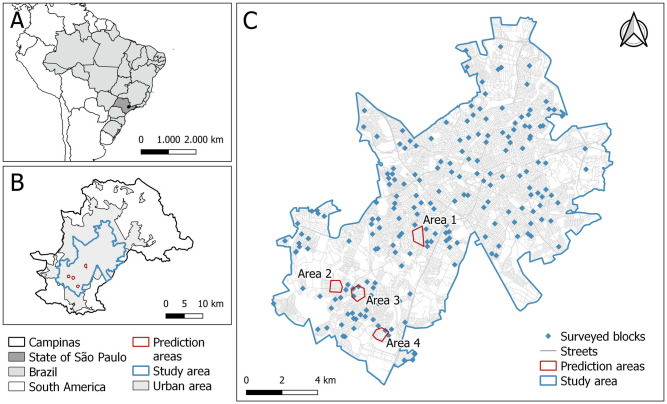 Figure 2
 Figure 3
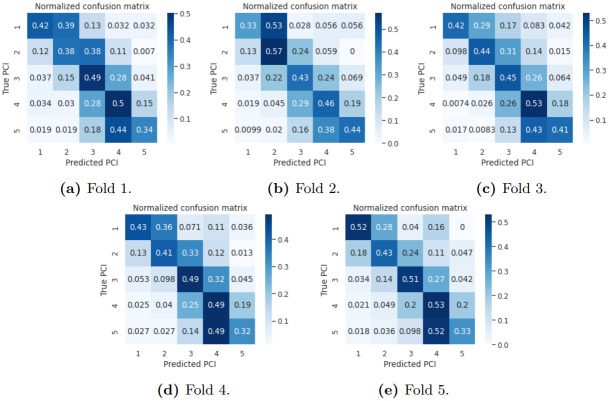 Figure 4
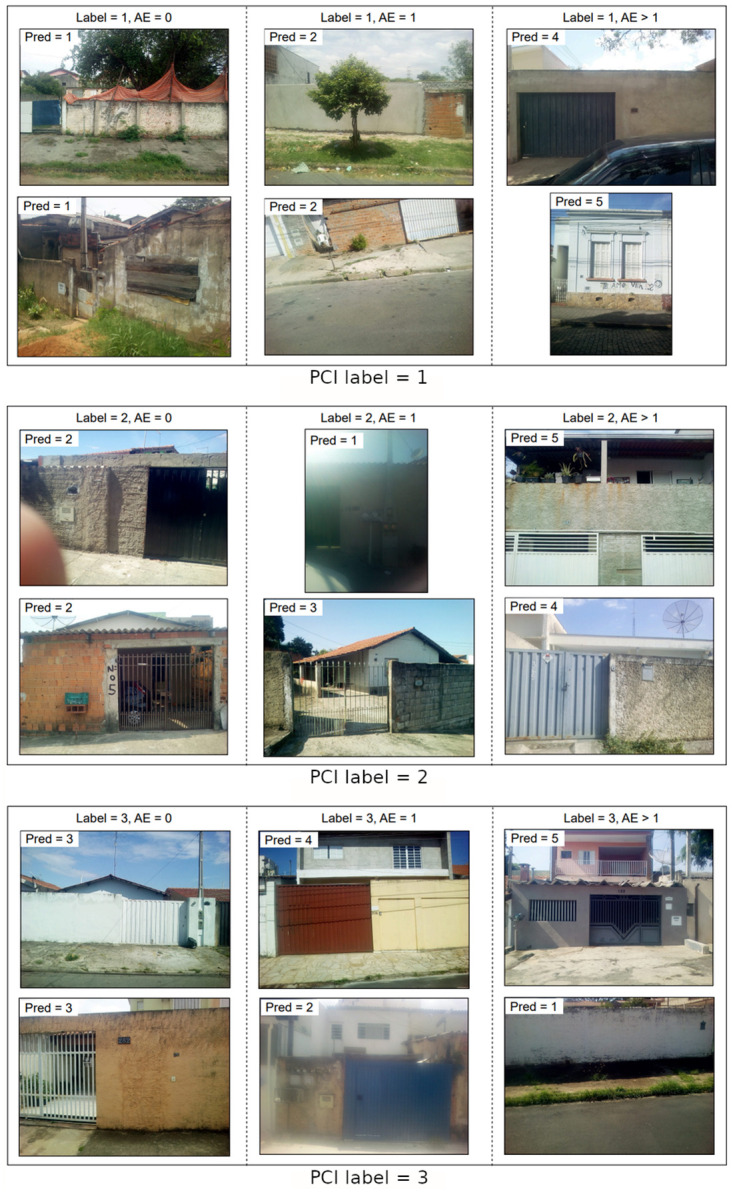 Figure 5
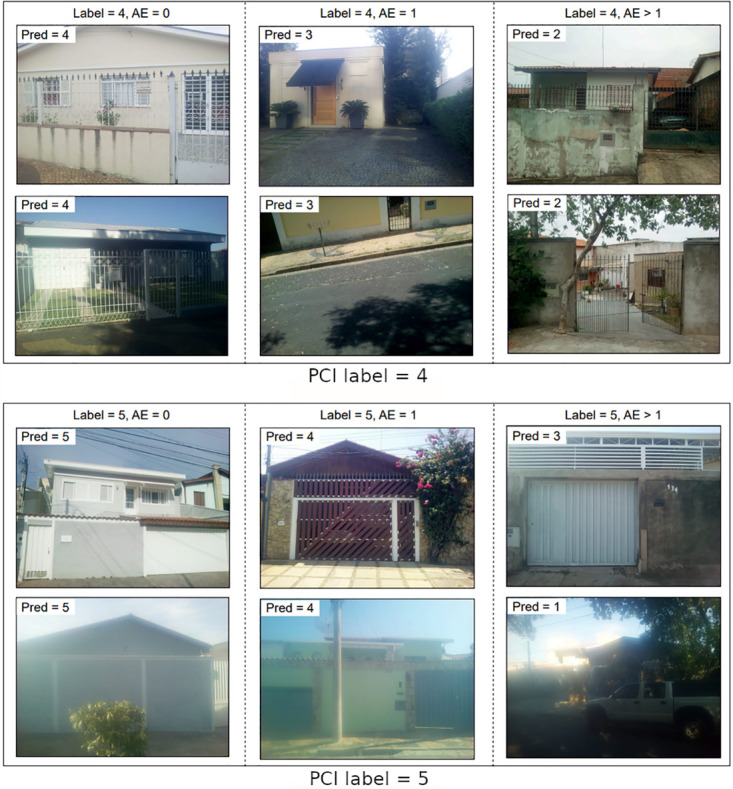 Figure 6
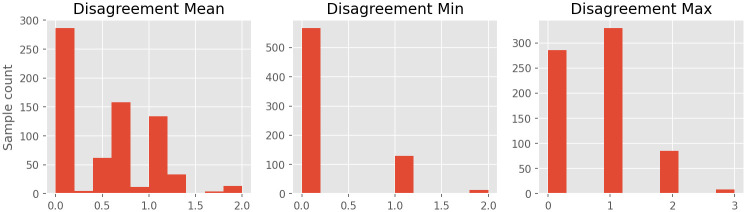 Figure 7
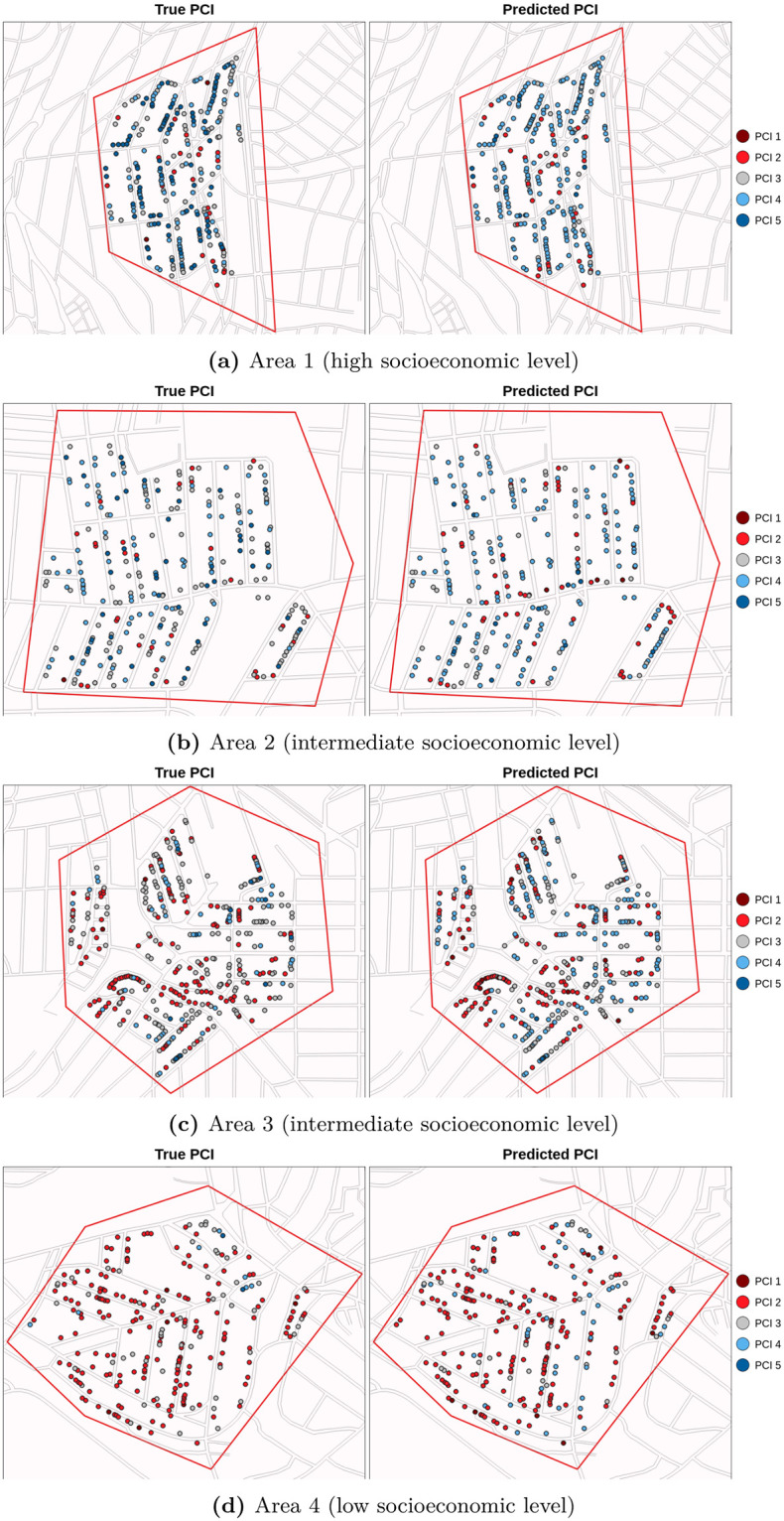 Figure 8
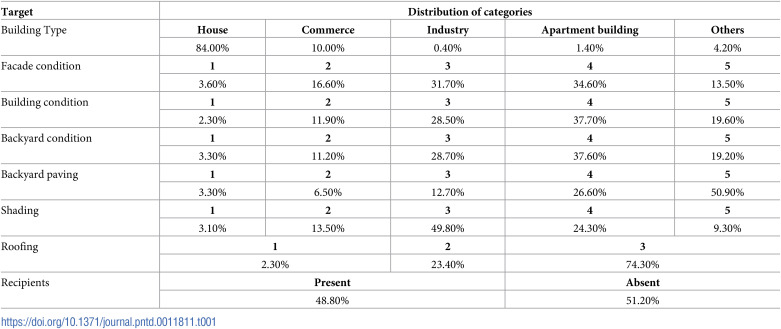 Figure 9
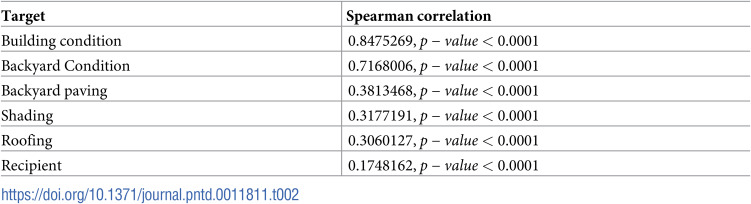 Figure 10
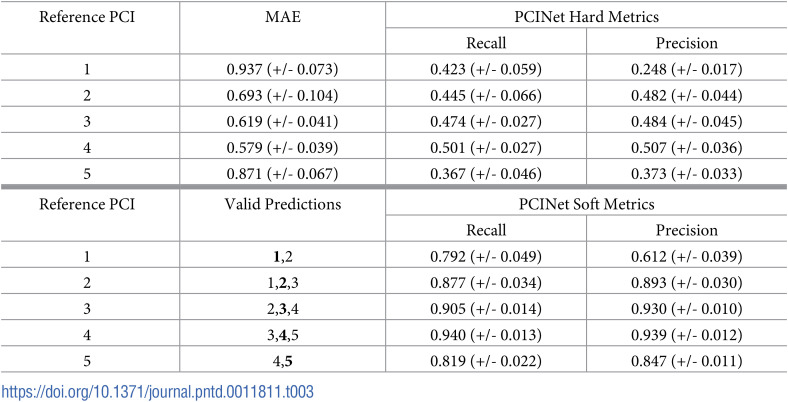 Figure 11
Peer Reviews
No public reviews on file for this paper yet. If you reviewed it on a platform where reviews are public (OpenReview, ICLR, NeurIPS, ICML), you can paste yours below so the community can read it here.
Videos
No videos yet. Explain this paper in a talk, walkthrough, or lecture? Add one.
Taxonomy
TopicsAdvanced Algebra and Logic · Computability, Logic, AI Algorithms