Thermosensory Spiking Activity of Proteinoid Microspheres Cross-Linked by Actin Filaments
Panagiotis Mougkogiannis, Andrew Adamatzky

TL;DR
This paper explores how proteinoid microspheres combined with actin filaments can generate voltage spikes and brain-like signaling without membranes or ion channels.
Contribution
The study introduces hybrid actin-proteinoid networks that exhibit stable, life-like signal encoding and improved coordination in synthetic protocell systems.
Findings
Proteinoid microspheres produce voltage spikes and brain-like excitation dynamics without membranes or ion channels.
Adding actin filaments reduces spike timing variability and enhances coordination in hybrid networks.
Temperature changes regulate conduction states, enabling external control over emergent excitability in protobrain systems.
Abstract
Actin, found in all eukaryotic cells as globular (G) or filamentous (F) actin, undergoes polymerization, with G-actin units changing shape to become F-actin. Thermal proteins, or proteinoids, are created by heating amino acids (160–200 °C), forming polymeric chains. These proteinoids can swell in an aqueous solution at around 50 °C, producing hollow microspheres filled with a solution, exhibiting voltage spikes. Our research explores the signaling properties of proteinoids, actin filaments, and hybrid networks combining actin and proteinoids. Proteinoids replicate brain excitation dynamics despite lacking specific membranes or ion channels. We investigate enhancing conductivity and spiking by using pure actin, yielding improved coordination in networks compared with individual filaments or proteinoids. Temperature changes (20 short-peptide supramolecular C to 80 °C) regulate conduction…
Genes, proteins, chemicals, diseases, species, mutations and cell lines named across the full text — each resolved to its canonical identifier and authoritative record.
Click any figure to enlarge with its caption.
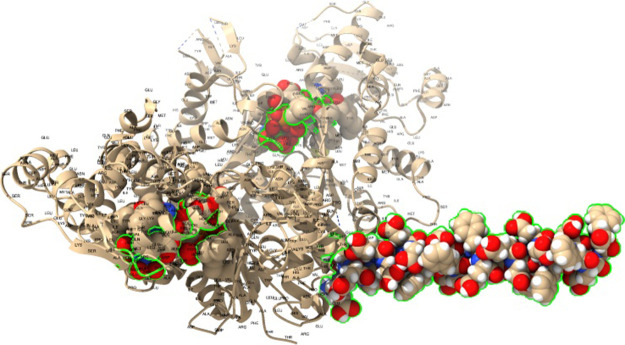 Figure 1
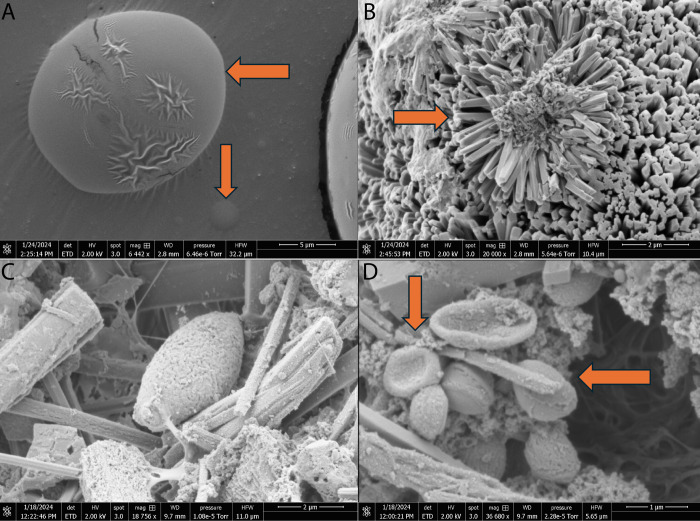 Figure 2
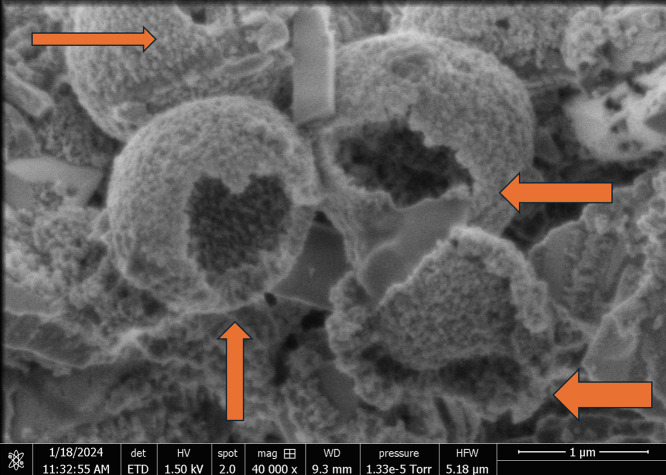 Figure 3
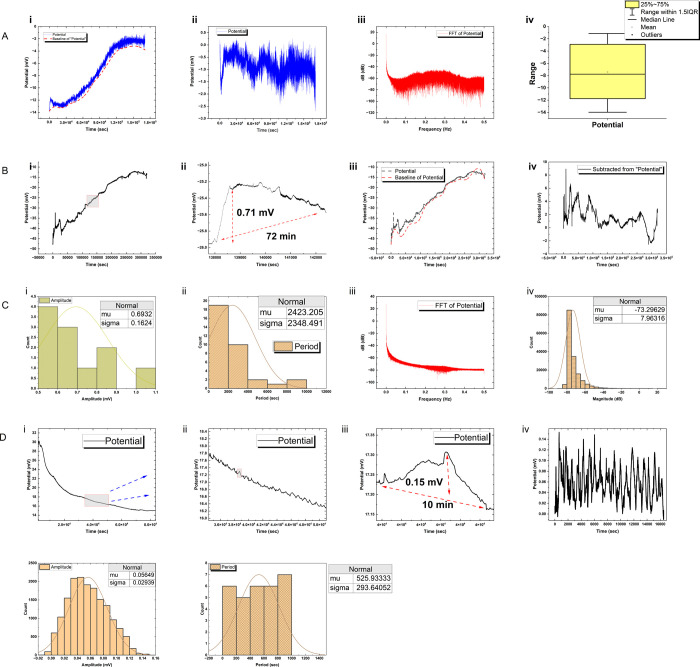 Figure 4
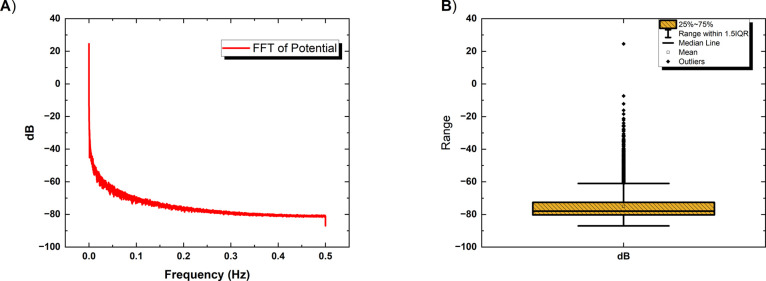 Figure 5
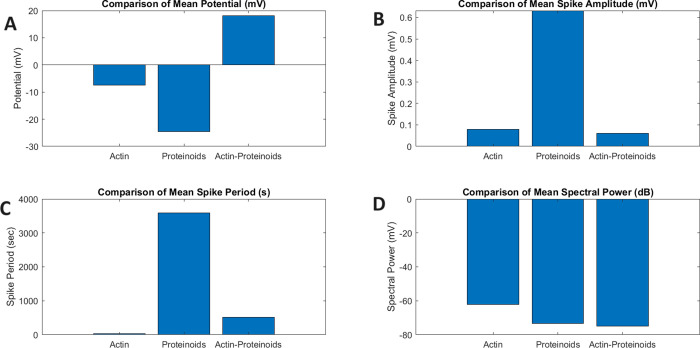 Figure 6
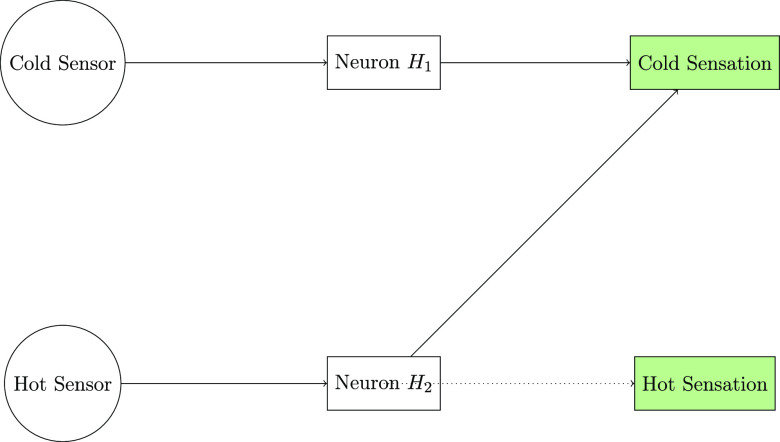 Figure 7
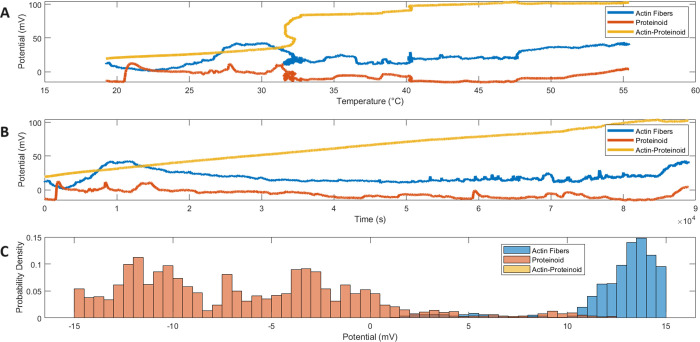 Figure 8
 Figure 9
 Figure 10
 Figure 11
 Figure 12
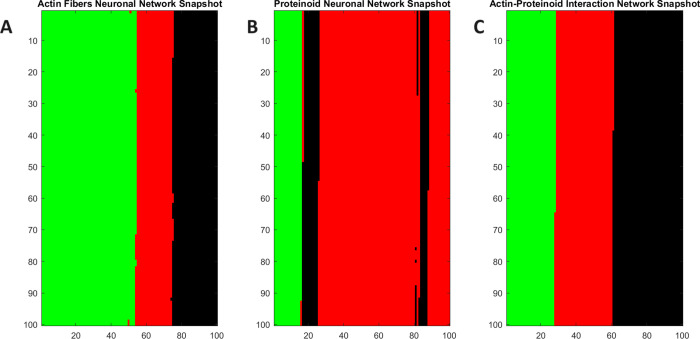 Figure 13
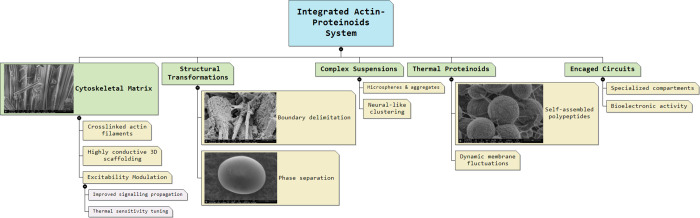 Figure 14
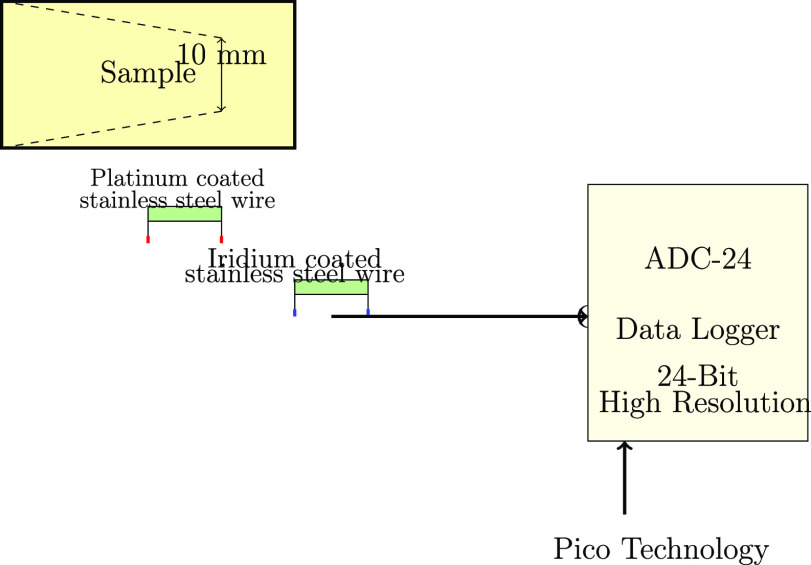 Figure 15
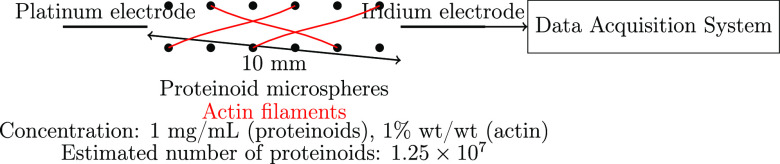 Figure 16
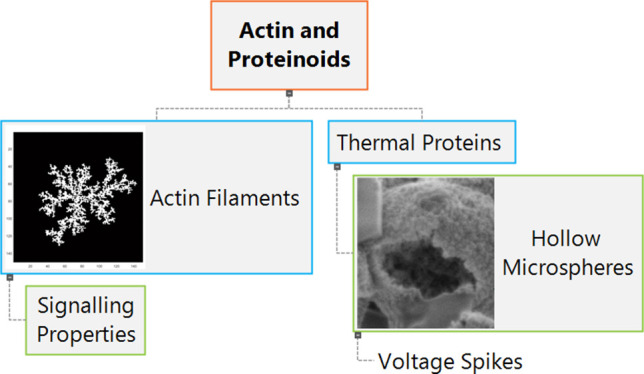 Figure 17
 Figure 18
 Figure 19
 Figure 20
 Figure 21
 Figure 22
 Figure 23
 Figure 24
 Figure 25
 Figure 26
 Figure 27
 Figure 28
 Figure 29
 Figure 30
 Figure 31
 Figure 32
Peer Reviews
No public reviews on file for this paper yet. If you reviewed it on a platform where reviews are public (OpenReview, ICLR, NeurIPS, ICML), you can paste yours below so the community can read it here.
Videos
No videos yet. Explain this paper in a talk, walkthrough, or lecture? Add one.
Taxonomy
TopicsLinguistics and language evolution · Classical Antiquity Studies