Triple-Vessel Disease in a High-Risk Surgical Patient Treated With Nine Drug-Eluting Stents
Usman S Najam, Zain Ali

TL;DR
A high-risk patient with severe heart disease was treated with nine drug-eluting stents instead of surgery.
Contribution
Presents a novel case of managing triple-vessel disease with nine drug-eluting stents in a poor surgical candidate.
Findings
The patient had severe triple-vessel coronary artery disease.
Nine drug-eluting stents were placed due to high surgical risk.
The case highlights an alternative to bypass surgery for complex CAD.
Abstract
Coronary artery disease (CAD) is a major cause of morbidity and mortality in the United States, and as strides have been made in its management, outcomes have continued to improve. Management has evolved from expectant management to coronary artery bypass graft surgery and thrombolysis, to more recently percutaneous intervention with stenting and medical management in select cases. Here, we describe a case of a complex patient with severe triple-vessel disease who was deemed a poor surgical candidate for coronary artery bypass graft surgery and would instead undergo high-risk percutaneous intervention with the placement of nine drug-eluting stents.
Genes, proteins, chemicals, diseases, species, mutations and cell lines named across the full text — each resolved to its canonical identifier and authoritative record.
Click any figure to enlarge with its caption.
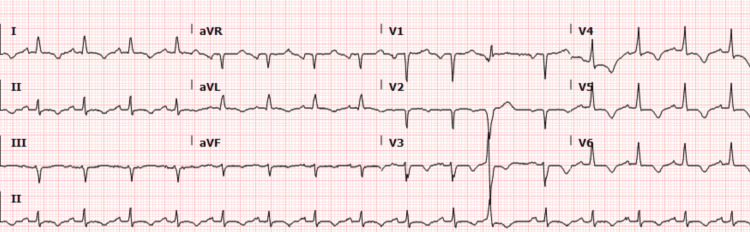 Figure 1
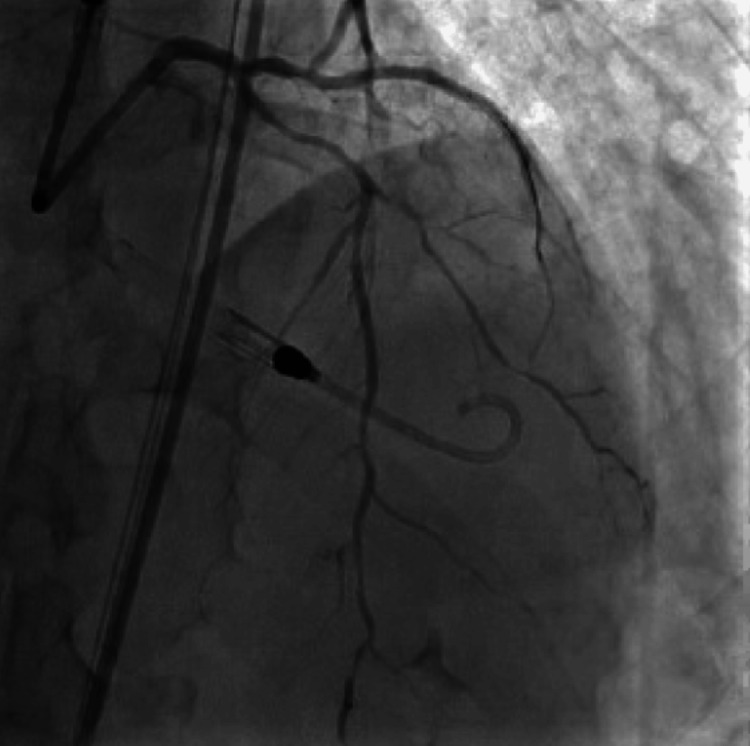 Figure 2
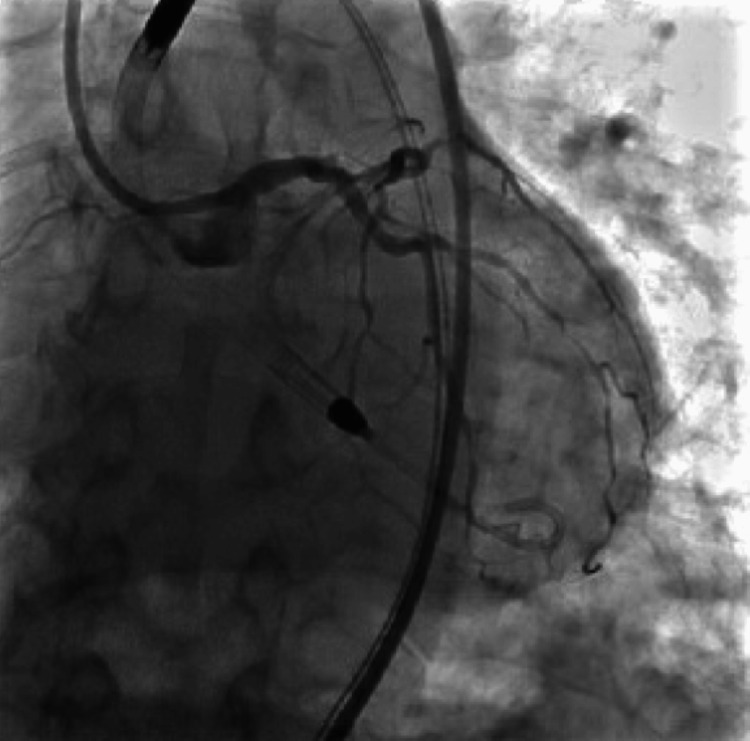 Figure 3
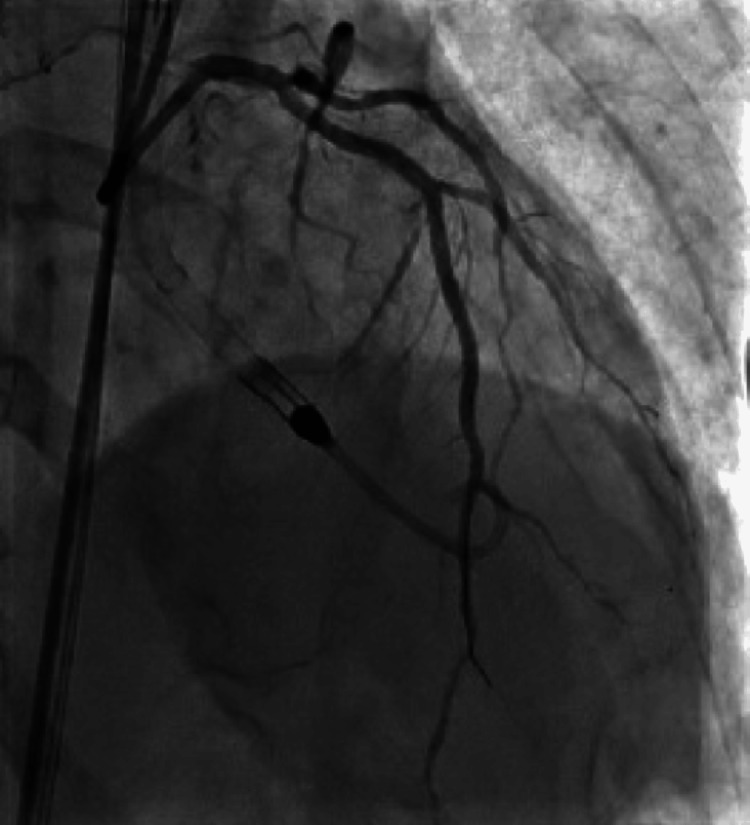 Figure 4
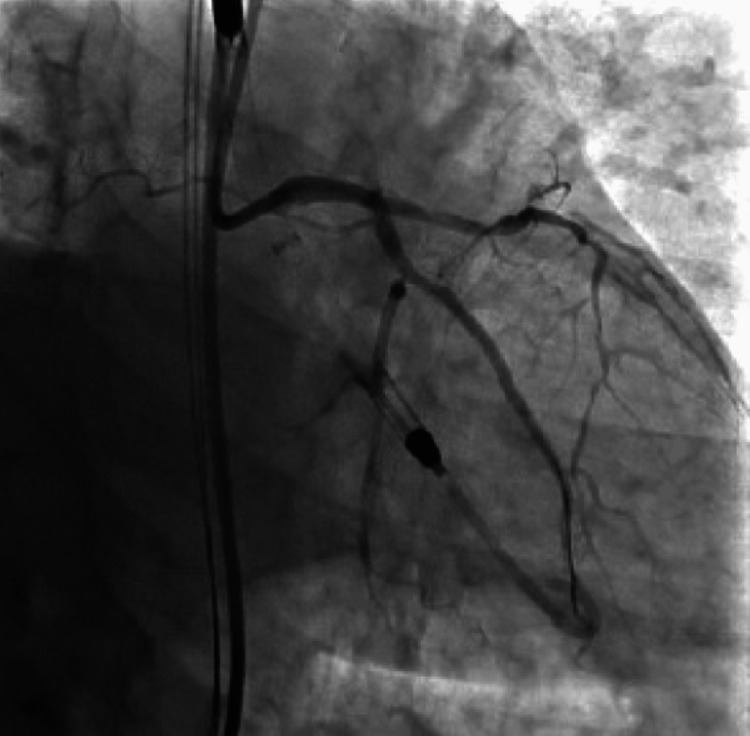 Figure 5
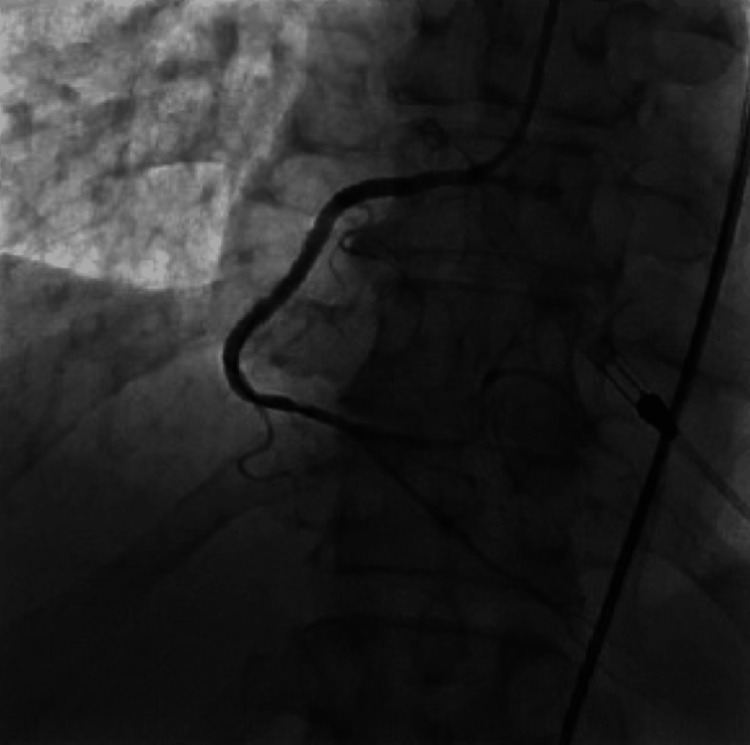 Figure 6
Peer Reviews
No public reviews on file for this paper yet. If you reviewed it on a platform where reviews are public (OpenReview, ICLR, NeurIPS, ICML), you can paste yours below so the community can read it here.
Videos
No videos yet. Explain this paper in a talk, walkthrough, or lecture? Add one.
Taxonomy
TopicsCoronary Interventions and Diagnostics · Aortic aneurysm repair treatments · Peripheral Artery Disease Management