LINC01535 promotes hepatocellular carcinoma proliferation and metastasis by regulating the miR-214-3p/VASP axis
Chunjiang Liu, Kuan Li, Wenzhou Ding, Xiaoqi Tang, Zhifeng Wu, Xin Zhu, Wanwan Gong, Hui Zhao

TL;DR
This study shows that the lncRNA LINC01535 promotes liver cancer growth and spread by interacting with miR-214-3p and VASP, offering a new potential treatment target.
Contribution
The study identifies LINC01535 as a novel regulator of hepatocellular carcinoma progression via the miR-214-3p/VASP axis and the PI3K/AKT pathway.
Findings
LINC01535 is overexpressed in HCC tissues and cell lines.
LINC01535 promotes HCC cell proliferation, migration, and invasion by sponging miR-214-3p and upregulating VASP.
VASP activates the PI3K/AKT pathway and induces epithelial-to-mesenchymal transition in HCC.
Abstract
Background: Emerging evidence has indicated that long noncoding RNAs (lncRNAs) are associated with the development and progression of several carcinomas, including hepatocellular carcinoma (HCC). However, the role of LINC01535 in HCC is still unknown. Materials and methods: In this study, RNA-seq, CCK-8, colony formation, wound healing, Transwell and tumor xenograft assays were used to explore the function of LINC01535 in the proliferation and metastasis of HCC in vitro and in vivo. Fluorescence in situ hybridization (FISH) assay, bioinformatics analysis, dual-luciferase assay, quantitative real-time polymerase chain reaction (qRT-PCR), and western blot analysis were used to reveal the interactions of LINC01535, miR-214-3p and VASP. Results: LINC01535 was overexpressed in HCC tissues and HCC cell lines. Gain- and loss-of-function studies revealed that LINC01535 could promote HCC cell…
Genes, proteins, chemicals, diseases, species, mutations and cell lines named across the full text — each resolved to its canonical identifier and authoritative record.
Click any figure to enlarge with its caption.
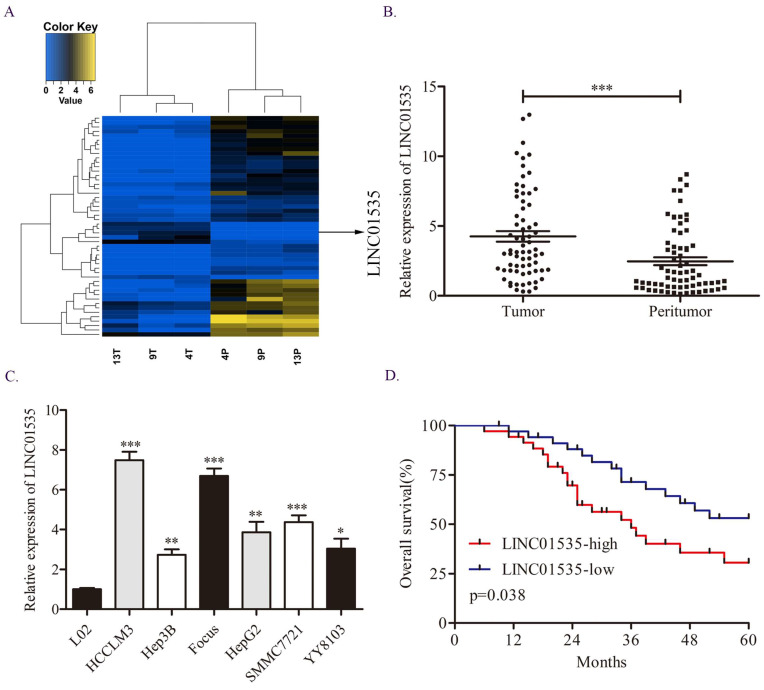 Figure 1
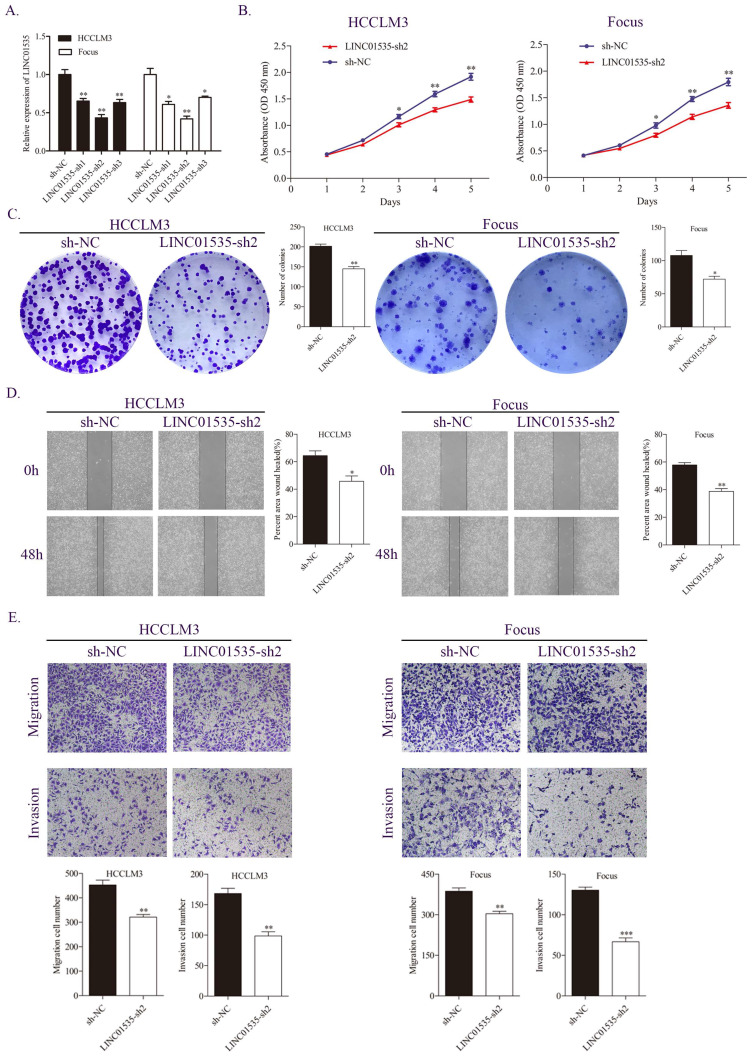 Figure 2
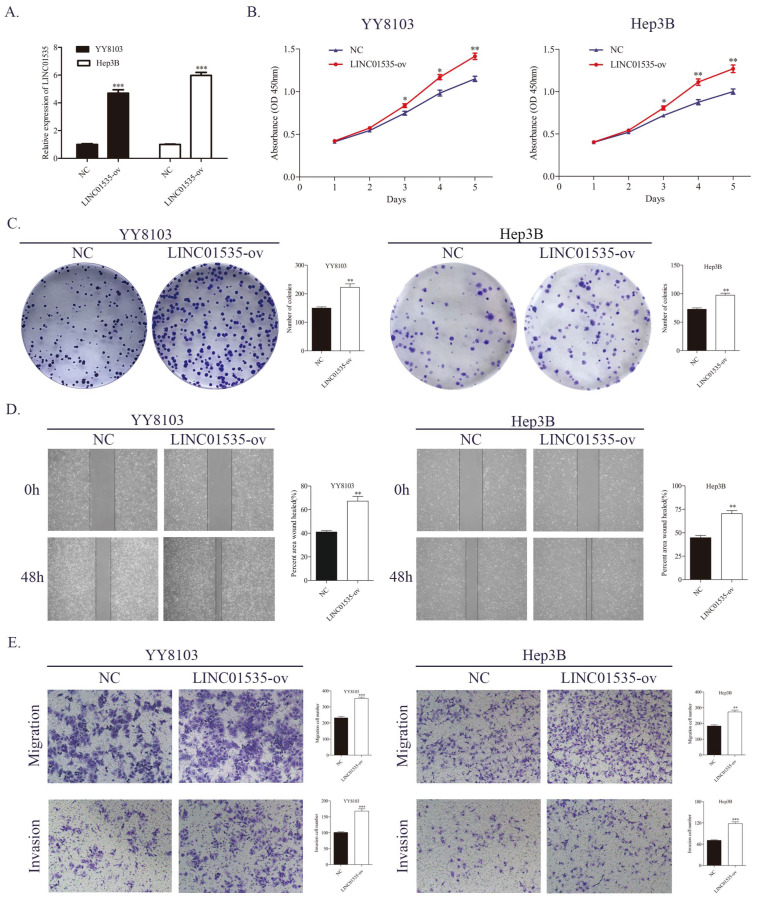 Figure 3
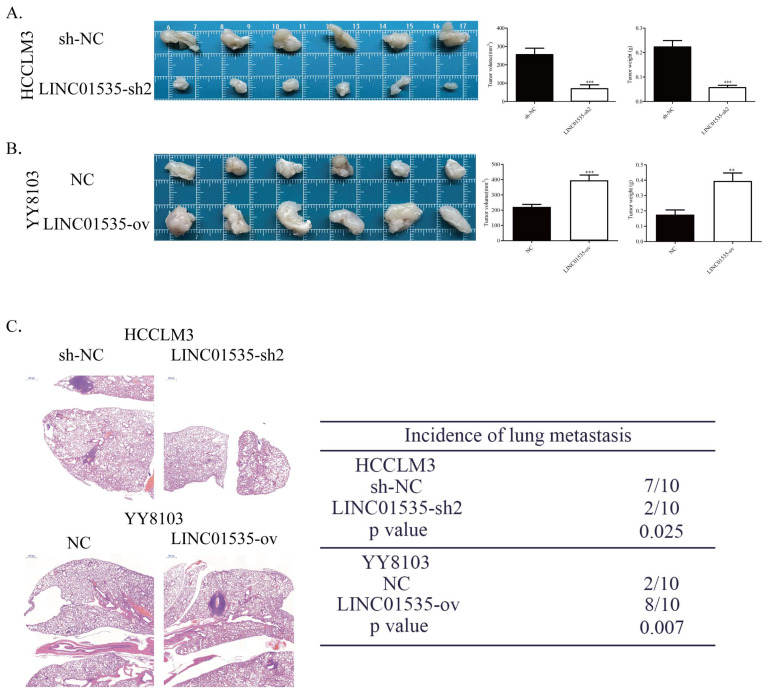 Figure 4
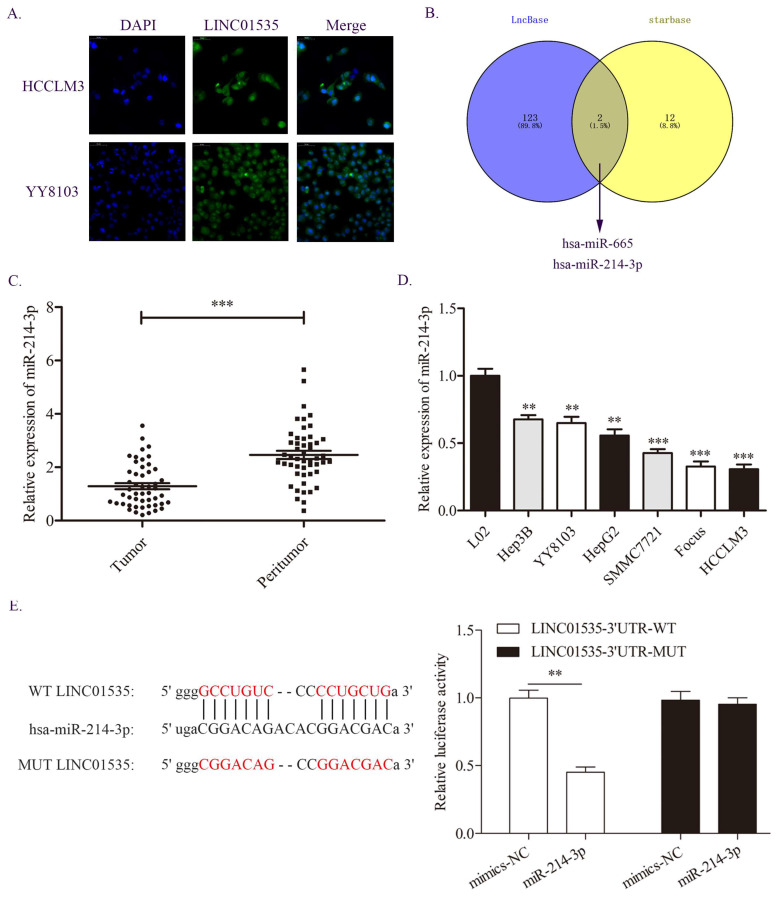 Figure 5
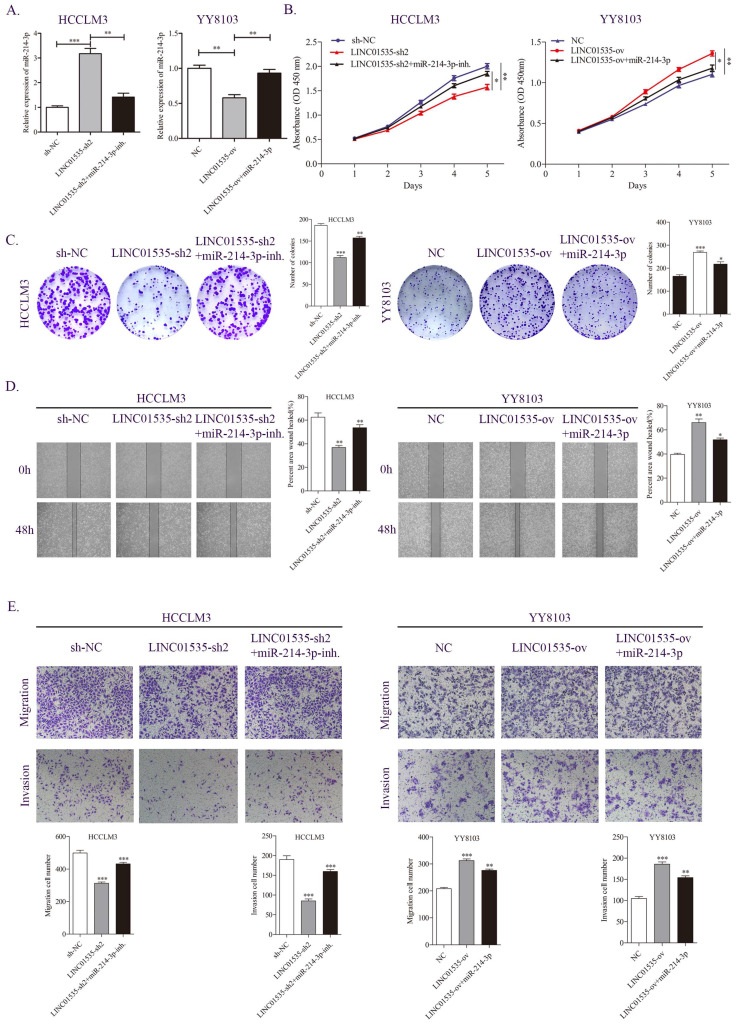 Figure 6
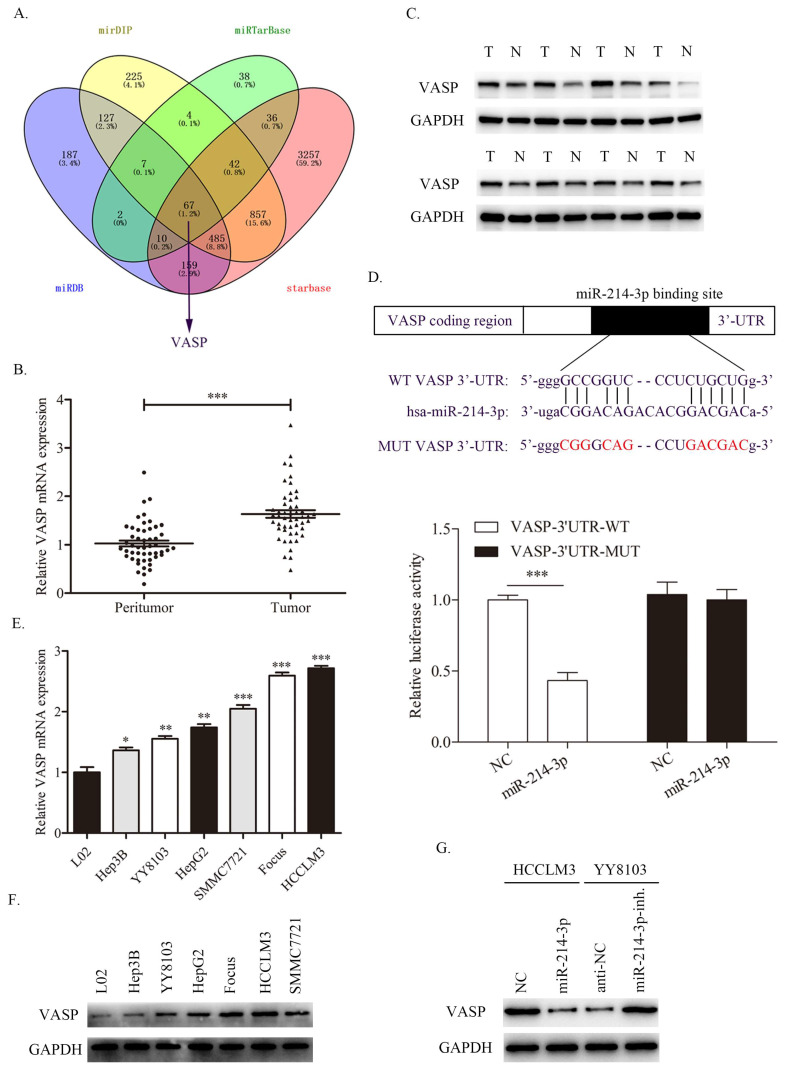 Figure 7
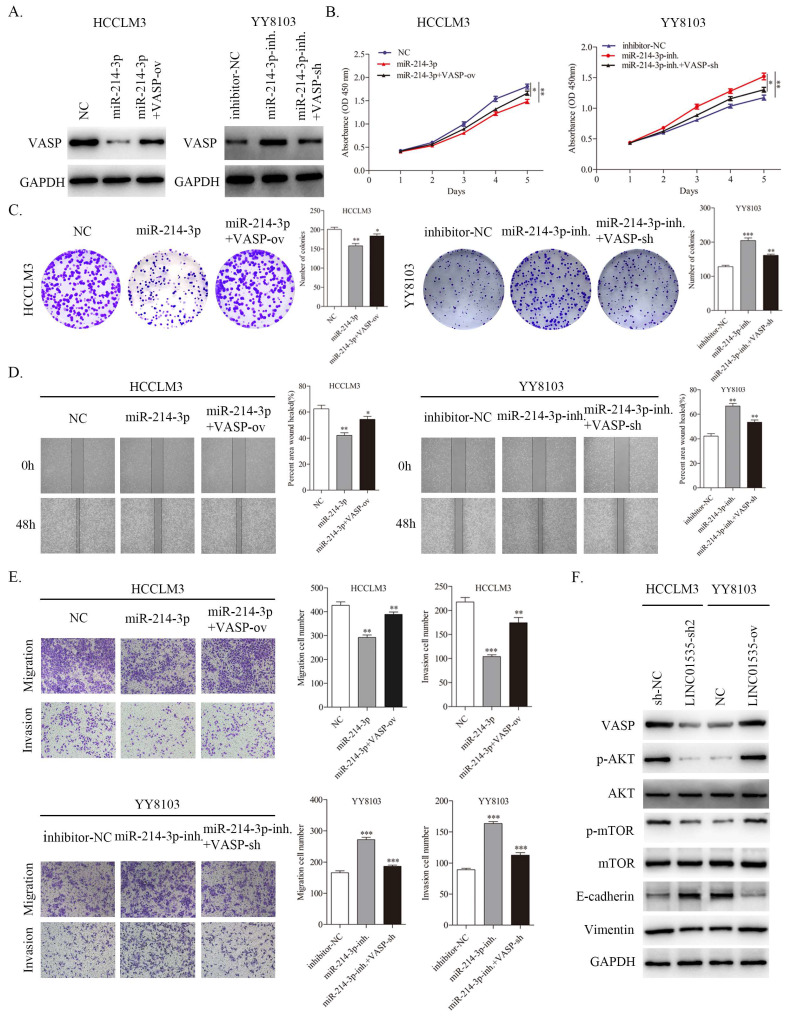 Figure 8
Peer Reviews
No public reviews on file for this paper yet. If you reviewed it on a platform where reviews are public (OpenReview, ICLR, NeurIPS, ICML), you can paste yours below so the community can read it here.
Videos
No videos yet. Explain this paper in a talk, walkthrough, or lecture? Add one.
Taxonomy
TopicsCancer-related molecular mechanisms research · Circular RNAs in diseases · MicroRNA in disease regulation