Neointimal hyperplasia after endoluminal injury in mice is dependent on tissue factor- and angiopoietin-2 dependent interferon gamma production by fibrocytes and macrophages
Daxin Chen, Ke Li, Lin-Lin Wei, Ning Ma, John H. McVey, Anthony Dorling

TL;DR
This study shows that intimal hyperplasia in mice after vascular injury depends on IFNγ produced by fibrocytes and macrophages through tissue factor and angiopoietin-2.
Contribution
The study reveals a novel mechanism where TF and angiopoietin-2 drive IFNγ production, essential for neointimal hyperplasia.
Findings
IFNγ+ fibrocytes and macrophages are derived from CD34+ cells and are critical for IH development.
TF-dependent angiopoietin-2 production activates IFNγ, which is necessary for IH progression.
Blocking TIE-2 or angiopoietin-2 inhibits IFNγ and prevents IH.
Abstract
The intimal hyperplasia (IH) and vascular remodelling that follows endovascular injury, for instance after post-angioplasty re-stenosis, results in downstream ischaemia and progressive end organ damage. Interferon gamma (IFNγ) is known to play a critical role in this process. In mouse models we have previously shown that fibrocytes expressing tissue factor (TF) are recruited early to the site of injury. Through thrombin generation and protease activated receptor-1 (PAR-1) activation, fibrocytes secrete angiopoietin-2, stimulate neointimal cell proliferation, inhibit apoptosis and induce CXCL-12 production, all of which contribute to the progressive IH that then develops. In this study we investigated the relationship between TF, angiopoietin-2 and IFNγ. IH developing in carotid arteries of wild-type mice 4 weeks after endoluminal injury contained a significant proportion of IFNγ+…
Genes, proteins, chemicals, diseases, species, mutations and cell lines named across the full text — each resolved to its canonical identifier and authoritative record.
Click any figure to enlarge with its caption.
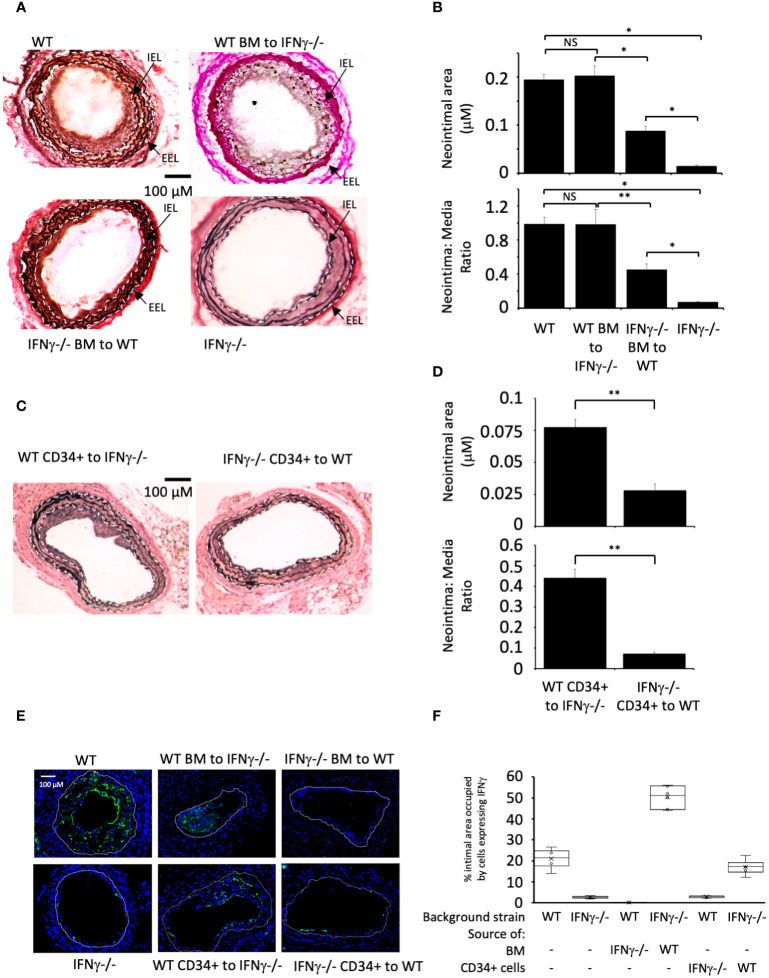 Figure 1
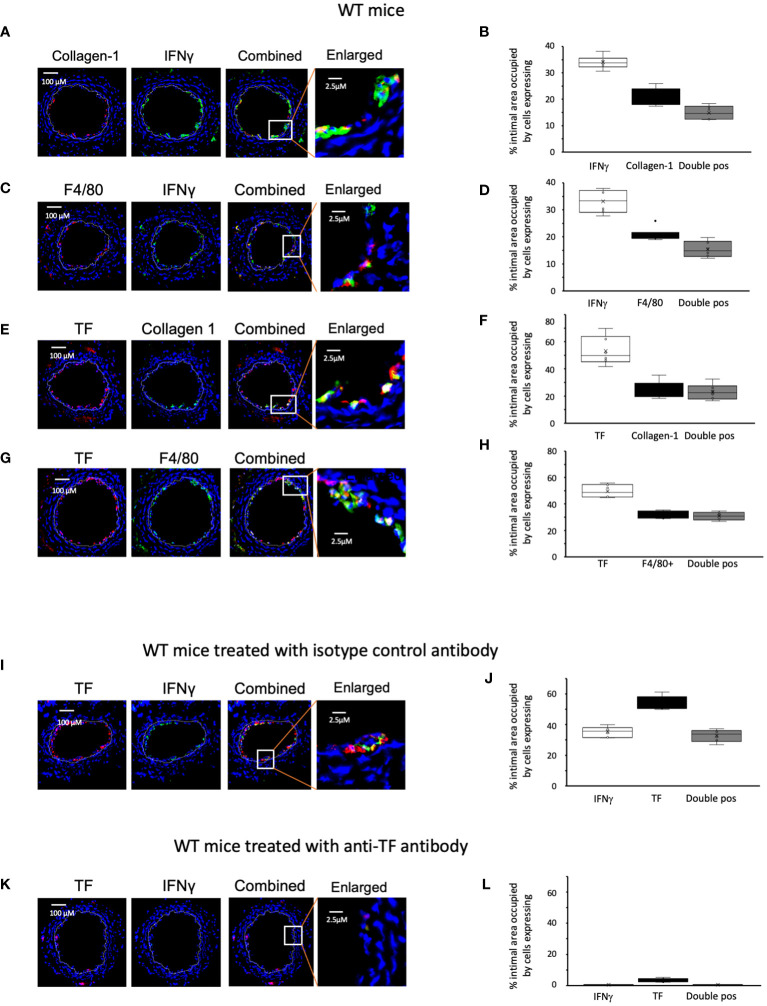 Figure 2
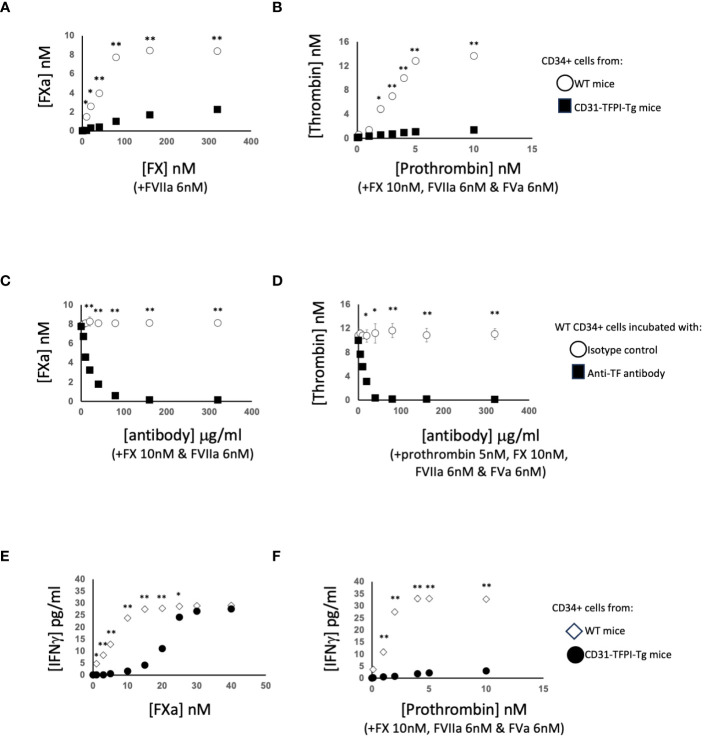 Figure 3
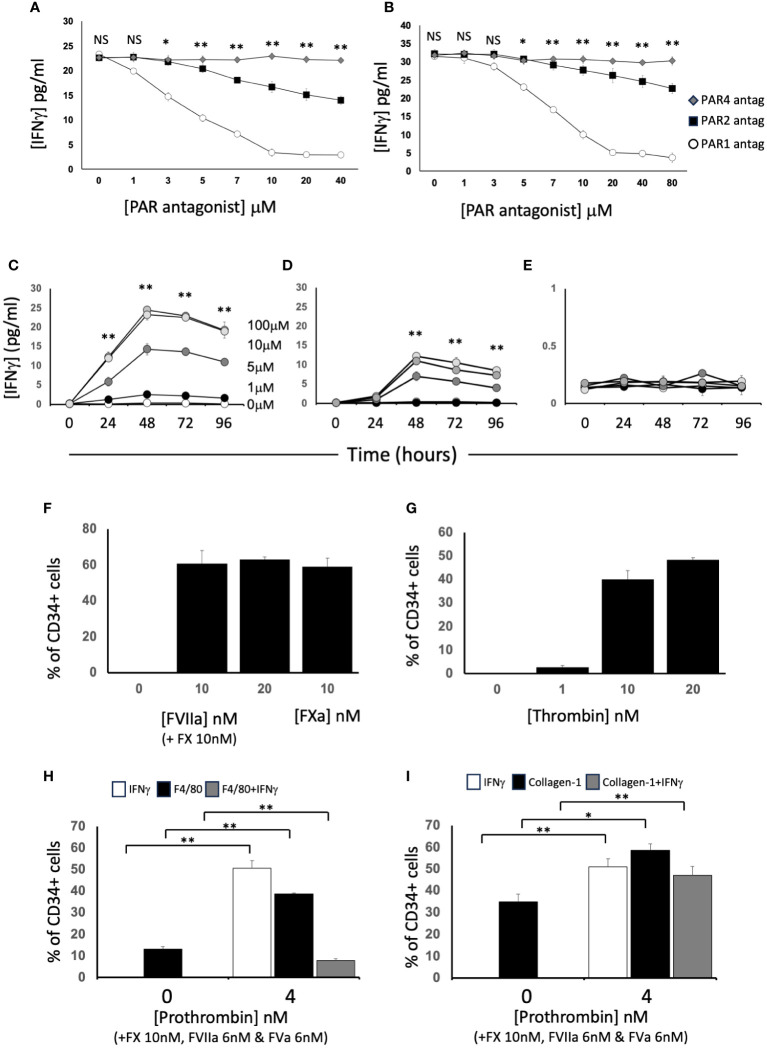 Figure 4
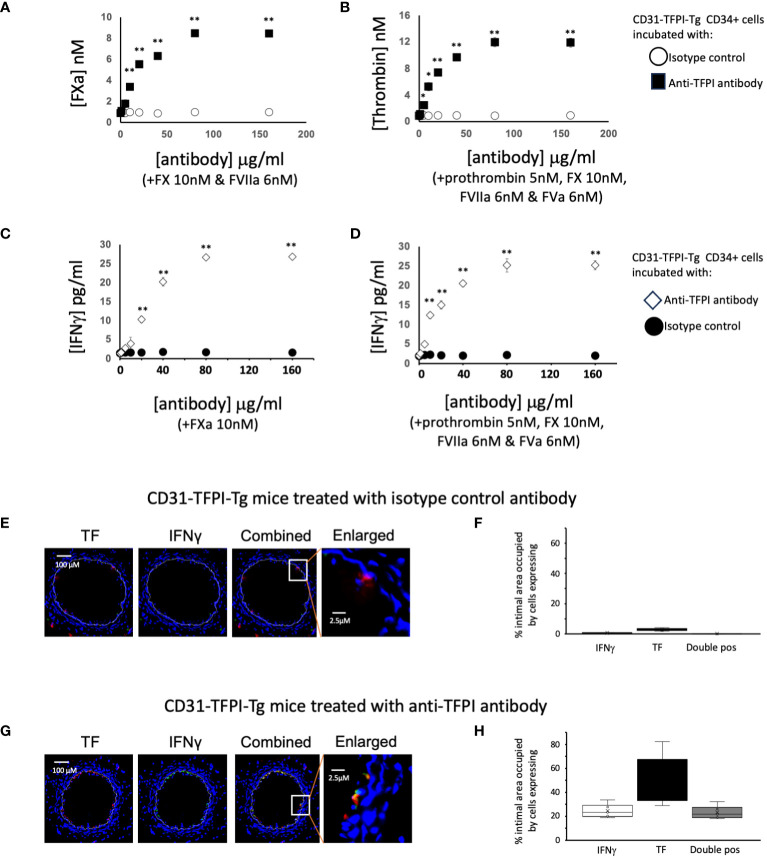 Figure 5
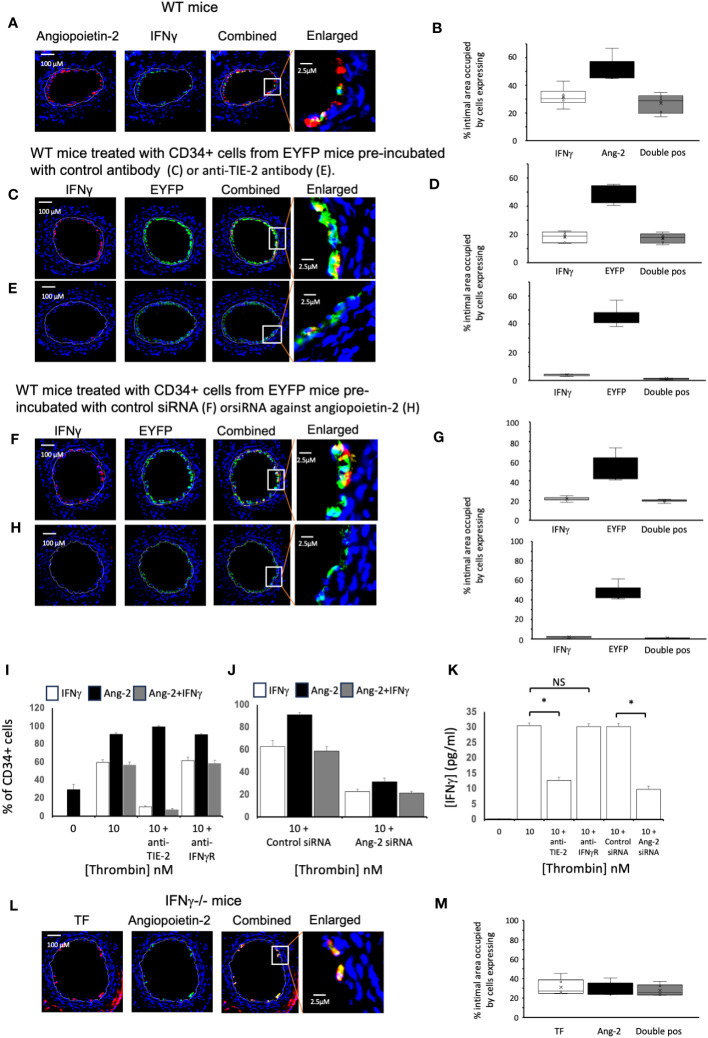 Figure 6
Peer Reviews
No public reviews on file for this paper yet. If you reviewed it on a platform where reviews are public (OpenReview, ICLR, NeurIPS, ICML), you can paste yours below so the community can read it here.
Videos
No videos yet. Explain this paper in a talk, walkthrough, or lecture? Add one.
Taxonomy
TopicsAngiogenesis and VEGF in Cancer · Antiplatelet Therapy and Cardiovascular Diseases · Atherosclerosis and Cardiovascular Diseases