How emotions shape memory? The moderating effect of healthy emotionality on eyewitness testimony
Kaja Glomb, Przemysław Piotrowski, Bożena Gulla, Iza Romanowska, Maria Mastek

TL;DR
This study explores how emotions affect eyewitness memory, finding that people with lower healthy emotionality remember crime details better.
Contribution
The study introduces the moderating role of healthy emotionality in emotion-memory relationships during eyewitness testimony.
Findings
Individuals with lower healthy emotionality recall crime-related details better immediately after the event.
Emotions during crime observation hinder memory of perpetrator appearance and behavior unrelated to the crime.
Healthy emotionality does not significantly affect memory in neutral events or repeated measurements.
Abstract
The influence of emotions on memory is a significant topic in the psychology of eyewitness testimony. However, conflicting results have arisen, possibly due to varying approaches and methodologies across studies. These discrepancies might also arise from inadequate consideration of individual differences in emotionality. Therefore, this study aims to analyze the moderating effect of healthy emotionality on the relationship between emotion and memory of criminal events. The results of our laboratory experiment (N = 150) conducted with VR technology indicate that eyewitnesses of crimes, unlike observers of neutral events, recall details concerning the perpetrators’ actions immediately preceding the crime act better. Notably, individuals with lower scores on a scale measuring healthy emotionality (ESQ) demonstrate enhanced recollection for these details. At the same time, emotionality…
Genes, proteins, chemicals, diseases, species, mutations and cell lines named across the full text — each resolved to its canonical identifier and authoritative record.
Click any figure to enlarge with its caption.
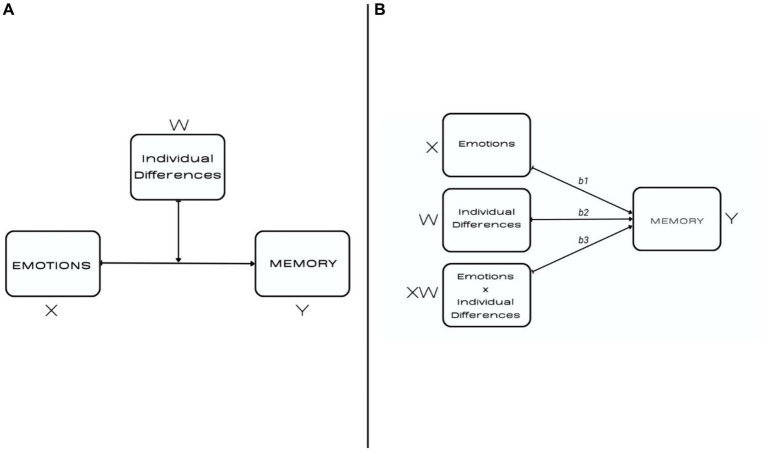 Figure 1
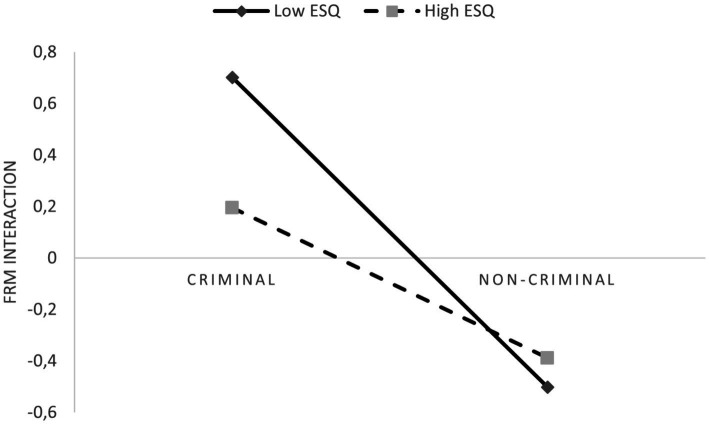 Figure 2
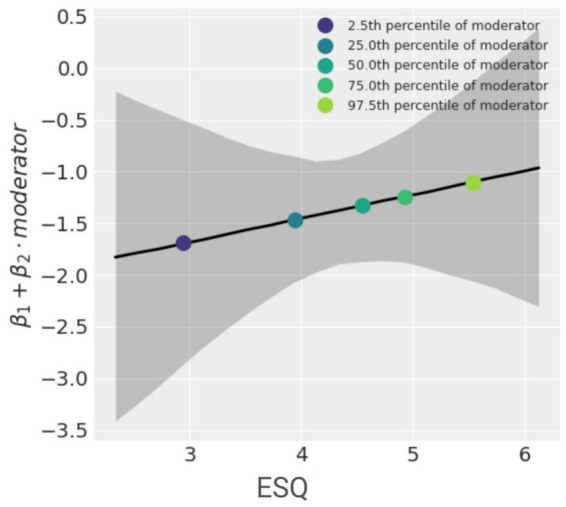 Figure 3
Peer Reviews
No public reviews on file for this paper yet. If you reviewed it on a platform where reviews are public (OpenReview, ICLR, NeurIPS, ICML), you can paste yours below so the community can read it here.
Videos
No videos yet. Explain this paper in a talk, walkthrough, or lecture? Add one.
Taxonomy
TopicsMemory Processes and Influences · Face Recognition and Perception · Deception detection and forensic psychology