Proliferation and apoptosis studies of interplacental areas after aglepristone treatment for planned cesarean section in pregnant bitches
Chunsumon Limmanont, Suppawiwat Ponglowhapan, Paisan Tienthai, Preeda Lertwatcharasarakul, Thareerat Sathaphonkunlathat, Kaitkanoke Sirinarumitr

TL;DR
This study examined the effects of aglepristone on cell proliferation and apoptosis in the canine uterus during planned C-sections, finding no significant differences compared to a control group.
Contribution
The study is the first to investigate cell proliferation and apoptosis in the canine uterus during parturition using aglepristone.
Findings
Aglepristone did not significantly affect serum progesterone levels or cell proliferation/apoptosis indices.
Proliferation indices were <5% and apoptosis indices >45% in both treatment and control groups.
No harmful effects of aglepristone were observed for planned C-sections in pregnant bitches.
Abstract
Progesterone (P4) is the main hormone for pregnancy maintenance, occurring approximately 62–64 days after ovulation in bitches. Progesterone acts by binding to specific receptors. Aglepristone is a progesterone receptor (PR) antagonist with a higher affinity for PR binding. There are no published studies on cell proliferation and apoptosis in the canine uterus at the time of parturition. Therefore, this study aimed to determine the local effects of aglepristone on cell proliferation and apoptosis of interplacental uterine tissue during planned cesarean section (C-section) in bitches. In this study, 13 client-owned French bulldogs were examined. Bitches were divided into treatment (n = 8) and control (n = 5) groups. Ovulation timing was predicted based on the serum P4 level on 62–64 days post-ovulation for parturition. Serum P4 levels were measured before (on 60-day post-ovulation) and…
Genes, proteins, chemicals, diseases, species, mutations and cell lines named across the full text — each resolved to its canonical identifier and authoritative record.
Click any figure to enlarge with its caption.
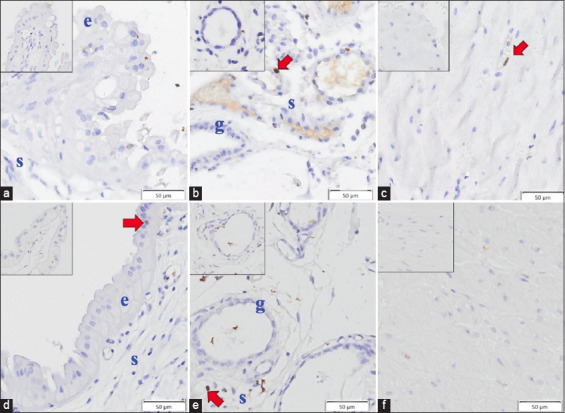 Figure 1
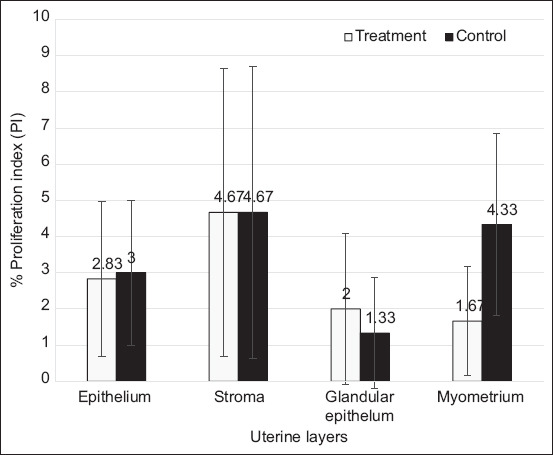 Figure 2
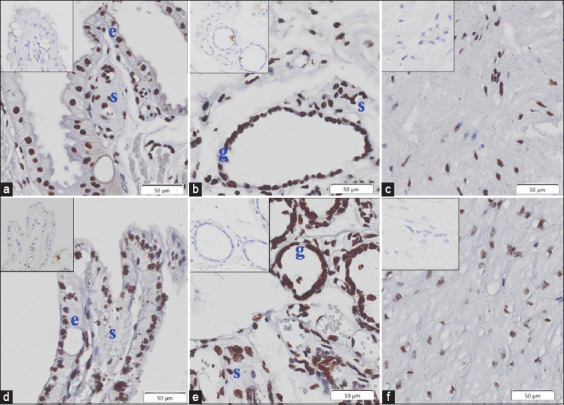 Figure 3
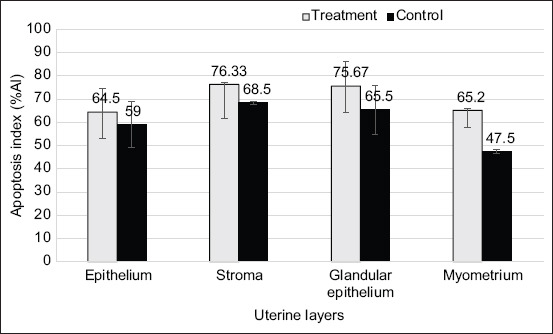 Figure 4
Peer Reviews
No public reviews on file for this paper yet. If you reviewed it on a platform where reviews are public (OpenReview, ICLR, NeurIPS, ICML), you can paste yours below so the community can read it here.
Videos
No videos yet. Explain this paper in a talk, walkthrough, or lecture? Add one.
Taxonomy
TopicsVeterinary Medicine and Surgery · Reproductive Physiology in Livestock · Veterinary Orthopedics and Neurology