Pathological cell assembly dynamics in a striatal MSN network model
Astrid Correa, Adam Ponzi, Vladimir M. Calderón, Rosanna Migliore

TL;DR
This study models how medium spiny neurons in the striatum generate slow, structured activity patterns and how these are disrupted in diseases like Parkinson's.
Contribution
A novel pipeline using a striatal MSN network model and SBI to estimate network parameters from calcium imaging data for disease diagnosis.
Findings
The model generates slow, non-stationary cell assembly activity patterns resembling physiological conditions.
SBI accurately estimated network parameters from healthy data, but not from Parkinsonian or dyskinetic preparations.
The approach could aid in diagnosing basal ganglia pathologies and designing treatments.
Abstract
Under normal conditions the principal cells of the striatum, medium spiny neurons (MSNs), show structured cell assembly activity patterns which alternate sequentially over exceedingly long timescales of many minutes. It is important to understand this activity since it is characteristically disrupted in multiple pathologies, such as Parkinson's disease and dyskinesia, and thought to be caused by alterations in the MSN to MSN lateral inhibitory connections and in the strength and distribution of cortical excitation to MSNs. To understand how these long timescales arise we extended a previous network model of MSN cells to include synapses with short-term plasticity, with parameters taken from a recent detailed striatal connectome study. We first confirmed the presence of sequentially switching cell clusters using the non-linear dimensionality reduction technique, Uniform Manifold…
Genes, proteins, chemicals, diseases, species, mutations and cell lines named across the full text — each resolved to its canonical identifier and authoritative record.
Click any figure to enlarge with its caption.
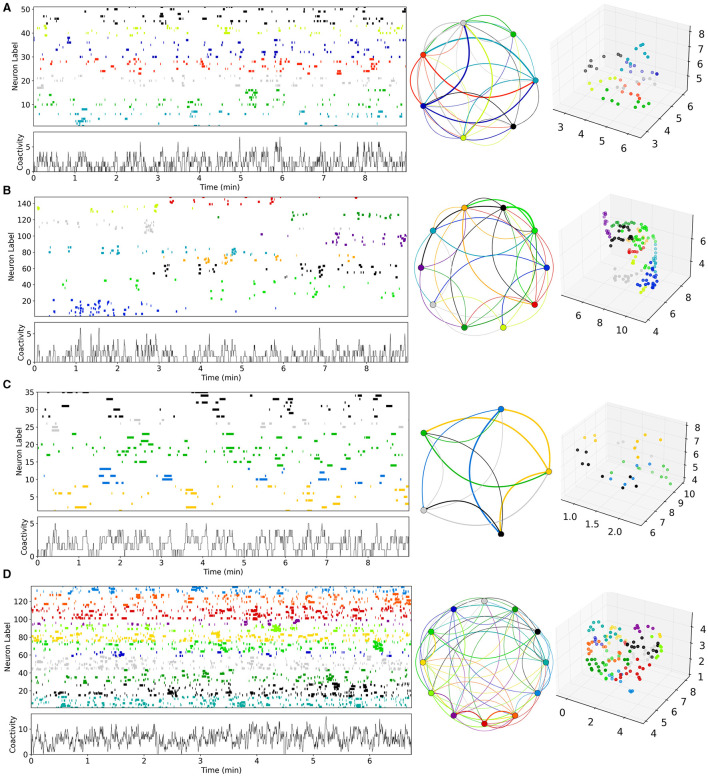 Figure 1
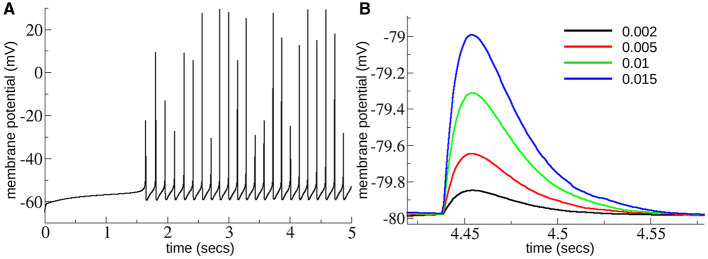 Figure 2
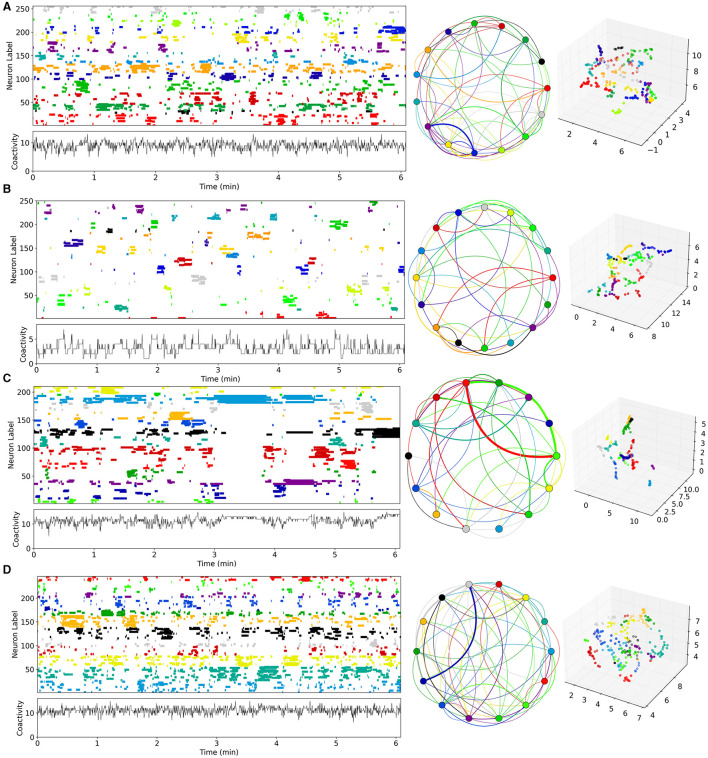 Figure 3
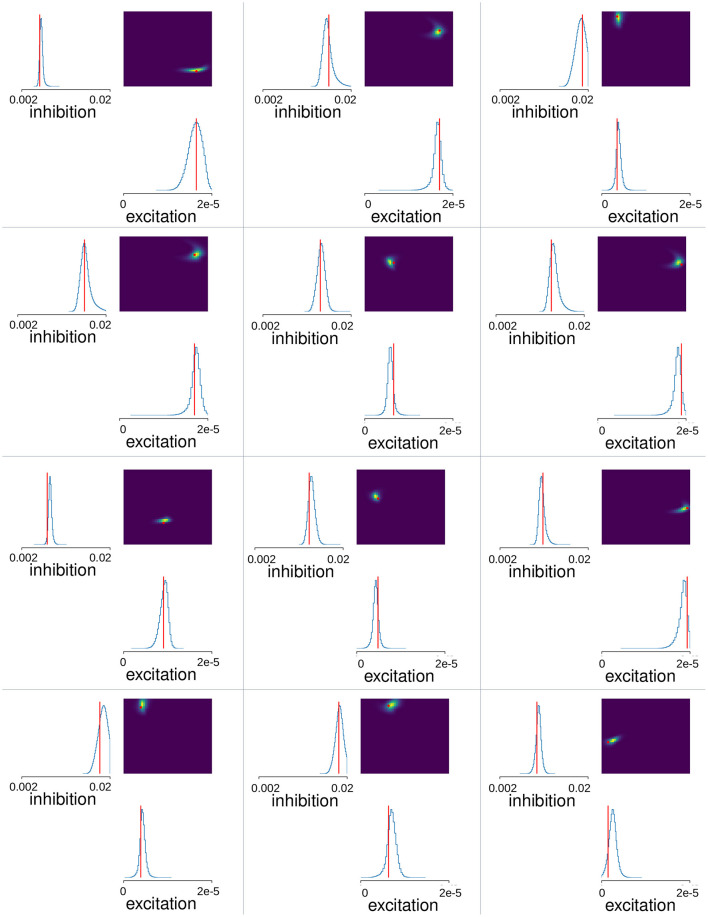 Figure 4
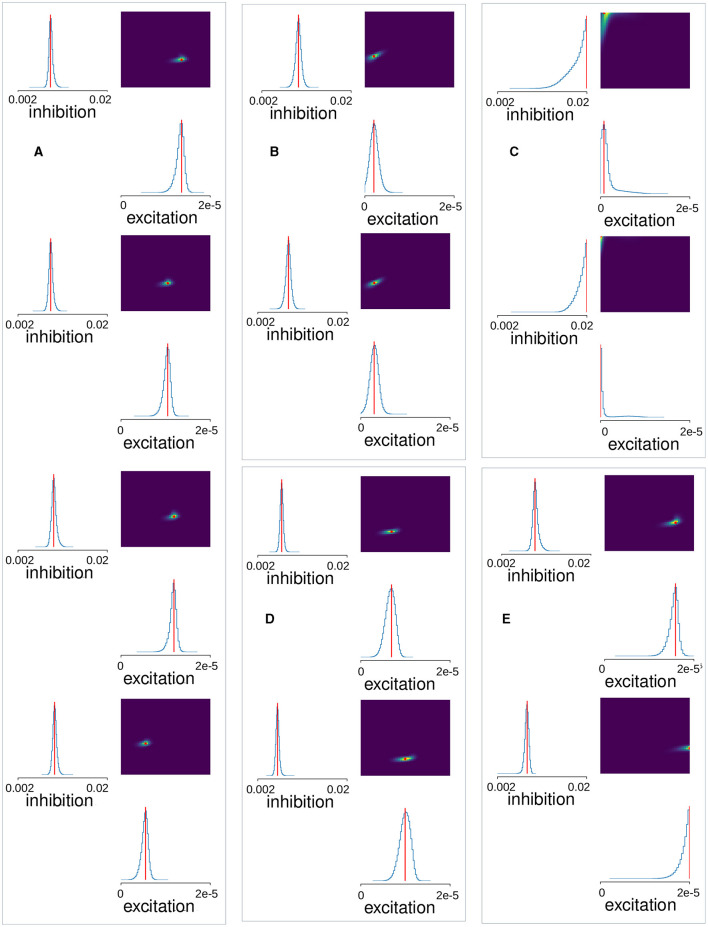 Figure 5
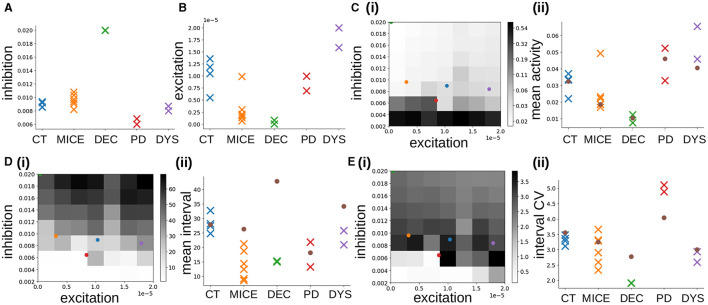 Figure 6
Peer Reviews
No public reviews on file for this paper yet. If you reviewed it on a platform where reviews are public (OpenReview, ICLR, NeurIPS, ICML), you can paste yours below so the community can read it here.
Videos
No videos yet. Explain this paper in a talk, walkthrough, or lecture? Add one.
Taxonomy
TopicsNeural dynamics and brain function · Functional Brain Connectivity Studies · Neuroscience and Neuropharmacology Research