Acid–base responsive molecular switching of a [2]rotaxane incorporating two different stations in an axle component
Risa Yamane, Yuki Asai, Nanami Takiguchi, Ayuna Okamoto, Shintaro Kawano, Yuji Tokunaga, Motohiro Shizuma, Masahiro Muraoka

TL;DR
Scientists created a new rotaxane that can act as a molecular switch when exposed to changes in acidity or basicity.
Contribution
A novel [2]rotaxane with two distinct stations was synthesized and shown to function as a pH-responsive molecular switch.
Findings
A non-symmetric axial molecule was designed and used to synthesize a [2]rotaxane with two different stations.
The synthesized [2]rotaxane exhibited molecular switching behavior in response to acid/base stimuli.
1H NMR measurements confirmed the stimuli-responsive switching mechanism.
Abstract
Interlocked compounds such as rotaxanes and catenanes exhibit unique kinetic properties in response to external chemical or physical stimuli and are therefore expected to be applied to molecular machines and molecular sensors. To develop a novel rotaxane for this application, an isophthalamide macrocycle and a neutral phenanthroline axle were used. Stable pseudorotaxanes are known to be formed using hydrogen bonds and π–π interactions. In this study, we designed a non-symmetric axial molecule and synthesized a [2]rotaxane with the aim of introducing two different stations; a phenanthroline and a secondary amine/ammonium unit. Furthermore, 1H NMR measurements demonstrated that the obtained rotaxane acts as a molecular switch upon application of external acid/base stimuli. To design new types of rotaxanes for pH-driven molecular switches, we synthesized a [2]rotaxane with a non-symmetric…
Genes, proteins, chemicals, diseases, species, mutations and cell lines named across the full text — each resolved to its canonical identifier and authoritative record.
Click any figure to enlarge with its caption.
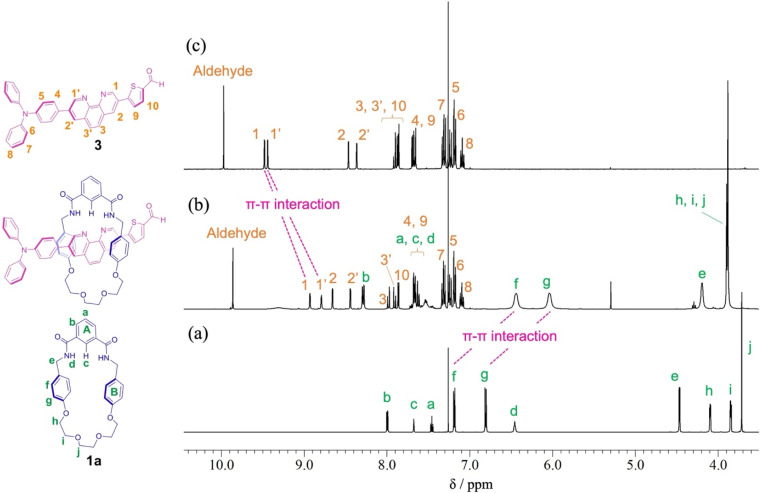 Figure 1
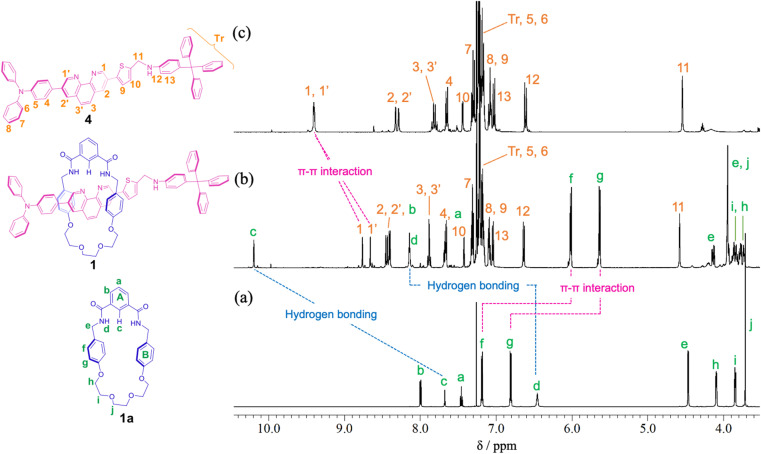 Figure 2
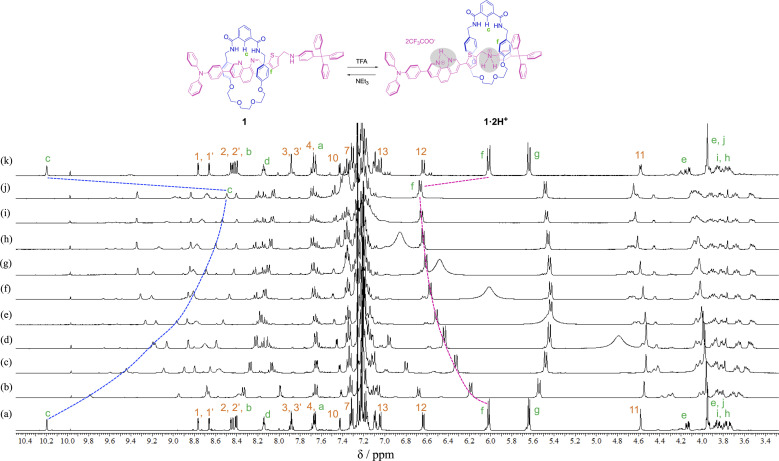 Figure 3
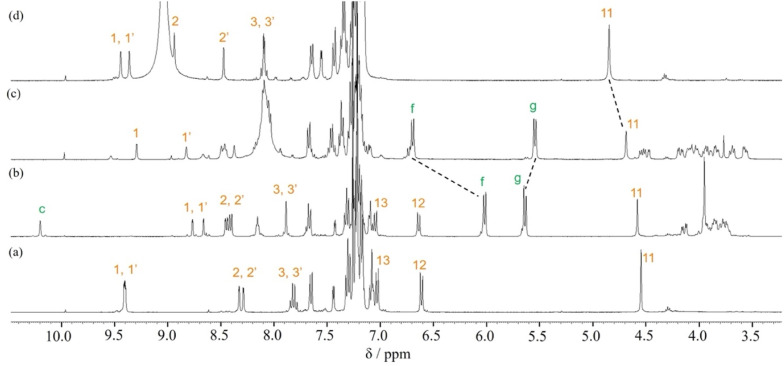 Figure 4
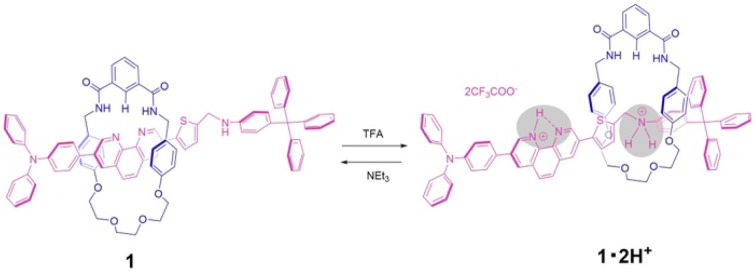 Figure 5
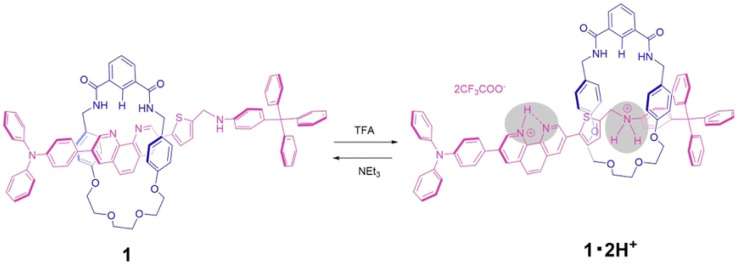 Figure 6
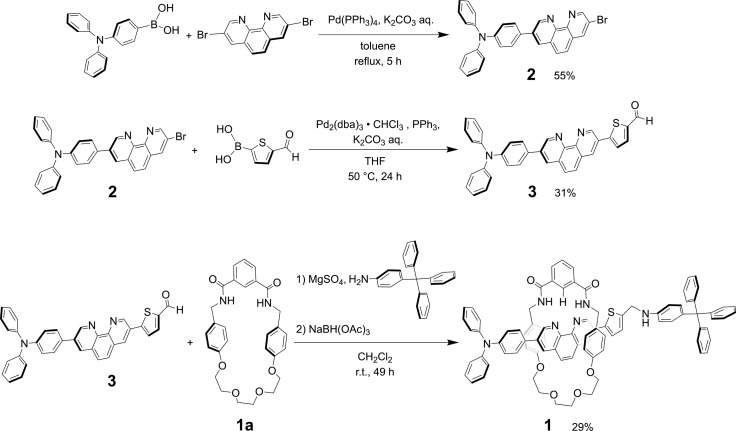 Figure 7
Peer Reviews
No public reviews on file for this paper yet. If you reviewed it on a platform where reviews are public (OpenReview, ICLR, NeurIPS, ICML), you can paste yours below so the community can read it here.
Videos
No videos yet. Explain this paper in a talk, walkthrough, or lecture? Add one.
Taxonomy
TopicsSupramolecular Chemistry and Complexes · Molecular Sensors and Ion Detection · DNA and Nucleic Acid Chemistry