A teosinte-derived allele of ZmSC improves salt tolerance in maize
Xiaofeng Li, Qiangqiang Ma, Xingyu Wang, Yunfeng Zhong, Yibo Zhang, Ping Zhang, Yiyang Du, Hanyu Luo, Yu Chen, Xiangyuan Li, Yingzheng Li, Ruyu He, Yang Zhou, Yang Li, Mingjun Cheng, Jianmei He, Tingzhao Rong, Qilin Tang

TL;DR
A wild maize relative gene improves salt tolerance in maize, offering a potential solution to yield losses from soil salinization.
Contribution
A teosinte-derived ZmSC allele is shown to enhance salt tolerance by mitigating negative effects on Ca2+ signaling pathways.
Findings
ZmSCZ58 negatively regulates salt tolerance by suppressing Ca2+ signaling genes in Arabidopsis and yeast.
The ZmSCIL76 allele from Z. perennis alleviates these negative effects and increases ABA content.
ZmSCIL76 provides a genetic resource for improving maize salt tolerance breeding.
Abstract
Maize, a salt-sensitive crop, frequently suffers severe yield losses due to soil salinization. Enhancing salt tolerance in maize is crucial for maintaining yield stability. To address this, we developed an introgression line (IL76) through introgressive hybridization between maize wild relatives Zea perennis, Tripsacum dactyloides, and inbred Zheng58, utilizing the tri-species hybrid MTP as a genetic bridge. Previously, genetic variation analysis identified a polymorphic marker on Zm00001eb244520 (designated as ZmSC), which encodes a vesicle-sorting protein described as a salt-tolerant protein in the NCBI database. To characterize the identified polymorphic marker, we employed gene cloning and homologous cloning techniques. Gene cloning analysis revealed a non-synonymous mutation at the 1847th base of ZmSCIL76 , where a guanine-to-cytosine substitution resulted in the mutation of serine…
Genes, proteins, chemicals, diseases, species, mutations and cell lines named across the full text — each resolved to its canonical identifier and authoritative record.
Click any figure to enlarge with its caption.
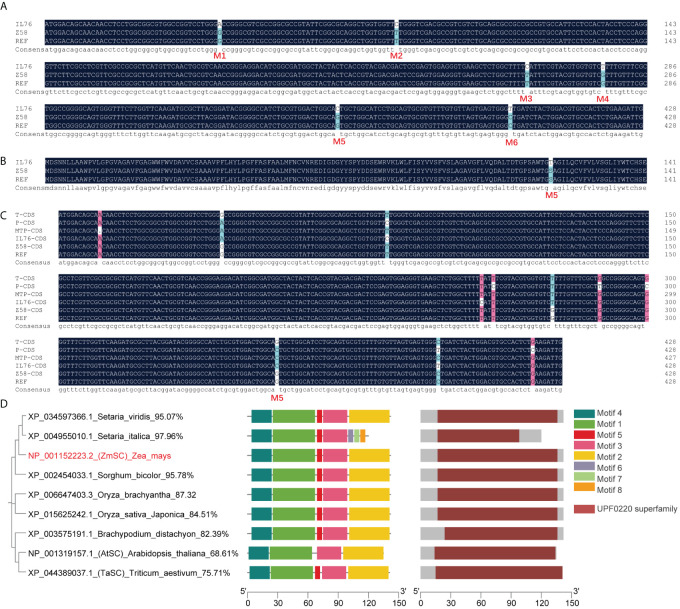 Figure 1
 Figure 2
 Figure 3
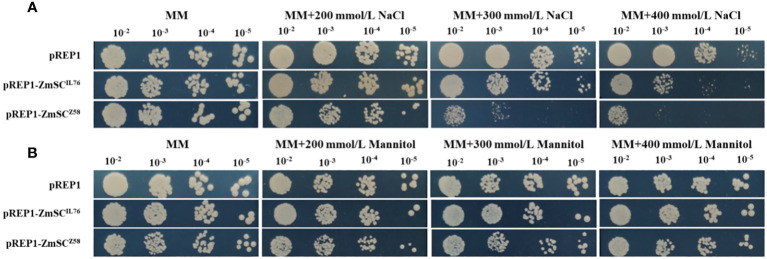 Figure 4
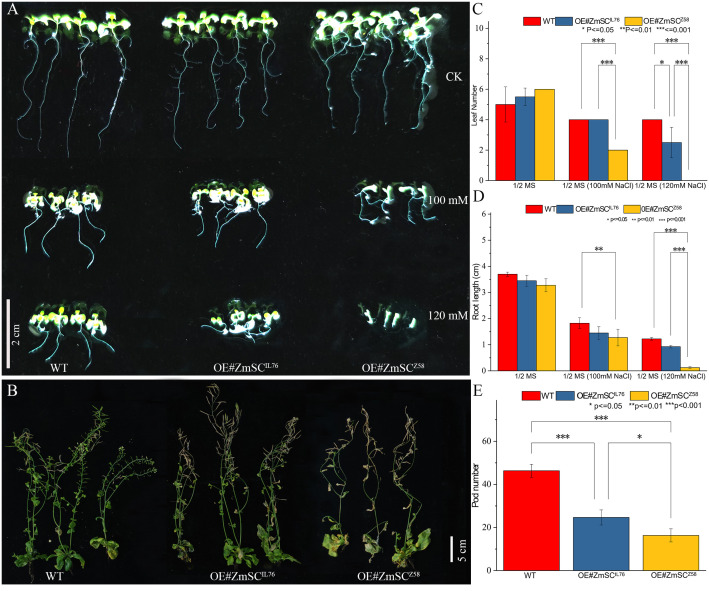 Figure 5
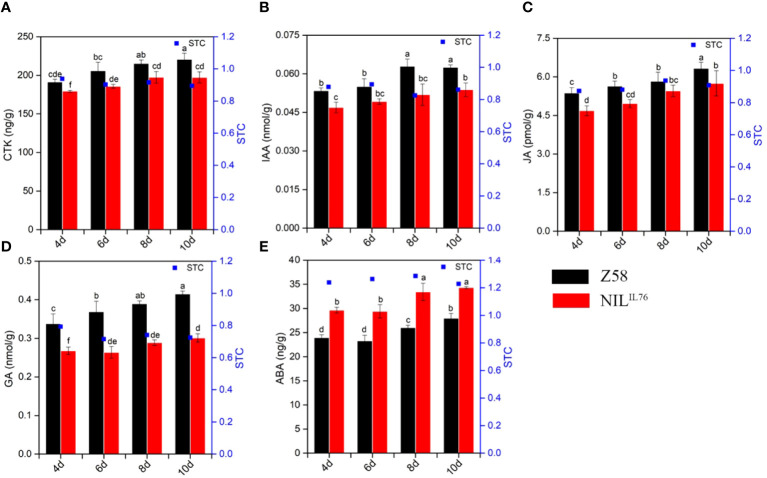 Figure 6
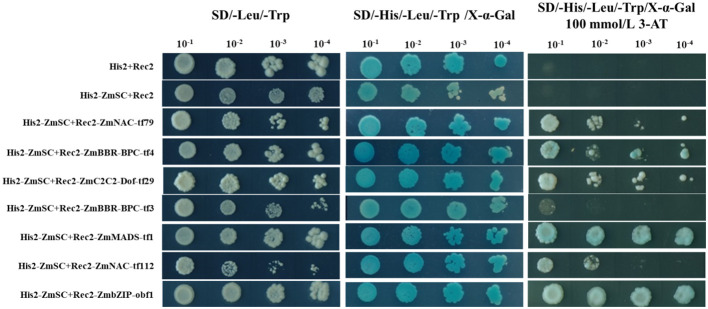 Figure 7
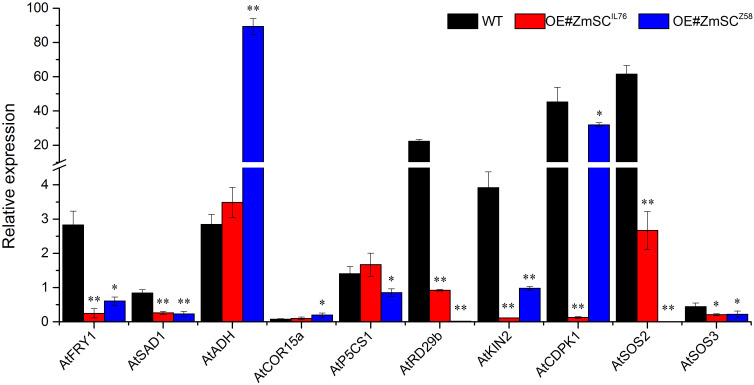 Figure 8
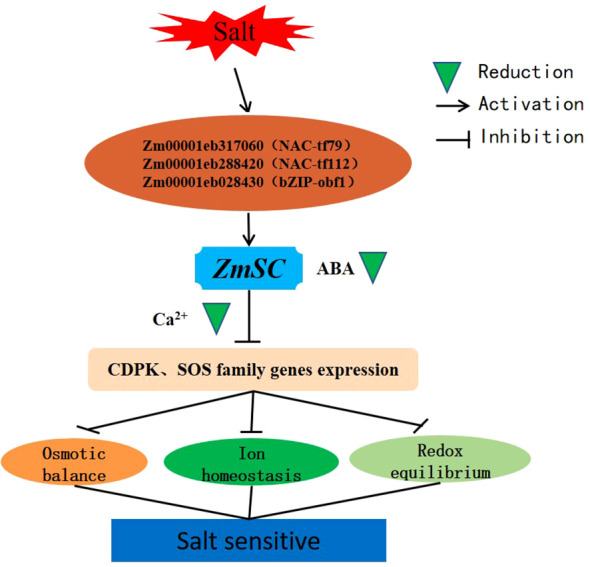 Figure 9
Peer Reviews
No public reviews on file for this paper yet. If you reviewed it on a platform where reviews are public (OpenReview, ICLR, NeurIPS, ICML), you can paste yours below so the community can read it here.
Videos
No videos yet. Explain this paper in a talk, walkthrough, or lecture? Add one.
Taxonomy
TopicsEthics and bioethics in healthcare · Religious and Theological Studies · Philosophy and Phenomenology Studies