Same duodenal neuroendocrine tumors, different endoscopic resection methods: a case report and literature review
Jinguo Liu, Liangliang Yu

TL;DR
This case report describes the successful endoscopic removal of two rare tumors in the duodenum using two different techniques.
Contribution
Demonstrates the effectiveness of STER as an alternative method for resecting duodenal tumors in limited spaces.
Findings
Two submucosal tumors in the duodenal bulb were successfully resected using ESD and STER.
Pathological analysis confirmed the tumors as neuroendocrine tumors.
STER was found to be a viable option in the constrained duodenal bulb environment.
Abstract
Duodenal neuroendocrine tumors (NETs), comprising 2–3% of all gastrointestinal NETs and 1–3% of all duodenal tumors, are remarkably uncommon. In this report, we described a patient diagnosed with two submucosal tumors in the duodenal bulb. We used two distinct endoscopic resection methods, including endoscopic submucosal dissection (ESD) and submucosal tunneling endoscopic resection (STER), to achieve en bloc resection of the lesions without complications. Pathological evaluation, involving hematoxylin–eosin staining and immunohistochemistry, confirmed the diagnosis of NET. Given the limited operative field and space in the duodenal bulb, STER proved to be a viable endoscopic resection technique.
Genes, proteins, chemicals, diseases, species, mutations and cell lines named across the full text — each resolved to its canonical identifier and authoritative record.
Click any figure to enlarge with its caption.
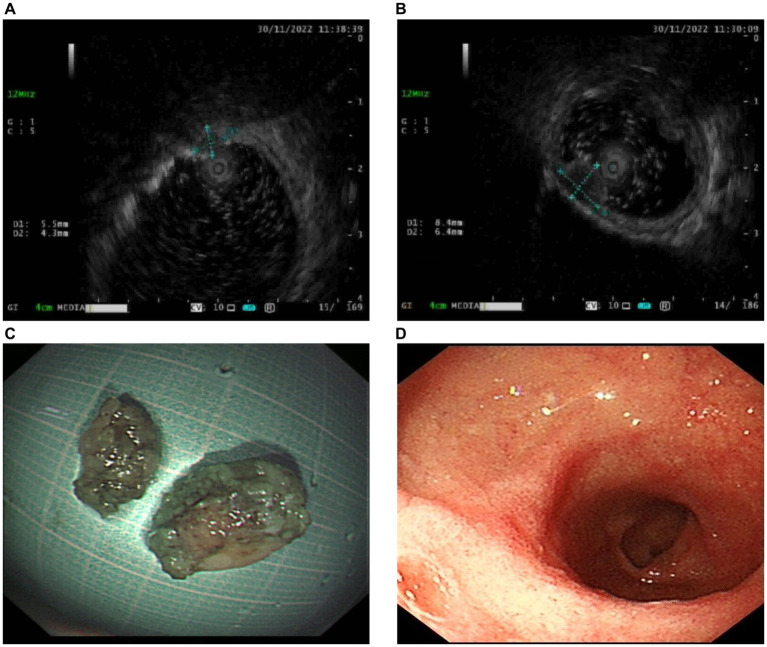 Figure 1
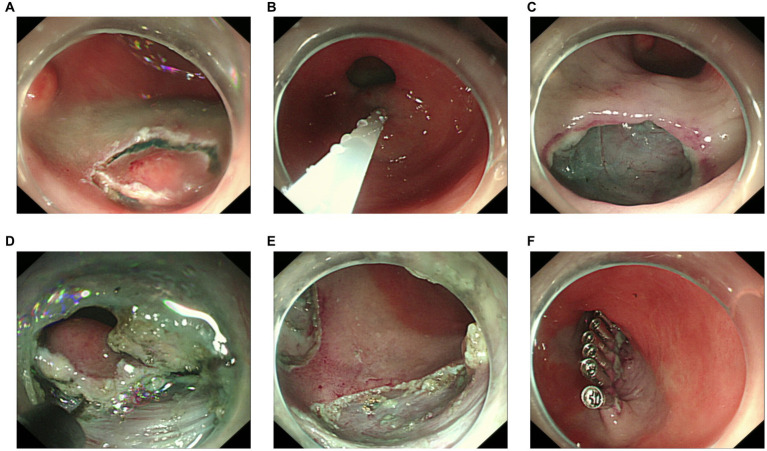 Figure 2
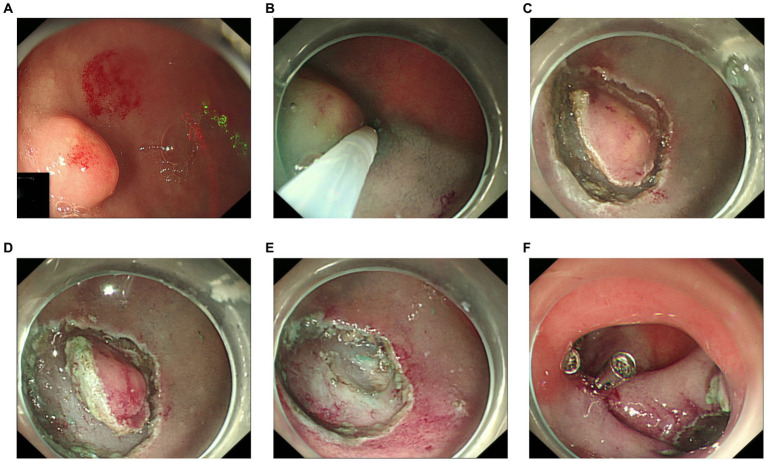 Figure 3
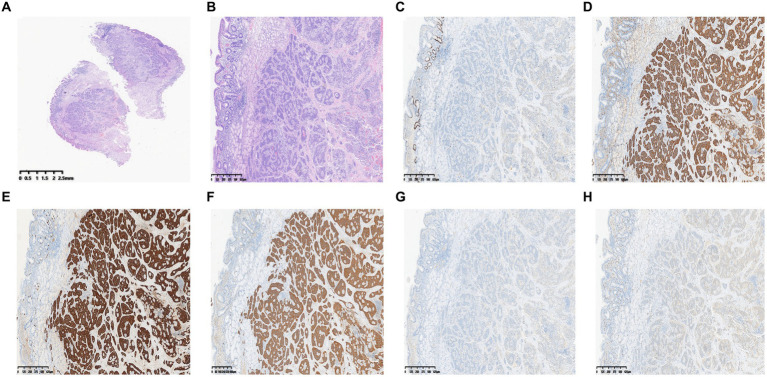 Figure 4
Peer Reviews
No public reviews on file for this paper yet. If you reviewed it on a platform where reviews are public (OpenReview, ICLR, NeurIPS, ICML), you can paste yours below so the community can read it here.
Videos
No videos yet. Explain this paper in a talk, walkthrough, or lecture? Add one.
Taxonomy
TopicsNeuroendocrine Tumor Research Advances · Lung Cancer Research Studies · Gastrointestinal Tumor Research and Treatment