Pupal Exuviae of Culex Pipiens L. (Diptera: Culicidae) Can be Utilised as a Non-Invasive Method of Biotype Differentiation
Laura Jones, Christopher Sanders, Marion England, Mary Cameron, Simon Carpenter

TL;DR
This study shows that DNA from discarded pupal skins of Culex pipiens mosquitoes can be used to identify their biotype without harming the adult mosquitoes, which is useful for studying their role in disease transmission.
Contribution
The study validates non-invasive DNA extraction methods from Cx. pipiens pupal exuviae for biotype differentiation.
Findings
DNA from pupal exuviae can be used for biotype identification up to 24 hours post-eclosion.
Direct real-time PCR had a lower amplification success rate compared to other methods.
Field-derived exuviae showed more variable results in DNA extraction and identification.
Abstract
Culex pipiens L. is a principal vector of zoonotic arboviruses in Europe, acting in both an amplification role in enzootic transmission between avian hosts and as a bridge vector between avian hosts and mammals. The species consists of two forms which are indistinguishable using morphological methods but possess varying ecological and physiological traits that influence their vector capacity. In this study we validate methods that can be used to extract trace DNA from single pupal exuviae of Cx. pipiens for use in molecular speciation of samples. These DNA extraction methods are compared using measurement of the total yield and successful identification using a real-time polymerase chain reaction (PCR) assay. Genomic DNA was initially extracted from colony-derived individuals using an ethanol precipitation method, two commercially available DNA extraction kits: DNeasy® Blood & Tissue…
Genes, proteins, chemicals, diseases, species, mutations and cell lines named across the full text — each resolved to its canonical identifier and authoritative record.
Click any figure to enlarge with its caption.
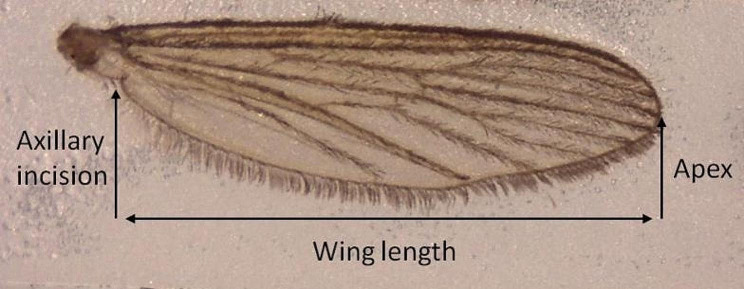 Figure 1
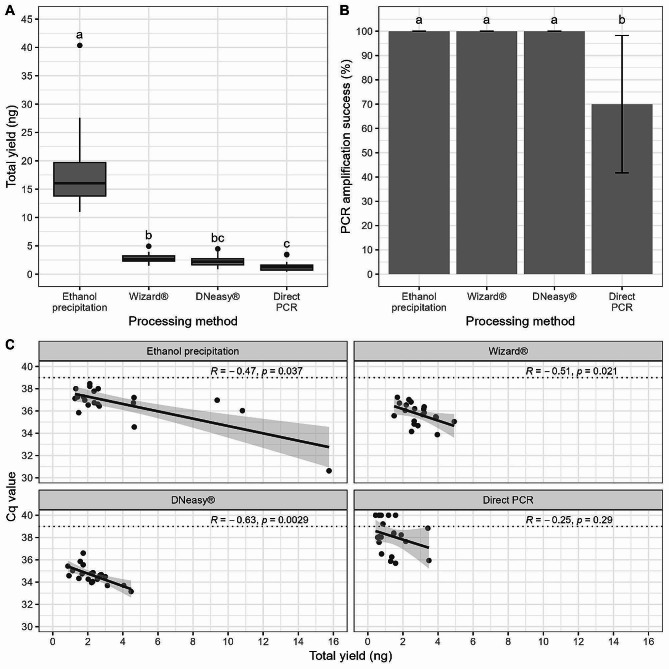 Figure 2
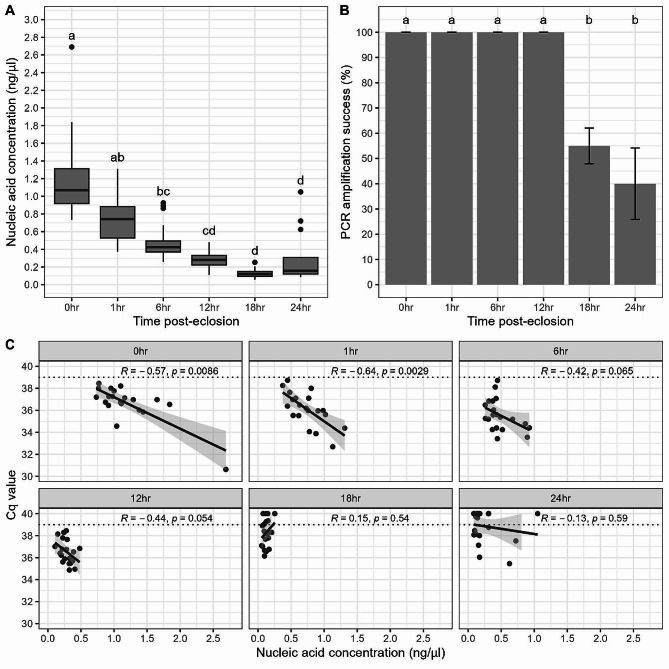 Figure 3
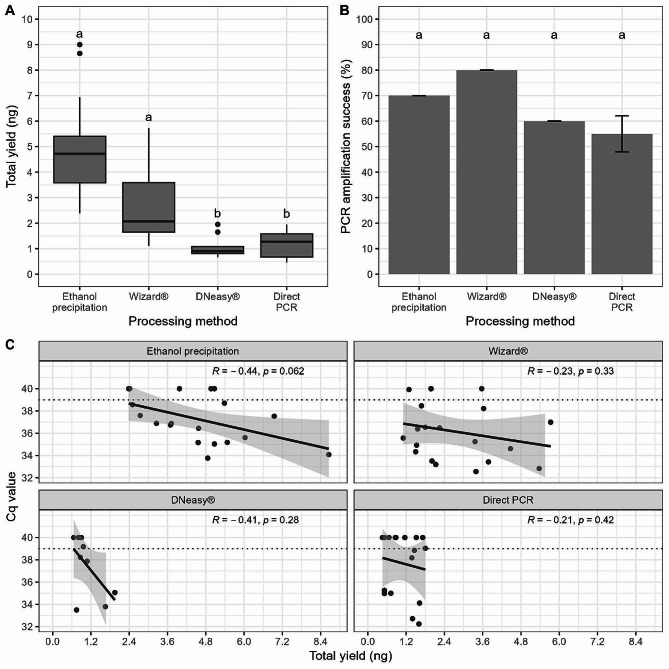 Figure 4
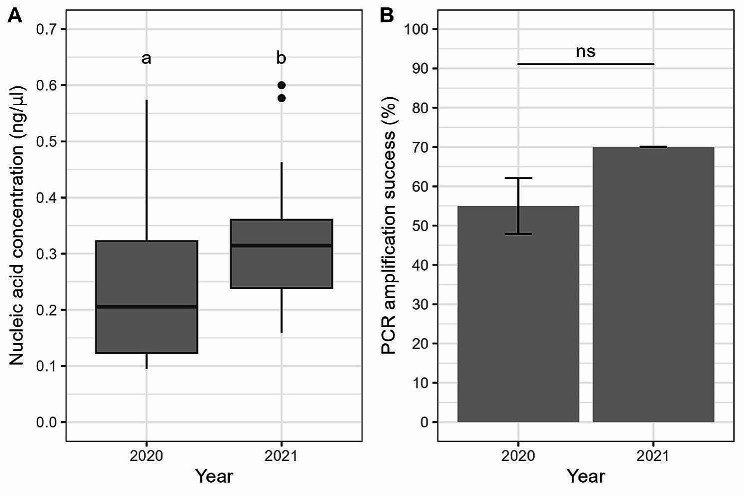 Figure 5
Peer Reviews
No public reviews on file for this paper yet. If you reviewed it on a platform where reviews are public (OpenReview, ICLR, NeurIPS, ICML), you can paste yours below so the community can read it here.
Videos
No videos yet. Explain this paper in a talk, walkthrough, or lecture? Add one.
Taxonomy
TopicsMosquito-borne diseases and control · Insect symbiosis and bacterial influences · Forest Insect Ecology and Management